

3D Puff Embroidery: The Complete Manufacturer's Guide for Apparel Brands
Introduction: Bringing Your Designs to Life with 3D Embroidery
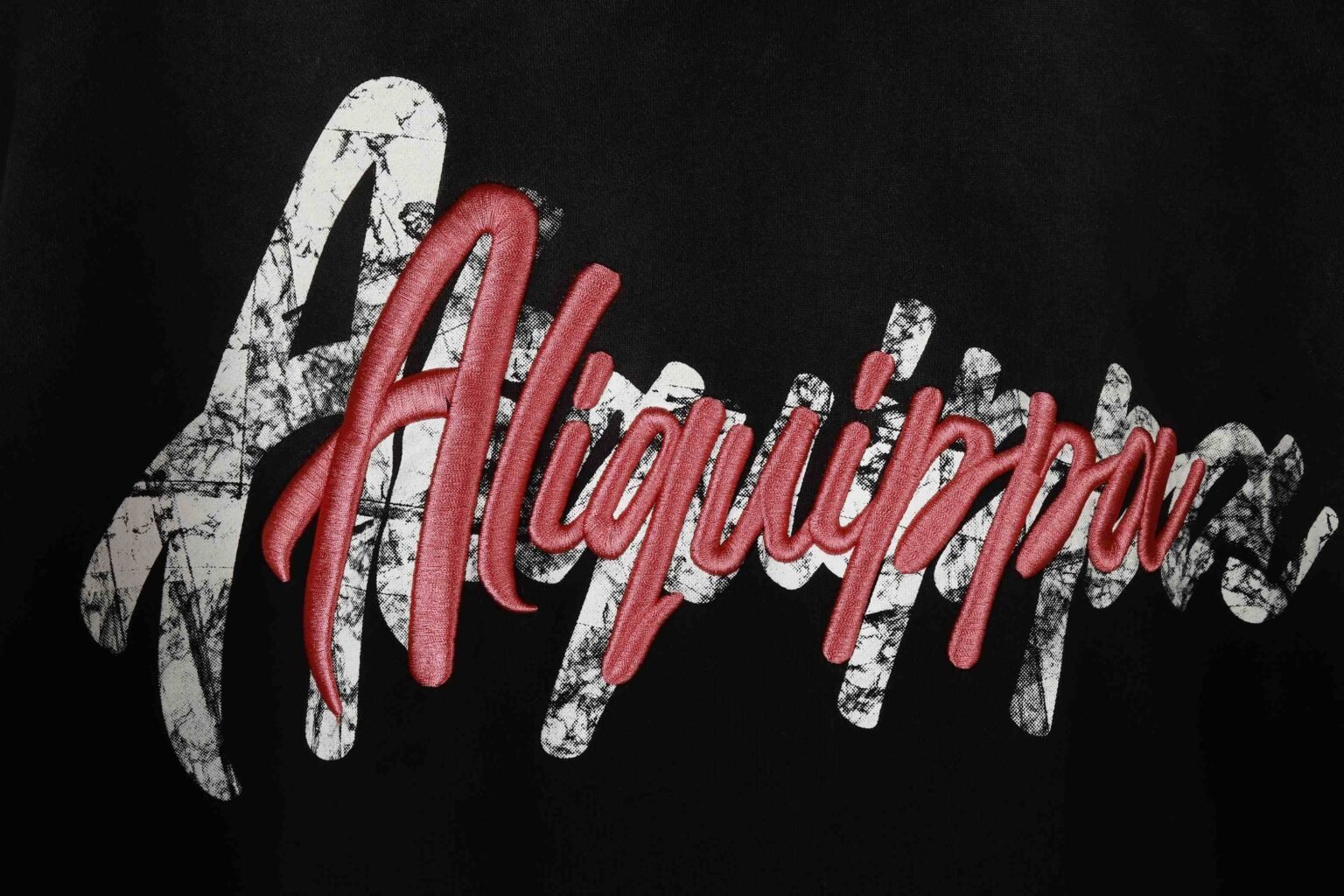
Ever wonder why logos on baseball caps or sweatshirts pop off the fabric? And the response is one special technique that turns a boring, flat design into a stunning, three-dimensional statement.
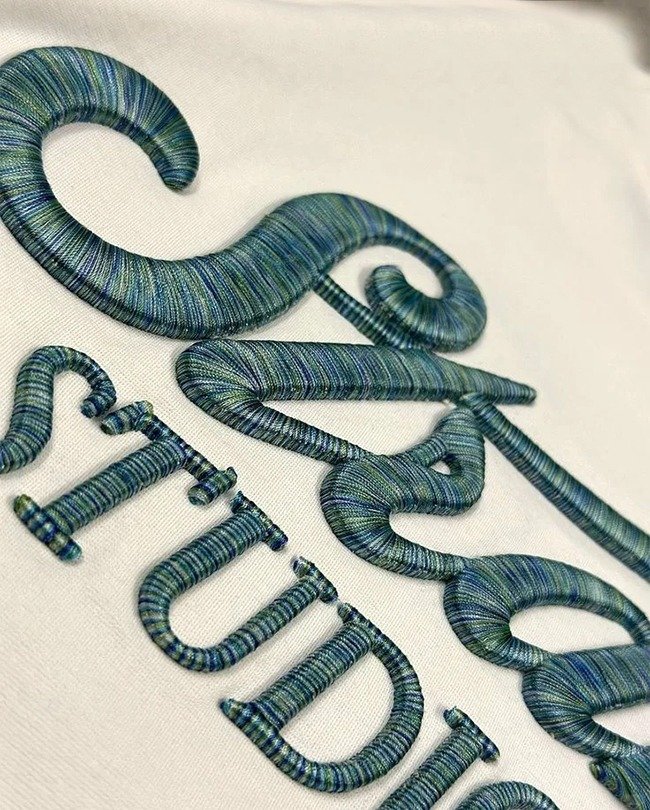
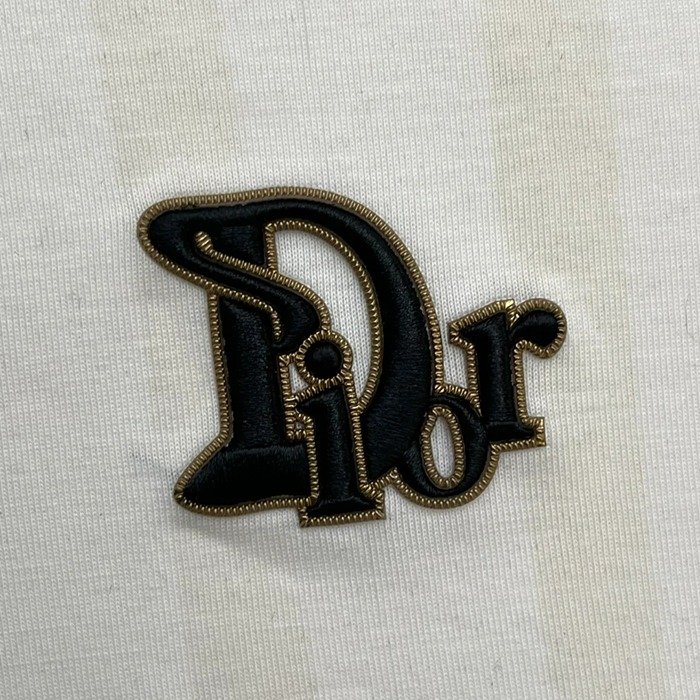
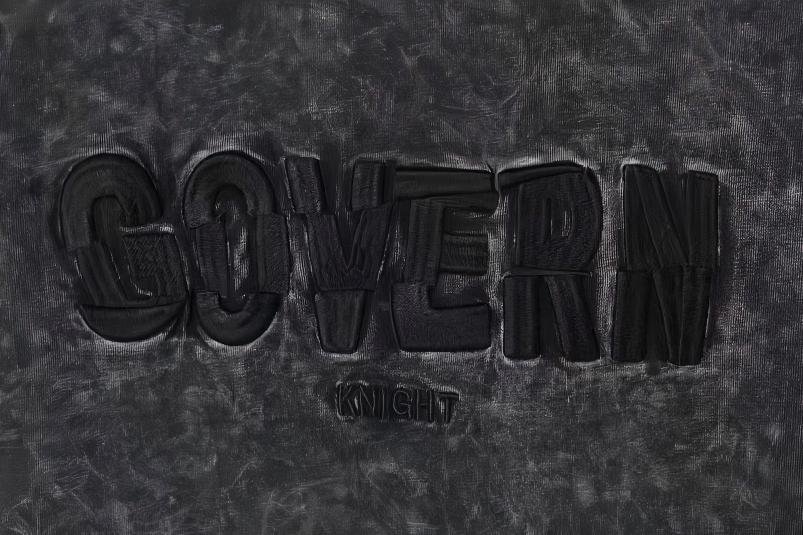
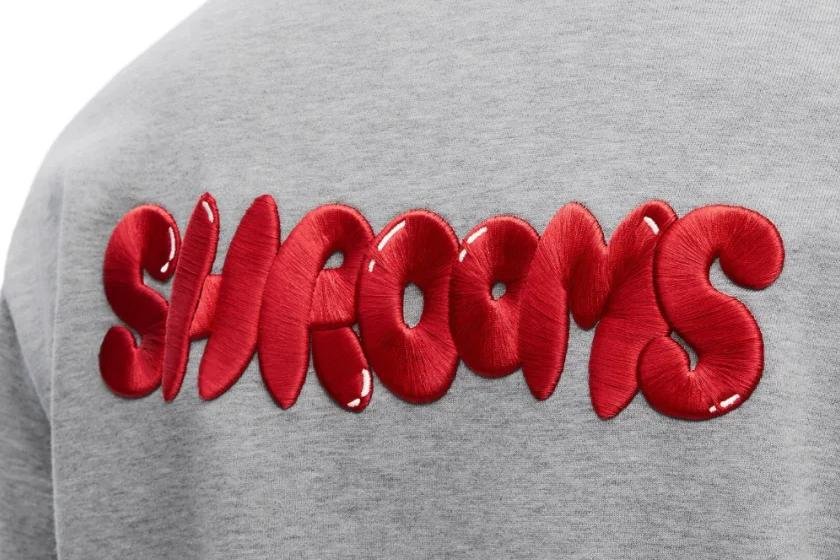
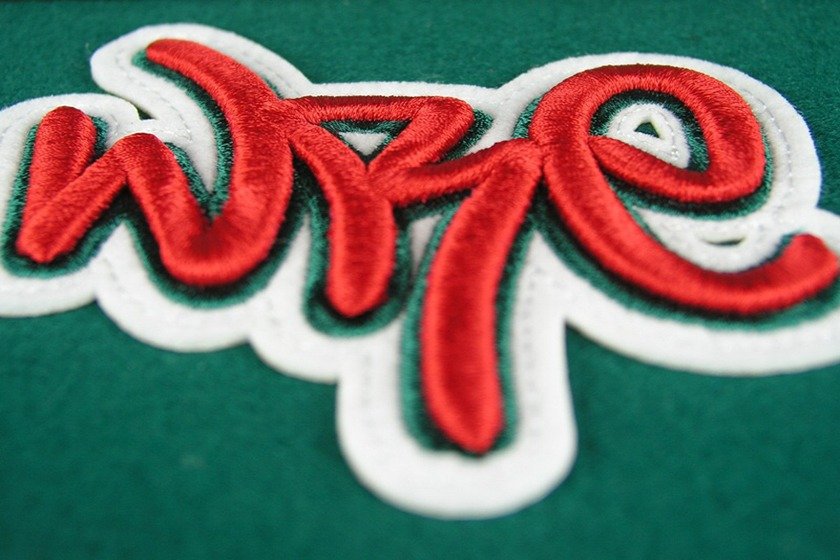
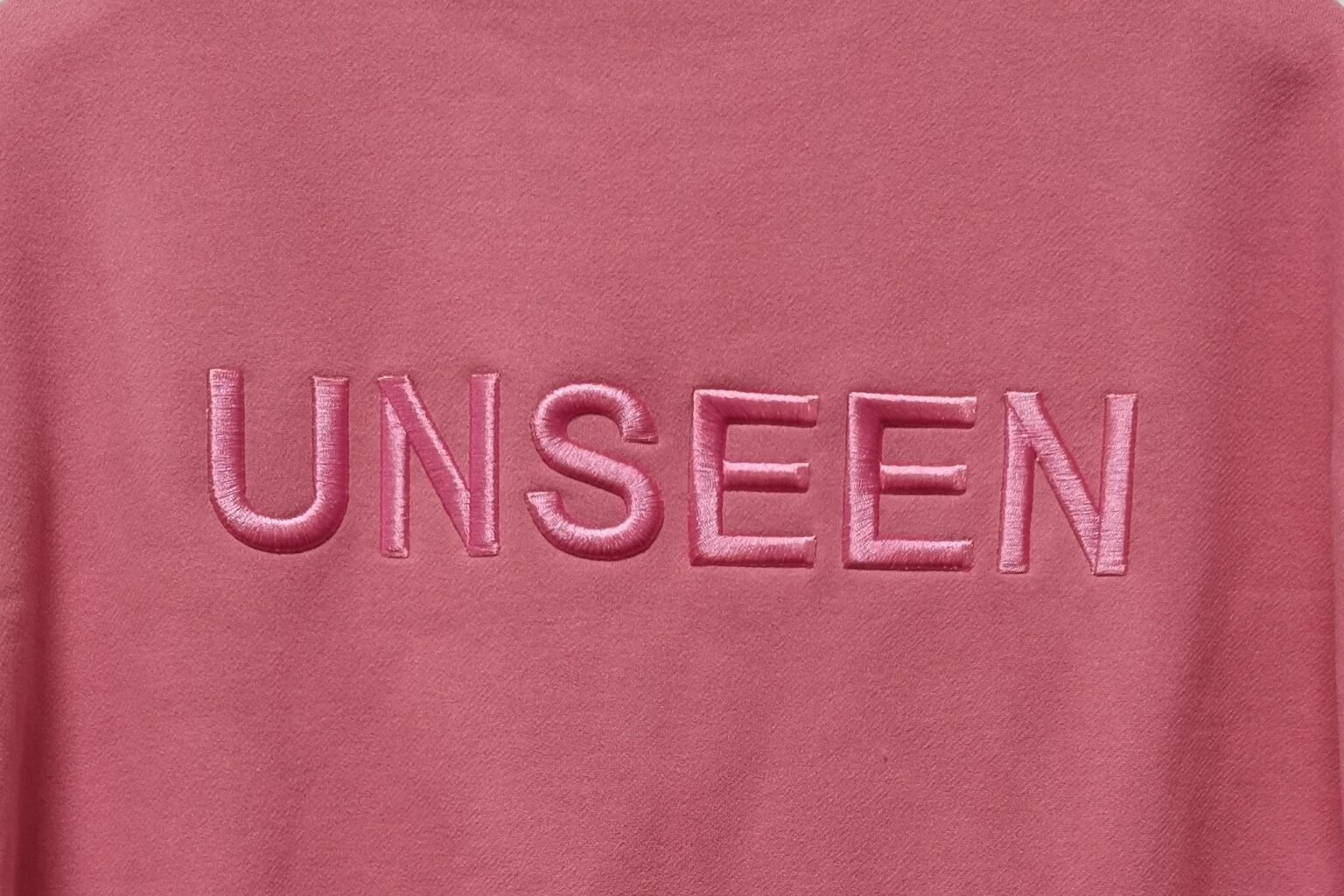
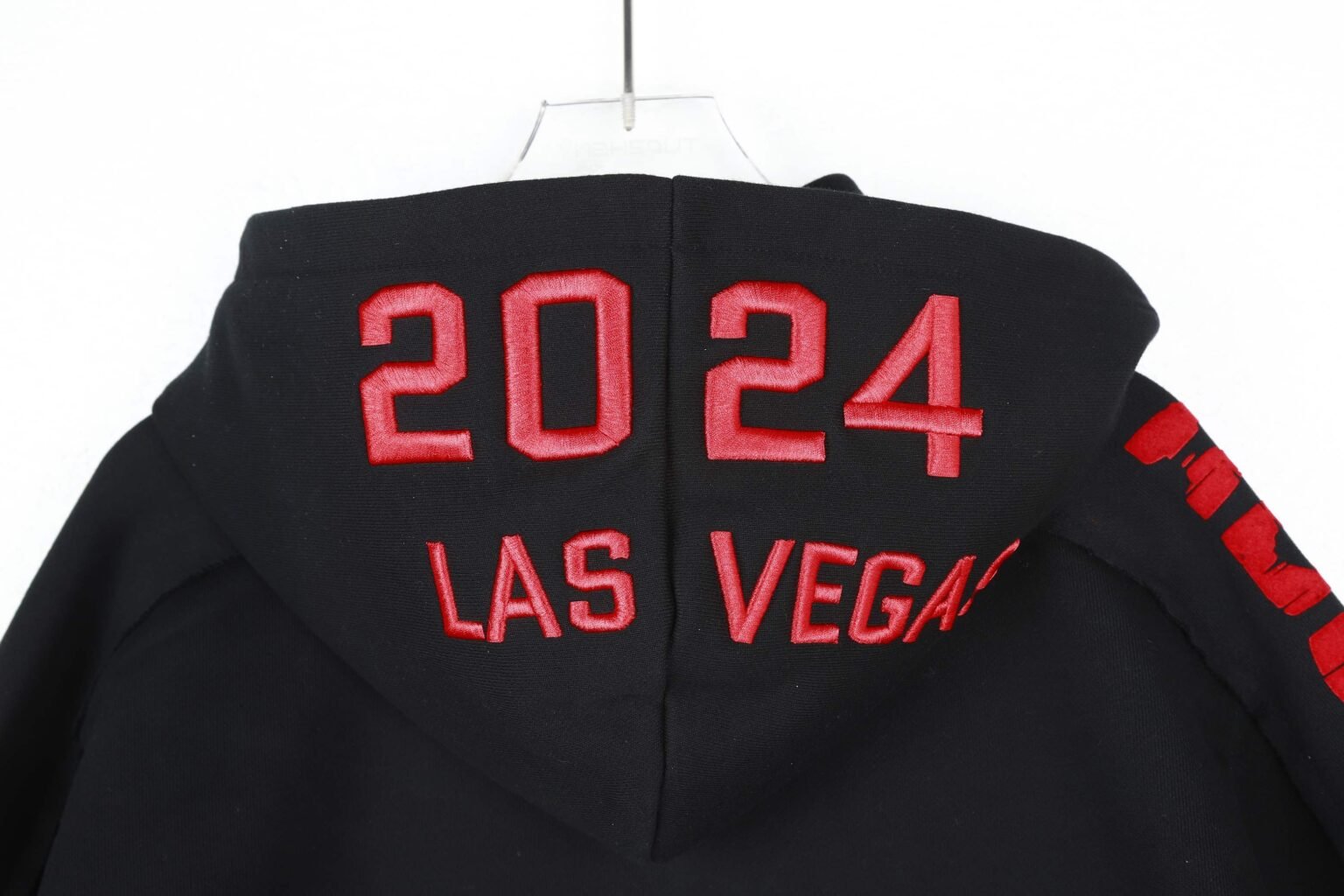
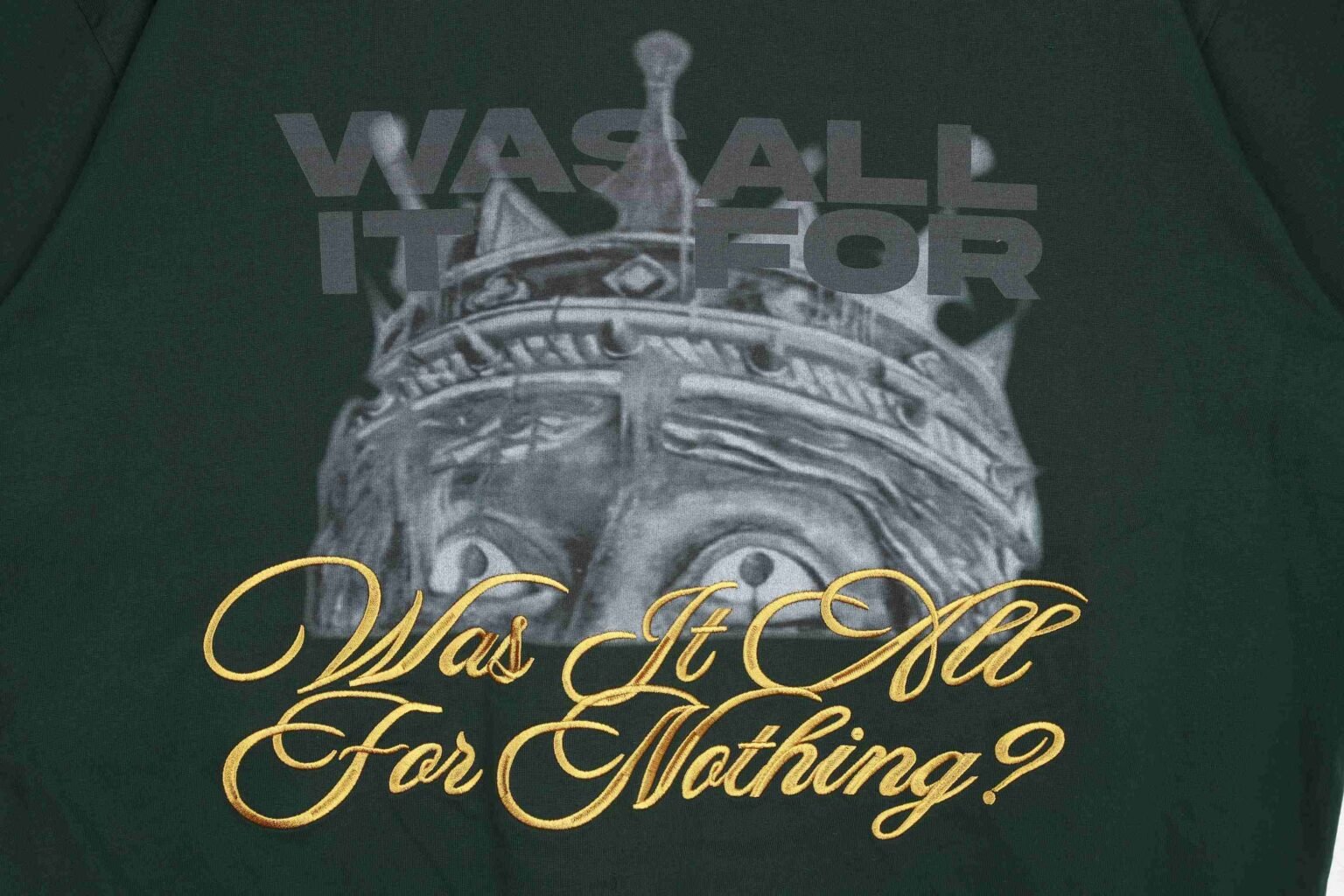
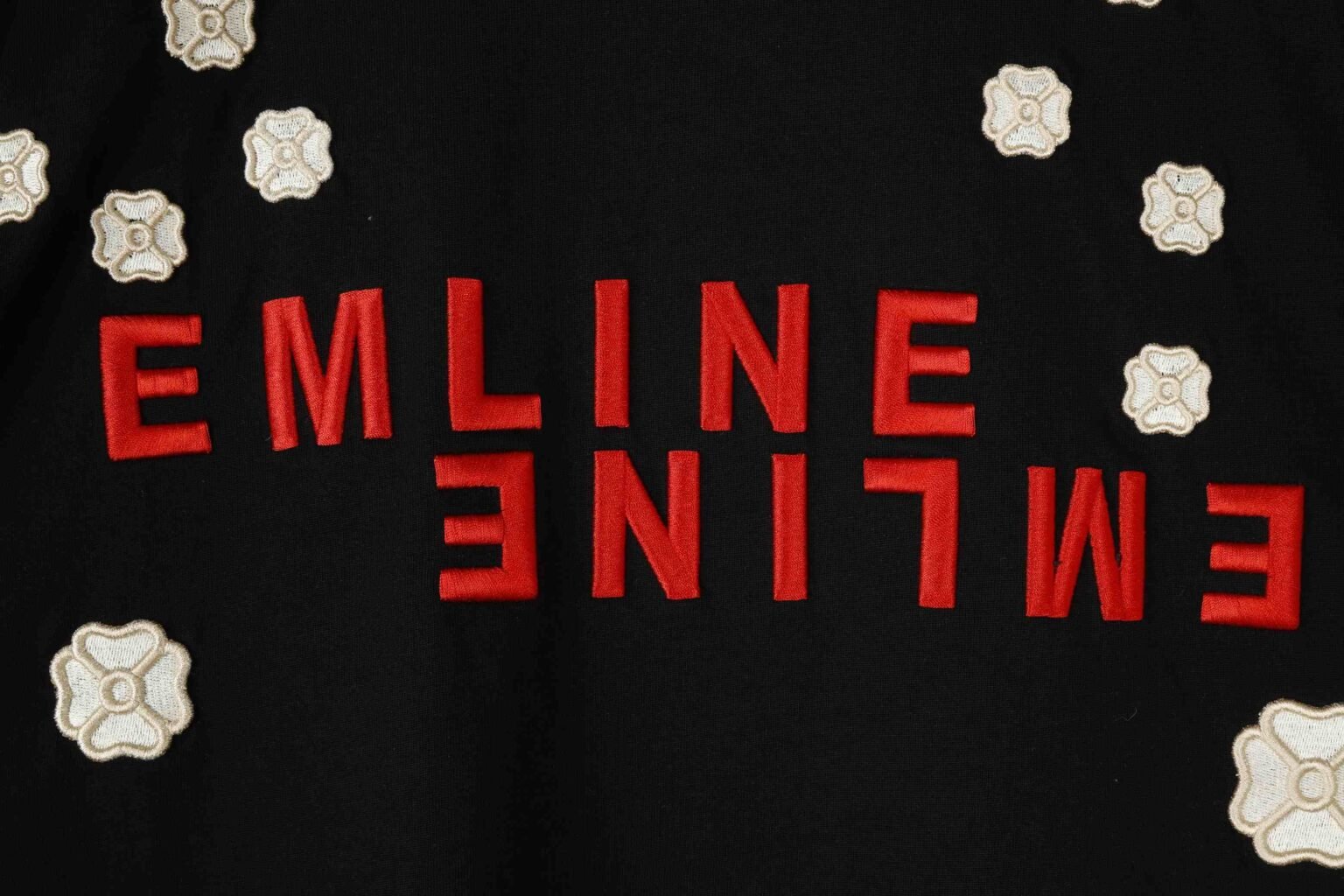
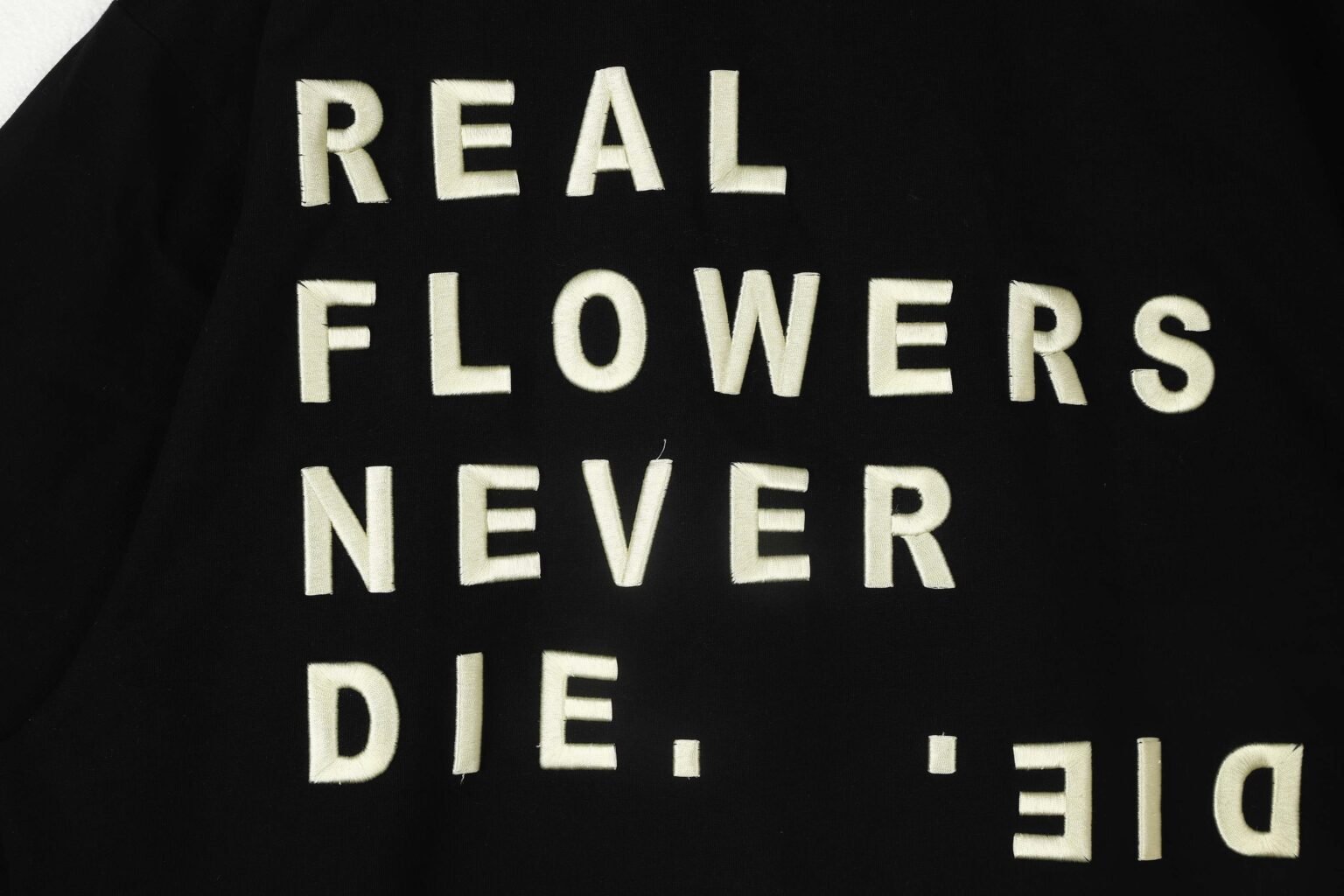
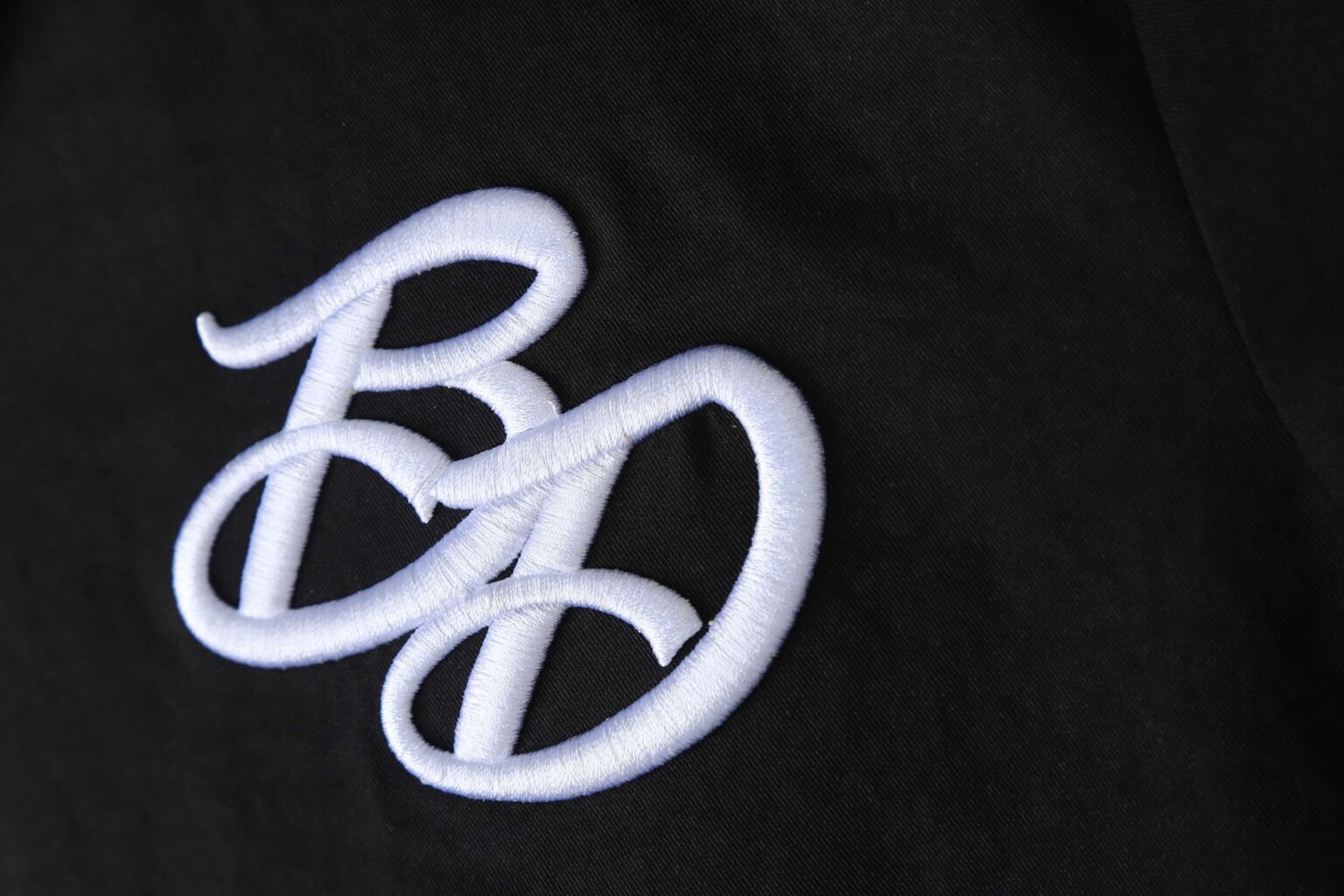
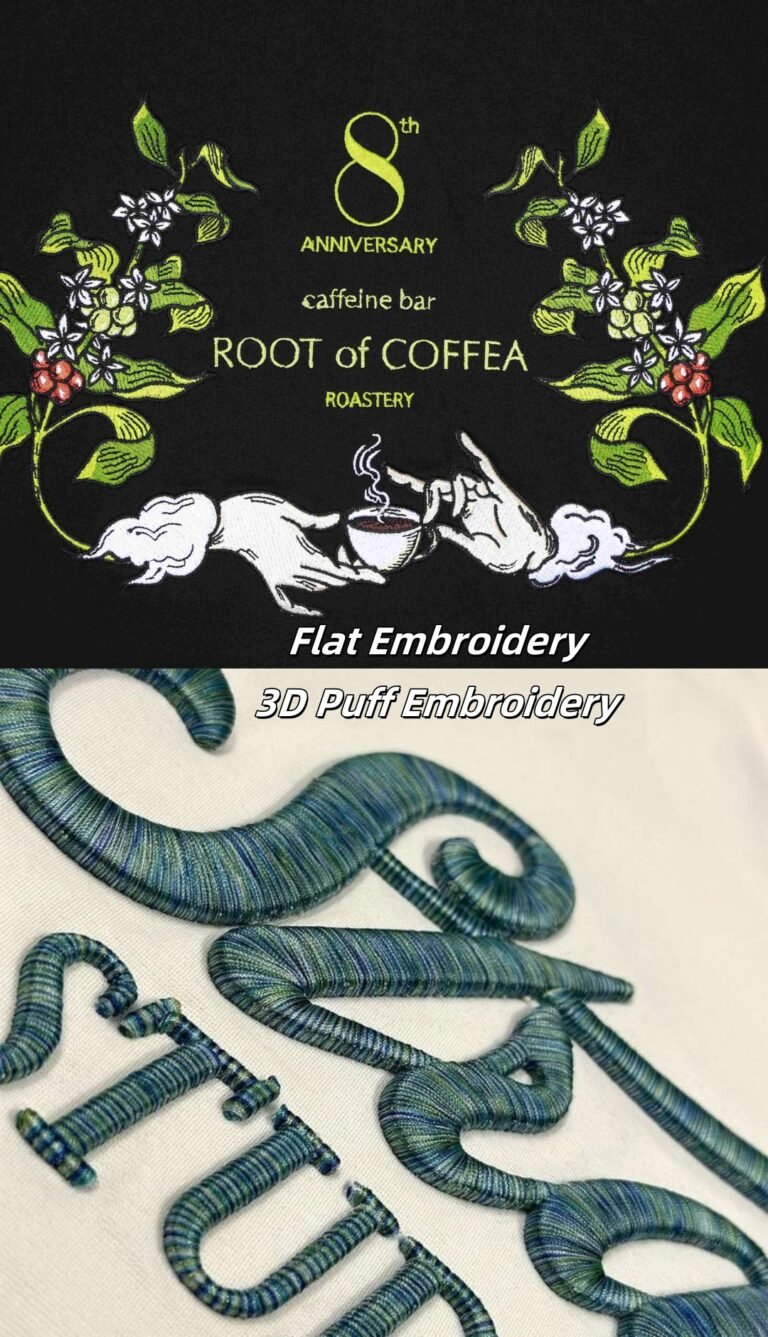
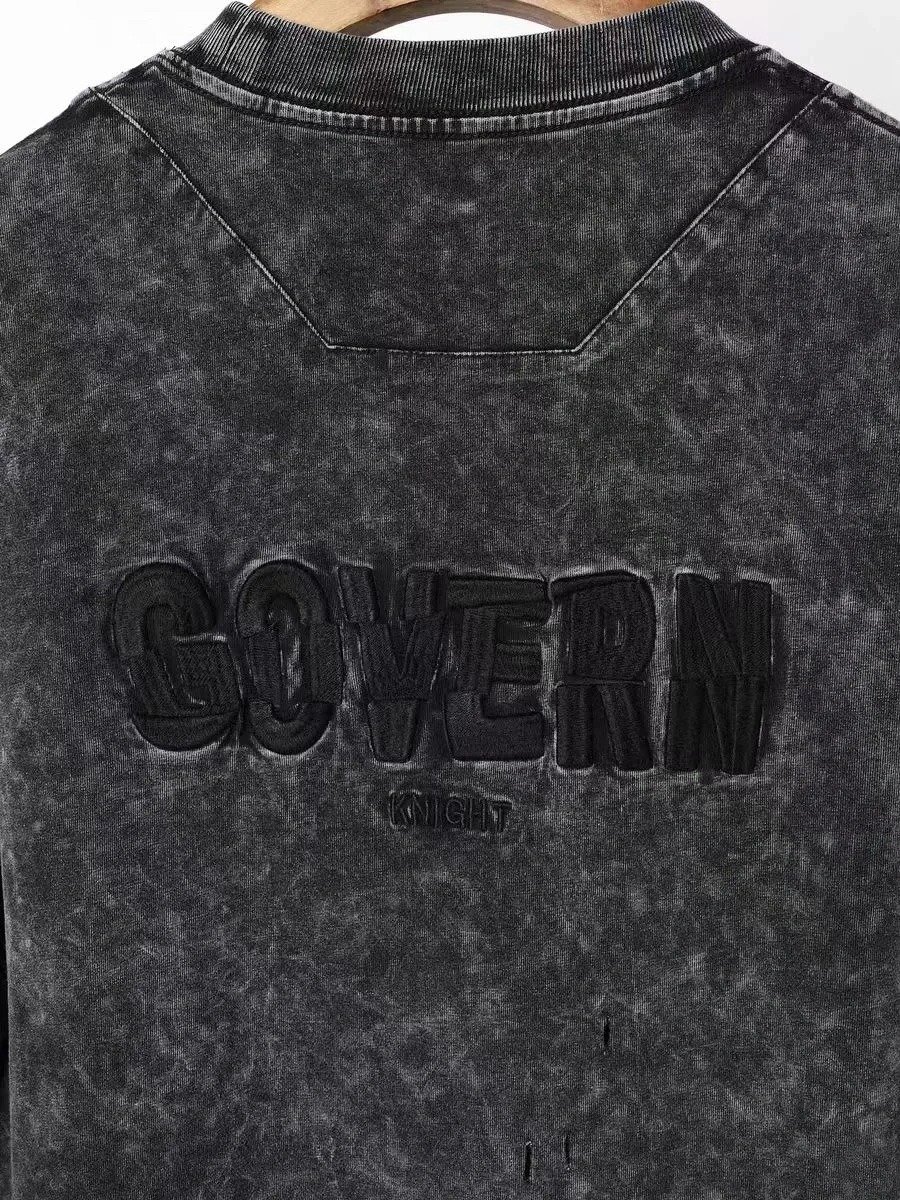
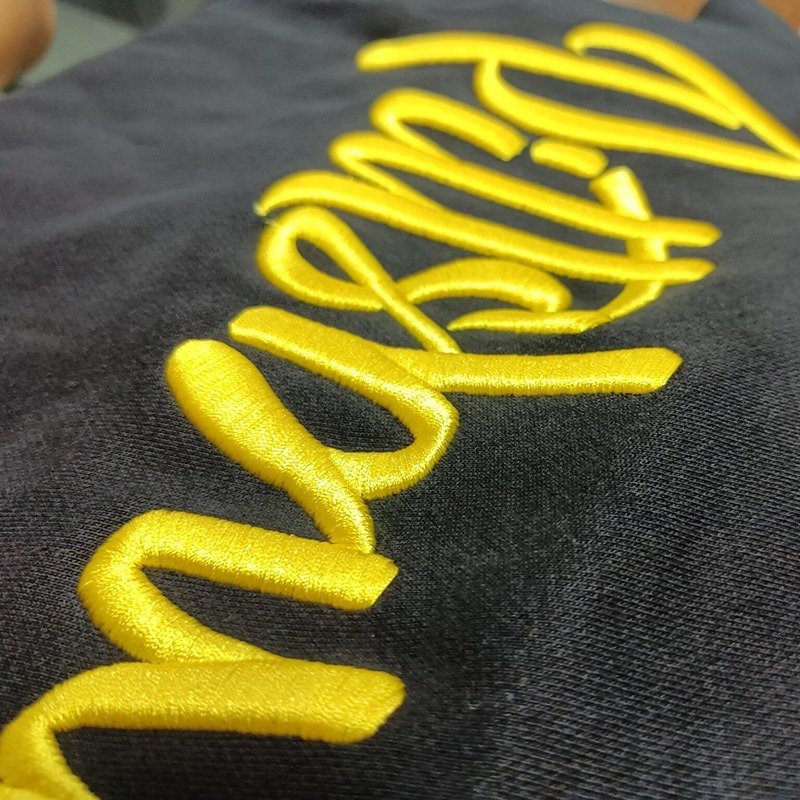
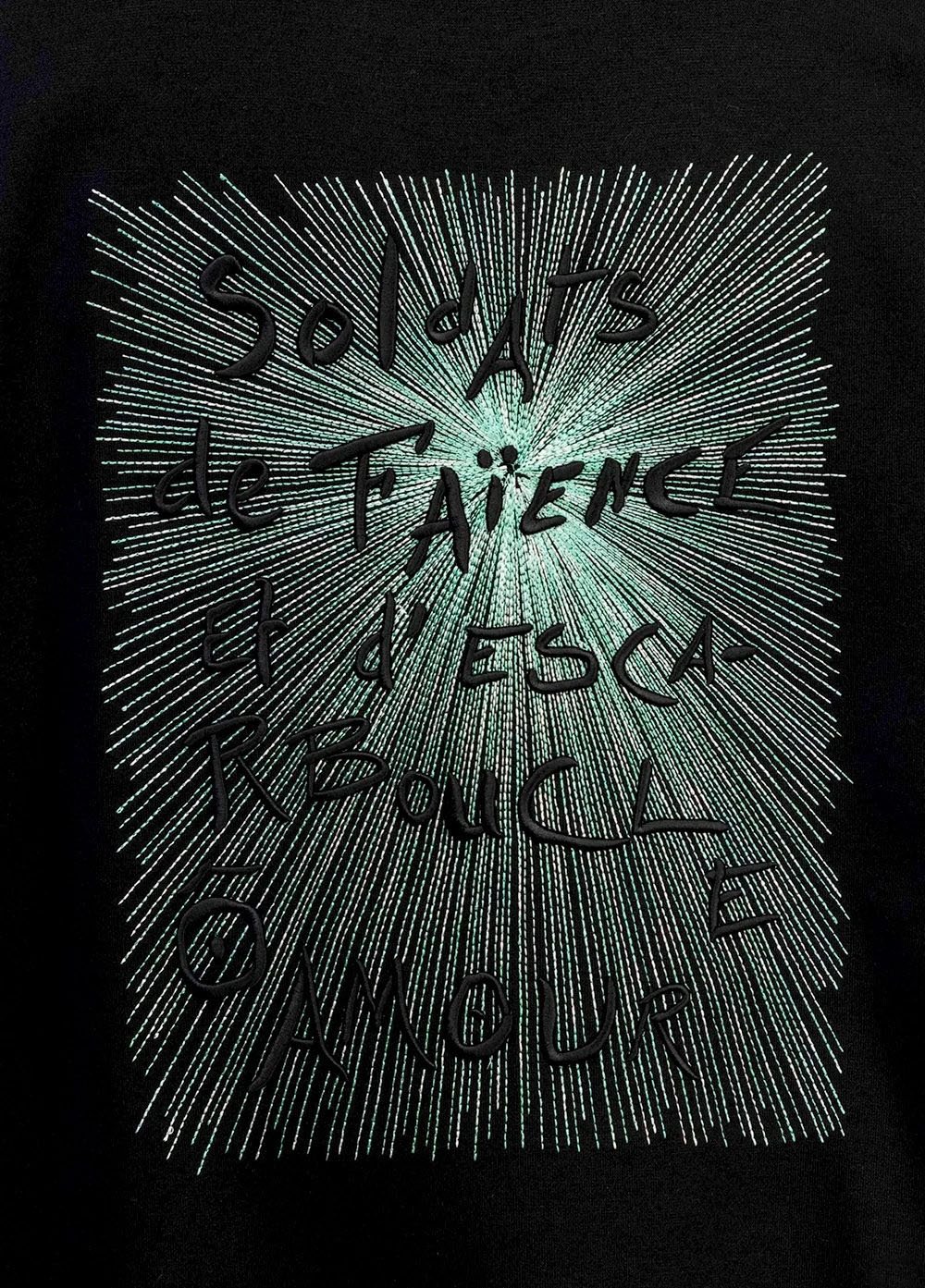
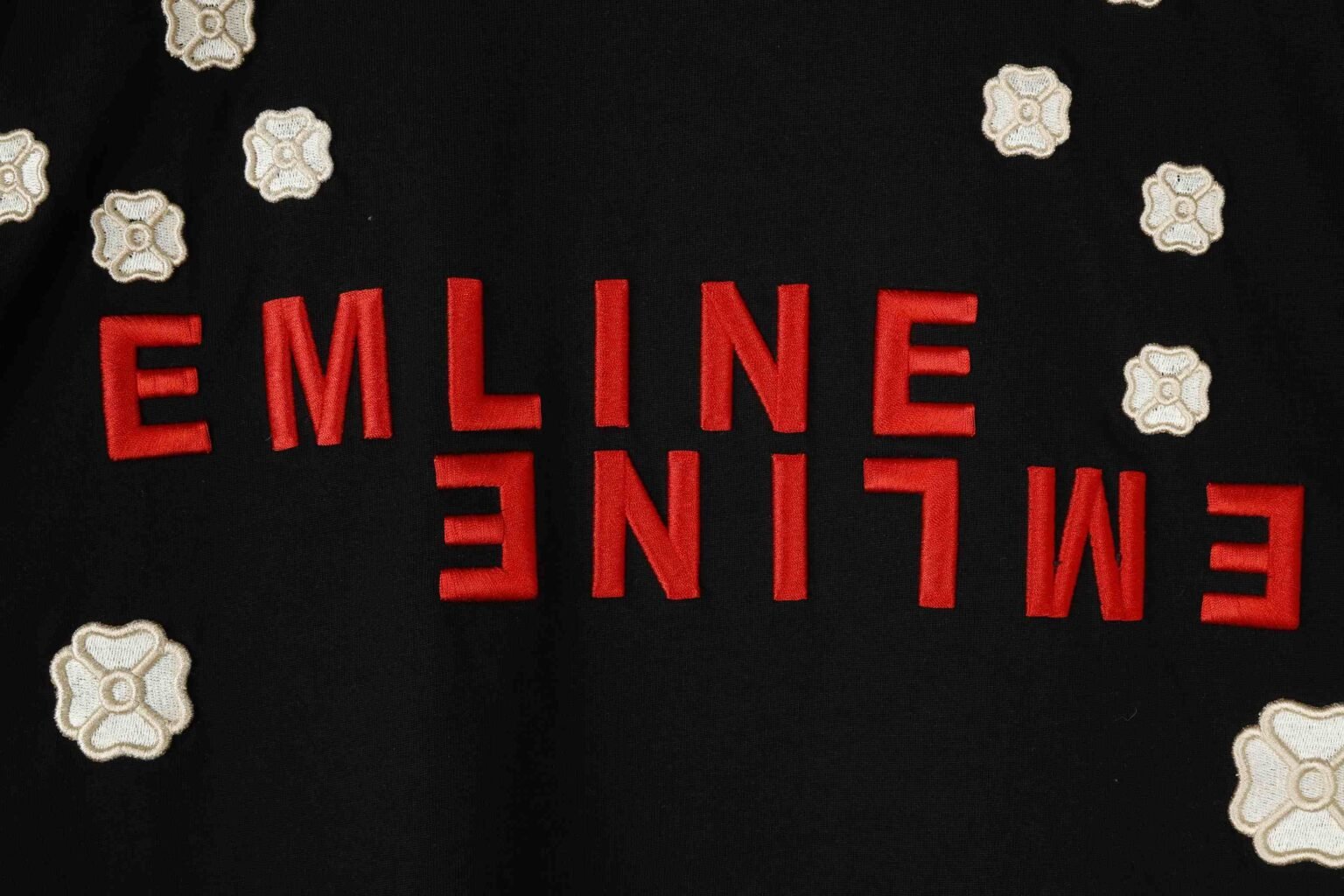
It is called 3D puff embroidery. It has foam on the back to get a dimension that adds depth and pop to your brand.
It is more than a decorative option, it is an efficacious means for adding high value and memorable tactile branding experience for your customers. 3D puff embroidery transcends the traditional decoration style as it results in an embossed texture that normal Clothing Embroidery can’t compete with.
From our 10 years of experience in the clothing industry, this article will tell you when, where and how you can use 3D puff embroidery to make your clothing line POP.
The Core Technique: How is 3D Puff Embroidery Created?
No secret, it isn’t special thread, it’s a special high-density EVA foam layer. The process tightly integrates materials with machines.
While modern 3D puff embroidery uses machines, the art of making raised textile designs has a rich history known as stumpwork or raised work, going back hundreds of years.
We follow these careful steps to ensure perfect results every time:
- Digitizing the Design: First, your artwork becomes a special embroidery file. The designer programs specific stitch types and higher density needed to cut and cover the foam.
- Hooping the Garment: The fabric is pulled tight in a hoop. This creates a stable surface for precise stitching.
- Placing the Foam: High-quality embroidery foam is placed on the hooped area where the design will be stitched.
- Stitching: The machine starts sewing with dense stitches that cut and cover the foam. The needle effectively cuts the foam along the design’s edges.
- Removing Excess Foam: After stitching, extra foam outside the design is torn away. Only the raised, “puffed” design remains, perfectly covered with thread.

Freight discount

Free Full Creative Proof For Approval

Free Digital Mock Ups

Custom packaging
Embroidery 3D Product Gallery


The Strategic Choice: Deciding Between 3D Puff and Flat Embroidery
Whether you opt for 3D puff embroidery or regular, standard flat embroidery will impact your brand message, the price, and the life of your product. We are making that choice for our partners every day.
To make this less difficult, we observe a few easy framework. Here are some things to think about before you go into production:
Factor | 3D Puff Embroidery | Flat Embroidery | Manufacturer’s Insight (Our Recommendation) |
Visual Impact | Bold, stands out from fabric | Classic, detailed, subtle | Use 3D for main parts of a logo on streetwear or caps. Use flat for detailed crests or business logos where readability matters most. |
Logo Complexity | Best for simple shapes, bold lines, block letters | Great for small details, tiny text, complex designs | If your logo has fine lines or text smaller than 5mm, flat embroidery is your only good option. We always check artwork to prevent messy results. |
Durability | Very strong, but can snag on sharp objects. | Extremely durable, less likely to snag. | For work clothes or items that get heavy use, flat embroidery often lasts longer. 3D puff is strong but needs more care. |
Cost | Slightly higher due to foam and slower machine time. | Standard cost, generally cheaper. | The small extra cost for 3D is often worth it because customers see it as more valuable, especially for brands aiming at premium markets. |
Tactile Feel | Raised, premium feel | Smooth, blends with the fabric | In today’s world of tactile and sensory branding, the feel of 3D puff creates a memorable experience that flat embroidery cannot match. |
Custom 3D Embroidery Solutions: Tailored for Every Brand Requirement
For apparel brands, we offer a wide range of 3D Embroidery designs and highly personalized applications tailored to your specific branding requirements.
With our extensive selection of embroidery threads, expert craftsmanship, garment accessories, personalized labels, and custom packaging options, you can create the exact embroidered details you envision.
Our goal is to help you achieve a unique product that resonates with your customers and enhances your brand identity. Understanding the importance of customization, we, as a 3D Embroidery specialist, provide comprehensive embroidery solutions to fulfill all your brand’s specific needs — whether you’re producing logos, decorative patterns, lettering, or full garment embellishments.
Best Applications: Suitable Fabrics and Garment Types
How Well Does 3D Puff Show Up on Any Fabric? Accomplishing 3D puff embroidery can be very challenging and labor intensive depending on the fabric to be used. The major rule is that it has to be a stable, sturdy material that can take the heavy stitching without warping, but also dense enough to support the foam.
Here we share some tips on choosing fabric and product after sewing thousands of puff-embroidered garments.
Excellent Choices:
- Structured Hats: This is the most common and effective use. The stiff front panels of baseball caps, snapbacks, and trucker hats provide the perfect stable base.
- Heavyweight Fleece: Hoodies, sweatshirts, and joggers made from fabric weighing 300 GSM (grams per square meter) or heavier are ideal. The thickness prevents puckering and supports the design’s height.
- Heavy-Duty Outerwear: Denim jackets, canvas work jackets, and classic wool varsity jackets have the needed structure to handle bold 3D designs perfectly.
Use with Caution:
- Mid-weight Fabrics: Some quality, stable polos or heavyweight t-shirts (above 220 GSM) can work for small, simple 3D designs. This always requires testing samples first to ensure quality.
- Knitwear: Beanies can work, but the design must be simple. Complex shapes can distort the knit structure and get lost in the texture of the beanie.
Fabrics to Avoid:
- Lightweight T-shirts: Regular t-shirts will pucker and sag under the weight and pull of the stitches. They simply can’t support the design.
- Performance Fabrics: Thin, stretchy polyester and spandex blends used in workout clothes are usually not suitable as they lack stability.
- Silk or Satin: These delicate fabrics will be damaged by the high-density stitching and foam cutting.
Beyond the Basics: Technical Factors that Define Quality
Just about any maker could do 3D embroidery, but to do it right and to last a lifetime requires expertise. The distinction between amateur and professional results is in nuances most people don’t even notice.
In our 10 years, we’ve become wizards of these hidden ingredients. We know all the pitfalls to avoid — such as foam peeping through stitches or collapsing designs after washing.
The Right Foam is Crucial
All embroidery foam is not created equal. The foam you choose will determine the look and feel of your design. We select foam by density and thickness. 3mm foam will create a significantly higher puff than 2mm foam, but it will also need wider stitches to cover it up. We couple the foam with the appropriate fabric and end up with the perfect thickness to provide a comfort yet still provide quality.
Thread & Stitch Density
We will also almost always use polyester thread for 3D puff. Its durability and gloss helps in producing a seamless, long-lasting finish that covers the foam completely. Most important is what we call stitch capping. This involves stitching the stitches closely enough that all foam will be covered and none should show through between the foam and the stitches. This leads to many more stitches than flat embroidery, which is key to a professional appearance.
The Art of Digitizing
This is the single most important step of the entire process. “Flat embroidery file, you can’t use that file as is for 3D puff,” Adelman explains, pointing out that the designer has to create the file from the beginning specifically for puff. Programming base stitches, accounting for fabric thickness and mapping the direction of stitching are some if the steps on the road to an achieving an efficient, clean end to the sew out. Embroidery Stitches: Understanding embroidery stitches deeply is essential, and our in-house designers are experts on the matter converting your artwork into stitches, production-ready files.
Partner with an Expert: Achieving Flawless 3D Embroidery with Prime Streetwear Manufacturing.
The quality you’re describing isn’t luck; you’ll need a real 3D embroidery experienced partner.
Prime Streetwear Manufacturing History For us in Prime Streetwear, we have 10 years of clothing manufacturing experience. We don’t just take instructions; we adviser you through the process so that the final piece is better then what you had in mind.
Our results speak for themselves, and our experience sets us apart:
- Expert Artwork Review: We provide free advice on your design, telling you what will and won’t work in 3D puff before we start.
- In-house Professional Digitizing: Our expert designers ensure your logo is perfectly prepared for 3D, guaranteeing clean lines and full coverage.
- Rigorous Quality Control: Every piece is checked against our high standards for proper stitch density, clean foam removal, and overall durability.
- Material Expertise: We use our knowledge to help you select the right fabrics and garments that will yield a successful, premium product.
Make Your Vision a Reality.
Ready to up your clothing line with 3D embroidered premium touch? Our forced will walk you through the entire creation process, from idea to completed piece. We ensure your designs look great and the quality is up to our standards as a high-end fashion label so you can wear your beautiful items with love and contentment for years to come!
Let’s discuss your project today.
Conclusion: Making a Lasting Impression
3D puff is more than embroidery. It’s a branding play that not only adds value to your products.
It all boils down to understanding the relationship between brand identity, design simplicity, and choice of fabric.
By designing in a way that makes sense, you can create clothing that’s unique, and that touches them in a more tactile sense that translates into repeat business.
Real feedback from customers all over the world about
Prime Streetwear Manufacturing.
Communication & Production
How to Start Working with Prime Streetwear Manufacturing?
3X Your order is triple checked by our team prior to production and before shipment
Request a Free Quote & Consultation
Hit us up for a free quote. We’ll discuss your requirements — design, quantity, timing — and put a plan in place that works.
Submit Your Custom Design & Requirements
1. Choosing Embroidery 3D Material
2. Selecting the right Carft for the design
3. Payment for samples
4. Sample production after determining the color, size, and accessories of the sample
Receive Sample Prototypes for Approval
1. Are the fabrics satisfactory?
2. Does the craftsmanship live up to the design?
3. Are there any changes that need to be made to the colors, sizes, and accessories?
4. Details of large orders
Bulk Production & Delivery Process
1. Payment of deposit for large orders
2. Large Order Production Progress Inquiry
3. Final payment upon completion of prodution
4. Choose the right shipping method, pay the shipping fee, ship the goods
Frequently Asked Questions
What is 3D puff embroidery and how does it differ from regular embroidery?
3D puff embroidery uses a special foam layer underneath stitching to create raised, textured designs that stand out from the fabric, while regular embroidery remains flat against the material.
Which fabrics work best for 3D embroidery applications?
Structured hats, heavyweight fleece (300+ GSM), and heavy-duty outerwear like denim jackets work excellently for 3D embroidery, while lightweight t-shirts and performance fabrics should be avoided.
How much more expensive is 3D embroidery compared to flat embroidery?
3D embroidery costs slightly more due to additional foam materials and slower machine time, but the premium look and feel often justify the extra investment for brands targeting upscale markets.
Is 3D embroidery durable for everyday wear?
Yes, 3D embroidery is very durable, though it can potentially snag on sharp objects. For heavy-use workwear, flat embroidery might be more practical for longevity.
What types of designs work best with 3D embroidery techniques?
Simple shapes, bold lines, and block letters work best with 3D embroidery, while designs with fine details or text smaller than 5mm are better suited for traditional flat embroidery.
Embroidery 3D Manufacturer Offer
Prime Streetwear Embroidery 3D Manufacturer was created to provide helpful service, simple streamlined ordering & eco-friendly options. A company with transparent prices & ethics, a company that aims to create good things.
Prime Streetwear Manufacturing Difference
Prime Streetwear Manufacturing was created, to provide helpful service, simple streamlined ordering & eco-friendly options. A company with transparent prices & ethics, a company who aims to create good things.
Innovative Ideas
Prime Streetwear Manufacturing is proud to be a leading partner in the promotional products + fashion industry. With unique ideas + out of the box printing methods.
We Stand Behind Our Work
Our main goal is to provide peace of mind so you can relax and have confidence that your job will come out exactly as you had imagined.
Quality Over Quantity
Prime Streetwear Manufacturing believes in quality over quantity and we want our customers to feel the same way.
Dedicated Reps
Each account receives a dedicated rep who can be reached face to face by phone or via e-mail.
Long Lasting Relationships
We value all of our clients and aim to solidify long lasting & mutually beneficial relationships.