

The Ultimate Guide to Main Labels: From Concept to Garment
A main label is more than just fabric and thread. It’s your brand’s first handshake with the customer. This mute ambassador is your quality and speaks for you.
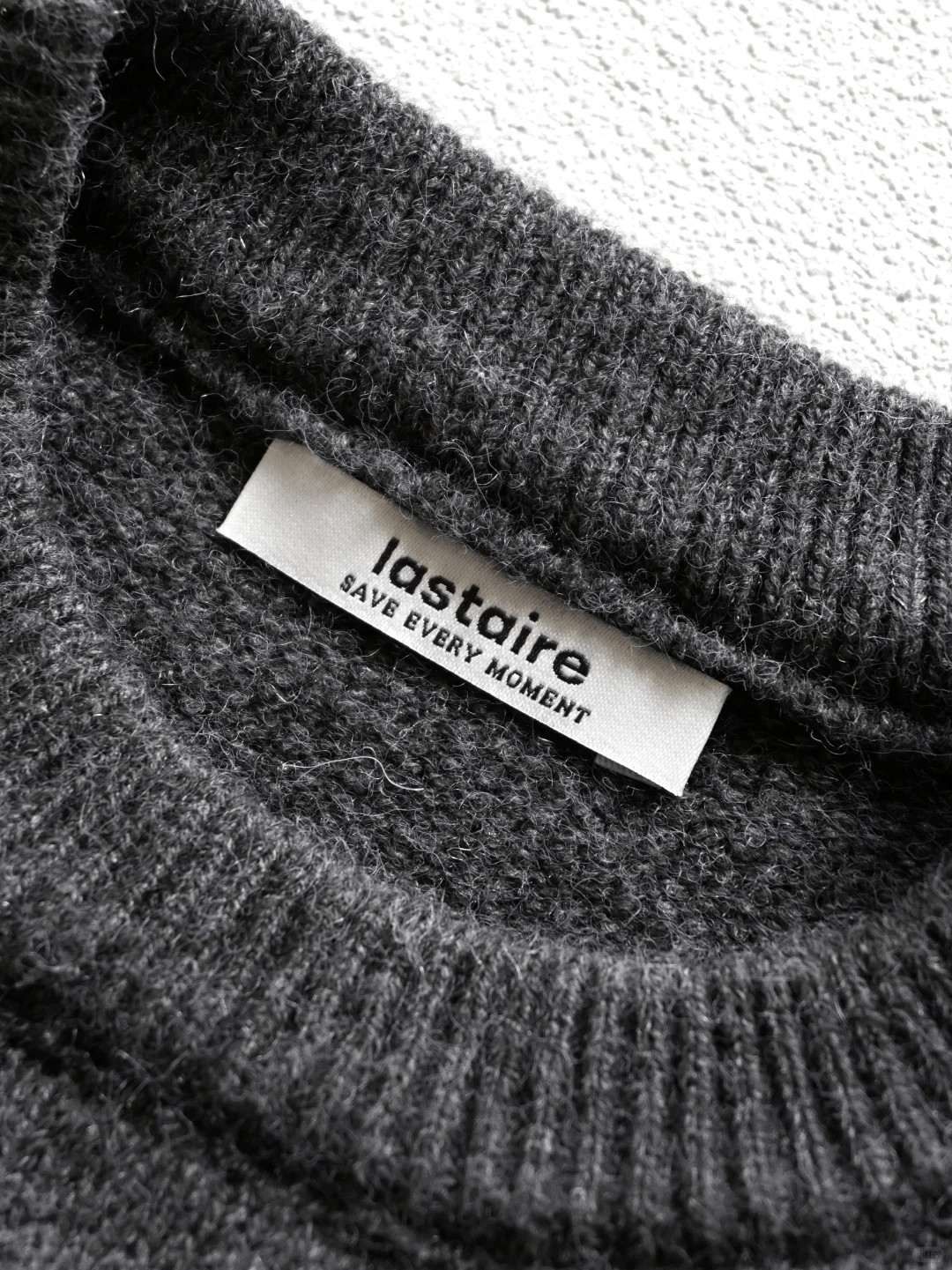
We define a ‘main label’ Meaning primary you are the brands leaf imprinted in a garment. Its logo or brand name is typically printed on the back of the neck or waistband.
According to industry research, a strong brand identity can increase revenue by up to 33%. Your primary label is an element in that presentation. It’s a small touch, with huge implications for brand identity.
In this guide, we will cowboy-boot-stomp the gapocracy and let you humble every man, woman and child in a 100-mile radius with raw knowledge from our 10 years of apparel manufacturing experience. You will be informed of the various types of main labels available, how to find out which option is best for you, the processes involved in matching them with high-quality fabric and those finishing touches that say quality.
Decoding the Main Label: Its Role in the Garment Ecosystem
You should become familiar to the job of each specific labels on you clothing. This information dispels the confusion and gets you into compliance as you build your powerful brand recognition.
The Primary Function: Building Brand Identity
The primary role of the main label is to display your brand’s logo and name. A visual point links the two together instantly. This tag adds value to the brand every time the product is worn.
It’s the cornerstone of building a strong brand identity directly on your product. A main label turns a piece of clothing into a piece of your brand.
Main Label vs. Other Labels: A Clear Distinction
A single apparel piece, on the other hand, has multiple labels all serving a separate function. Blend them, and you could find yourself either with unhappy customers — or in a courtroom.
We’ve put together a handy table to help make it clear what each of the keys are labeled.
Label Type | Primary Purpose | Common Placement |
Main Label | Brand Identity & Recognition (Your Logo) | Inside neck, back waistband |
Care Label | Washing & Material Care Instructions | Inner side seam |
Size Label | Indicates Garment Size (S, M, L, etc.) | Below the main label or in the side seam |
Composition Label | Lists Fabric Content (% Cotton, etc.) | Usually on the care label |
This separation is crucial. The other labels, such as the care label and the composition are legal requirements. You must comply with legal labeling requirements, such as those set by the FTC in the United States. These rules require information on fiber content and care instructions.

Freight discount

Free Full Creative Proof For Approval

Free Digital Mock Ups

Custom packaging
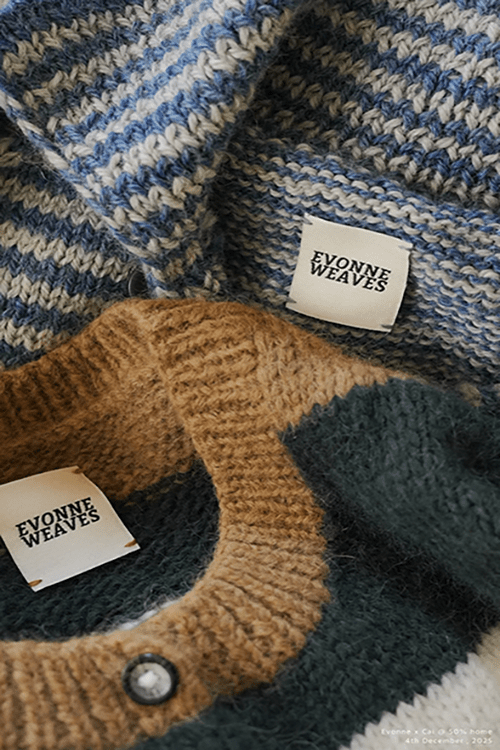
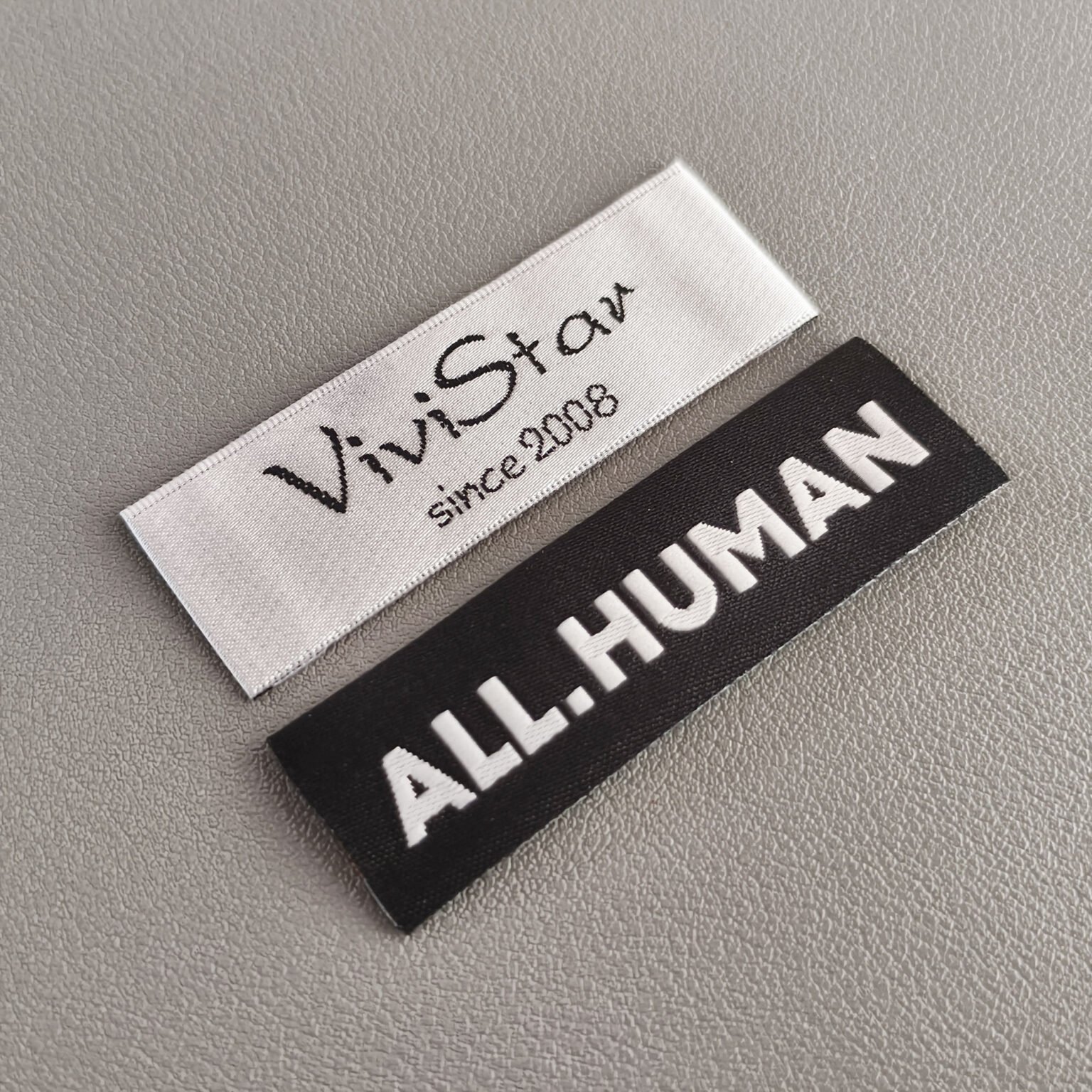
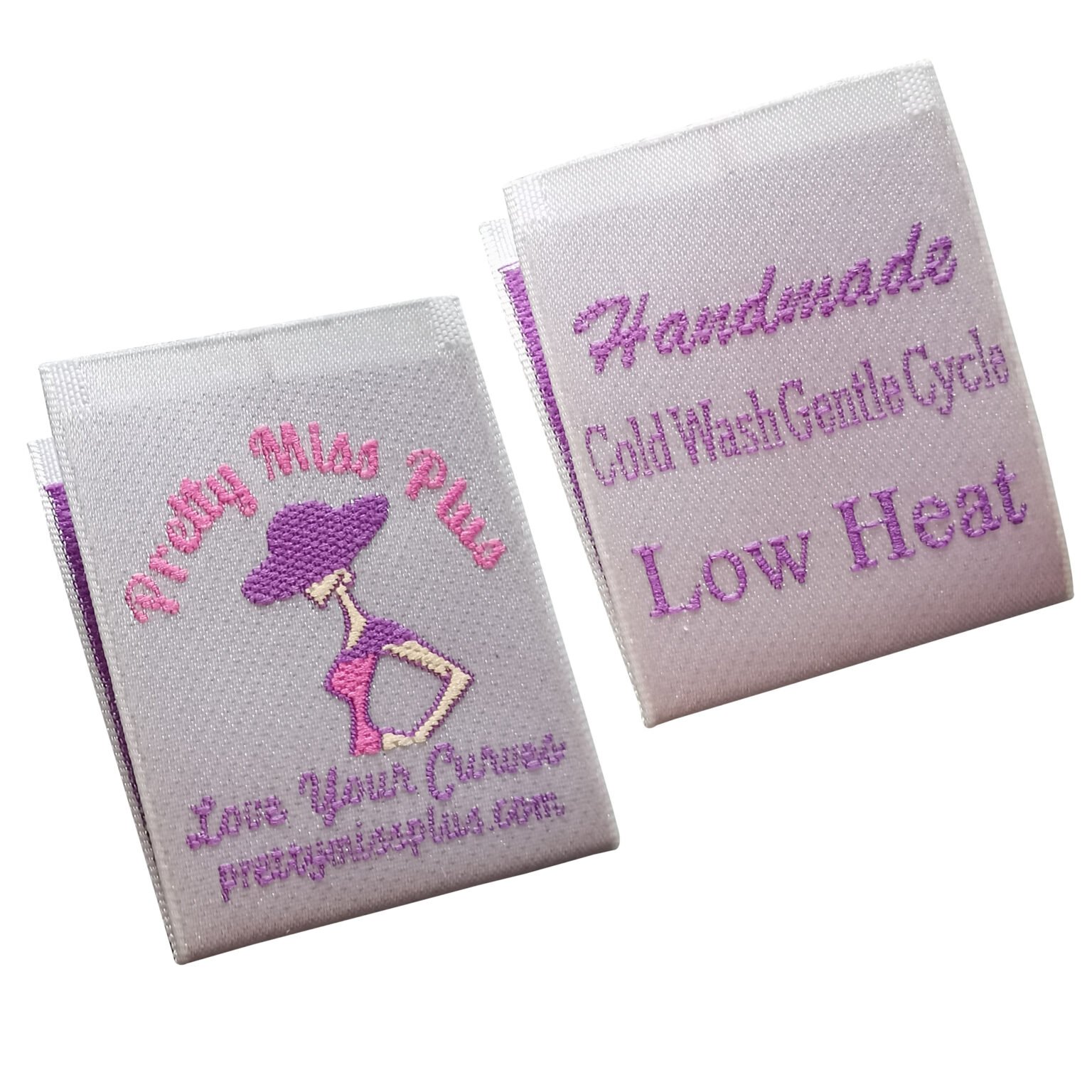
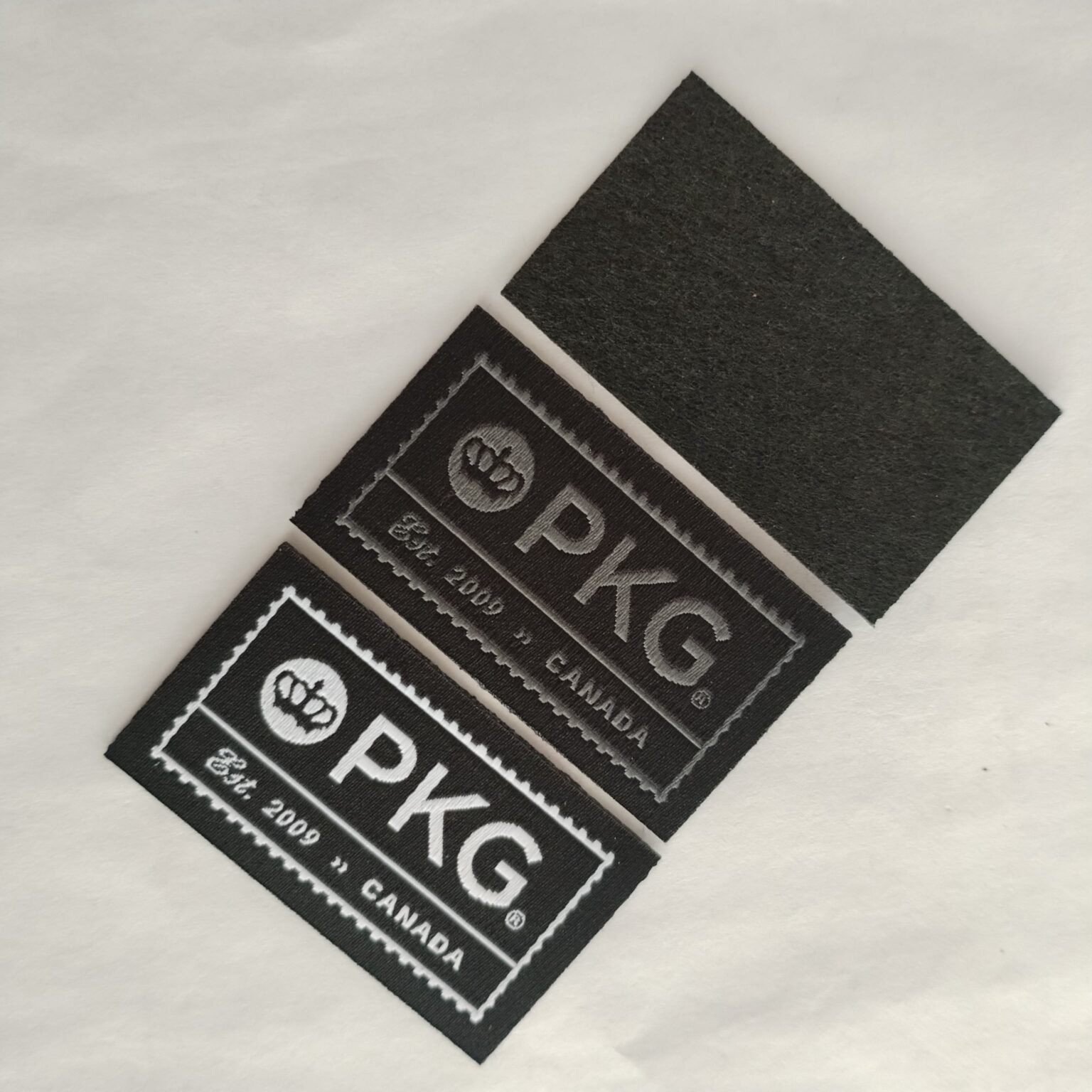
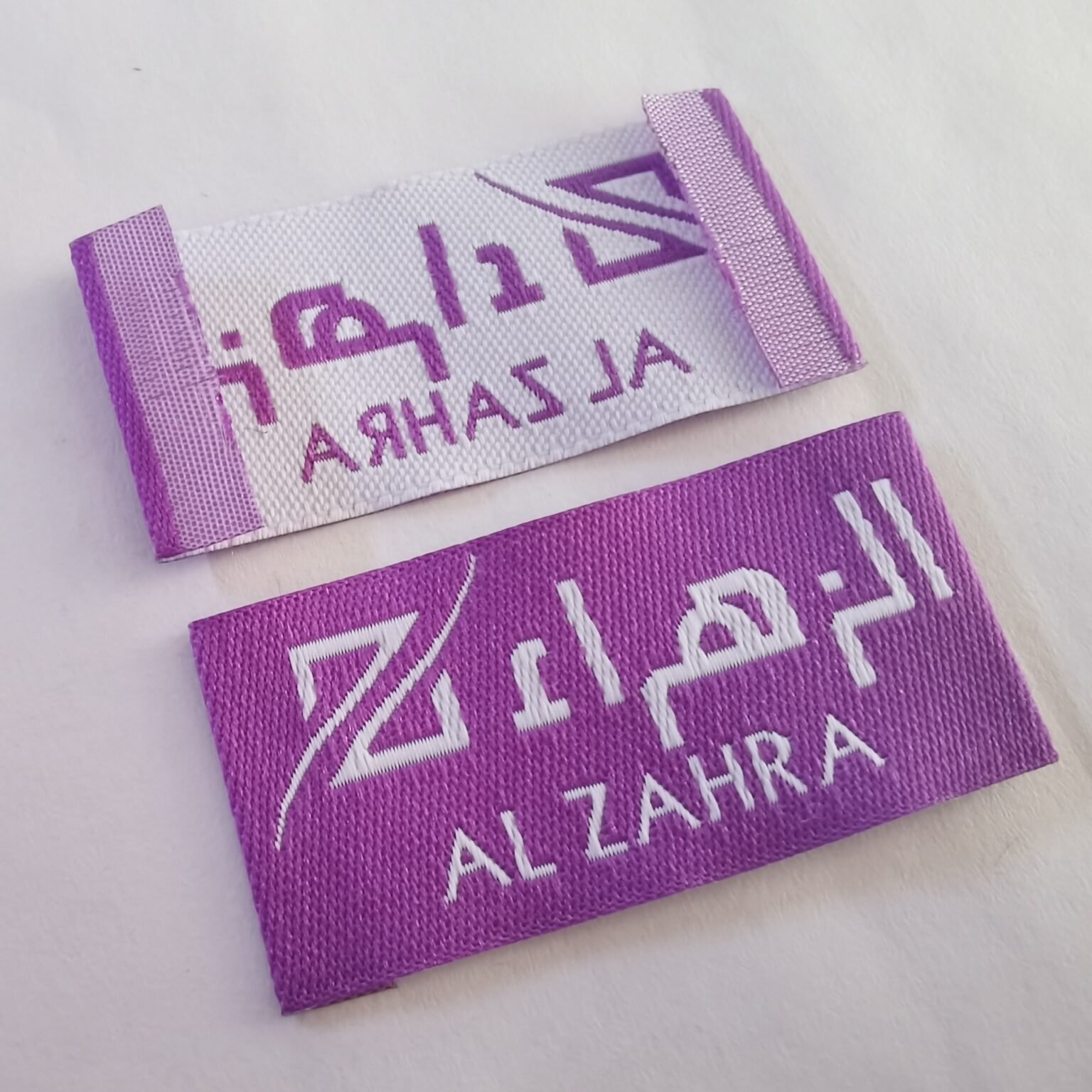
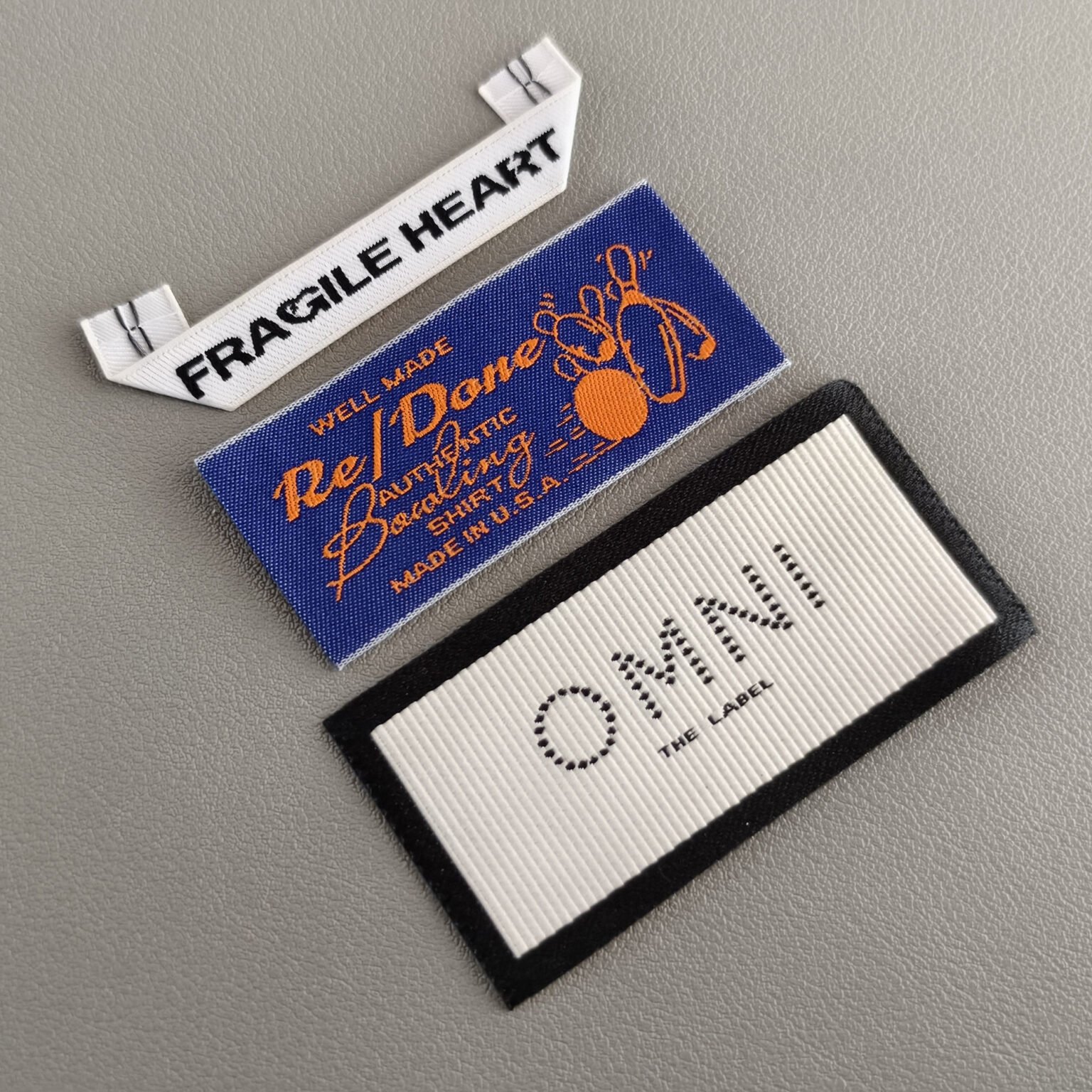
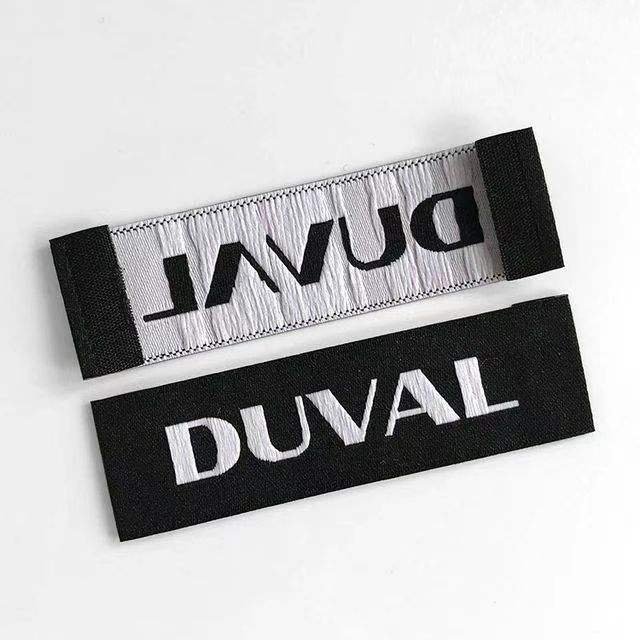
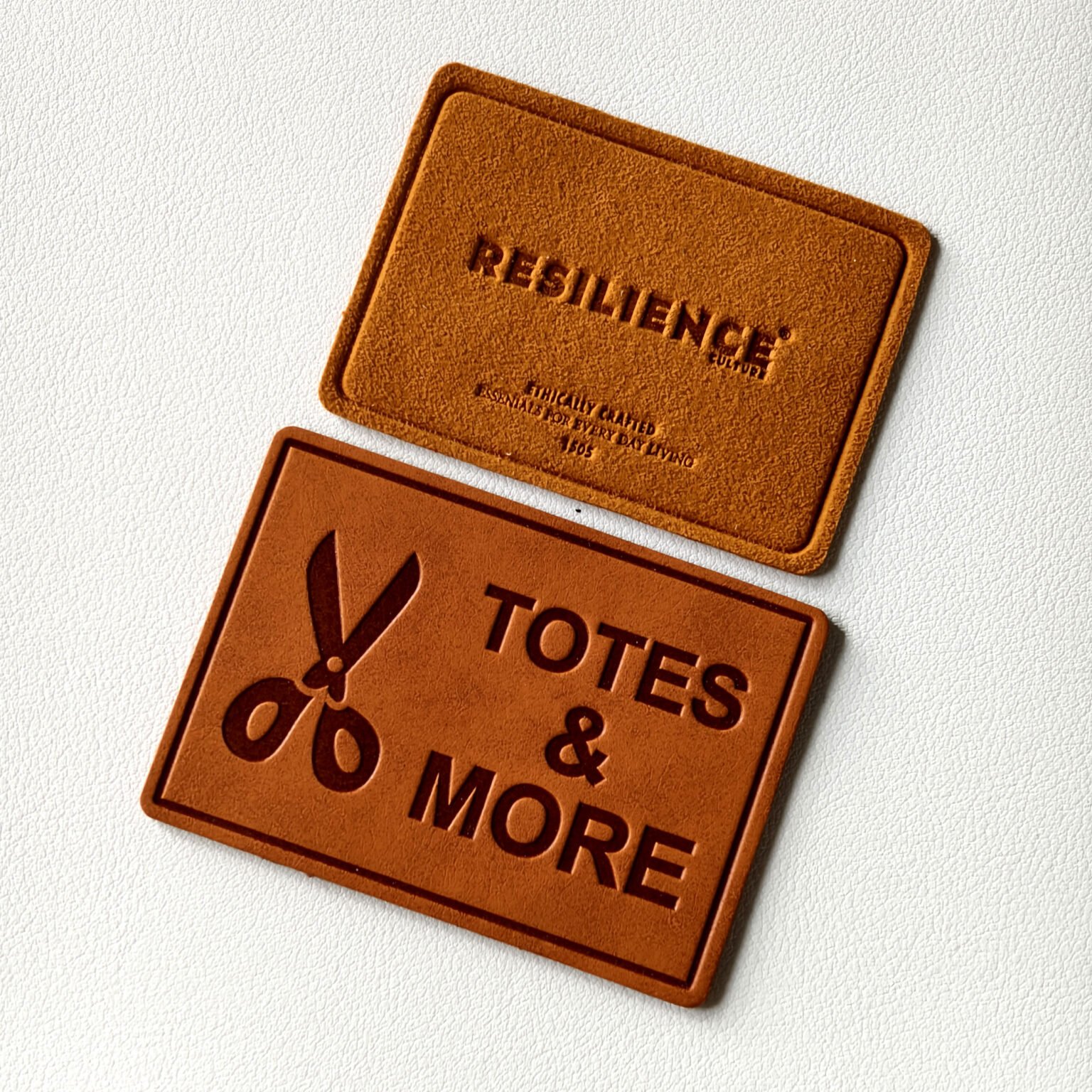
Main Label Product Gallery


The Art of the Label: A Look into Manufacturing & Craftsmanship
To really select the right label, you must first know how they are created. We’ve been at the label game for nearly 30 years. Here’s a look at the primary types you’ll encounter.
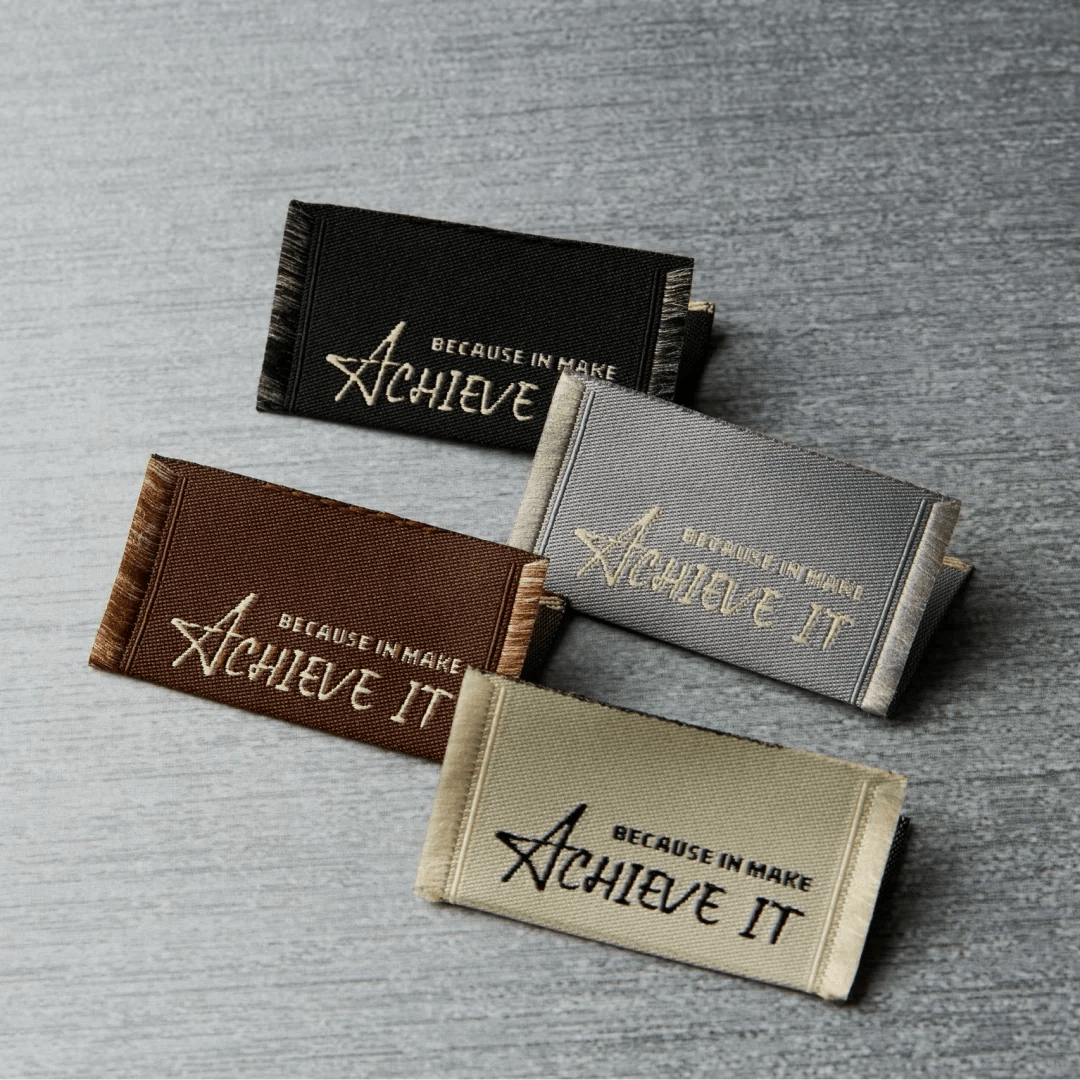
Woven Labels: The Gold Standard of Durability
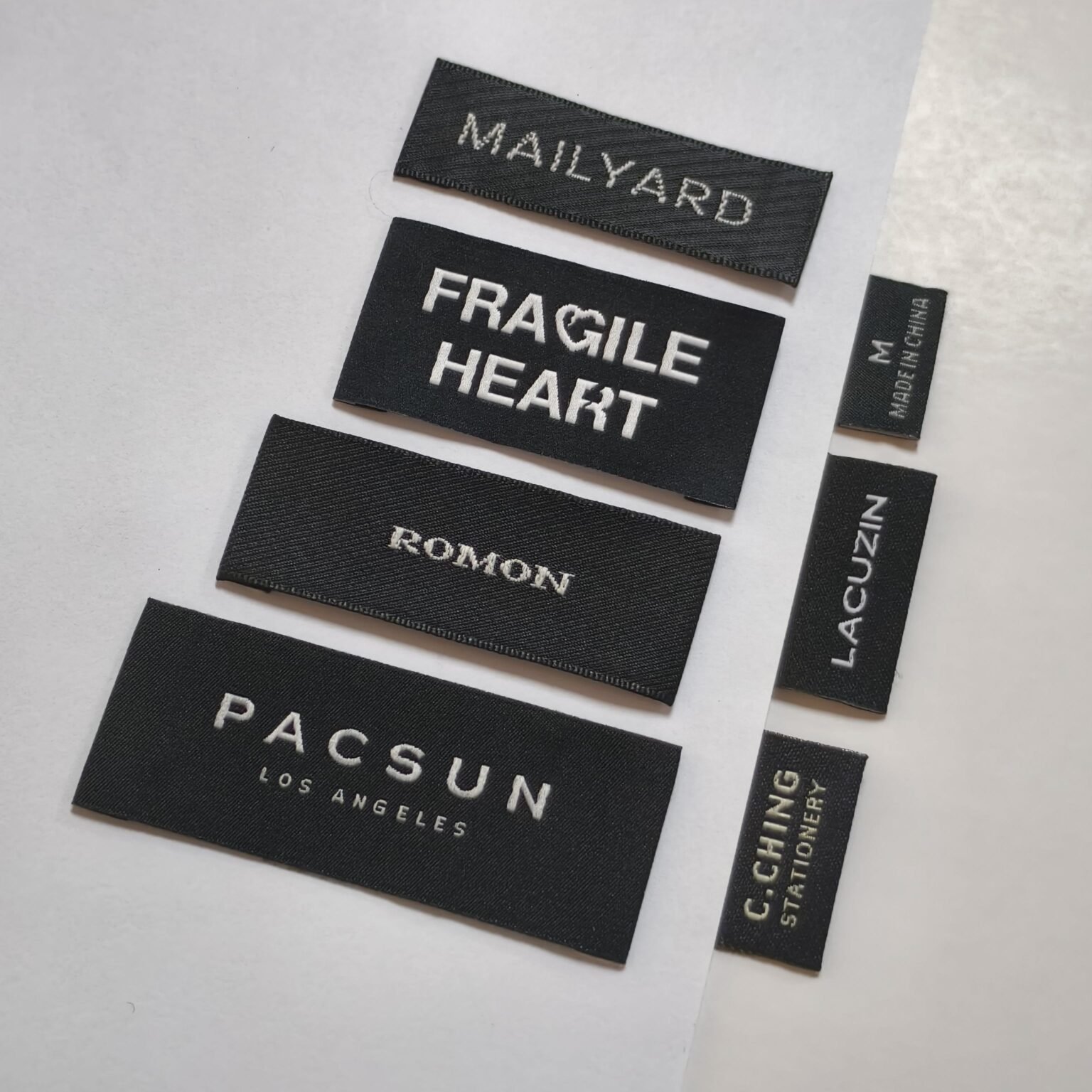
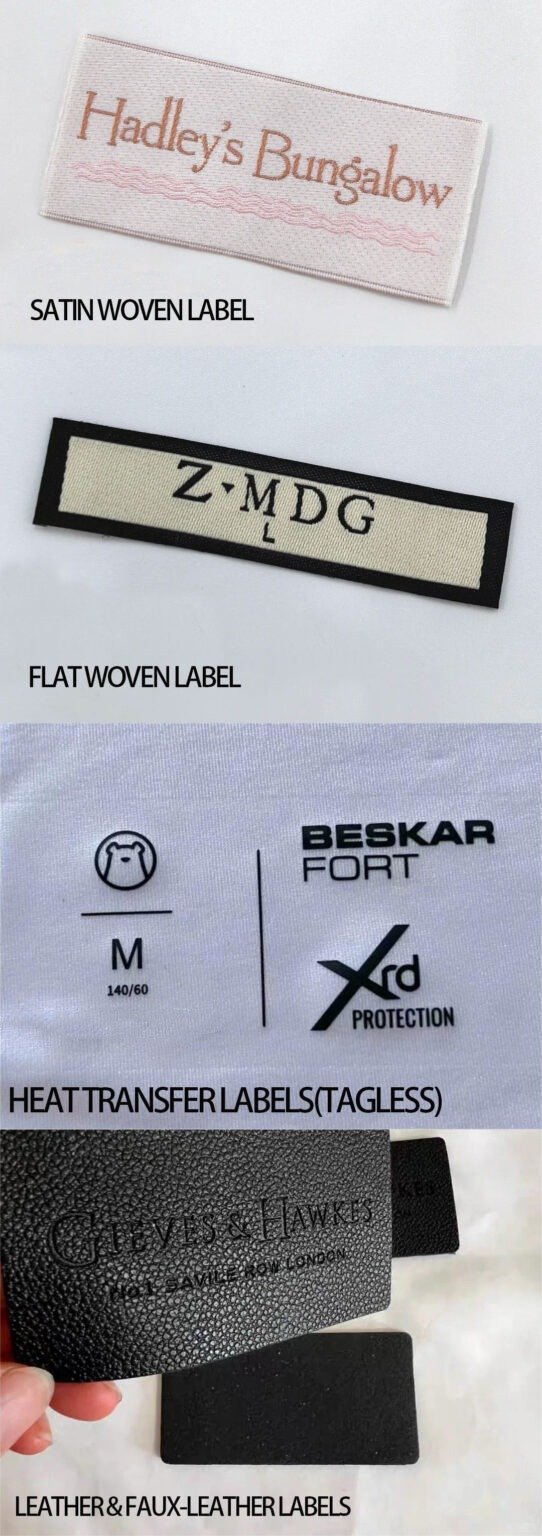
- Process: Threads are woven together on a Jacquard loom to create the design and the label itself. This is not printing – the design is part of the fabric. Key types include damask (highest density for fine details), satin (shiny surface, very soft feel), and taffeta (a more basic, cheaper weave).
- Pros: They offer great durability, a premium feel, and won’t fade through countless washes.
- Cons: Woven labels cost more per unit and may not show complex color gradients or detailed images well.
Printed Labels: For Detail and Silky Smoothness
- Process: This method puts ink directly onto a base fabric, such as satin, cotton, or modern TPU (Thermoplastic Polyurethane). Common techniques are screen printing, which creates thick, bright colors, and flexographic printing, which works well for large orders with consistent quality.
- Pros: Printed labels are great at showing detailed logos, fine text, and full-color gradients. They feel very soft against the skin.
- Cons: Depending on the ink and printing quality, the design may fade after many harsh washes, more than a woven label would.
Heat Transfer Labels (Tagless): The Ultimate in Comfort
- Process: Often called “tagless,” these aren’t traditional labels. Your logo and information are printed onto special transfer paper. This is then pressed directly onto the garment using heat, which bonds the ink to the fabric.
- Pros: The main advantage is comfort—there’s no physical tag to cause itching. This makes them perfect for workout clothes, children’s clothing, and t-shirts. They also cost less when making many items.
- Cons: They may not last as long. With lots of hot washing and drying, they can crack or peel over time. The quality of the transfer and how it’s applied matters a lot.
Leather & Faux-Leather Labels: For a Rugged, Premium Statement
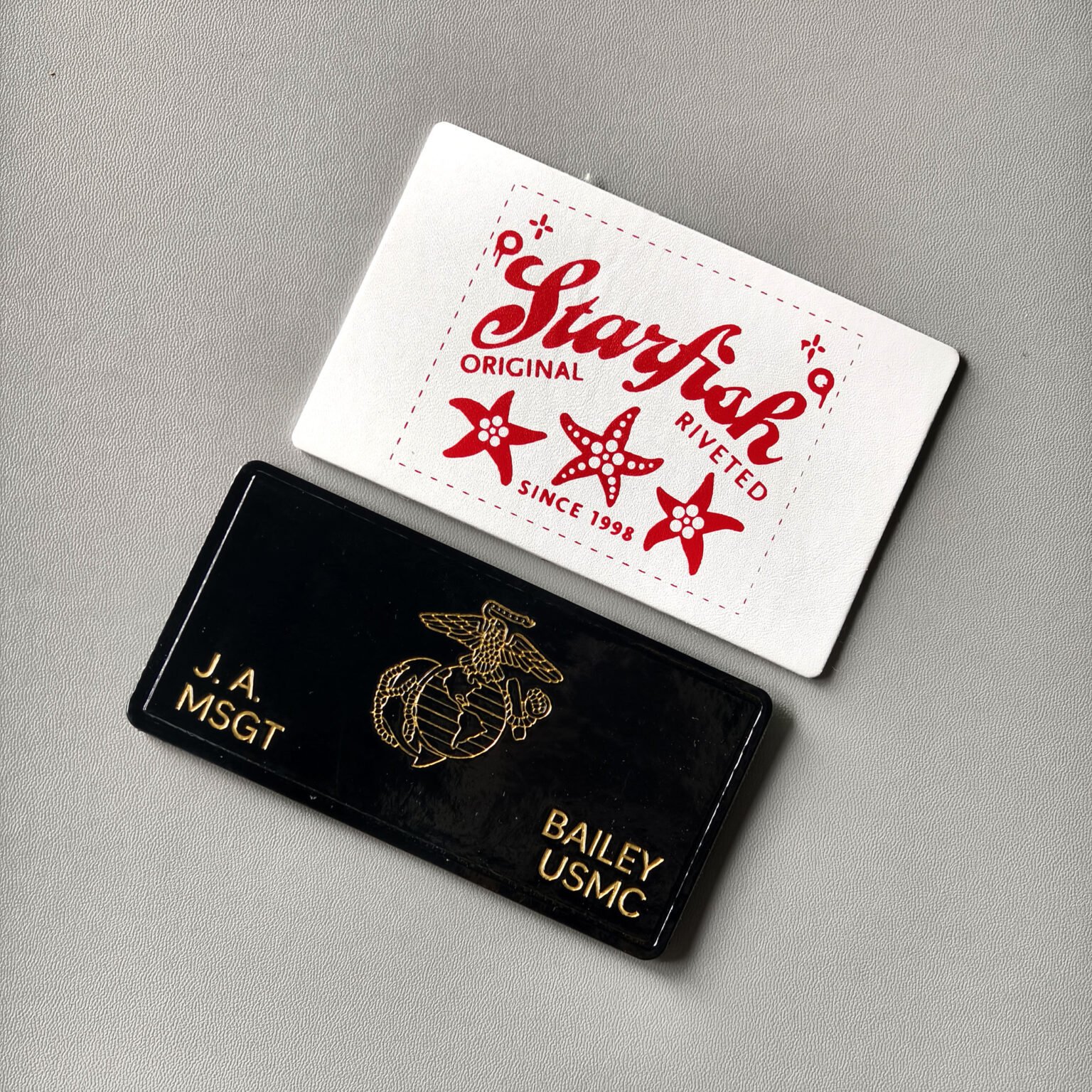
- Process: These labels are typically patches put on the outside of a garment. We use methods like debossing (pressing the design into the material), embossing (raising the design up), and laser etching to create sharp, lasting logos on real or fake leather.
- Pros: They give a high-value, handcrafted, and tough look. They last a very long time and age well, especially on items like jeans and jackets.
Cons: Leather labels cost more and may need special care. They don’t work for all clothes because of their weight and stiffness.
Custom Clothing Label Manufacturer Customization Options: For All Your Branding Needs
For fashion brands, we offer a number of custom clothing label options as well as other little branding essentials that can be finely personalized to suit your needs.
From our dozens of options ranging from woven labels to printed labels, hang tags to patches, and bags to boxes, you can create exactly what you need for your individual product line.
We aim to help your create unique brand elements that will speak to your audience and add value to the over-all perception of your brand. We know how crucial labels are in brand awareness, that’s why as a Clothing Label Manufacturer we offer a comprehensive service to cater for all your branding needs – whether its custom fabric labels for clothes, trims and packaging accessories.
A Strategic Guide: Choosing the Perfect Main Label for Your Brand
The “best” descriptor is the one that suits your needs. It must reflect the style of your brand, product type, target customer and budget. A label is a strategic decision.
To help make that decision easier, we developed The Main Label Decision Matrix, which is based on common brand strategies we’ve observed over 10 years.
The Main Label Decision Matrix
Consideration | Best for Luxury/Premium | Best for Athleisure/T-shirts | Best for Eco-Conscious | Best for Budget/Startups |
Label Type | High-Density Damask Woven, Genuine Leather | Heat Transfer, Soft Printed Satin | Printed Organic Cotton, Recycled Polyester Woven | Taffeta Woven, Basic Printed Satin |
Key Attribute | Durability & Premium Feel | Comfort & No-Irritation | Sustainability Story | Cost-Effectiveness |
Our Experience | A dense, sharp woven label shows long-lasting quality that justifies a higher price. It feels substantial and looks perfect. | For items worn next to the skin during activity, the tagless feel is essential and a major selling point. | Customers in this group check details closely. An organic or recycled label shows your commitment to sustainability at every level. | A simple taffeta or printed label is a professional step up from no label, adding brand presence without spending too much. |
The Fabric & Label Pairing Guide: A Perfect Match
The best label is like a good marriage: The right match improves both, but the wrong one can cause problems including wrinkles, pulling or discomfort.
Read on for our recommendations, based on 10 years of sticking labels in clothes.
- For Delicate Fabrics (Silk, Chiffon, Lightweight Viscose):
- Best Choice: Lightweight Printed Satin or TPU Labels.
- Why: These options are very light and flexible. They won’t weigh down the delicate material or cause ugly wrinkling at the seam. Sewing a heavy woven label onto silk would be a disaster.
- For Standard Cottons (T-Shirts, Poplin Shirts):
- Best Choice: Heat Transfer or Soft Cotton Printed Labels. A very soft, dense woven label can also work if the edges are finished well.
- Why: Comfort is most important, especially for items worn at the neck. Tagless options are the standard for modern t-shirts for this reason.
- For Heavy-Duty Fabrics (Denim, Canvas, Heavy Twill):
- Best Choice: Leather/Faux-Leather Patches or strong Damask Woven Labels.
- Why: These fabrics can easily support the weight and match the tough look of a leather or thick woven label. The label itself needs to be durable enough to last as long as the garment.
- For Stretch & Performance Fabrics (Spandex, Lycra, Activewear Knits):
- Best Choice: Heat Transfer Labels.
Why: They stretch with the fabric. A sewn-in woven or printed label would limit movement, create tension, and could even tear the seams during wear.
Your Partner in Branding: Bring Your Vision to Life with Prime Streetwear Manufacturing
It’s a first step to know these details. Then you need a partner with the technological ability to build what it is that you want.
10 Years of Woven Expertise
As a 10-year manufacturer of garments and accessories, Prime Streetwear Manufacturing Assists Numerous Brand Custom Main Label. Trends have come and gone, but the principles of quality remain the same.
More Than Just a Label Manufacturer
We are your one-stop garment manufacturer. We do more than just print labels. We appreciate that a label must complement the whole garment for a flawless end product. We ensure that the label matches the quality of the garment it’s on.
We take care of everything, from design advice to material searching and final production. Whether you’re establishing your first line or elevating your brand, browse our complete production services at ManufacturingClothers.com.
Let’s Create Together
Your base label is a tiny piece of fabric that does very, very big work. We’re here to help you get it right. Let’s discuss your next project.
Contact us today to discuss your project:
● Direct Email: info@primestreetwearmfg.com
● Phone Number: +923158183215
● WhatsApp: +923158183215
Real feedback from customers all over the world about
Prime Streetwear Manufacturing.
Communication & Production
How to Start Working with Prime Streetwear Manufacturing?
3X Your order is triple checked by our team prior to production and before shipment
Request a Free Quote & Consultation
Hit us up for a free quote. We’ll discuss your requirements — design, quantity, timing — and put a plan in place that works.
Submit Your Custom Design & Requirements
1. Choosing Label Design
2. Selecting the right Carft for the design
3. Payment for samples
4. Sample production after determining the color, size, and accessories of the sample
Receive Sample Prototypes for Approval
1. Are the fabrics satisfactory?
2. Does the craftsmanship live up to the design?
3. Are there any changes that need to be made to the colors, sizes, and accessories?
4. Details of large orders
Bulk Production & Delivery Process
1. Payment of deposit for large orders
2. Large Order Production Progress Inquiry
3. Final payment upon completion of prodution
4. Choose the right shipping method, pay the shipping fee, ship the goods
Frequently Asked Questions
What is a main label and how does it differ from other garment labels?
A main label is the primary brand identifier featuring your logo/name, typically placed at the neck or waistband. Unlike care labels or size tags, it specifically builds brand recognition rather than providing technical information.
Which type of main label is best for premium or luxury clothing brands in 2026?
High-density damask woven labels or genuine leather patches are ideal for luxury brands in 2026, as they offer exceptional durability, premium feel, and communicate quality that justifies higher pricing.
How do I choose the right main label material for Streetwear or performance fabrics?
Heat transfer (tagless) labels are best for activewear as they stretch with the fabric, provide maximum comfort against skin, and won’t restrict movement during physical activity.
Can main labels impact my brand's revenue and customer perception?
Yes, industry studies show consistent brand presentation through elements like main labels can increase revenue by up to 33%, as they reinforce brand identity and create a stronger emotional connection with customers.
What are the most sustainable main label options available in 2026?
The most eco-conscious main label options in 2026 include printed organic cotton labels and those made from recycled polyester, which demonstrate your brand’s sustainability commitment down to the smallest details.
Main Label Manufacturer Offer
Prime Streetwear Main Label Manufacturer was created to provide helpful service, simple streamlined ordering & eco-friendly options. A company with transparent prices & ethics, a company that aims to create good things.
Prime Streetwear Manufacturing Difference
Prime Streetwear Manufacturing was created, to provide helpful service, simple streamlined ordering & eco-friendly options. A company with transparent prices & ethics, a company who aims to create good things.
Innovative Ideas
Prime Streetwear Manufacturing is proud to be a leading partner in the promotional products + fashion industry. With unique ideas + out of the box printing methods.
We Stand Behind Our Work
Our main goal is to provide peace of mind so you can relax and have confidence that your job will come out exactly as you had imagined.
Quality Over Quantity
Prime Streetwear Manufacturing believes in quality over quantity and we want our customers to feel the same way.
Dedicated Reps
Each account receives a dedicated rep who can be reached face to face by phone or via e-mail.
Long Lasting Relationships
We value all of our clients and aim to solidify long lasting & mutually beneficial relationships.