

+92-315-8183215

info@primestreetwearmfg.com

+92-315-8183215

+92-315-8183215

info@primestreetwearmfg.com

+92-315-8183215

The Complete Guide to Reflective Trim for Apparel: A Manufacturer's Perspective

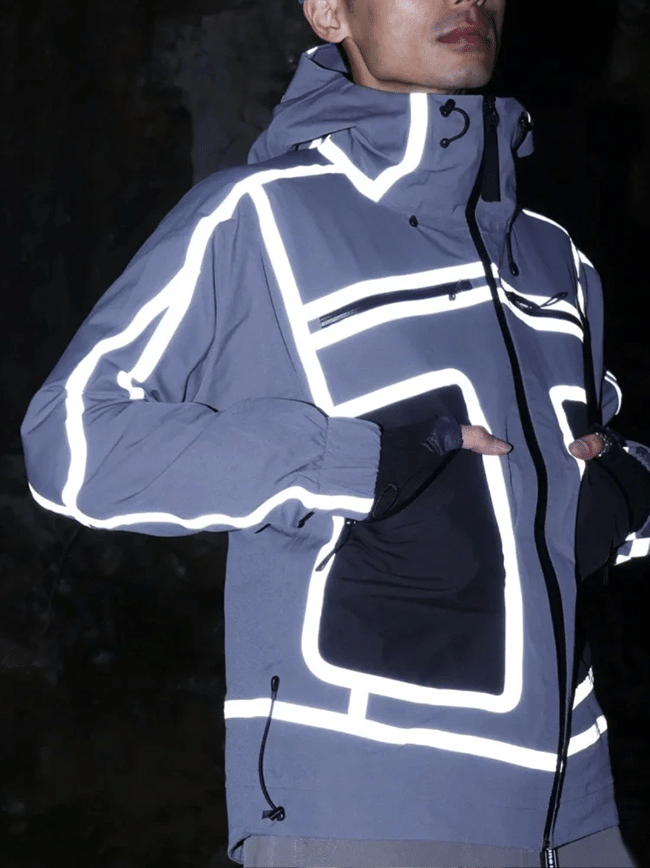
Not only a safety feature, reflective trim has become an essential element of both functional workwear and high-fashion streetwear. As part of Custom Clothing Accessories, it represents the perfect intersection of safety, style, and functionality.

Reflective trim is engineered to return light back toward its source—a scientific phenomenon known as retroreflection. Its primary purpose is to enhance the wearer’s visibility in low-light conditions, helping prevent accidents and even saving lives.

Originally reserved for firefighters and road workers, reflective trim has evolved into a fashion-forward detail seen on runways and in urban apparel.

In this guide, we cover everything from how reflective trim works to how to create flawless products, all informed by our 10 years of hands-on experience in clothing manufacturing and Custom Clothing Accessories.

How Does Reflective Trim Actually Work? The Science of Retroreflection

The first step to choosing the right material is to know how it works. Reflective trim utilizes a unique principle known as retroreflection.

Unlike a mirror that bounces light at an angle, or a white shirt that scatters it, retroreflective materials send light back directly to where it came from, like car headlights. Knowing how retroreflection works helps you see why it can save lives.

Two main types of technology are used in making clothes:

  • Glass Bead Technology: This is the most common and cheapest method. The trim has thousands of tiny glass balls. Light goes into each bead, bends, hits an aluminum backing, and bounces straight back.


  • Microprismatic Technology: This uses thousands of small prisms, like a cat’s eye. It is usually brighter than glass beads and is often used for high-end safety gear.


The way light returns is what makes retroreflection so good for visibility:

  • Mirror Reflection: Light bounces off at the same angle it hit. You only see the reflection at the perfect angle.
  • Diffuse Reflection (like a white t-shirt): Light scatters everywhere. Only a little bit returns to the source.
  • Retroreflection (Reflective Trim): Most light goes right back to the source, making the wearer look very bright to drivers or anyone with a light.

Freight discount

Free Full Creative Proof For Approval

Free Digital Mock Ups

Custom packaging
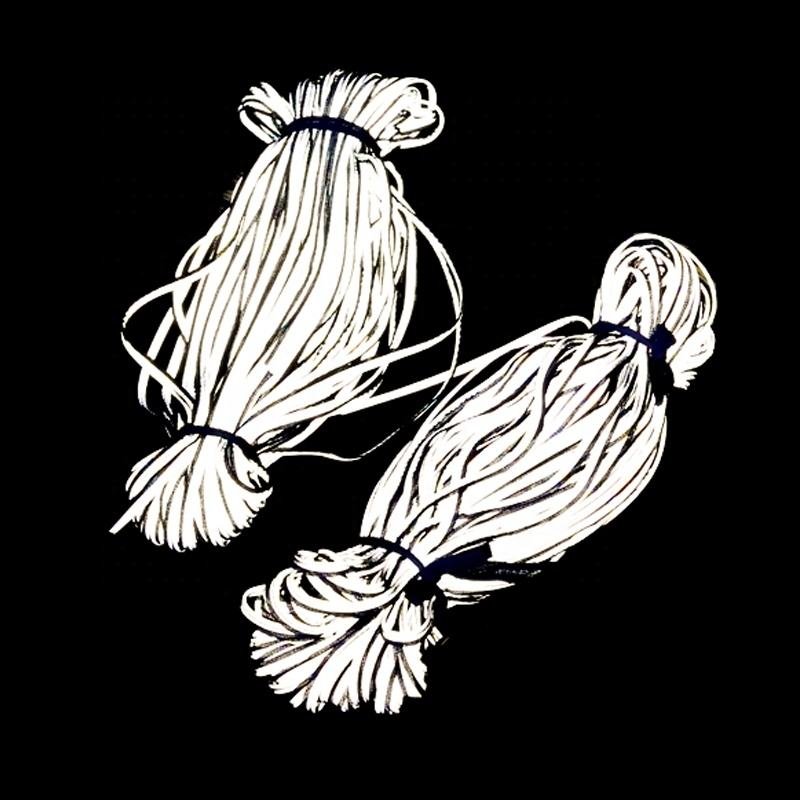
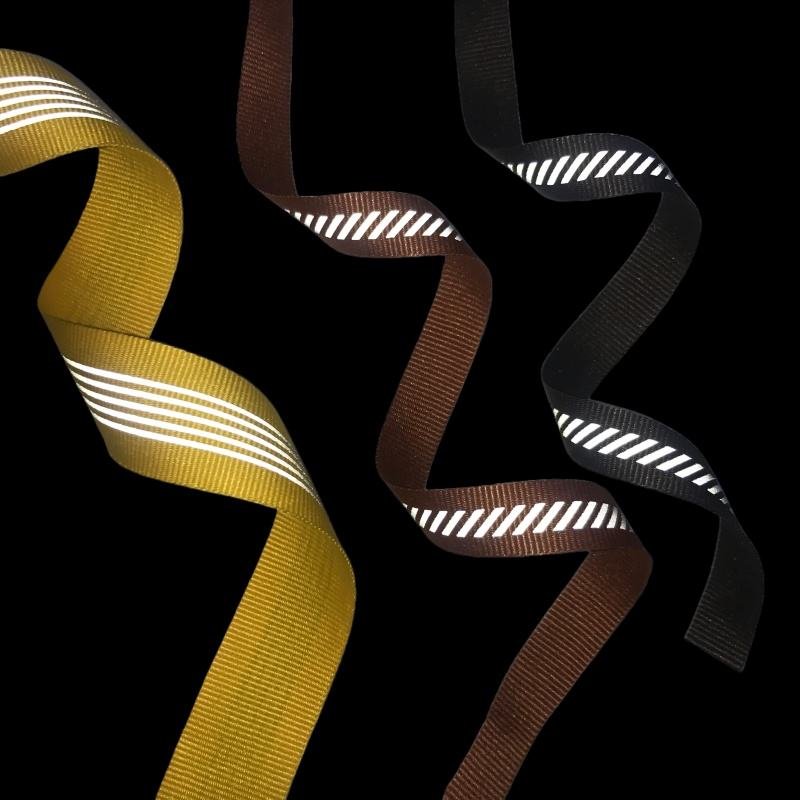
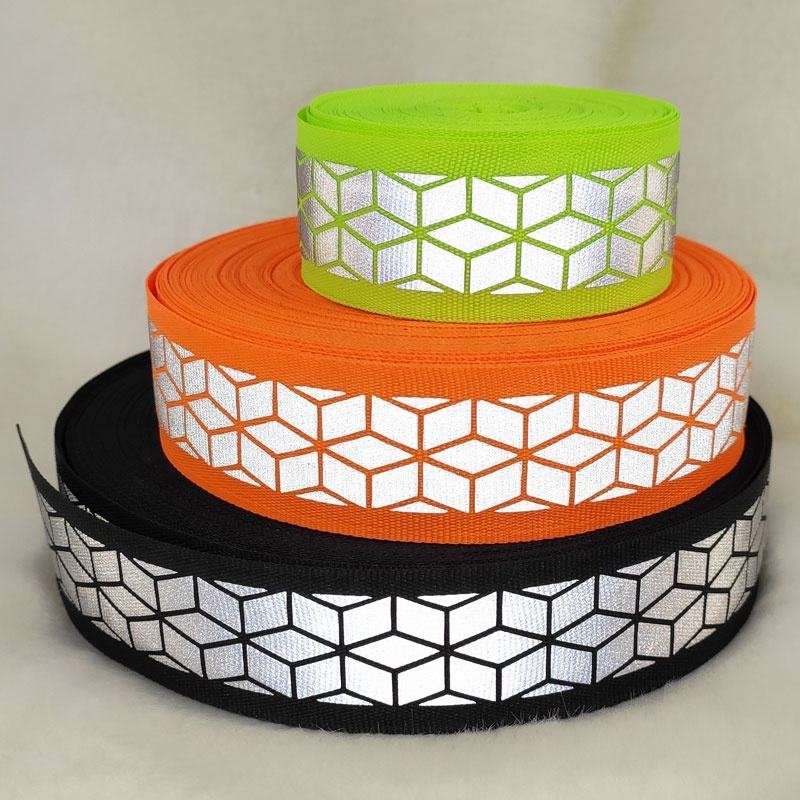
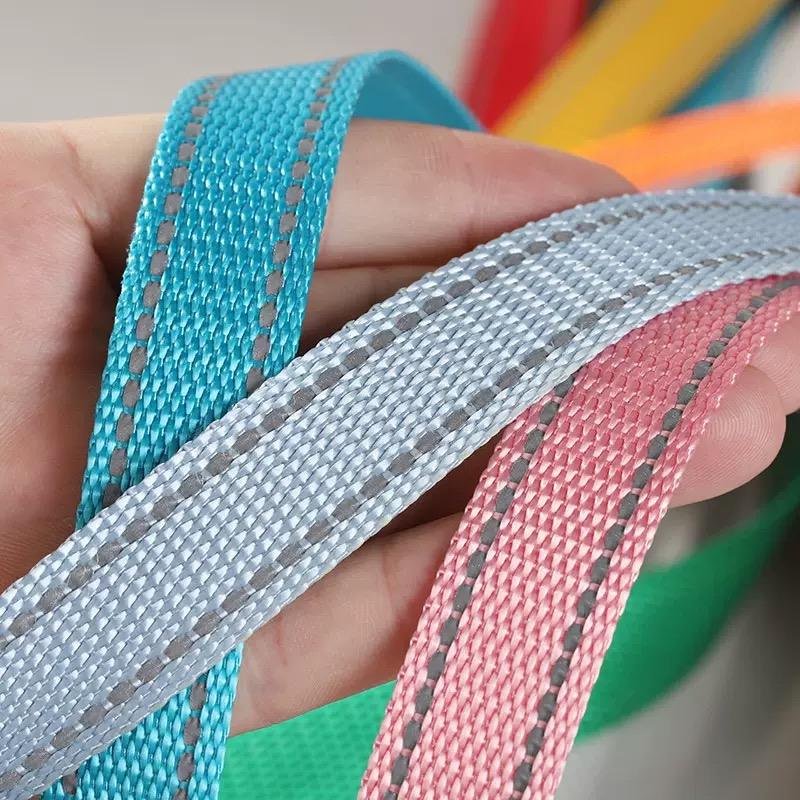
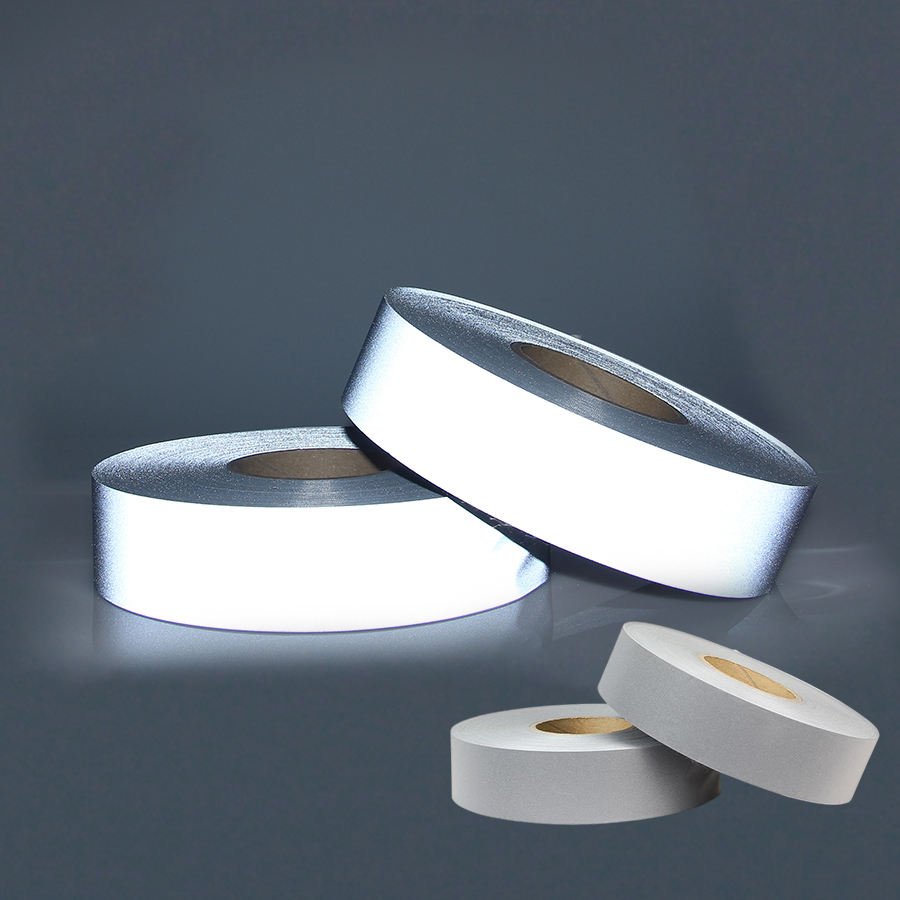
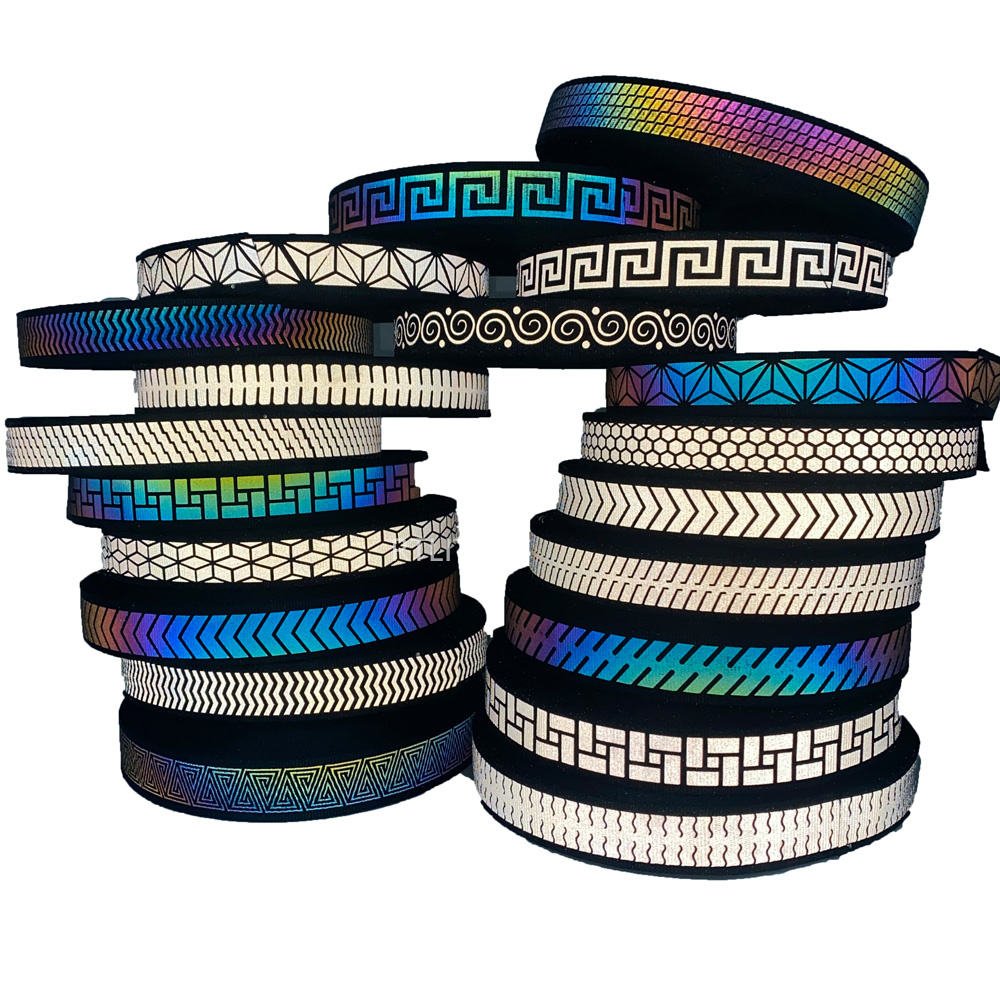
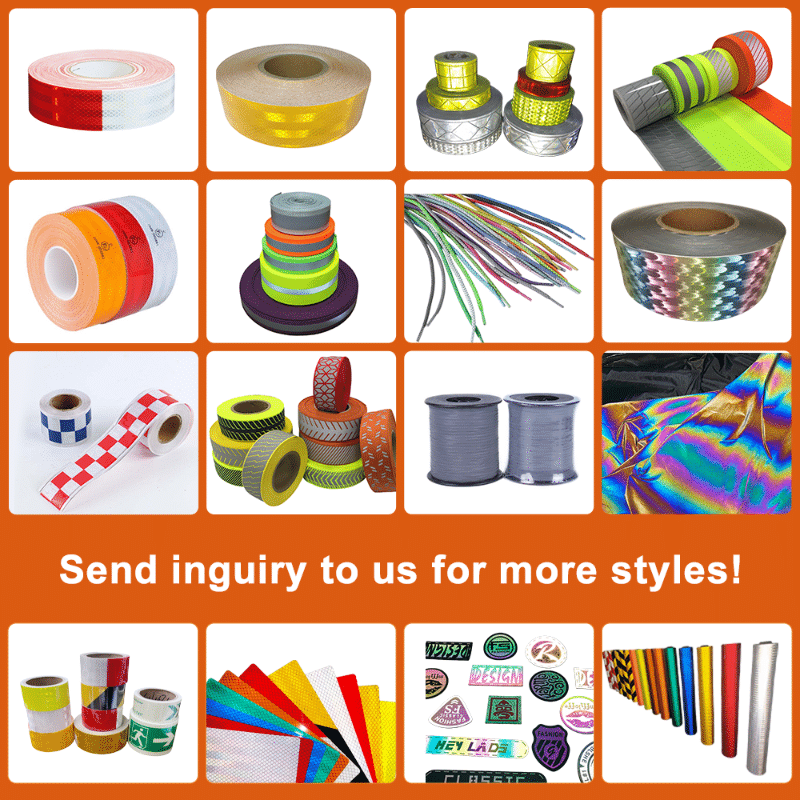
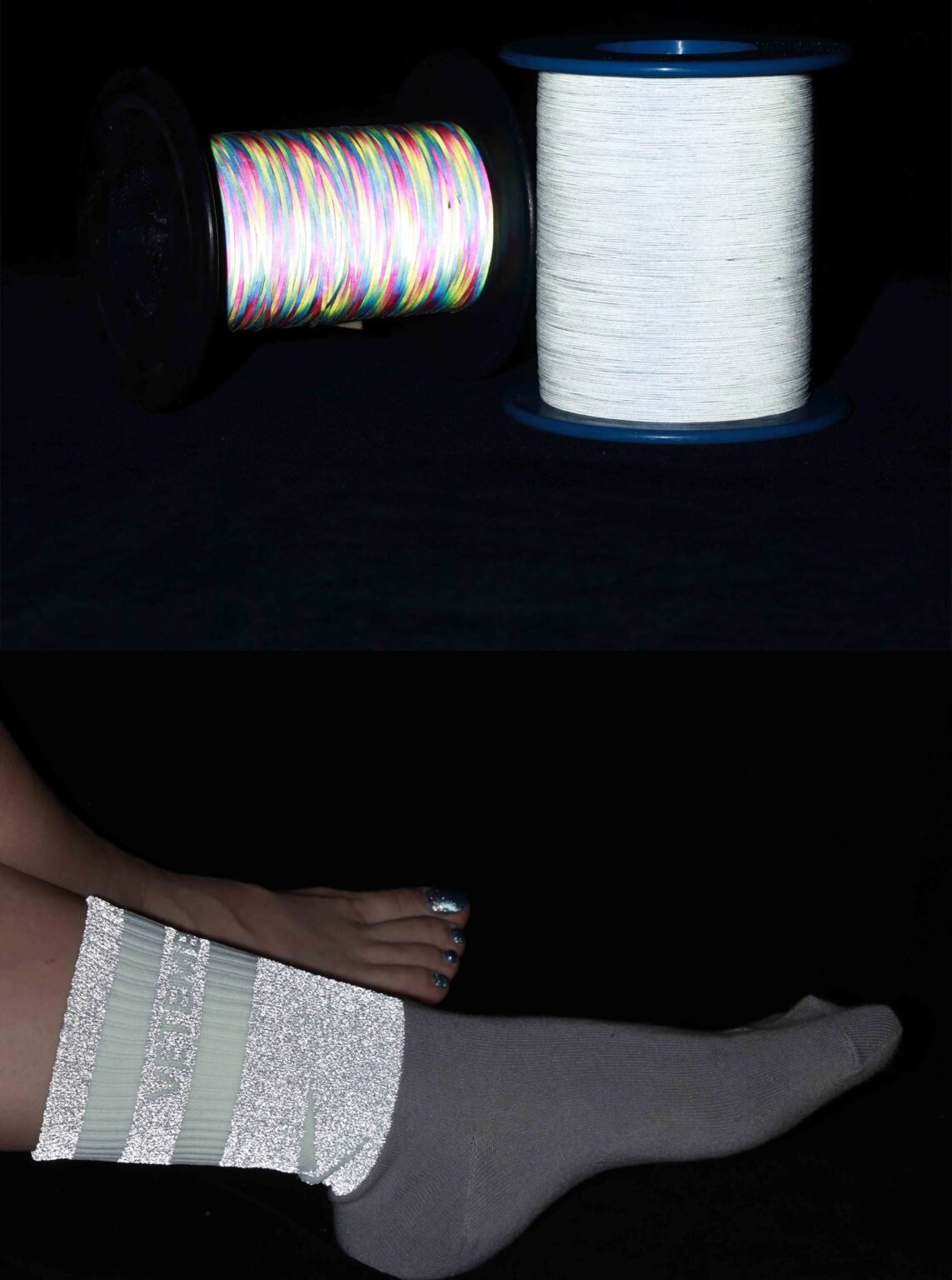
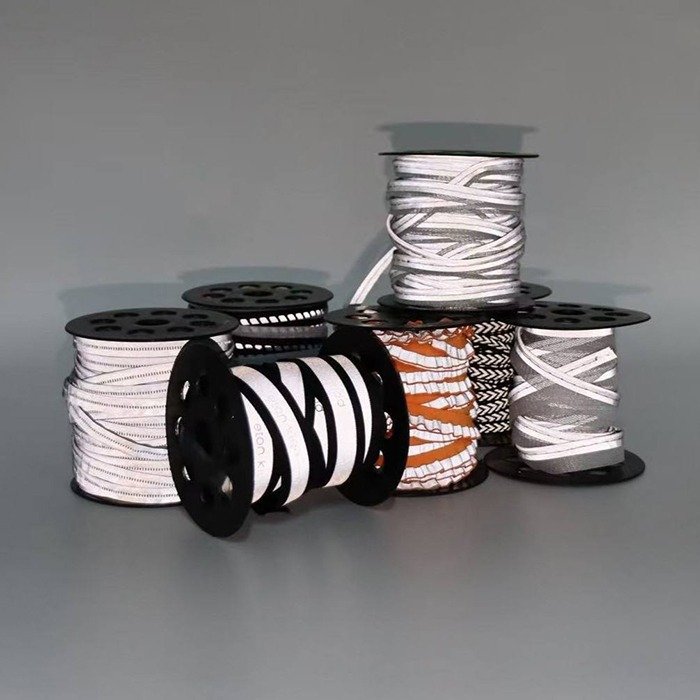
Reflective Trim Product Gallery

Types of Reflective Trim in Garment Manufacturing

Choosing the right trim for your product matters for both how it looks and how easy it is to make. Here are the main options we work with.

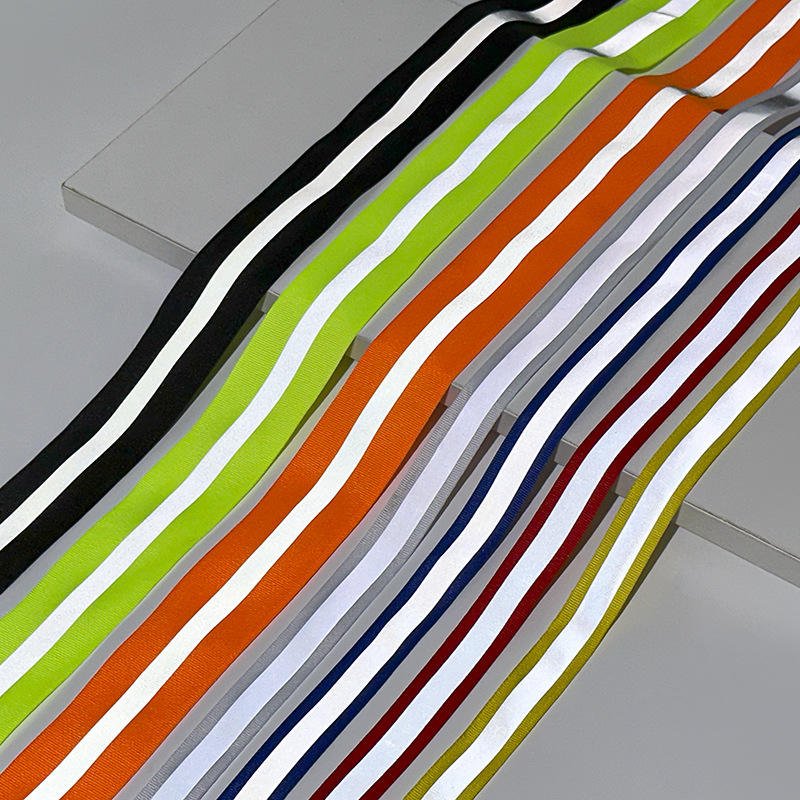
Sew-On Reflective Trim

This is a reflective tape with fabric backing that gets stitched onto the garment. It’s the standard choice in the industry.

  • Pros: Very durable, lasts through many washes, works well for heavy fabrics, and can be used on any fabric type.
  • Cons: Takes more work to apply than heat transfer, and the stitches can make a fabric less waterproof if the seams aren’t sealed.

Best For: Work clothes, firefighter gear, outdoor jackets, backpacks, and anything needing maximum toughness.

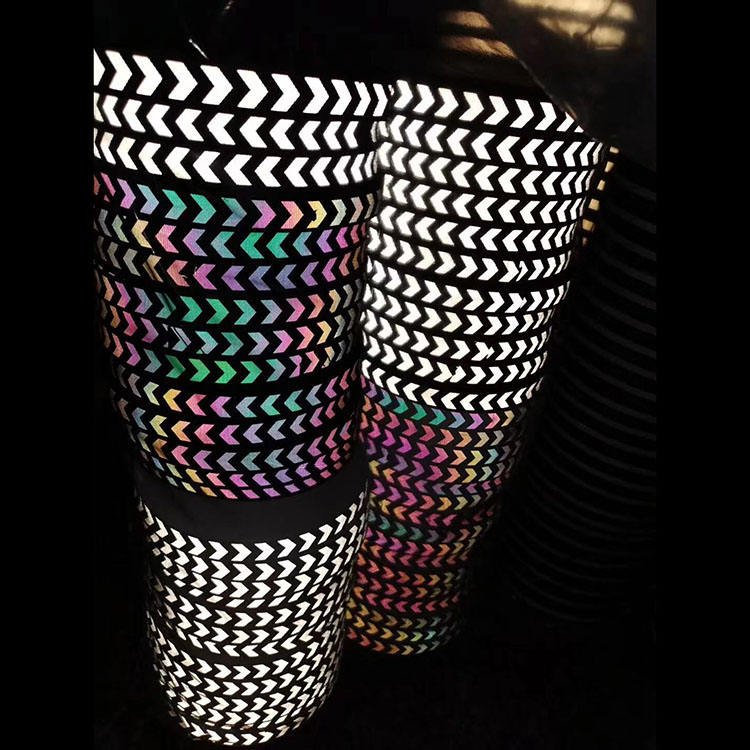
Heat Transfer (Iron-On) Reflective Trim

This trim has glue on the back that activates with heat. We apply it using a special heat press machine that controls temperature, pressure, and time.

  • Pros: Gives a smooth look with no stitches, bends with the fabric, and is faster to apply when making many items.
  • Cons: Needs exact settings to avoid damaging fabrics or poor sticking. Not all fabrics work well with it.

Best For: Sports clothes, workout gear, t-shirts, leggings, and fashion items where a smooth finish matters most.

Reflective Piping

Reflective piping is a thin cord of reflective material wrapped in fabric. It’s made to be sewn into a seam.

  • Pros: Adds a subtle, stylish reflective line along seams, making the garment’s shape stand out.
  • Cons: Can only be placed in seams, which limits design options compared to tape.

Best For: Outlining shapes on athletic wear, cycling jerseys, jackets, and bags for a clean look.

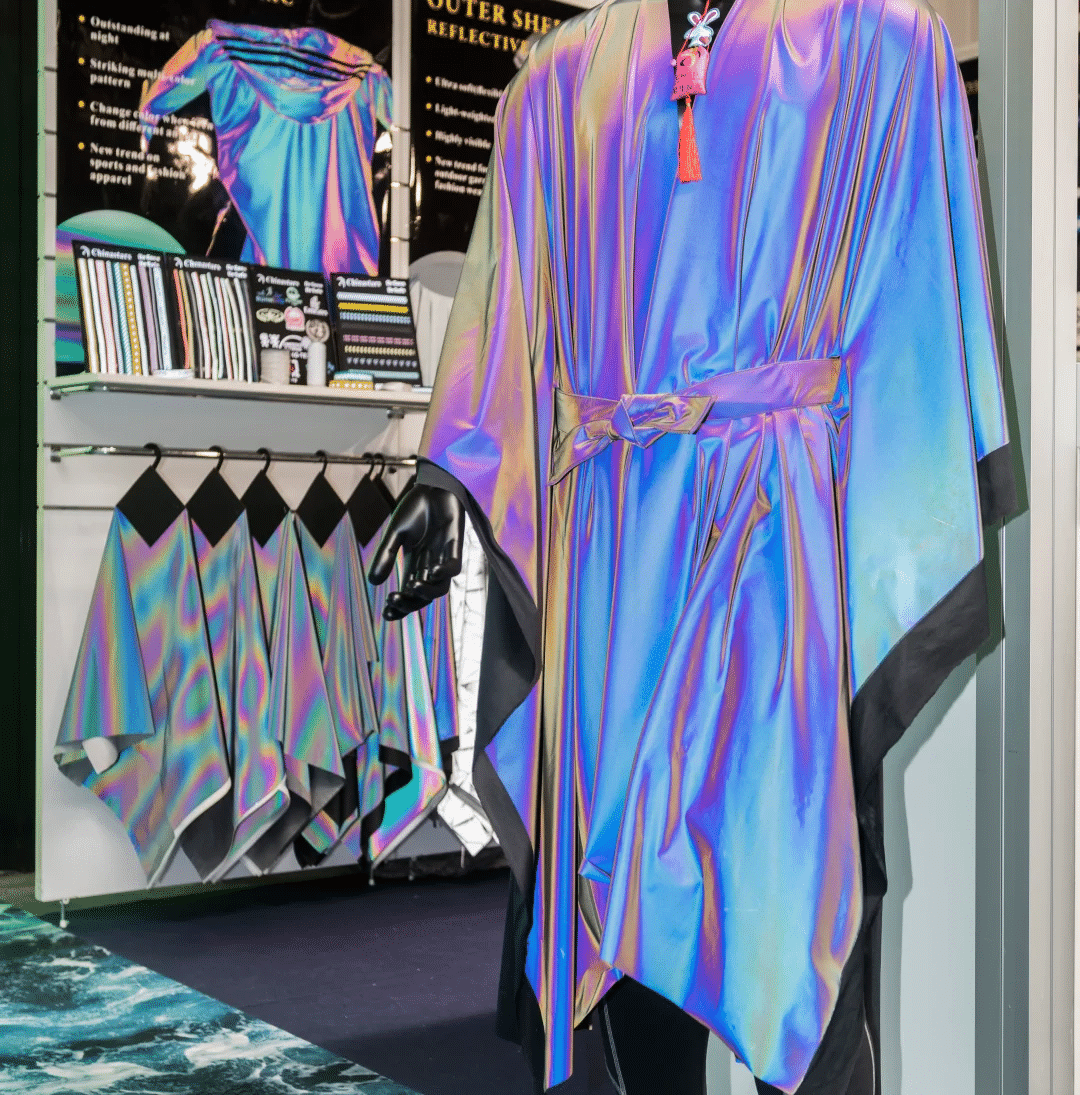
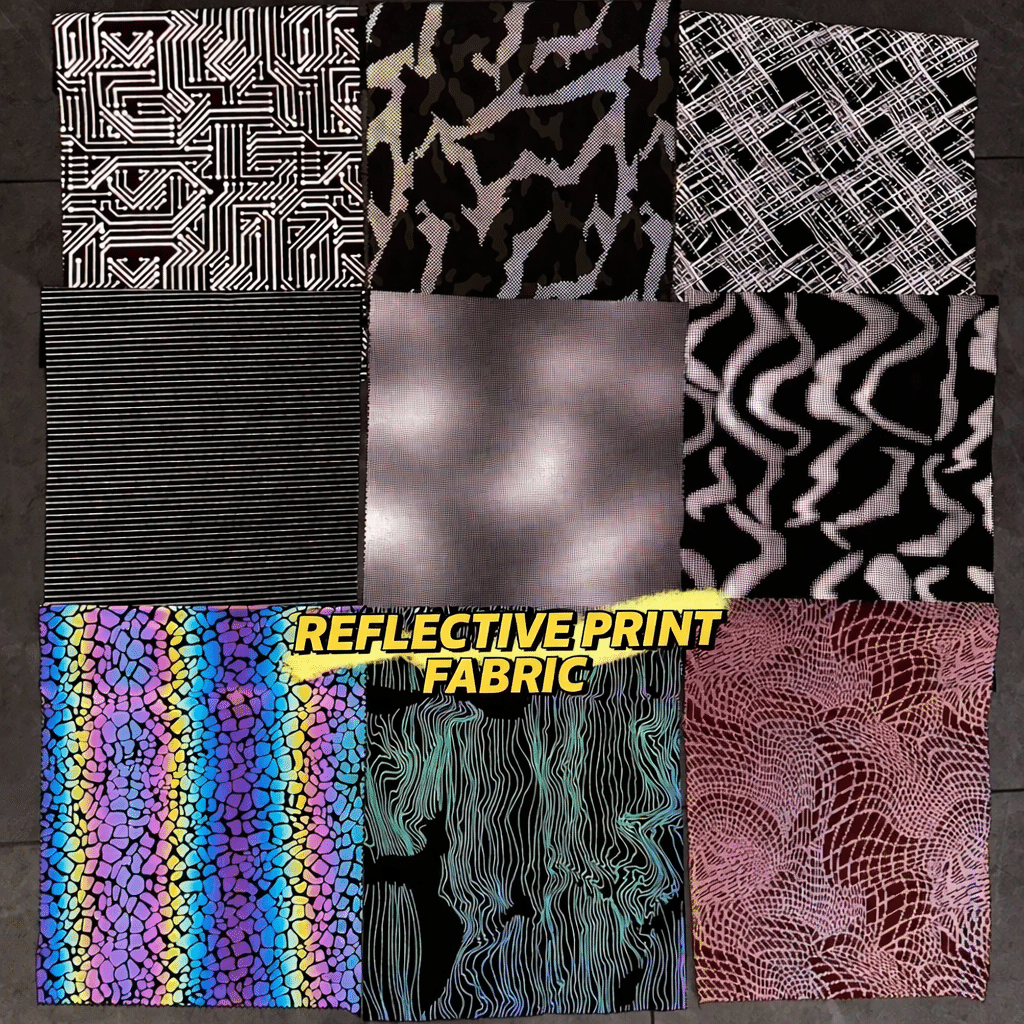
Reflective Fabrics

Instead of just trim, you can use entire fabrics that reflect light. These are used for whole panels or complete garments.

  • Pros: Offers visibility from all angles and maximum impact, creating a bold statement.
  • Cons: Usually costs more than trim, can feel stiffer, and may need special care.

Best For: High-fashion jackets, premium cycling gear, and high-end safety vests that need maximum coverage.

Reflective Trim Customization Options: Solutions for All Your Apparel Brand Needs

For apparel brands, we offer a wide range of custom reflective trim solutions and highly personalized options tailored to your specific branding requirements.

With our extensive selection of reflective materials, professional craftsmanship, application methods, custom sizes, colors, patterns, and packaging options, you can create the exact reflective trim designs that perfectly match your apparel collections.

Our goal is to help you develop unique reflective details that enhance both safety and style, while strengthening your brand identity. Understanding the importance of customization, we, as a reflective trim manufacturer, provide comprehensive customization options to meet all your brand’s specific needs — whether you are producing sportswear, workwear, outerwear, safety apparel, or fashion garments.

A Manufacturer's Guide: Choosing the Right Trim for Your Fabric

The success of your reflective trim isn’t just determined by the trim—it’s a question of how well it plays with your fabric. In our 10 years of experience, a poorly mated replacement can help always add peeling, failure on delivery or bad reflection.

Here is a step-by-step how to coordinate trims and fabrics.

Reflective Trim & Fabric Compatibility Chart

Fabric Type

Recommended Trim Type(s)

Expert Manufacturing Tip

Cotton & Cotton Blends

Sew-On, Heat Transfer

For heat transfer, we find a slightly higher temperature may be needed to penetrate the natural fibers, but a pre-production test is non-negotiable. Cotton’s stable weave holds stitches perfectly for sew-on applications.

Polyester (Sportswear)

Heat Transfer, Reflective Piping

Crucial: We always use a lower temperature setting on the heat press (typically 130-150°C) to prevent the polyester from scorching or melting. Using a protective Teflon sheet between the press and the garment is standard procedure in our facility.

Nylon (Raincoats, Windbreakers)

Sew-On (with seam sealing), Heat Transfer (low-temp adhesive)

Heat transfer on standard nylon is extremely risky due to its low melting point. We exclusively use specially formulated low-temperature adhesives designed for nylon. For sew-on applications on waterproof gear, applying seam-sealing tape over the interior stitch line is absolutely essential to maintain water resistance.

Heavy Canvas / Denim

Sew-On

The robust, fabric-backed nature of sew-on trim is the only method we trust for these high-stress, abrasive fabrics. The stitches provide a mechanical bond that adhesive simply cannot match for long-term durability in rugged conditions.

Stretch Fabrics (Lycra, Spandex)

Stretchable Heat Transfer Trim

A standard heat transfer vinyl will crack and peel when the fabric stretches. You must specify a specialized flexible or stretchable variant. We test these by stretching the applied fabric to its limit post-application to ensure the trim recovers without damage.

As a rule of thumb, good heat transfers should last through 25-50 home washes. A properly sewn-on trim can last as long as the garment itself.

Meeting Safety Standards: From ANSI to EN ISO 20471

Reflective trim is more than just for show, it’s the law when making clothes intended for work use. There are strict rules governing where you put it, how much of it you use and how well it works.

In general, not following these rules can render your product illegal and unsafe for the intended usage.

  • ANSI/ISEA 107 (USA): This is the American standard for High-Visibility Safety Apparel (HVSA). It defines three performance classes (Class 1, 2, and 3) based on the minimum required area of both fluorescent background material and retroreflective material. The class is determined by the worker’s risk level and environment. For more information, refer to the official American National Standards Institute (ANSI)/ISEA 107 standard.


  • EN ISO 20471 (Europe): This is an EU and international equivalent. It is also broken into three classes, specifying the material’s retroreflective performance (brightness), color, and specific areas on the garment to ensure 360-degree visibility of the human form.


Any brand producing safety vests, work jackets or uniforms for sectors like construction, delivery or emergency services must comply with these standards. This is especially critical for first responder safety,where being seen can be the difference between life and death.

The Manufacturing Process: How We Apply Reflective Trim Flawlessly

Installing reflective trim properly requires both high-tech gear and able hands. An error at this last moment can ruin a whole batch of clothes. So, here is how we at Prime Streetwear Manufacturing make sure the result is perfect every time.

Step 1: Material Inspection and Testing

We inspect every roll of reflective trim for defects before anything is applied. More importantly, we do test applications on pieces of your actual production fabric. This helps us determine the ideal heat press parameters (temp, pressure, time) or sewing machine configuration and avoids expensive errors.

Step 2: Precise Placement and Marking

Consistency is key. On larger orders we use laser guides or physical stencils to ensure that every piece of trim is placed with less than 1mm difference across thousands of garments. It gives your design uniformity and fits any safety standards for placement.

Step 3: The Application Process

  • For Heat Transfer: We use industrial pneumatic heat presses, not simple irons. These machines provide even pressure and consistent temperature across the entire surface, which is crucial for a lasting bond. We also strictly follow the manufacturer’s cool-down and peel instructions (e.g., “hot peel” vs. “cold peel”), a step often missed by inexperienced factories.
  • For Sew-On: Our production lines have heavy-duty industrial sewing machines. We use the right needle type (ballpoint for knits, sharp for wovens) and strong thread to create a seam that won’t damage the fabric or the reflective tape.

Step 4: Quality Control & Durability Checks

Each article of clothing is given an eye check for proper alignment and adhesion after application. From there, we sample random batches to do stringent wash tests and abrasion tests. This means that the application will stand up to your customers’ real-world use.

Partner with the Experts: Why Choose Prime Streetwear Manufacturing

Knowing reflective trim is one thing; executing it flawlessly across thousands of pieces is another. Our company Prime Streetwear Manufacturing has 10 years of clothing manufacturing experience, and we have already completed this process.

“We’re not just making clothes. Think of us as your manufacturing partner who guides you through the tricky process of material selection and proper application.

When you work with us, you get:

  • Expert Guidance: We help you select the right materials and application methods for your specific design, fabric, and budget.
  • Guaranteed Quality: Our rigorous testing and multi-stage QC processes ensure your product is durable, compliant, and beautifully finished.
  • Compliance Knowledge: We understand global safety standards and can help navigate the requirements for professional apparel.
  • Seamless Production: From sourcing the trim to the final durability check, we manage the entire process, giving you peace of mind.

Let us help you bring your vision to light.

Ready to start your project? Contact us for a consultation.

  • Direct Email: info@primestreetwearmfg.com
  • Phone Number: +923158183215
  • WhatsApp: +923158183215

Real feedback from customers all over the world about
Prime Streetwear Manufacturing.

Communication & Production

How to Start Working with Prime Streetwear Manufacturing?

3X Your order is triple checked by our team prior to production and before shipment

Request a Free Quote & Consultation

Hit us up for a free quote. We’ll discuss your requirements — design, quantity, timing — and put a plan in place that works.

Submit Your Custom Design & Requirements

1. Choosing Reflective Trim Material

2. Selecting the right Carft for the design

3. Payment for samples

4. Sample production after determining the color, size, and accessories of the sample 

Receive Sample Prototypes for Approval

1. Are the fabrics satisfactory?

2. Does the craftsmanship live up to the design?

3. Are there any changes that need to be made to the colors, sizes, and accessories?

4. Details of large orders 

Bulk Production & Delivery Process

1. Payment of deposit for large orders

2. Large Order Production Progress Inquiry

3. Final payment upon completion of prodution

4. Choose the right shipping method, pay the shipping fee, ship the goods 

Frequently Asked Questions

What is reflective trim and how does it actually work?

Reflective trim is material that bounces light back to its source through retroreflection. It uses either glass bead or microprismatic technology to return light directly to its source (like car headlights), making wearers highly visible in low-light conditions.

What are the different types of reflective trim available for garment manufacturing in 2026?

The main types include sew-on reflective trim (durable, works on all fabrics), heat transfer reflective trim (smooth finish, no stitches), reflective piping (for seams), and fully reflective fabrics for maximum visibility and fashion impact.

How do I choose the right reflective trim for different fabric types?

Cotton works well with both sew-on and heat transfer methods, polyester requires lower heat settings (130-150°C), nylon needs special low-temp adhesives, heavy fabrics like canvas work best with sew-on trim, and stretch fabrics require specialized flexible reflective trim.

What safety standards must reflective trim meet for professional workwear?

Professional workwear must comply with ANSI/ISEA 107 (USA) or EN ISO 20471 (Europe) standards, which specify minimum requirements for reflective material coverage, performance classes, brightness levels, and proper placement for 360-degree visibility.

How long does reflective trim last on garments?

Properly applied heat transfer reflective trim typically lasts through 25-50 home washes, while well-sewn reflective trim can last the lifetime of the garment. Durability depends on application quality, trim type, fabric compatibility, and care methods.

Rivets For Clothing Manufacturer Offer

Prime Streetwear Reflective Trim Manufacturer was created to provide helpful service, simple streamlined ordering & eco-friendly options. A company with transparent prices & ethics, a company that aims to create good things.

Prime Streetwear Manufacturing Difference

Prime Streetwear Manufacturing was created, to provide helpful service, simple streamlined ordering & eco-friendly options. A company with transparent prices & ethics, a company who aims to create good things.

Innovative Ideas

Prime Streetwear Manufacturing is proud to be a leading partner in the promotional products + fashion industry. With unique ideas + out of the box printing methods.

We Stand Behind Our Work

Our main goal is to provide peace of mind so you can relax and have confidence that your job will come out exactly as you had imagined.

Quality Over Quantity

Prime Streetwear Manufacturing believes in quality over quantity and we want our customers to feel the same way.

Dedicated Reps

Each account receives a dedicated rep who can be reached face to face by phone or via e-mail.

Long Lasting Relationships

We value all of our clients and aim to solidify long lasting & mutually beneficial relationships.

Shopping Cart