

+92-315-8183215

info@primestreetwearmfg.com

+92-315-8183215

+92-315-8183215

info@primestreetwearmfg.com

+92-315-8183215

The Ultimate Guide to DTF T-Shirt Printing: From Process to Professional Results

Introduction: What is DTF Printing and Why Should You Care? A new technology has come about in the world of clothing decoration that has been a game-changer. The DTF stands for Direct to Film which is a process of printing designs on a special type of film. Heat and pressure are used to transfer this onto clothing. What makes DTF printing better than other methods is that it works on just about any fabric color or material. Vibrant colors and complex designs are possible on a wide variety of fabrics, from cotton to polyester, and both light- and dark-colored garments. Therefore, This makes it a powerful addition to the family of modern digital textile printing methods. . DTF works great for clothing brands, particularly small to medium-sized batches — good quality results at an affordable price. It can create intricate, multi-colored designs on almost any material.

The DTF Printing Process: A Step-by-Step Breakdown

The more we know about how the machine operates, the less mysterious it is for many (if not most) operators. This is a process we have optimized over the course of many production runs. Below we broke down the six main steps.

  1. Step 1: Digital Design Preparation
    It all begins with the digital file. The artwork must be high-resolution (300 DPI is the standard) with a transparent background. This ensures the final print is sharp and only the design itself is printed, not a solid background box.
    Pro Tip: Make sure all fine lines or text are thick enough to hold the adhesive powder. We recommend a minimum line weight of 1 point to guarantee it sticks.

  2. Step 2: Printing on PET Film
    A special DTF printer prints the design in reverse onto a sheet of Polyethylene Terephthalate (PET) film. The printer first lays down the CMYK color layer. Then it prints a crucial white ink base on top.

  3. Step 3: Applying the Adhesive Powder
    While the ink is still wet on the PET film, a fine, hot-melt adhesive powder is sprinkled over the entire design. The film is then gently shaken to remove extra powder, so it only sticks to the wet ink.
    Pro Tip: Even application is vital. Uneven powder can lead to parts of the transfer not sticking to the shirt.

  4. Step 4: Curing the Film
    The powdered film passes through a curing oven or under a heat press held just above the surface. This melts the powder into a smooth, uniform adhesive layer. The transfer is now ready for application.

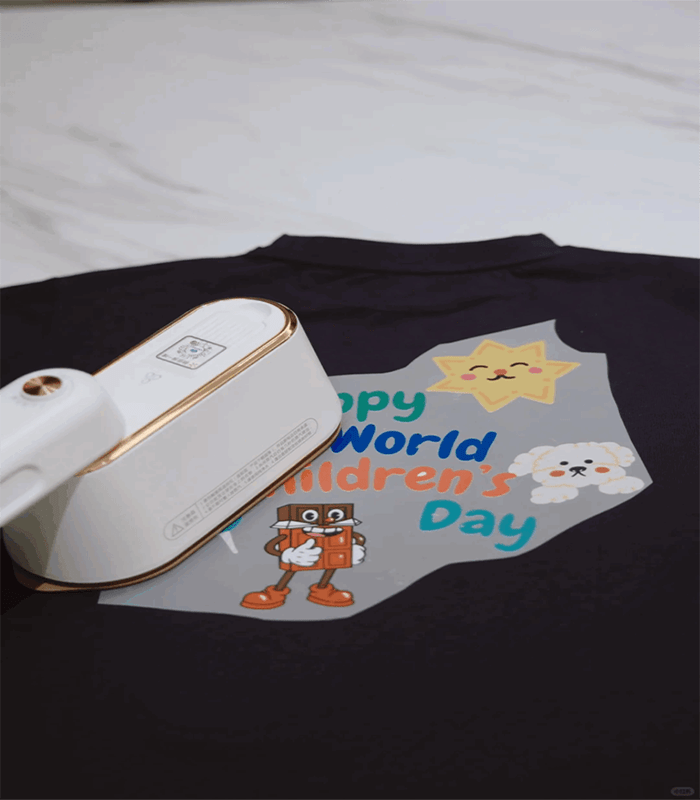
  5. Step 5: Heat Pressing onto the T-Shirt
    The cured film is placed onto the T-shirt in the desired position. A commercial heat press applies controlled temperature (typically 150-170°C), firm pressure, and time (around 10-15 seconds) to bond the design to the fabric fibers.

Step 6: Cold Peel
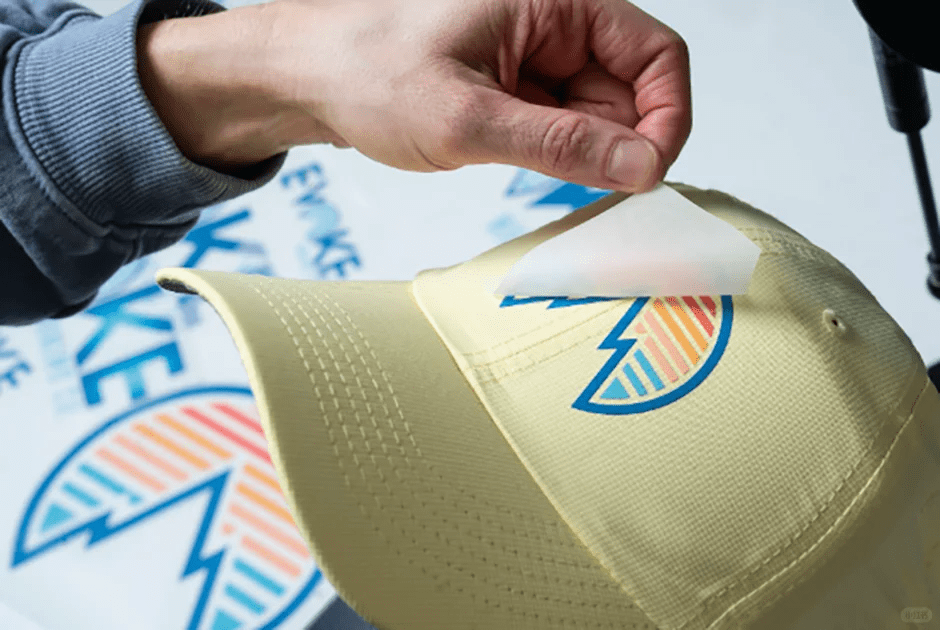
After pressing, the garment is set aside to cool completely. Once cool, the PET film is carefully peeled away. This leaves only the soft, durable, and vibrant print on the T-shirt.
Protip: Peeling the decal while the transfer is still warm can harm the transfer. It is important to be patiently patient for a flawless finish.

Freight discount

Free Full Creative Proof For Approval

Free Digital Mock Ups

Custom packaging
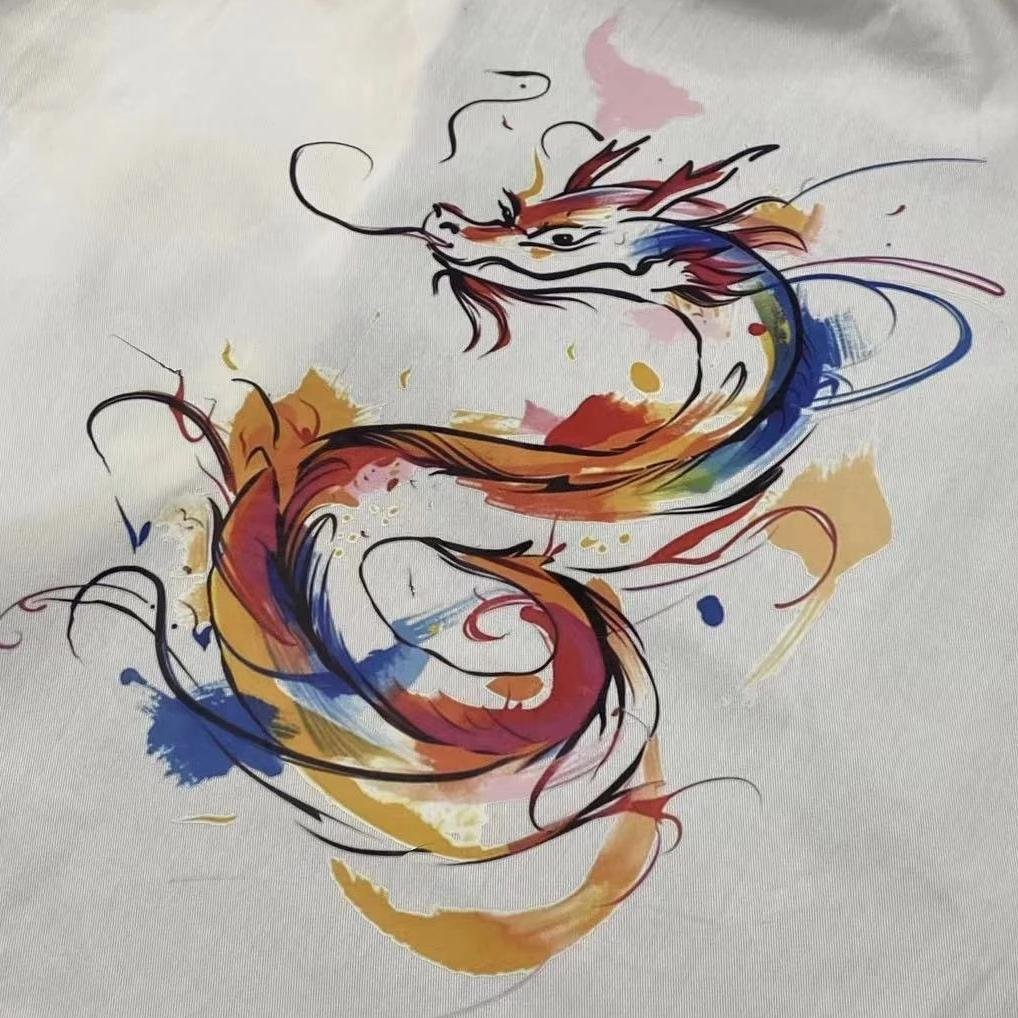
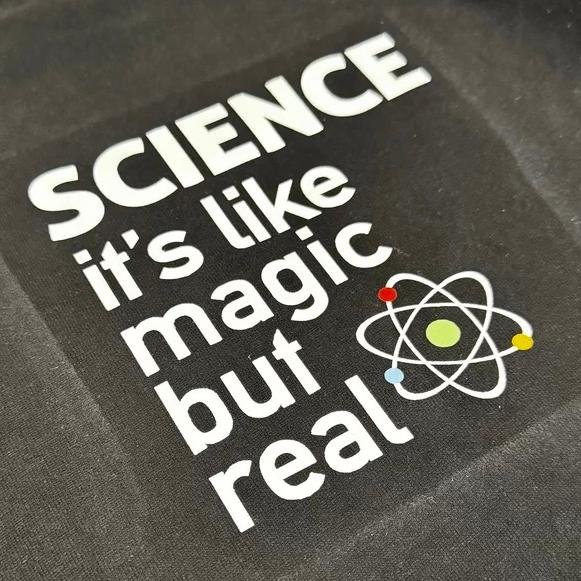
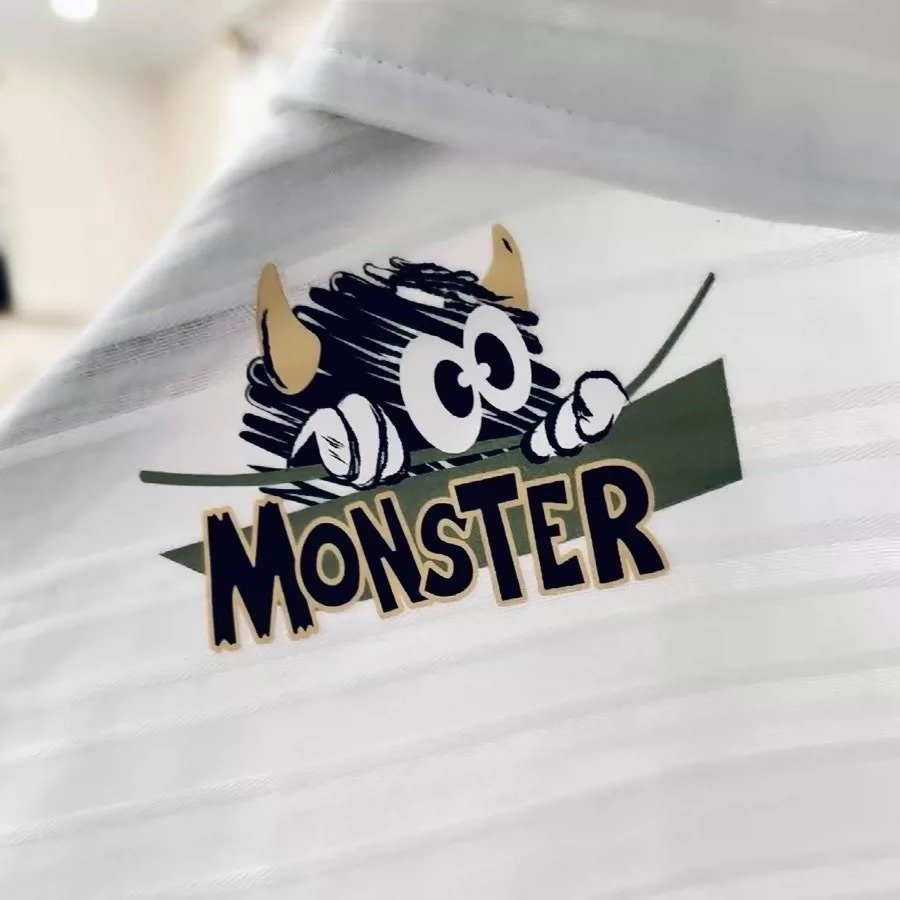
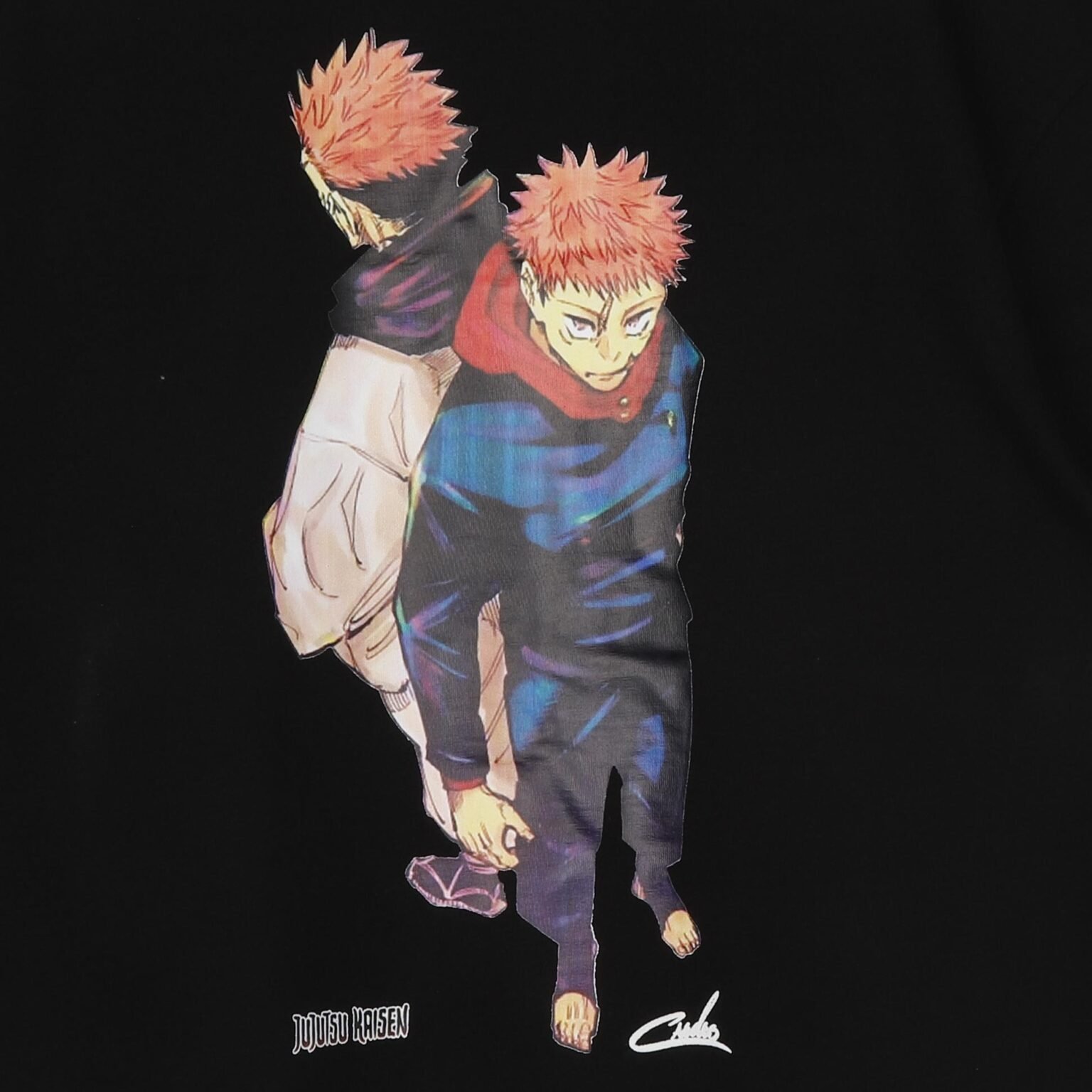
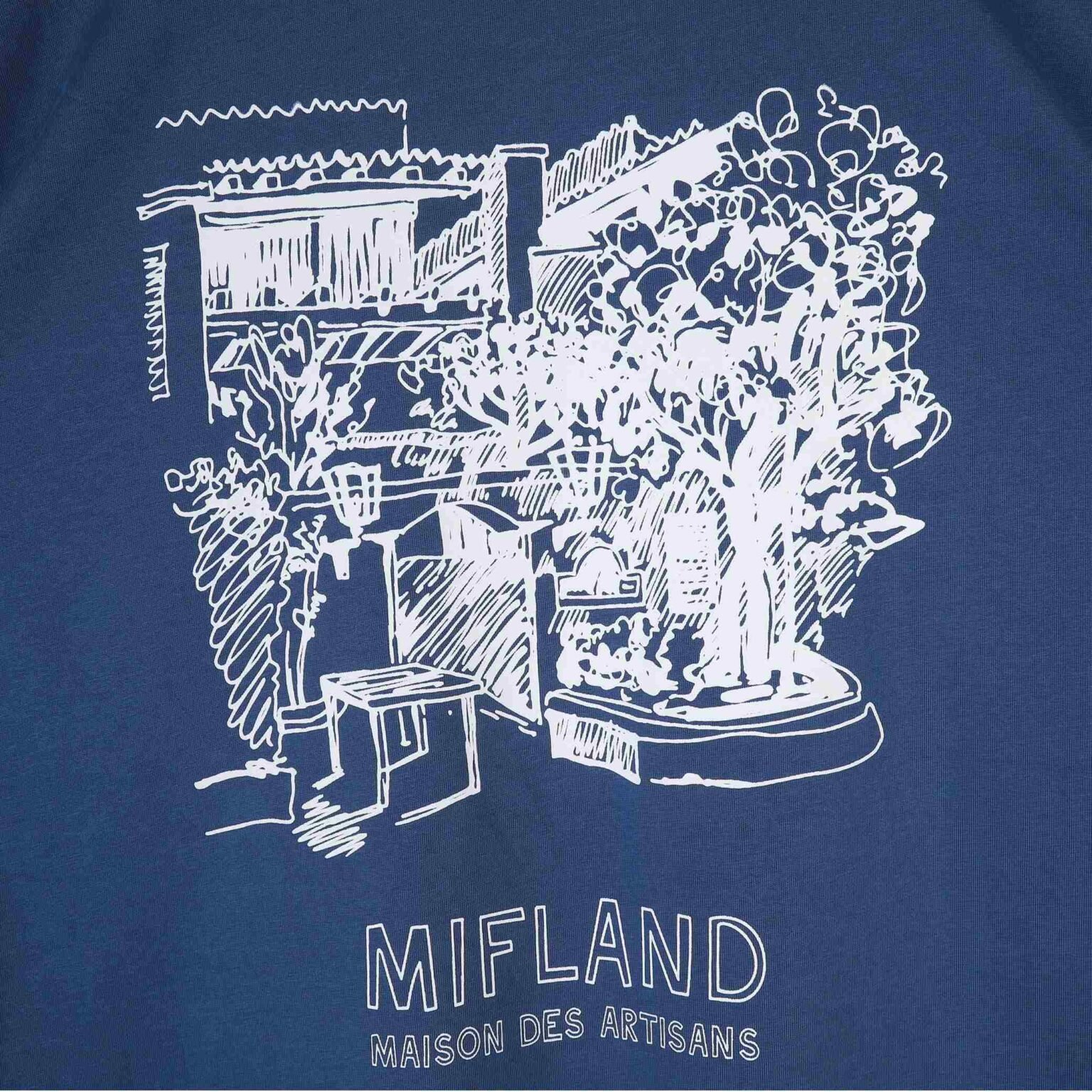
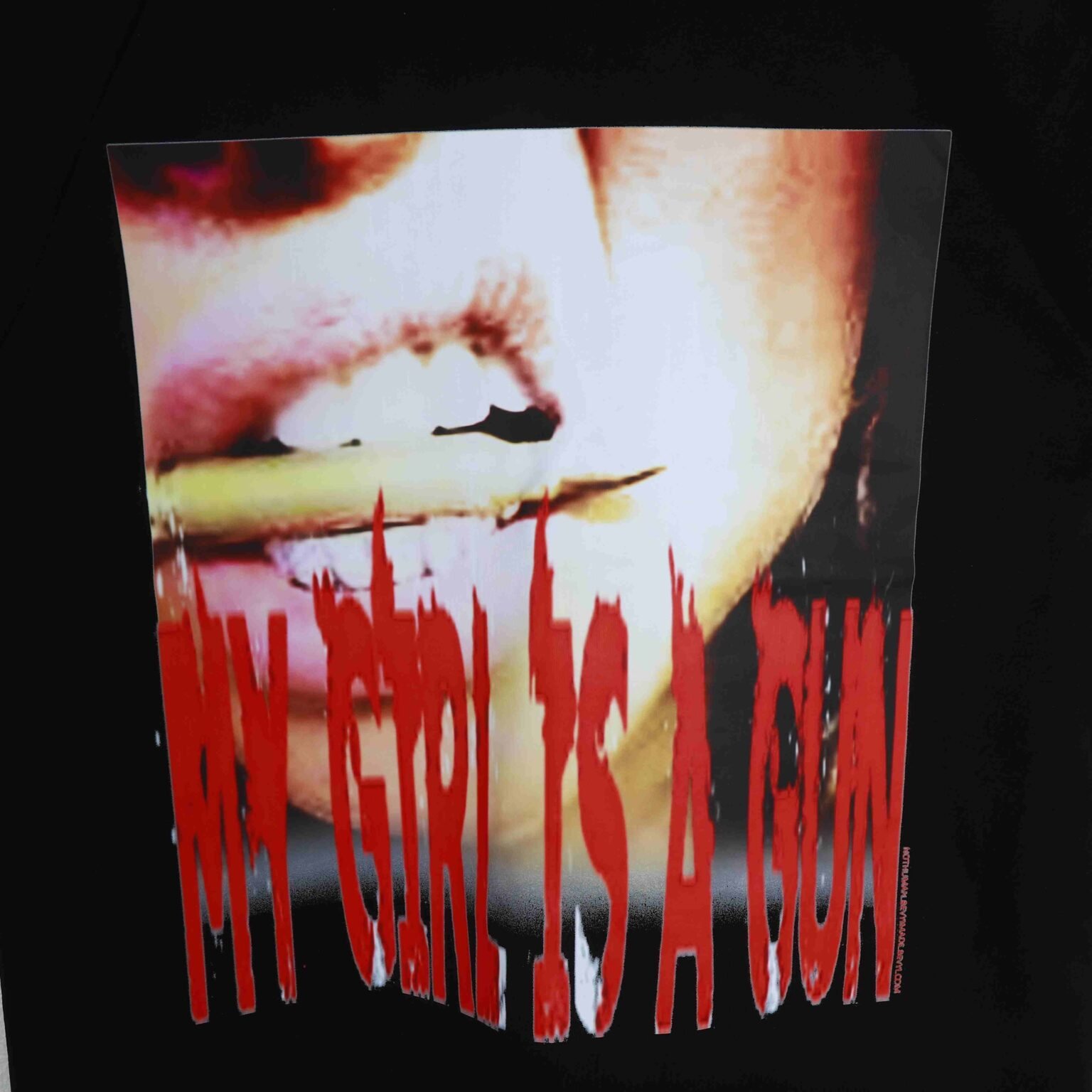
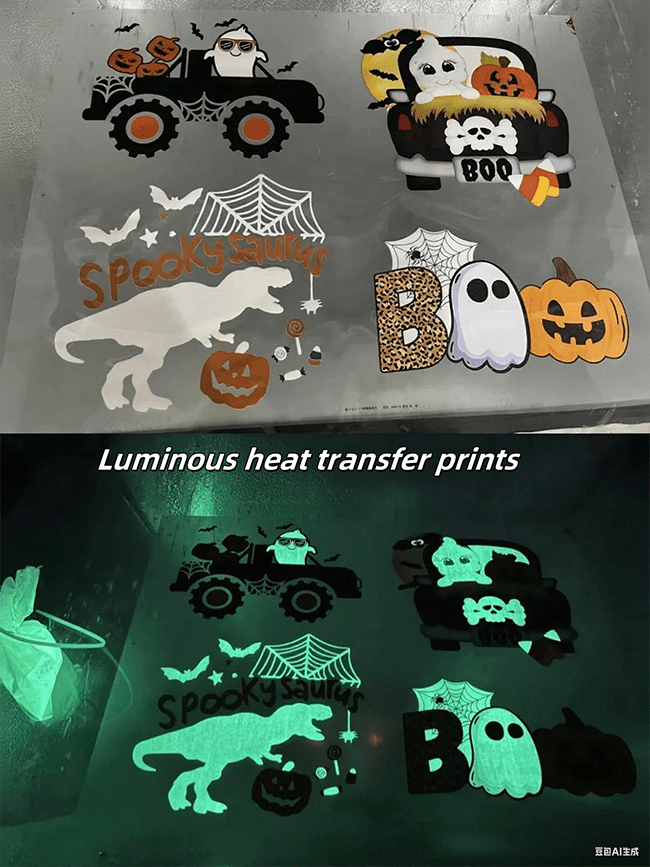
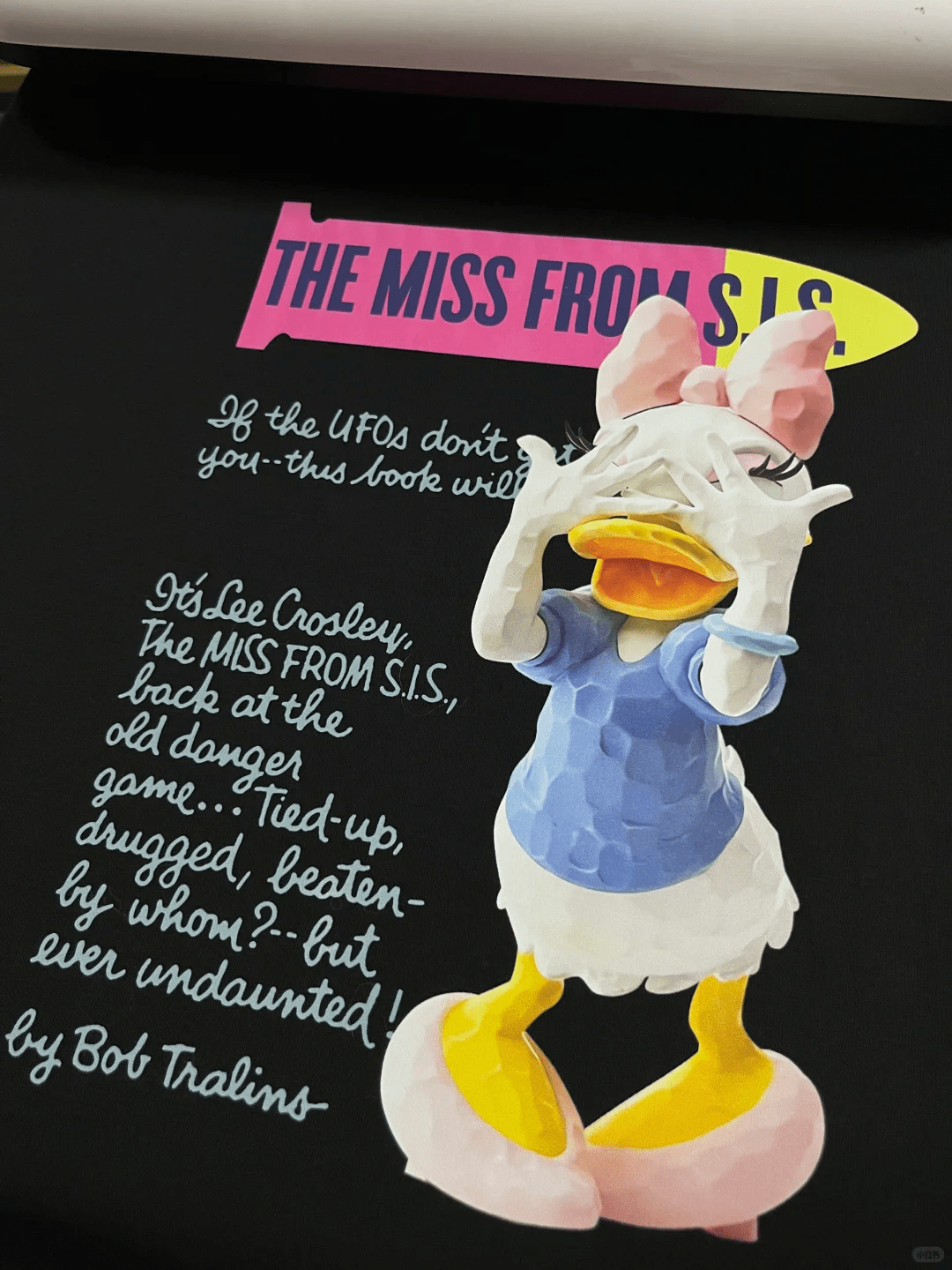
DTF Print Product Gallery

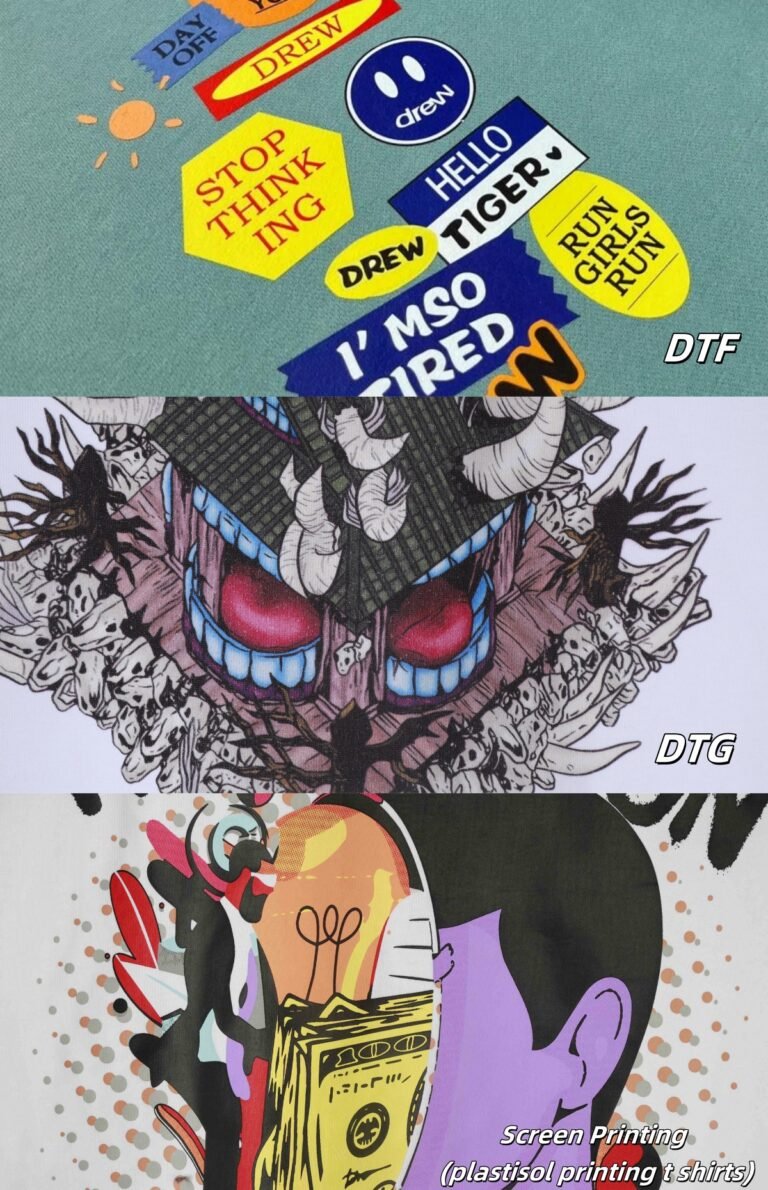
DTF vs. The World: A Head-to-Head Comparison with DTG & Screen Printing

It plays a vital role in product quality, cost and production flexibility as to meet market demand you must have the right printing technology. We break down DTF vs the competition: Direct-to-Garment (DTG) and traditional Screen Printing, to help you determine.

Feature

DTF (Direct-to-Film)

DTG (Direct-to-Garment)

Screen Printing (Silk Screen)

Fabric Versatility

Excellent: Works on cotton, polyester, blends, nylon, leather, dark & light fabrics.

Limited: Best on 100% cotton. Struggles with polyester and requires pre-treatment.

Good: Works on most fabrics, but different inks are needed for different materials.

Color Vibrancy on Dark Garments

Excellent: The white ink base ensures colors are bright and opaque on any color garment.

Good: Can be vibrant with a pre-treatment base, but less opaque than DTF.

Excellent: Opaque inks provide vibrant colors, especially with an underbase.

Detail & Complexity

Excellent: Capable of printing photorealistic images, fine lines, and complex gradients.

Excellent: Also great for photos and complex designs, but ink can bleed slightly into fibers.

Fair: Difficult to reproduce gradients and photographic detail. Best for solid colors & bold designs.

Feel / Hand

Good: Soft and flexible, but it is a layer on top of the fabric. Quality can vary.

Excellent: Very soft feel as the ink soaks into the fabric fibers.

Varies: Can range from soft (with water-based inks) to thick and heavy (with plastisol).

Durability

Very Good: Highly durable and stretch-resistant. Withstands many wash cycles.

Good: Durability is good but can be prone to fading over time, especially with harsh washing.

Excellent: Extremely durable and long-lasting, often outliving the garment itself.

Cost per Unit (Small Orders)

Low: No screen setup required, making it ideal for 1-100 pieces.

Low: Also ideal for one-offs and small runs. No setup fees.

Very High: The cost of creating screens makes small orders prohibitively expensive.

Cost per Unit (Large Orders)

Medium: Cost-effective, but less so than screen printing for very high volumes.

High: Per-unit cost remains relatively constant, making it expensive for bulk orders.

Very Low: The most cost-effective method for large quantities (100+ units).

Setup Time

Low: Minimal setup. Just print the file and press.

Low: Very quick setup, essentially sending a file to a printer.

High: Involves coating, exposing, and reclaiming screens. A time-consuming process.

Summary & Best Use Cases

  • Choose DTF Printing for maximum versatility. It’s the best option for small to medium runs that require vibrant, full-color designs on a wide variety of fabric types and colors, especially synthetics and blends.
  • Choose DTG Printing for the softest feel on 100% cotton T-shirts. It’s perfect for on-demand fulfillment of photorealistic designs on light-colored cotton garments.
  • Choose Screen Printing for large-volume orders with simple, limited-color designs. Its durability and low per-item cost at scale are unmatched.

Its an  industry analysis highlights the strengths of DTF are taken into consideration and a crucial gap is filled by this technology as their industry strength highlights. It balances with the quality and flexibility modern brands need.

DTF T-Shirt Print Customization Options: For All Your Brand Needs

For apparel brands, we specialize in DTF T-Shirt Printing services that bring your designs to life with vibrant colors, sharp details, and long-lasting durability. With our advanced direct-to-film technology, expert craftsmanship, personalized labels, and custom packaging, you can create fully customized t-shirts that perfectly match your brand vision.

Our mission is to help brands stand out by delivering high-quality DTF printed t-shirts that resonate with customers and build a stronger brand identity. Whether you need bulk production for retail, promotional campaigns, or limited-edition collections, our DTF T-Shirt Printing solutions provide flexibility, reliability, and unmatched quality to meet all your needs.

Fabric Compatibility: What Works Best with DTF T-Shirt Printing?

This is DTF printings’s major pros to support on a wide range of fabric materials, as we all know the garment material one of most critical factor in printing finishing. This flexibility enables brands to broaden their product lines from the more standard cotton T-shirt.

Quick run-down on which fabrics work best

Excellent Choices:

  • Cotton & Cotton Blends: From 100% combed cotton to CVC (Chief Value Cotton) and tri-blends, DTF adheres perfectly. It provides a vibrant and durable finish.
  • Polyester: DTF is a superior solution for 100% polyester and poly-blends common in sportswear and performance apparel. It avoids the “dye migration” issues seen in other methods.
  • Fleece & French Terry: Hoodies and sweatshirts made from these materials are perfect for DTF prints. They achieve excellent adhesion and opacity.
  • Nylon & Spandex/Lycra: With the right technique, DTF works well on synthetic materials like jackets and athletic wear.

Materials Requiring Caution:

  • Heavily Textured Fabrics: Materials like coarse canvas or pique polo fabric can be challenging. The uneven surface may prevent the transfer from making full contact, affecting adhesion and detail.
  • Water-Repellent Coated Fabrics: Garments treated with a water-resistant coating will repel the adhesive. The coating must be removed or tested extensively to ensure a lasting bond.

Certainly in our experiences, if using the heat press on high-stretch fabrics such as Lycra it works best by slightly lowering those temperatures. Making use of a flexible adhesive powder can also increase durability and keep the fabric from cracking with use. This is something that comes with experience and experience only.

Beyond the Machine: How to Achieve a Truly Professional DTF Print

Of course, having the proper equipment is only half of the struggle. Getting a real professional DTF is when all the preparatory work of patterns, selection and mistakes are hidden.

Artwork Preparation is Everything

If you got a good source file, then it will come out exactly like that. Garbage in, garbage out.

We require professional quality art files- 300 DPI is a MUST to print sharp clear images. Blurry, pixelated prints of the low resolution files.

The file should be a PNG with a transparent background. This way, we print only your design, not a colored box around it. Note 3: Stay away from overly fine, separated design elements as they may not get enough adhesive to stick properly to the tshirt.

The ‘Feel’ and ‘Stretch’ Test: Judging Quality Like a Pro

Each DTF print is hand and eye-inspected at Prime Streetwear Manufacturing Here’s what we look for:

  • Hand Feel: A superior DTF print should feel soft and integrated with the fabric. It should be flexible, not a stiff, plastic-like patch. The right combination of ink, powder, and press settings creates a finish that’s both durable and comfortable to wear.
  • Stretch Test: We gently stretch the printed area of the T-shirt. A quality transfer will stretch with the fabric and rebound without cracking or peeling. This is the ultimate test of proper curing and adhesion.
  • Wash Test: Our internal standards are rigorous. We recommend all our DTF-printed garments be washed inside-out in cold water and tumbled dry on low. A well-executed print should withstand dozens of washes without significant fading or degradation.

 Common Pitfalls and How to Avoid Them

With 10 years in garment manufacturing, we’ve seen every possible mistake. Here are the most common ones in DTF printing:

  • Improper Heat Press Settings: Too much heat can scorch the fabric or transfer. Too little temperature or pressure results in poor adhesion and a print that peels off after the first wash.
  • Low-Quality Consumables: Using cheap PET film, ink, or adhesive powder is a false economy. It leads to poor color fidelity, cracking, and a lack of durability. We only source premium materials for our production.
  • Rushing the Cold Peel: As mentioned, peeling the film while it’s still warm is a frequent amateur mistake that ruins the print. Complete cooling is essential.

The Business Case for DTF: Is It Right for Your Apparel Brand?

I hope that after reading the above content you understand way more than just a technical description of what it is and how does DTF printing work, but rather how DTF can be used as strategic leverage for apparel brands of any size to open up new doors of business opportunities.

For Startups & Small Businesses:

The biggest benefit is that it has no minimum order quantity (MOQ). Direct to Fabric (DTF) for you — allows you to test new designs, launch with multiple collections and react micro-trends without holding the risk of hundreds or thousands inventory financially. There is no waste so you can make exactly what you want when needed.

For Established Brands:

DTF is the perfect complement to screen printing. Use it for limited-edition drops, personalized merchandise, or fulfilling smaller, in-season restock orders. This hybrid approach optimizes both cost and speed, allowing you to be more agile and responsive to your customers.

The apparel decoration market is increasingly shifting towards on-demand production, a trend where DTF technology is perfectly positioned to lead. As a manufacturer, we see this firsthand. Brands that leverage this agility can capture niche markets and build stronger customer loyalty. Understanding these key industry trends in apparel decoration is crucial for staying competitive in the future.

Your Partner in Quality: Leveraging 10 Years of Expertise with Prime Streetwear Manufacturing.

One thing to know the technology is just another thing to be able to execute it flawlessly, batch after batch. And it is in this very stage that a dependable manufacturing partner becomes an essential part of your brand strategy.

From 10 years of clothing industry experience Prime Streetwear Manufacturing, We have not only a full range of garment production ecosystem about DTF t shirt printing. It is for this reason that we have seen fads come and go, with the promise of next-gen tech not capturing our interest until it can provide value add and quality to our clients.

For us this is more than just the print. We control the entire supply chain from raw fabric sourcing to final product quality inspection. By blending the exactitude of state-of-the-art DTF technology with the unique human touch and flair only available from traditional craftsman. Our team offers full service capabilities from design consultation through sampling and production.

You might need a new line of custom t-shirts, or just some information about how our our manufacturing process works — whatever the case, we are your resource.

Ready to translate your original design work into wearable pieces with vibrant, long-lasting prints using our DTF printers? Let our experience guide you.

Contact us today to start your project:

  • Direct Email: info@primestreetwearmfg.com
  • Phone Number: +923158183215
  • WhatsApp: +923158183215

Real feedback from customers all over the world about
Prime Streetwear Manufacturing.

Communication & Production

How to Start Working with Prime Streetwear Manufacturing?

3X Your order is triple checked by our team prior to production and before shipment

Request a Free Quote & Consultation

Hit us up for a free quote. We’ll discuss your requirements — design, quantity, timing — and put a plan in place that works.

Submit Your Custom Design & Requirements

1. Choosing Custom Embroidery Services

2. Selecting the right Carft for the design

3. Payment for samples

4. Sample production after determining the color, size, and accessories of the sample 

Receive Sample Prototypes for Approval

1. Are the fabrics satisfactory?

2. Does the craftsmanship live up to the design?

3. Are there any changes that need to be made to the colors, sizes, and accessories?

4. Details of large orders 

Bulk Production & Delivery Process

1. Payment of deposit for large orders

2. Large Order Production Progress Inquiry

3. Final payment upon completion of prodution

4. Choose the right shipping method, pay the shipping fee, ship the goods 

Frequently Asked Questions

What is DTF t-shirt printing and how does it differ from other methods?

DTF (Direct-to-Film) printing is a process where designs are printed onto special film and transferred to garments. Unlike DTG, it works on virtually any fabric color or material, and unlike screen printing, it’s cost-effective for small batches while maintaining vibrant colors.

What fabrics work best with DTF t-shirt print technology?

DTF printing works excellently on cotton, polyester, blends, nylon, fleece, and even spandex/lycra. It’s particularly valuable for performance fabrics where other printing methods struggle, though heavily textured or water-repellent fabrics require special consideration.

How durable are DTF t-shirt prints compared to other printing methods?

DTF prints are very durable and stretch-resistant, withstanding many wash cycles. They offer better durability than DTG prints and comparable longevity to screen printing when properly executed, making them a reliable choice for quality apparel.

What's the process for creating a DTF t-shirt print?

The DTF process involves six key steps: digital design preparation at 300 DPI, printing on PET film, applying adhesive powder, curing the film, heat pressing onto the garment (150-170°C for 10-15 seconds), and finally cold peeling the film after cooling.

Is DTF t-shirt printing cost-effective for my apparel brand in 2026?

DTF printing is highly cost-effective for small to medium runs (1-100 pieces) with no minimum order quantity, making it perfect for startups, limited editions, or testing new designs. For very large orders, screen printing remains more economical, but DTF offers superior versatility.

DTF T-Shirt Print Manufacturer Offer

Prime Streetwear DTF T-Shirt Printing Manufacturer was created to provide helpful service, simple streamlined ordering & eco-friendly options. A company with transparent prices & ethics, a company that aims to create good things.

Prime Streetwear Manufacturing Difference

Prime Streetwear Manufacturing was created, to provide helpful service, simple streamlined ordering & eco-friendly options. A company with transparent prices & ethics, a company who aims to create good things.

Innovative Ideas

Prime Streetwear Manufacturing is proud to be a leading partner in the promotional products + fashion industry. With unique ideas + out of the box printing methods.

We Stand Behind Our Work

Our main goal is to provide peace of mind so you can relax and have confidence that your job will come out exactly as you had imagined.

Quality Over Quantity

Prime Streetwear Manufacturing believes in quality over quantity and we want our customers to feel the same way.

Dedicated Reps

Each account receives a dedicated rep who can be reached face to face by phone or via e-mail.

Long Lasting Relationships

We value all of our clients and aim to solidify long lasting & mutually beneficial relationships.

Shopping Cart