

From Concept to Fabric: The Manufacturer's Ultimate Guide to Custom Embroidery Logo Patches
Introduction: More Than a Patch, It’s Your Brand’s Badge of Honor
A custom embroidered logo patch transforms your digital brand into something tangible. This little badgemind designer quality and it make anything you wear look more professional.
These work on many different things. They authenticate jackets, hats, work wear, team wear and game wear, among other products, and can be used for a variety of branding opportunities.
This primer is the result of 10 years of garment making. We are about to show you the entire thing from beginning to end. You will learn:
- What makes a high-quality patch.
- How professionals make patches step by step.
- Which patch type works best for your design.
- How to match patches with the right fabric.
- What backing option you should choose for your needs.
The Anatomy of a Superior Embroidery Patch: A Look at Quality You Can Feel
The greatest patches depend on small details that distinguish them. Good patches use good material and good work to make something solid-looking and feeling. You identify excellence by knowing these parts.
The Foundation: Twill and Base Fabrics
The most common type of embroidered patch uses a twill of polyester mixed with some cotton. The diagonal style features elastic across the diagonal stitches on the face of the fabric. Though twill is most prevalent — it is strong and has good texture — some patches use felt or canvas for different looks.
The Soul of the Design: Thread Types & Quality
Thread gives your logo life. You have the option to choose either Polyester,Polyester or Rayon.
Polyester thread has a good shelf life and colorfast. It holds up wash after wash, through daily abuse, without ever losing its shape. Quality polyester thread does not corrode from bleach or the sun, which makes it great for work clothes and outdoor gear.
Rayon thread has a high luster and a bright sheen. It is not as durable as polyester, but it looks slick and luxurious, so it is good for fashion items.
The Artistry: Stitch Types and Density
Embroidery is inserting the right kind of stitches stitched in the right medium.
The Satin Stitch is for smooth edges and text. It creates clean,lets-eat-off-of edges to your design.
The Fill Stitch is used to fill large areas with color. It utilizes rows of stitches to create texture and dimension.
Professional patches are distinguishable from cheap patches by high stitch density. More threads per inch means a fuller look, with no glimpses of the fabric underneath. It’s time-released, so the patch lasts longer as well.

Freight discount

Free Full Creative Proof For Approval

Free Digital Mock Ups

Custom packaging
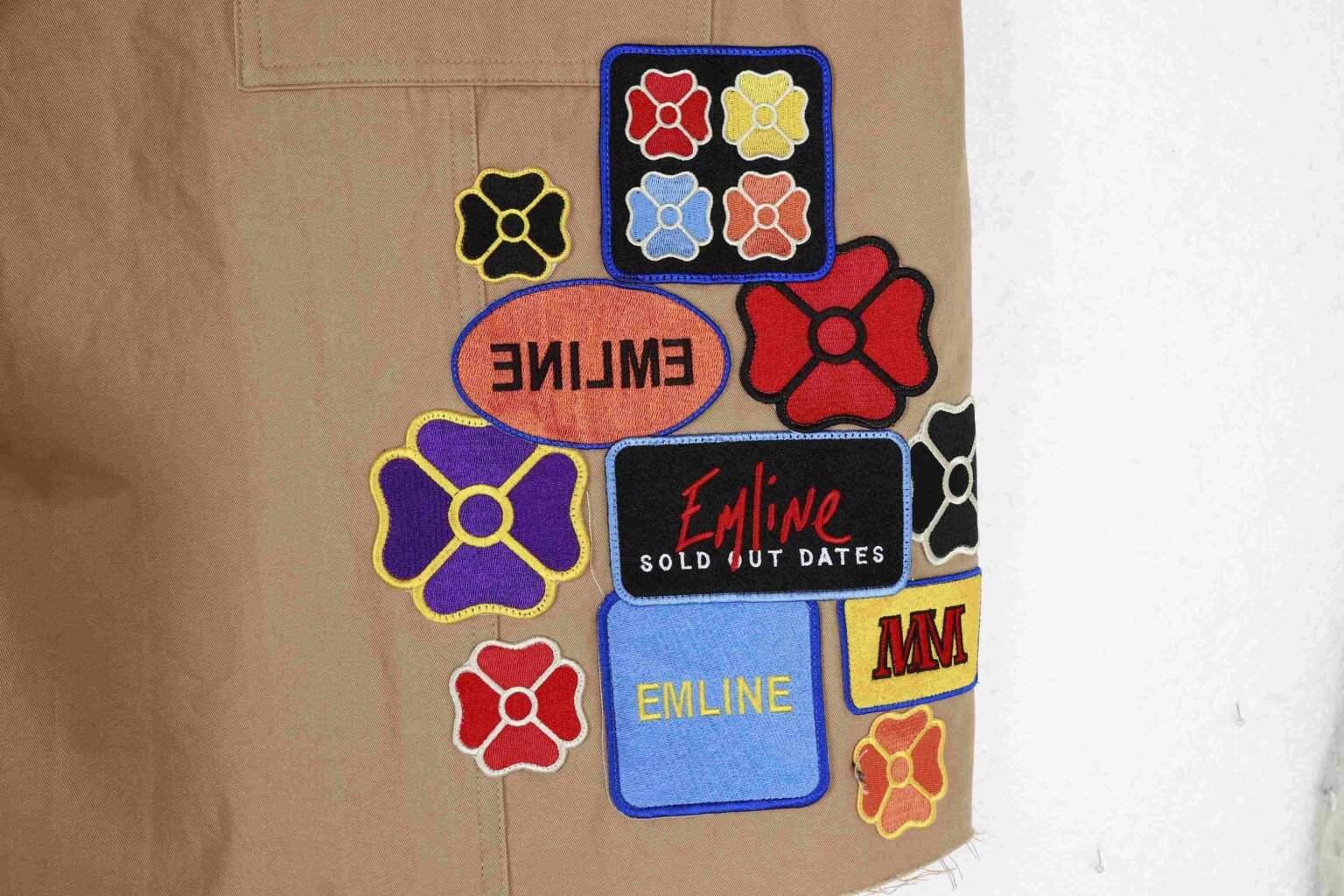
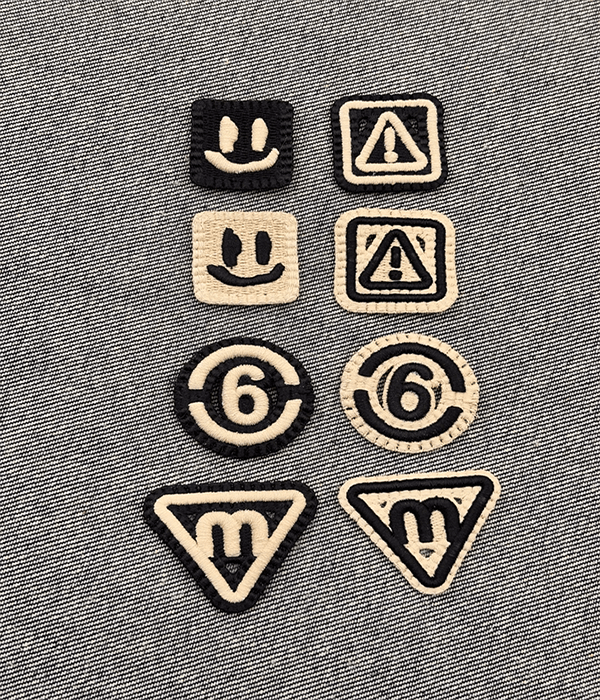
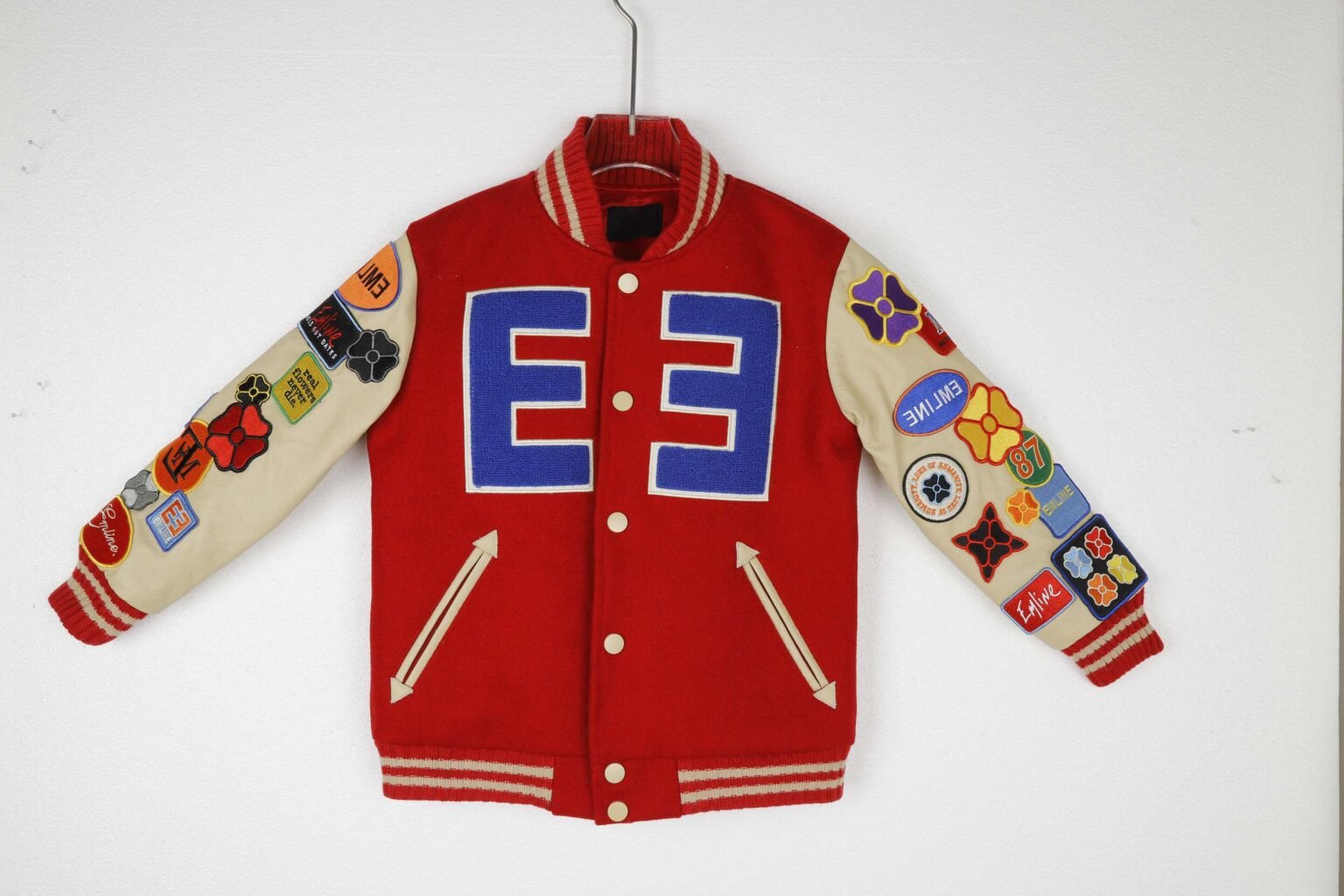
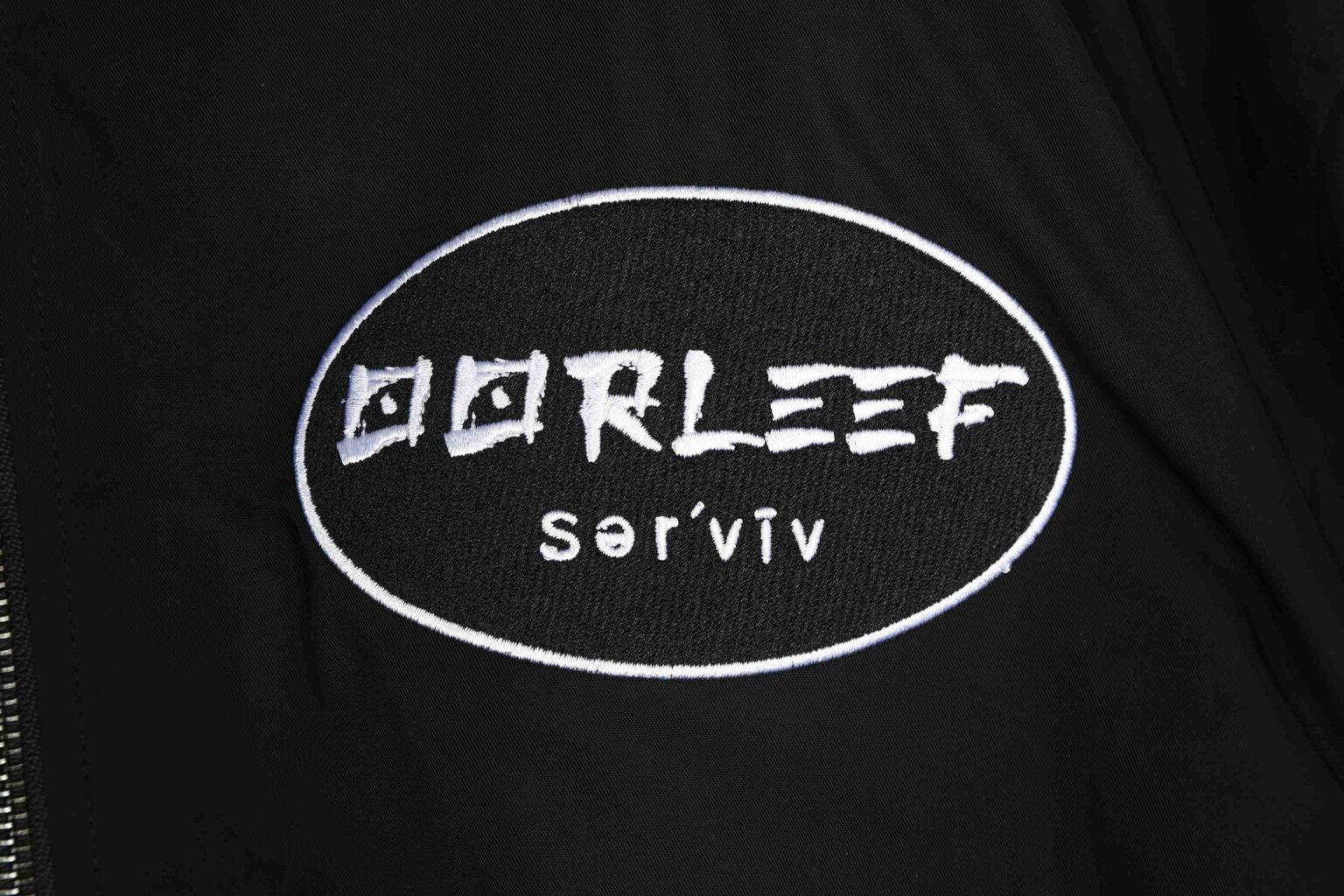
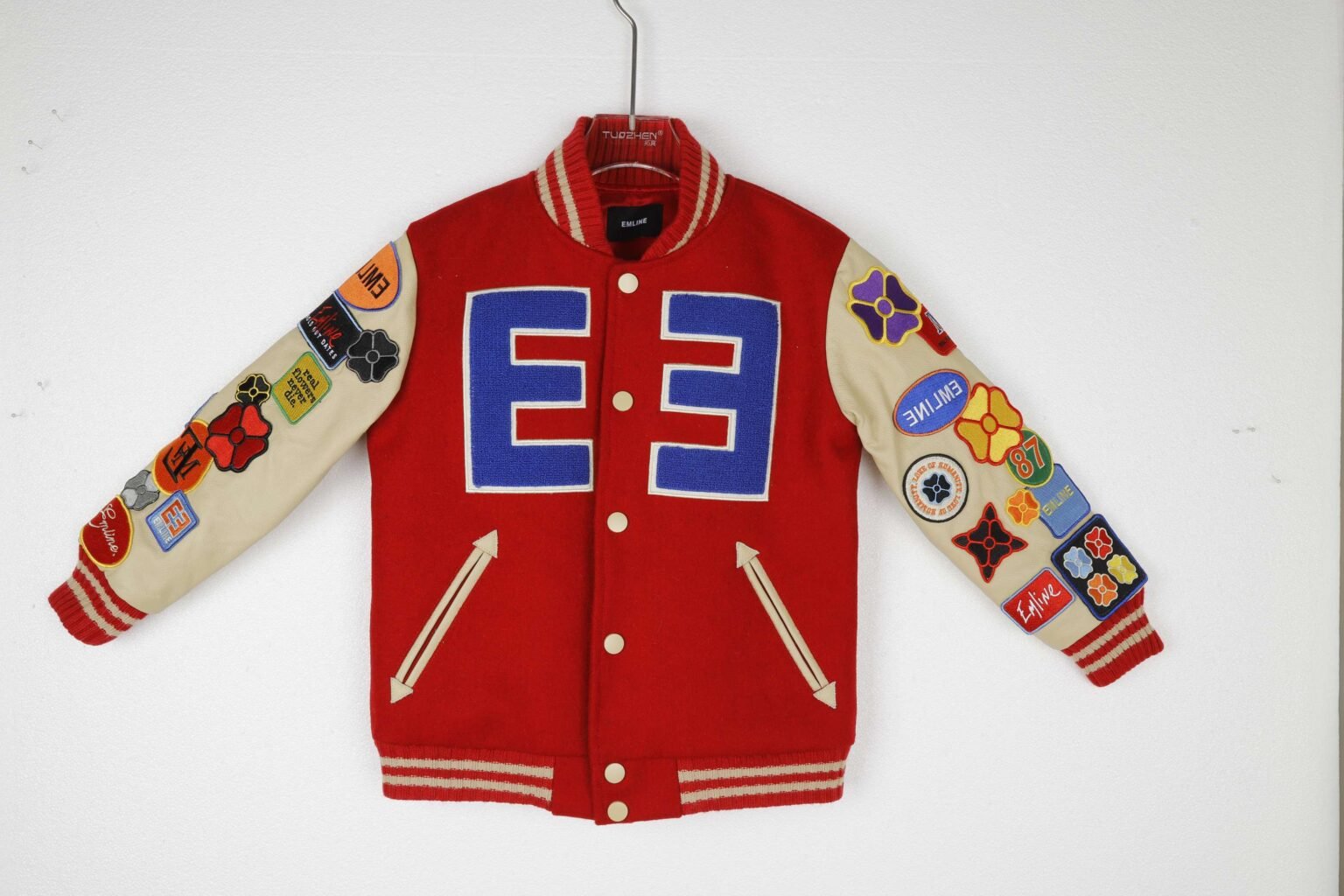
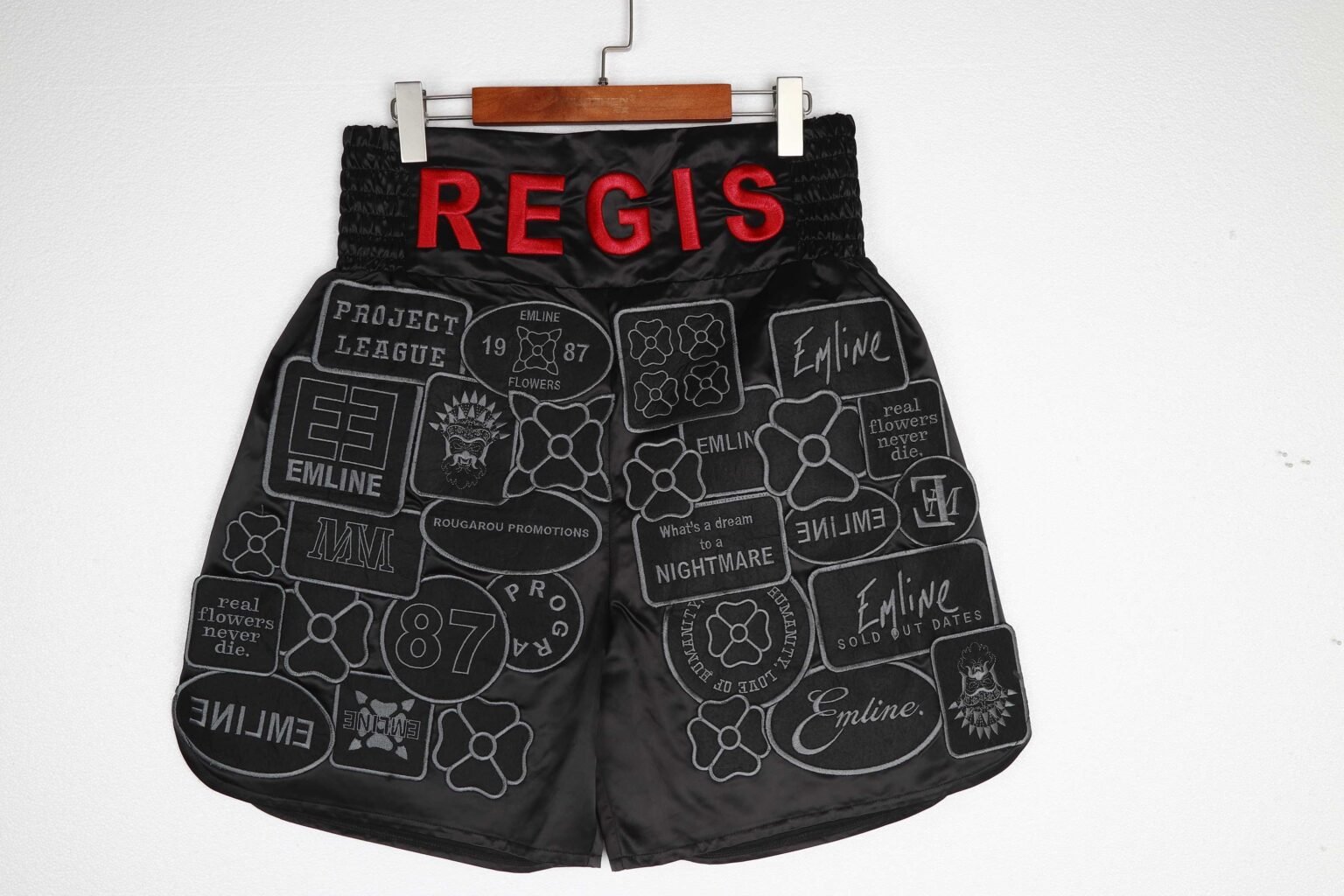
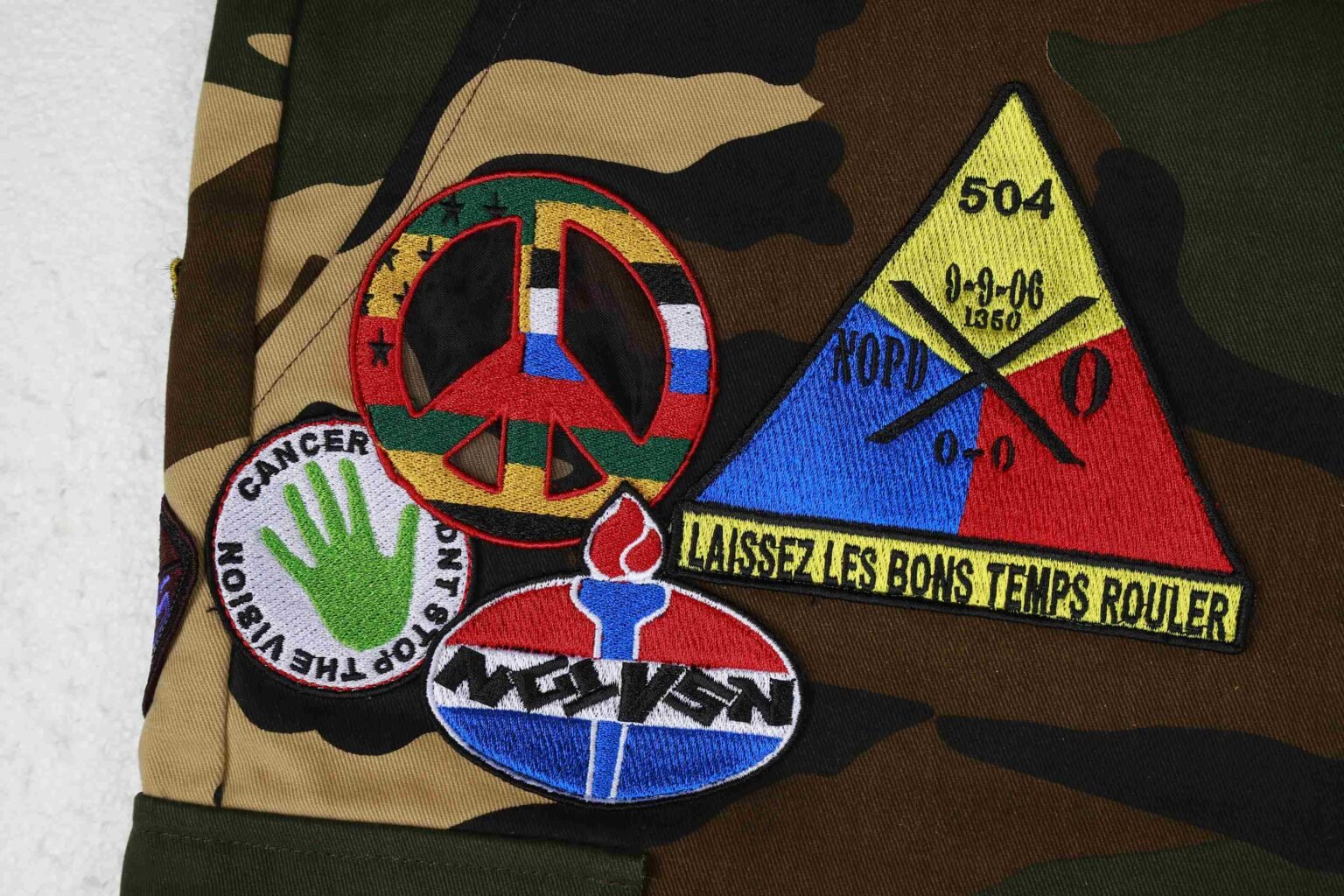
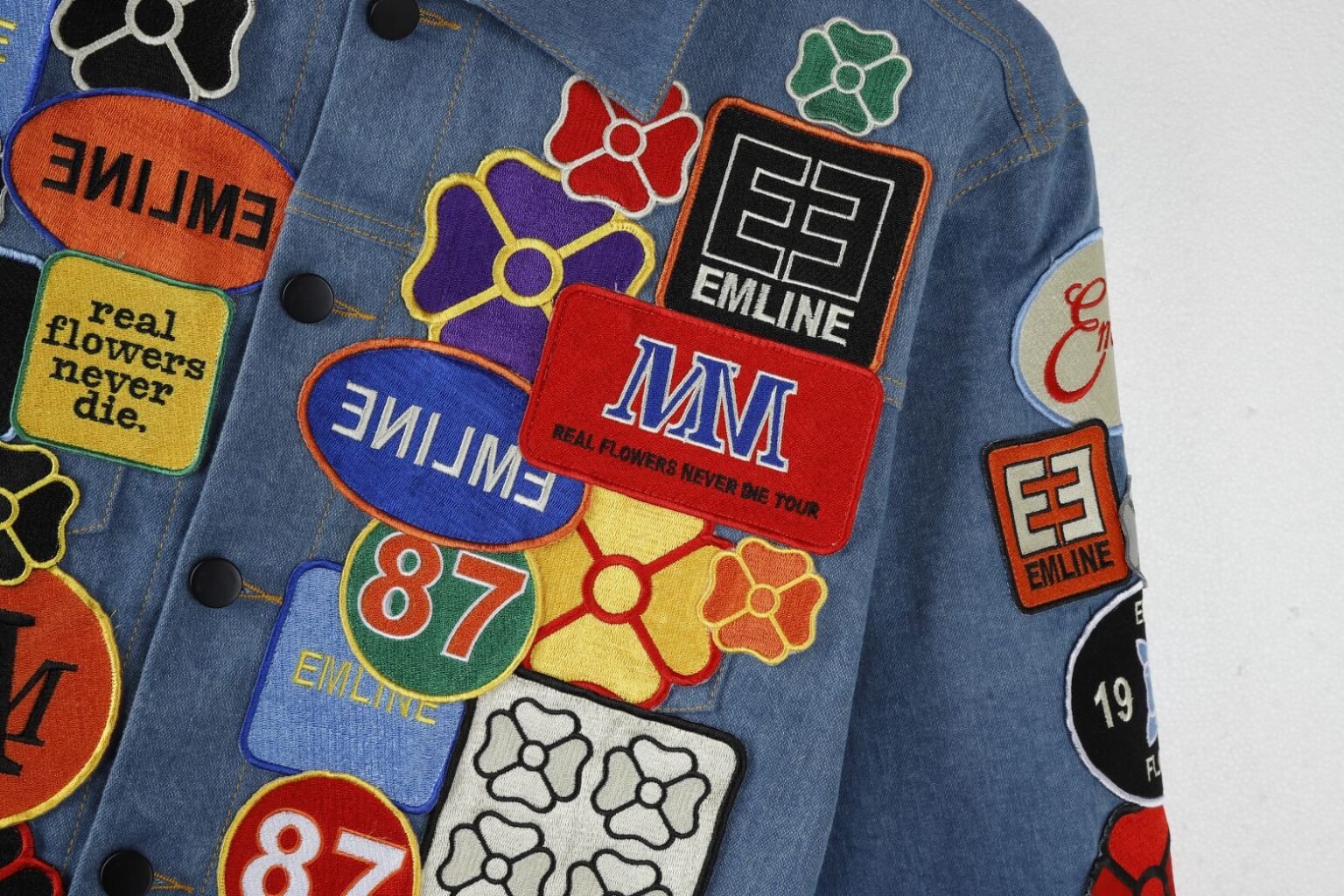
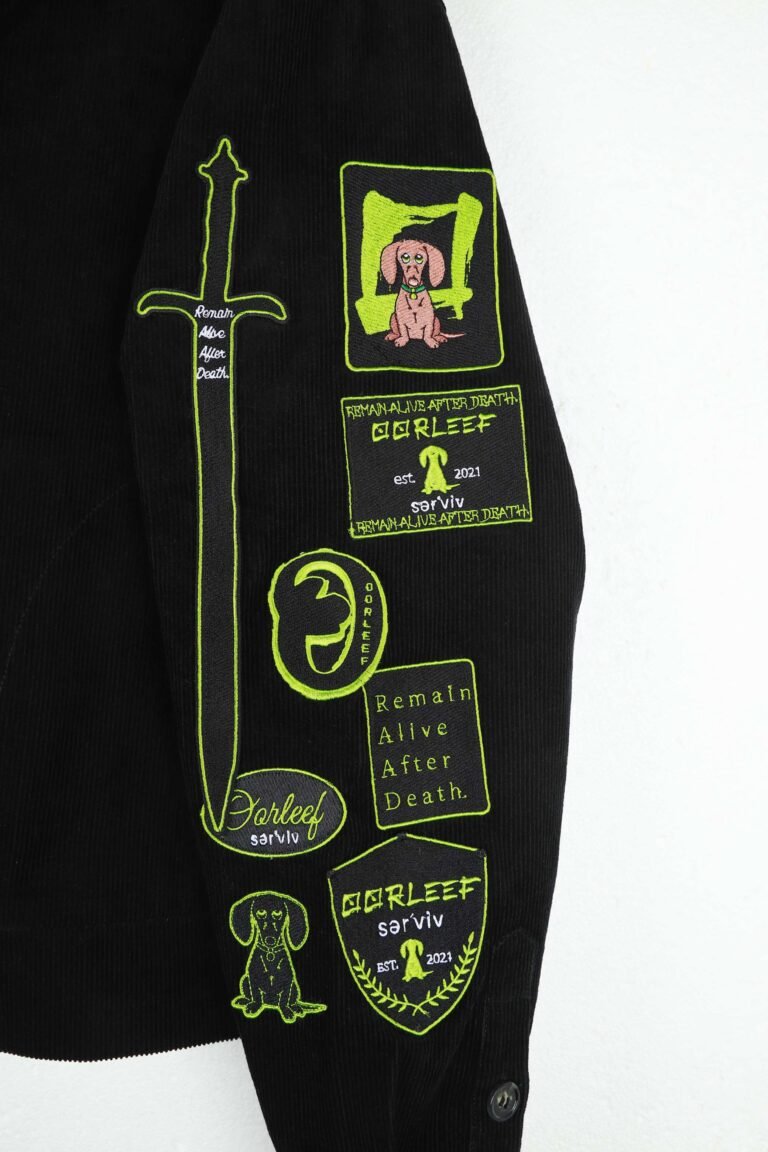
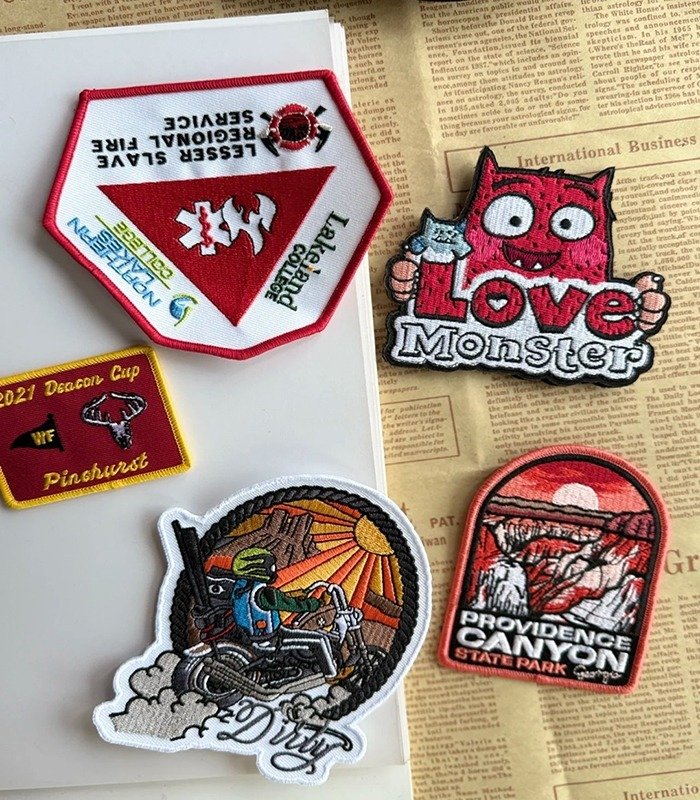
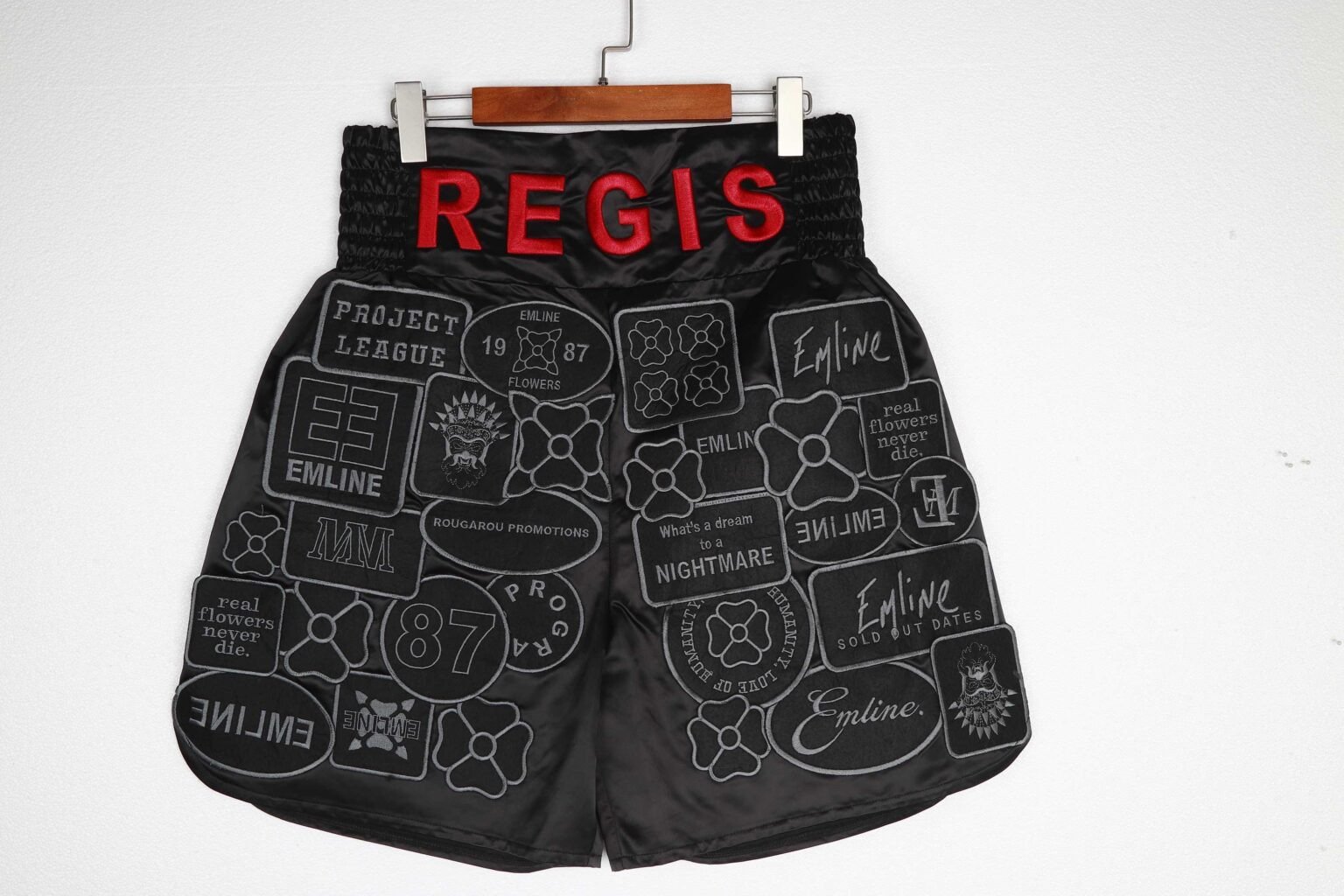
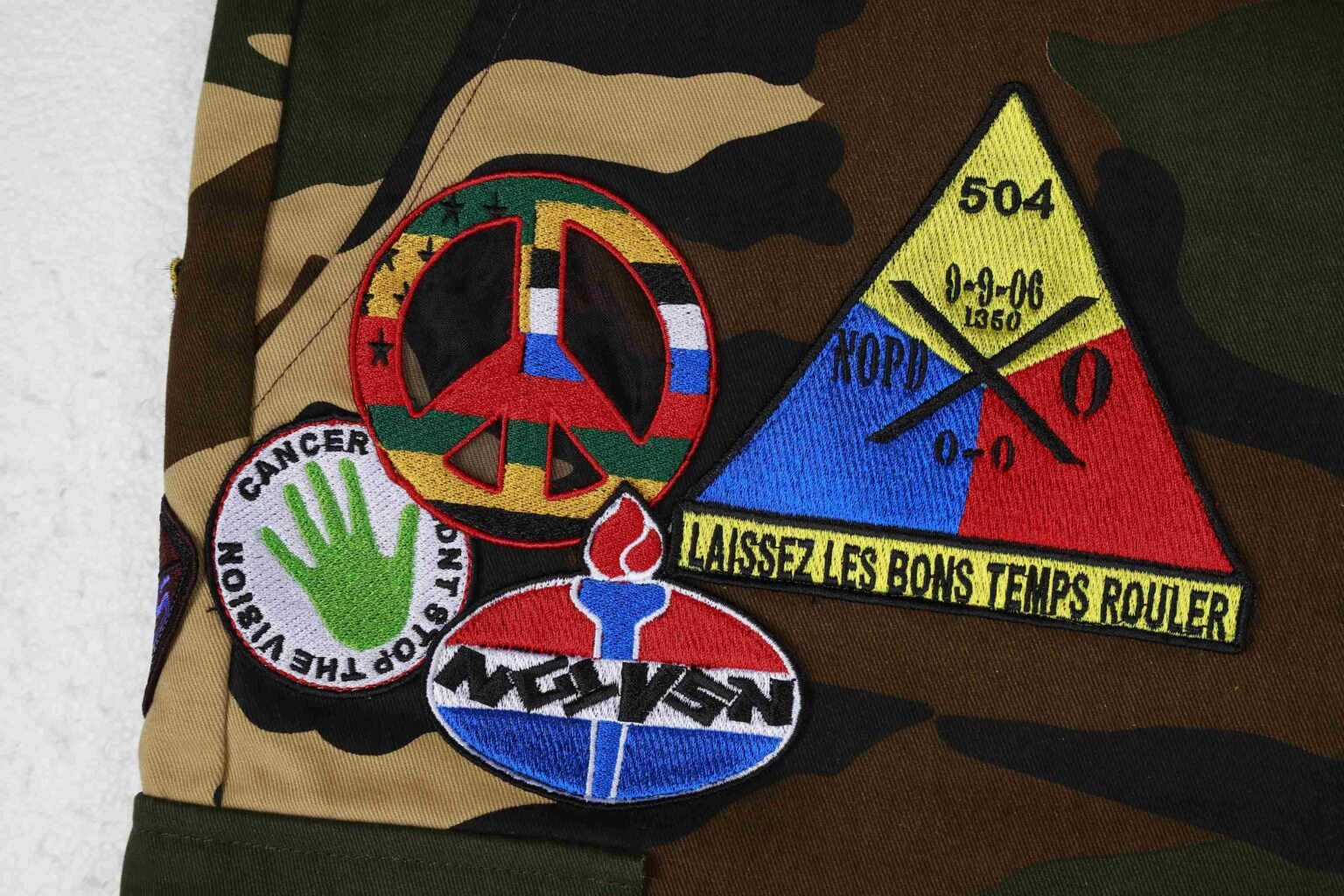
Custom Embroidery Logo Patch Product Gallery


The Manufacturer's Process: How Your Digital Logo Becomes a Stitched Reality
There is a lot that goes into turning a computer file into an actual patch, and it’s all a blend of art and technology. We learn what works in patch projects, and what doesn’t. Understanding this process, you will appreciate the skill its mastery requires, and will be able to make informed choices. All the time, people make mistakes by sending in low-quality art, or designs with color fades, tiny words that don’t translate well in thread.
Step 1: Digitization – The Crucial Blueprint
This first step matters most. A digitized file type is not all that changes in the digitization process. Every stitch is precisely planned by a skilled individual, known as a digitizer. They employ a specific kind of software to produce a map instructing the embroidery machine where to apply each stitch, which stitch to use and when to switch colors.
Digitizing professionally is really a skill. It’s what separates a sloppy patch from a polished, professional-looking one. This process constitutes the basis of the final quality.
Step 2: Material Selection & Machine Setup
Once the digital file is complete, we prepare the parts materially. We choose the right twill color for the base, and then parallel thread matches exactly your brand colors. We put a stabilizer behind the twill to give it some extra support when stitching. The digitized file goes into one of our high-end industrial embroidery machines, such as Tajima, which are famous for their precision and speed.
Step 3: The Stitch-Out – Precision in Action
That’s when the magic occurs. The machine will trace out the design and start the Stitch-Out. Hundreds of needles collaborate to precisely position each stitch right, layering your logo and color brick by brick. This process is overseen by a manager to ensure correct thread tension and to monitor the machines. For the large orders, we can make the sample for you to check the quality before bulk production.
Step 4: Finishing – The Final Touches
When the sheet of embroidered patches is finished, it proceeds to finishing. We cut individual patches from the sheet with a precise laser cutter (to obtain complex shapes) or a die-cutter (to obtain standard shapes). Then we add your backing (be it iron-on or Velcro) to each patch and voilà, from idea to finished product.
Embroidery Logo Patch Customization Options: For All Your Brand Needs
For apparel brands, we offer a variety of embroidery customization options and personalized garment details tailored to your branding needs.
With our expertise in flat embroidery, 3D embroidery, appliqué patches, labels, and finishing accessories, you can design truly unique apparel that reflects your brand identity.
Our mission is to help you achieve standout products that connect with your audience. As an experienced Clothing Embroidery Manufacturer, we provide end-to-end customization solutions to fulfill all your branding requirements — whether you need embroidered logos, decorative appliqués, or full embroidery design integration.
Embroidered, Woven, or PVC? A Clear Comparison for Choosing Your Perfect Patch
Embroidered patch is a timeless classic and it’s a great option for a lot of your patches, however not every patch benefits from an embroidered patch. The other types of patch bring features of texture, detail, and toughness. Choosing the best one means your design is looking its best. The history of patches in fashion is old — but now you have more options than ever.
Here’s an easy comparison to help make your mind up:
Patch Type | Best For… | Texture | Detail Level |
Embroidered | Classic logos, workwear, bold text, traditional looks | Raised, textured thread | Good |
Woven | Intricate details, fine lettering, complex logos | Flat, smooth surface with a slight sheen | Excellent |
PVC / Rubber | Rugged outdoor gear, tactical equipment, modern branding | Soft, flexible, rubbery | Excellent (3D effect) |
Printed / Sublimated | Photographic images, gradients, highly detailed artwork | Flat, smooth fabric surface | Photographic |
Embroidered Patches have a classic, 3D texture that adds depth and a traditional feel. They work well for logos with bold lines and text but don’t show very fine details clearly.
Woven Patches use thinner threads woven together instead of stitched onto backing. This allows for excellent detail and clean lines, making them ideal for complex logos or small text.
PVC Patches are made from soft, durable rubber. They resist water and weather, perfect for bags, jackets, and outdoor brands. They can be shaped to create sharp, 3D designs.
Printed Patches involve printing directly onto fabric. This method allows unlimited colors, gradients, and photo-realistic images that embroidery can’t create.
The Fabric Pairing Guide: Matching Your Patch to the Garment
Even a handsome patch can be spoiled if it is placed on the wrong material. We know, because we are 10 years old. Applying a thick, stiff iron-on patch to a thin, stretchy performance polo will make it bubble, and it will probably fall off with time. Not only can bad matches mar both the patch and the clothing.
This guide will help ensure a perfect, lasting match.
For Heavy-Duty Fabrics (Denim, Canvas, Heavy Cotton Twill)
These heavy-duty materials are great with practically any patches. They help the building to carry more weight and activity.
- Recommendation: Traditional Embroidered Patch. These sturdy fabrics work perfectly with the classic, textured look of embroidery.
- Best Backing: Sew-on is the strongest option for maximum durability. Iron-on also works well for these heat-resistant fabrics.
For Performance & Synthetic Fabrics (Polyester, Nylon Jackets)
These delicate, frequently heat-sensitive fabrics require special care. A dense patch will tug at the fabric, and high heat will melt or scorch it.
- Recommendation: Woven or PVC patches. Their lighter weight and flexibility work well with synthetic materials.
- Best Backing: Sew-on is strongly recommended to avoid heat damage from an iron. If you must use heat, a professional low-temperature heat-seal with a heat press is necessary.
For Knit & Stretch Fabrics (T-Shirts, Polos, Fleece)
The only problem with knits is that they tend to stretch and tug, which can warp the patch and the material around it.
- Recommendation: Lightweight Embroidered Patches (with lower stitch density) or Woven Patches work best to prevent fabric pulling.
- Best Backing: A flexible sew-on application is most reliable. If using heat, you need special flexible backing and a cut-away stabilizer to move with the fabric.
Your Guide to Backing Options: Choosing How to Attach Your Patch
The backing is what makes your patch stick to the clothing. Factor of permanence, convenience and for purpose. Always looking at the label (checking) for no heat just makes your garment last longer.
Standard Sew-On
This is the oldest, longest lasting and most rigid backing used. It is nothing more than a patch without a special backing, meant to be sewn onto a single layer of fabric.
- Pro: Most secure, works on all fabrics.
- Con: Requires sewing.
Iron-On (Heat Seal)
A thin layer of strong adhesive is applied to the back of the patch, which is activated by the heat of an iron or heat press.
- Pro: Convenient and easy for permanent application.
- Con: Not suitable for heat-sensitive fabrics like nylon, leather, or some synthetics.
Velcro (Hook & Loop)
This option includes both the “hook” side (the rough part) sewn to the patch and, often, a corresponding “loop” side (the soft part) to be sewn onto the garment.
- Pro: Allows patches to be easily swapped or removed.
- Con: Adds bulk; the loop side must be attached to the garment.
Adhesive (Sticker Back)
This is a peel-and-stick backing, like a sticker. It’s for short-term use only.
- Pro: Extremely easy and fast for temporary use.
Con: Not permanent and will not survive washing.
Partner with the Experts: Prime Streetwear Manufacturing 10-Year Commitment to Quality
That knowledge is what generates successful custom patch projects. At Prime Streetwear Manufacturing, we’ve based our system on this strength for more than 10 years. We are all about partnerships and good end-users relations. We’re not just order takers; we walk you through the process.
We also offer a wealth of experience to helping our clients’ designs work better for embroidery—locating any potential issues before becoming costly mistakes and yielding a better final product. We deal with each patch we ship out just like we would one of our own patches.
Whether you have a finished design or just an idea, our team is ready to help.
Let’s Create Something Unique Together
Are you curious to learn about how toothbrush embroidery can enhance your next range and make your brand stand out? We have a team of professionals to consult and guide you from conception to the finish line.
Contact us today to get started.
- Direct Email: info@primestreetwearmfg.com
- Phone Number: +923158183215
- WhatsApp: +923158183215
Conclusion: Elevate Your Brand with Patches That Last
Now you know the elements to a high-quality patch and the intricate production that goes into it. You know what style patch type, backings and fabrication to choose for your job.
A custom logo patch embroidered with high quality is not only decoration! It’s an investment in your brand that will last. You’ve invested, make it count by working with seasoned veterans who care about quality.
Real feedback from customers all over the world about
Prime Streetwear Manufacturing.
Communication & Production
How to Start Working with Prime Streetwear Manufacturing?
3X Your order is triple checked by our team prior to production and before shipment
Request a Free Quote & Consultation
Hit us up for a free quote. We’ll discuss your requirements — design, quantity, timing — and put a plan in place that works.
Submit Your Custom Design & Requirements
1. Choosing Custom Embroidery Logo Patch Material
2. Selecting the right Carft for the design
3. Payment for samples
4. Sample production after determining the color, size, and accessories of the sample
Receive Sample Prototypes for Approval
1. Are the fabrics satisfactory?
2. Does the craftsmanship live up to the design?
3. Are there any changes that need to be made to the colors, sizes, and accessories?
4. Details of large orders
Bulk Production & Delivery Process
1. Payment of deposit for large orders
2. Large Order Production Progress Inquiry
3. Final payment upon completion of prodution
4. Choose the right shipping method, pay the shipping fee, ship the goods
Frequently Asked Questions
What makes a high-quality custom embroidery logo patch?
High-quality patches use the right combination of twill fabric, premium thread (polyester or rayon), and proper stitch density. Professional digitization ensures clean, detailed designs that last.
How are custom embroidery logo patches manufactured?
The process involves digitization (creating a stitch blueprint), material selection, machine setup, stitch-out (actual embroidery), and finishing touches like cutting and backing application.
What backing options are available for custom embroidery logo patches?
Common backing options include sew-on (most durable), iron-on/heat seal (convenient), Velcro/hook & loop (removable), and adhesive/sticker back (temporary).
Which fabrics work best with custom embroidery logo patches?
Heavy-duty fabrics like denim and canvas work well with traditional embroidered patches. Performance fabrics need lighter woven or PVC patches, while knit fabrics require lightweight, flexible patches.
What alternatives to custom embroidery logo patches should I consider?
Alternatives include woven patches (for fine details), PVC/rubber patches (for outdoor use), and printed/sublimated patches (for photographic images and gradients).
Custom Embroidery Logo Patch Manufacturer Offer
Prime Streetwear Custom Embroidery Logo Patch Manufacturer was created to provide helpful service, simple streamlined ordering & eco-friendly options. A company with transparent prices & ethics, a company that aims to create good things.
Prime Streetwear Manufacturing Difference
Prime Streetwear Manufacturing was created, to provide helpful service, simple streamlined ordering & eco-friendly options. A company with transparent prices & ethics, a company who aims to create good things.
Innovative Ideas
Prime Streetwear Manufacturing is proud to be a leading partner in the promotional products + fashion industry. With unique ideas + out of the box printing methods.
We Stand Behind Our Work
Our main goal is to provide peace of mind so you can relax and have confidence that your job will come out exactly as you had imagined.
Quality Over Quantity
Prime Streetwear Manufacturing believes in quality over quantity and we want our customers to feel the same way.
Dedicated Reps
Each account receives a dedicated rep who can be reached face to face by phone or via e-mail.
Long Lasting Relationships
We value all of our clients and aim to solidify long lasting & mutually beneficial relationships.