

The Ultimate Guide to Clothing Embroidery: 13 Techniques to Elevate Your Apparel
Introduction: More Than Just a Stitch
Embroidery is not just decoration. It’s a statement of quality, a mark of luxury, and a touch that connects customers to brands. For hundreds of years, it has been a powerful artistic expression in fashion, instantly making garments more valuable.
Picking the right clothing embroidery technique matters a lot. This choice affects the texture, durability, and cost of your final design, which directly impacts your product’s success and your brand’s image.
With 10 years of experience making clothes, we’ve helped many brands through this process. Our guide shares what we’ve learned to help you make smart choices with confidence.
Here’s what we’ll cover:
- A detailed breakdown of 13 essential embroidery techniques.
- A guide to help you choose the perfect stitch.
- Inside knowledge on what makes high-quality embroidery.

Freight discount

Free Full Creative Proof For Approval

Free Digital Mock Ups

Custom packaging
Beyond the Stitch: A Manufacturer's Perspective on Quality
After 10 years in clothing production, we know that great embroidery is about more than just the machine. The final quality comes from technical skill and material choices that clients often miss.
The Importance of Digitization
Digitization is the art of converting your design file into a stitch file that the embroidery machine can read. A poor digitization file will result in a terrible quality product, no matter how advanced the machine or skilled the operator.
An experienced digitizer knows how to path stitches correctly, set the right stitch density, and account for fabric type to prevent puckering and ensure a clean, professional finish. This is an art form, not just a software conversion.
Thread Selection Matters (Polyester vs. Rayon)
The choice of thread greatly affects the final look and longevity.
Polyester is the industry workhorse. It offers a beautiful sheen, superior durability, and is extremely colorfast, making it resistant to bleach and harsh washing. It’s the ideal choice for workwear, uniforms, and any garment that will see heavy use.
Rayon has a silk-like luster and a softer hand-feel. It drapes better on lightweight fabrics and is preferred for high-fashion items where a superior sheen is desired over rugged durability.
The Unseen Hero: Backing and Stabilizer
Backing is the non-woven material hooped with the garment to keep the fabric stable during the stitching process. Without the correct backing, the fabric will pucker and distort, ruining the design.
The right stabilizer is chosen based on the fabric’s weight and the stitch density of the design. Its weight is measured in ounces per square yard (e.g., from a light 1.5 oz for t-shirts to a heavy 3.0 oz for dense designs on fleece). Cut-away backing is used for unstable knits like polos and sweatshirts, while tear-away is suitable for stable woven fabrics like denim.
A Deep Dive: 13 Essential Clothing Embroidery Techniques for Apparel
Picking the right embroidery method matters a lot. The thread type, stitching style, and overall finish can completely transform how a garment looks, feels, and represents your brand. Here, we explain thirteen key embroidery techniques we often use for top clothing brands.
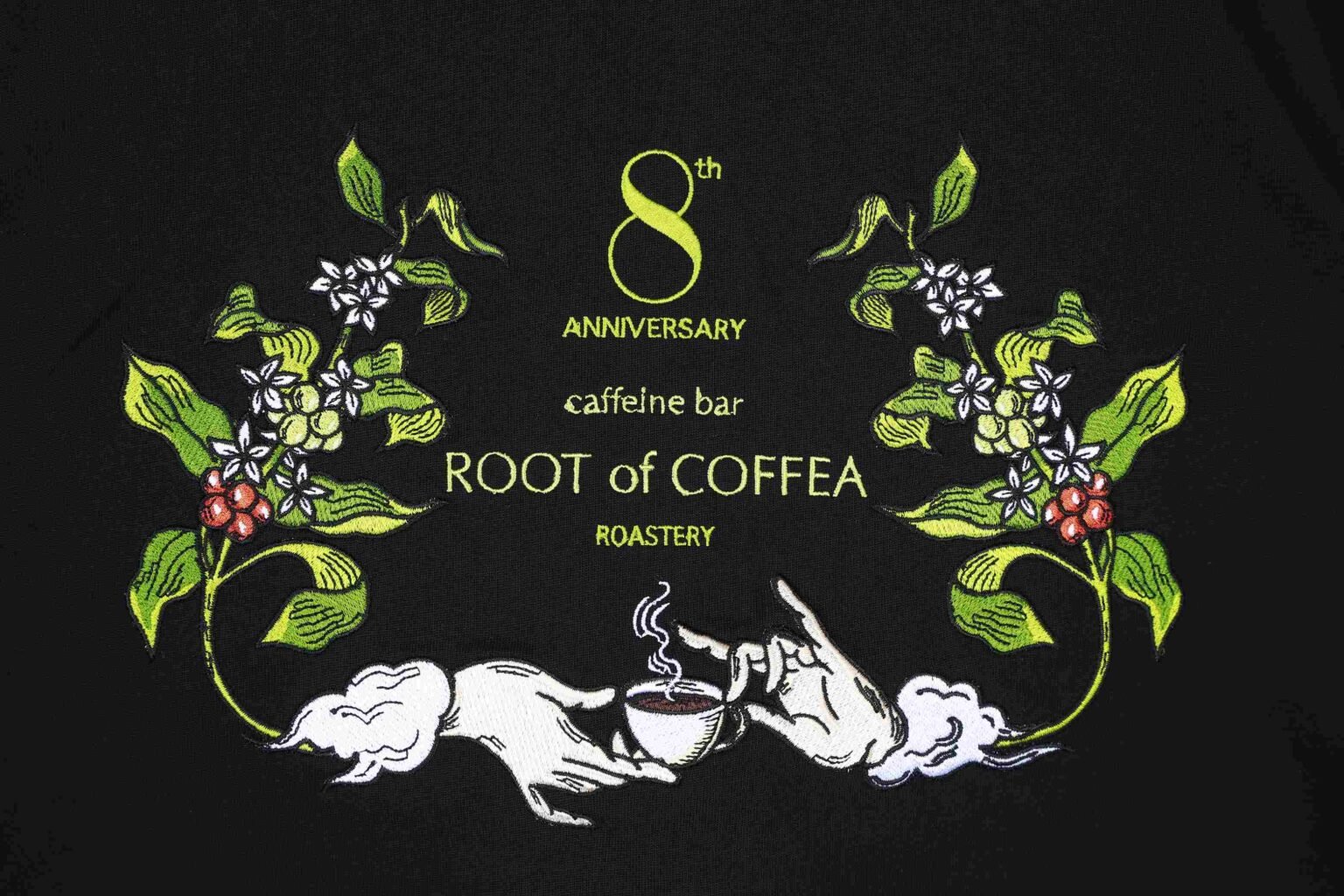
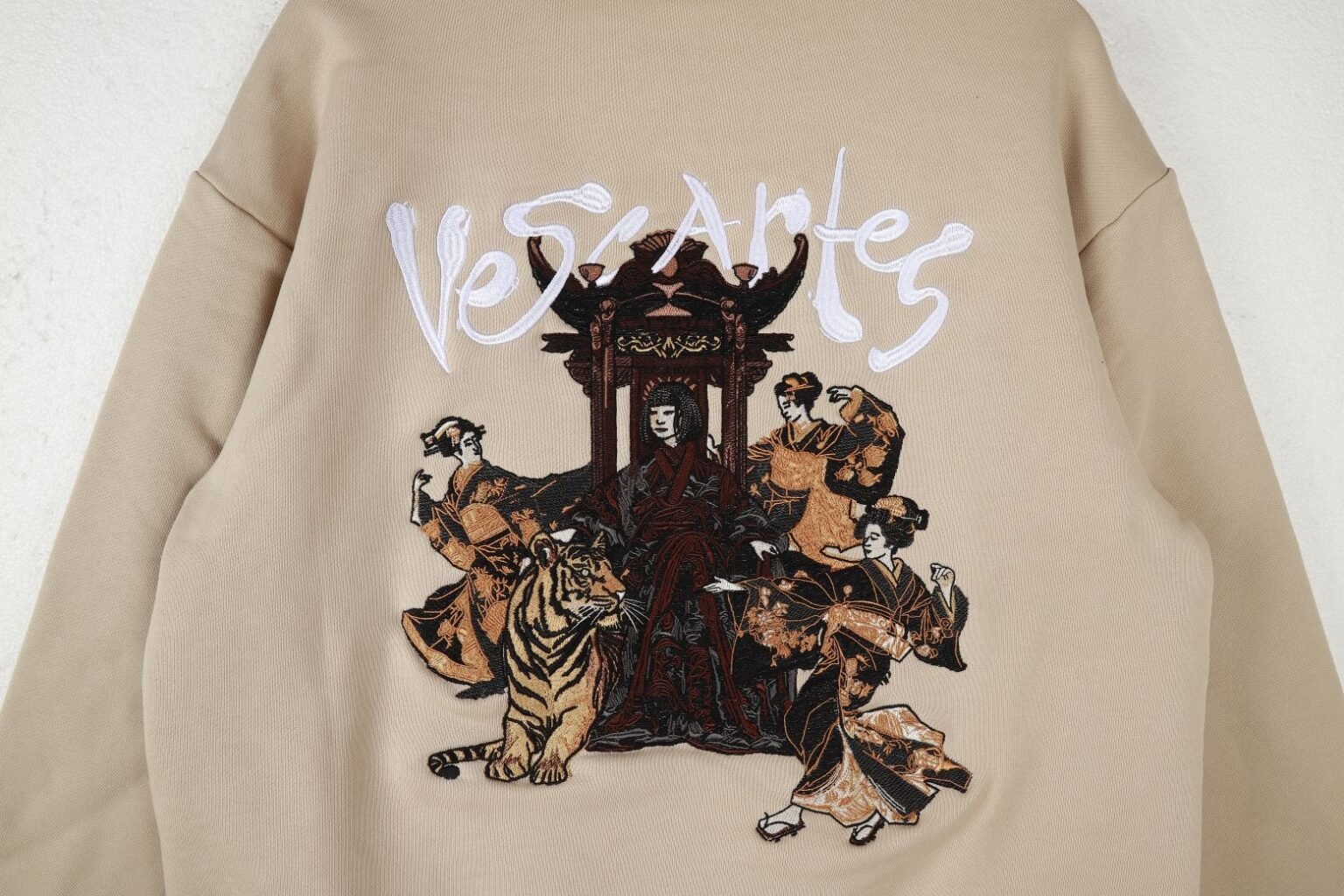
Flat Embroidery
Process Overview: This is the most common technique, where threads are stitched directly and flatly onto the fabric using satin and fill stitches. It’s basic for most logos and text work.
- Pros: Great for small details, affordable for most designs, very flexible, and long-lasting.
- Cons: Lacks texture or “pop” compared to other methods; may look less impressive on some clothes.
- Best Suited For: Corporate polos, t-shirts, detailed logos on lightweight jackets, and general apparel branding. Works well on cotton, polyester, and denim.
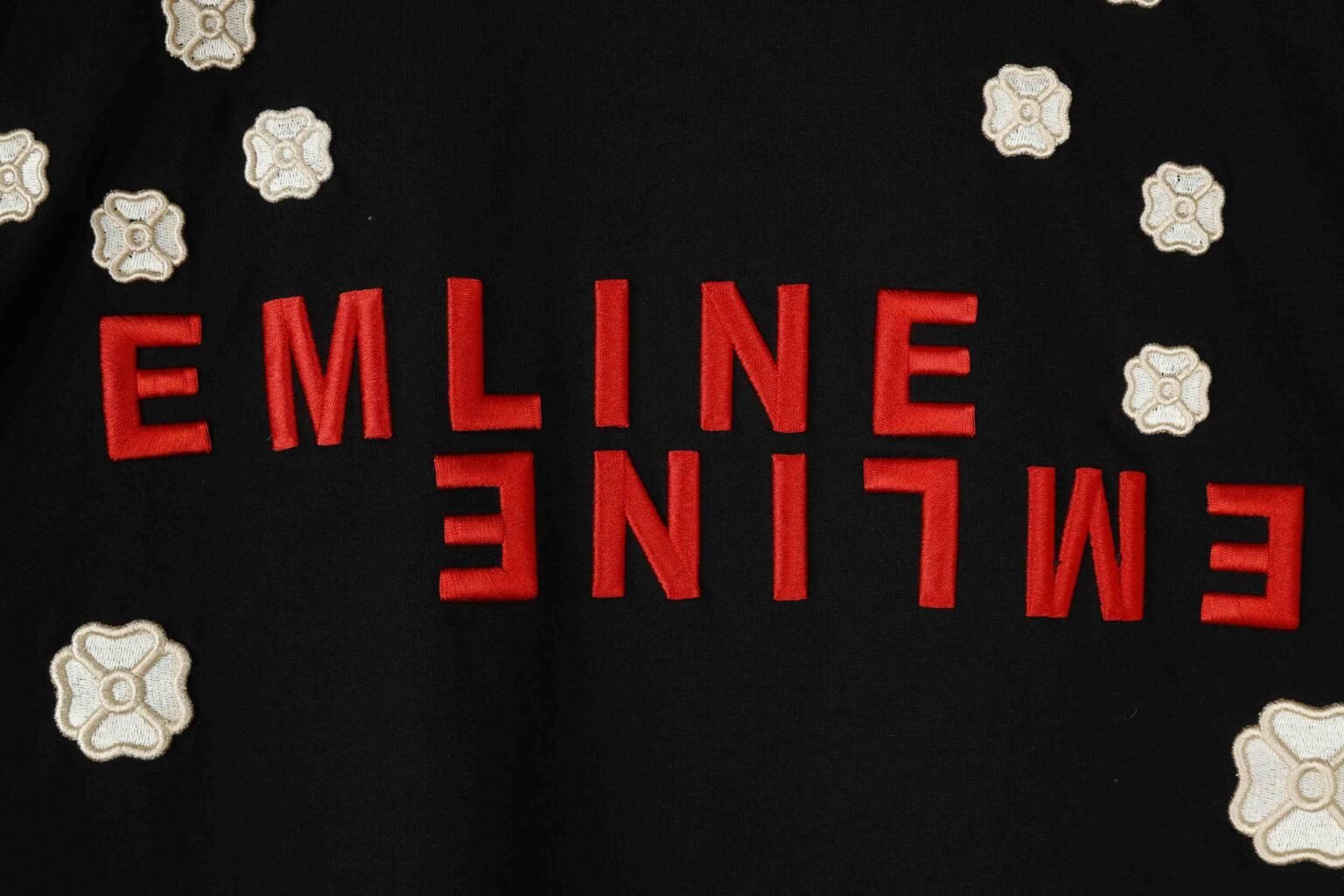
3D Puff Embroidery
Process Overview: A layer of foam is placed onto the garment, and the embroidery machine stitches over it. The dense stitching cuts the foam, leaving a raised, three-dimensional effect.
- Pros: Creates a bold look that stands out; adds significant value.
- Cons: Not good for fine details or small text; costs more due to materials and process; best on sturdy fabrics.
- Best Suited For: Hats and caps (especially letterman style), logos on heavyweight hoodies, varsity jackets, and streetwear.
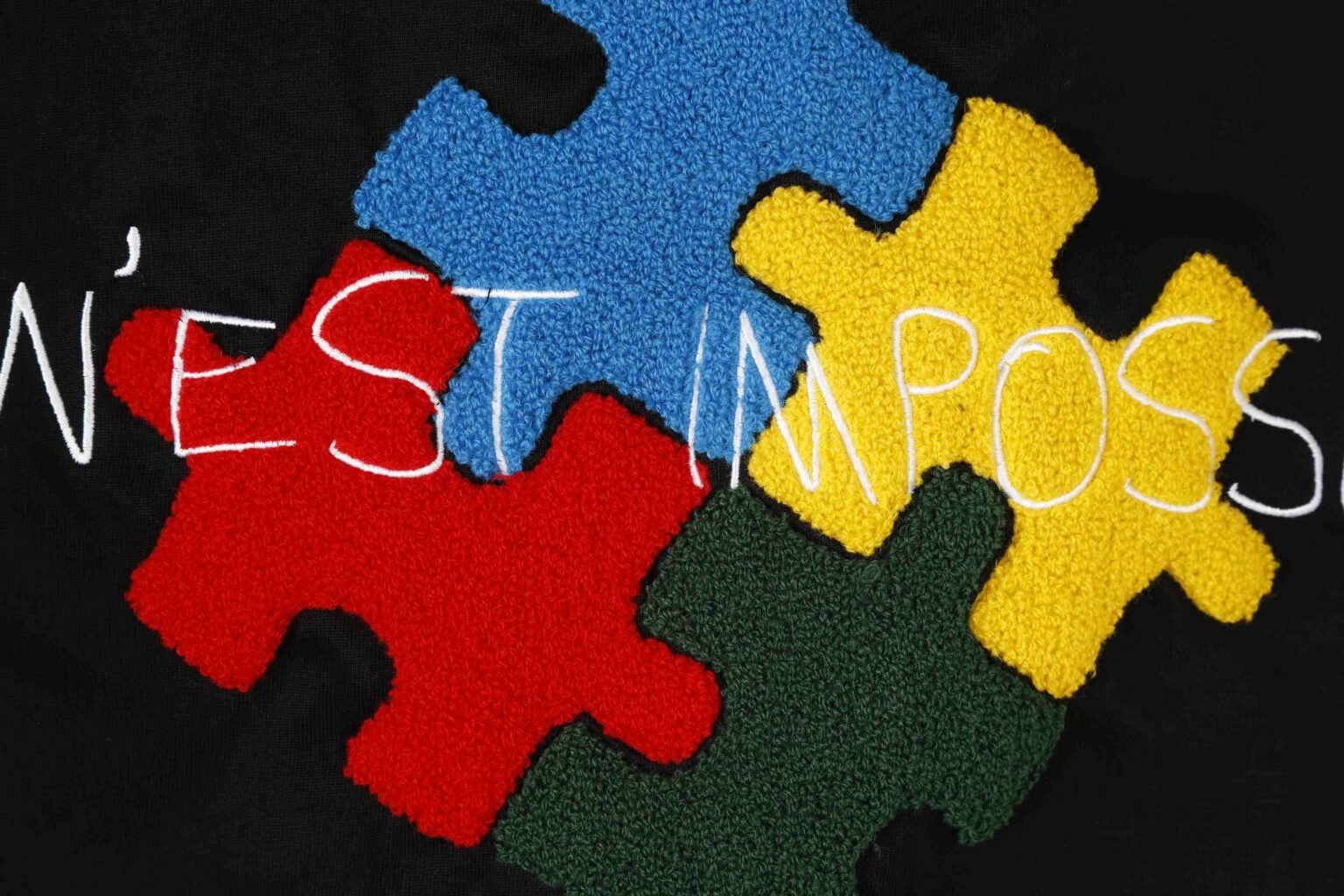
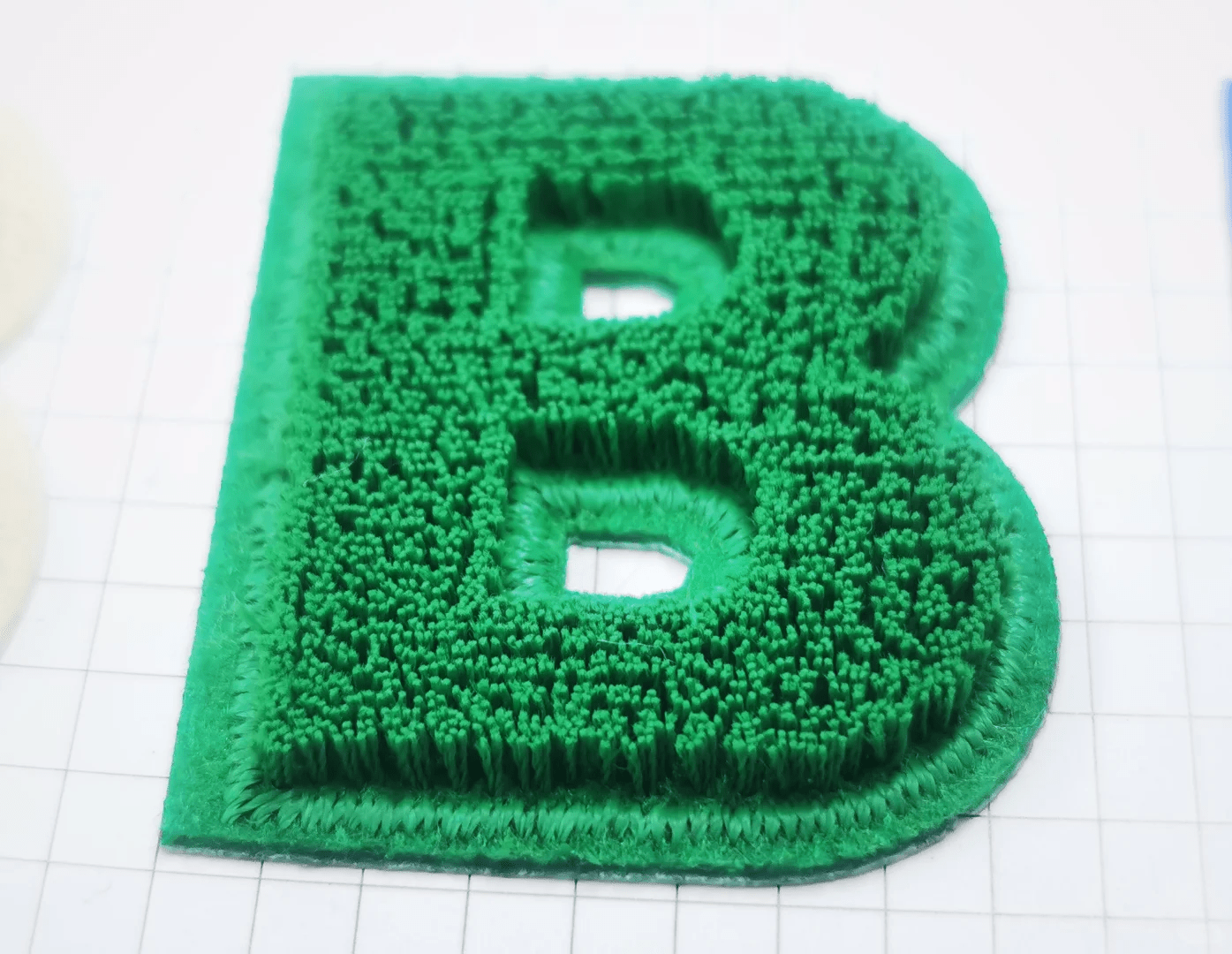
Towel (Chenille) Embroidery
Process Overview: Special yarn is stitched in loops onto the fabric, creating a soft, textured surface like a towel or classic varsity letter.
- Pros: Unique, retro, and very touchable texture; provides a bold look without being as stiff as 3D puff.
- Cons: Can’t show much detail; might snag if not cared for well; costs more.
- Best Suited For: Letterman jackets, university and team apparel, sweatshirts, and children’s clothing. Best on fleece, felt, and heavy cotton.
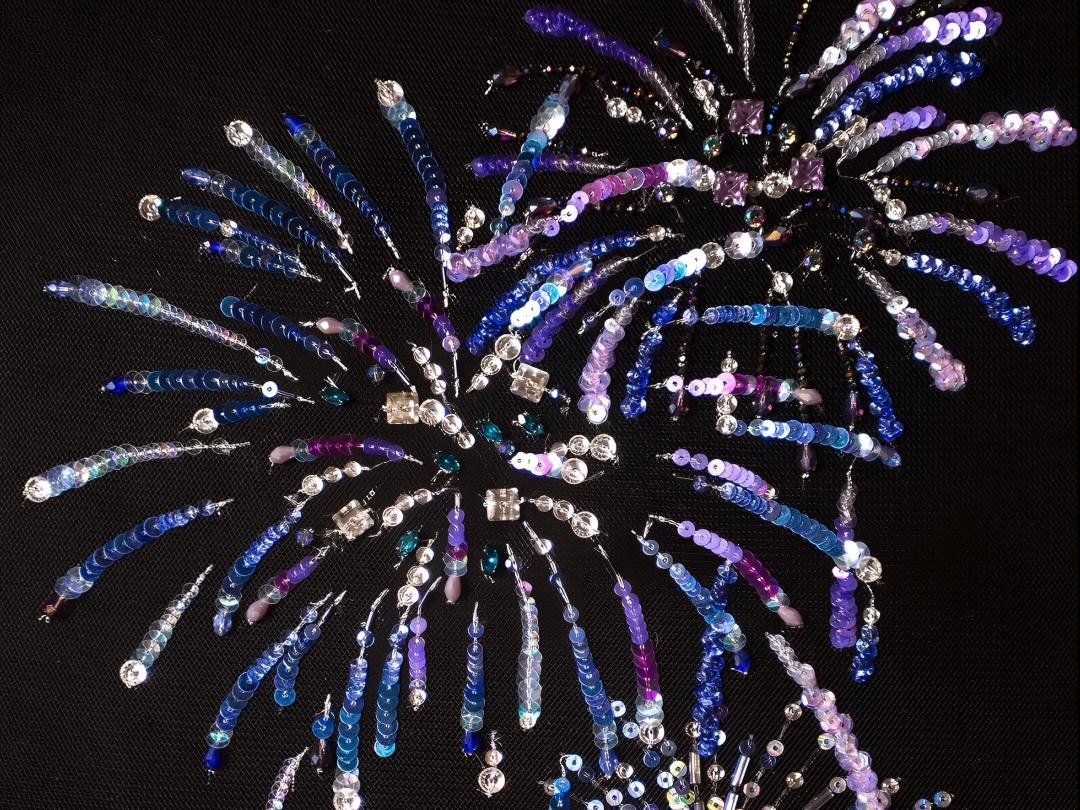
Sequin Embroidery
Process Overview: Small, shiny discs are stitched onto fabric, either one by one or in a line, by a special embroidery machine.
- Pros: Gives maximum glamour and eye-catching sparkle; can cover entire areas or just accent parts.
- Cons: Can be fragile and need special care when washing; much more expensive and time-consuming.
- Best Suited For: High-fashion items, evening wear, costumes, and statement pieces. Works on delicate fabrics like silk and satin, as well as sturdy cottons.
Ribbon Embroidery
Process Overview: Instead of thread, this method uses thin silk or synthetic ribbons to create flowers and decorations with a soft, 3D look.
- Pros: Creates a delicate, romantic, and clearly handmade appearance; adds beautiful texture.
- Cons: Not good for clothes that need frequent, harsh washing; only works for certain design styles.
- Best Suited For: Women’s fashion, bridal wear, children’s apparel, and decorative pieces. Best on natural fibers like linen and cotton.
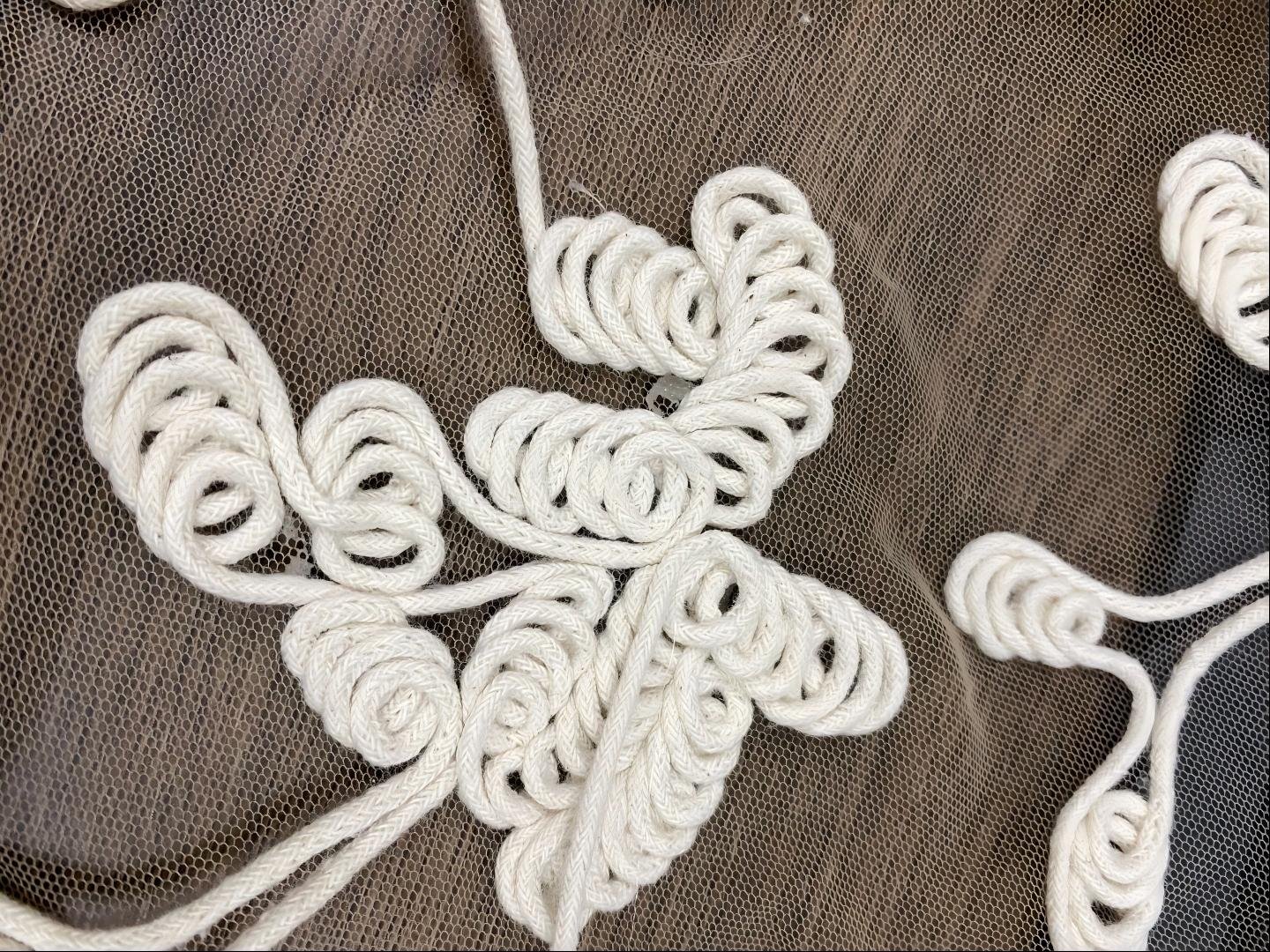
Rope Embroidery
Process Overview: A thick cord is laid on the fabric surface and stitched in place, often with matching or contrasting thread.
- Pros: Creates a bold, nautical, or rustic look with noticeable texture; very durable.
- Cons: Not good for fine details; works best for outlines and simple shapes.
Best suited For: Outerwear, heavy denim jackets, decorative pillows, and tote bags.
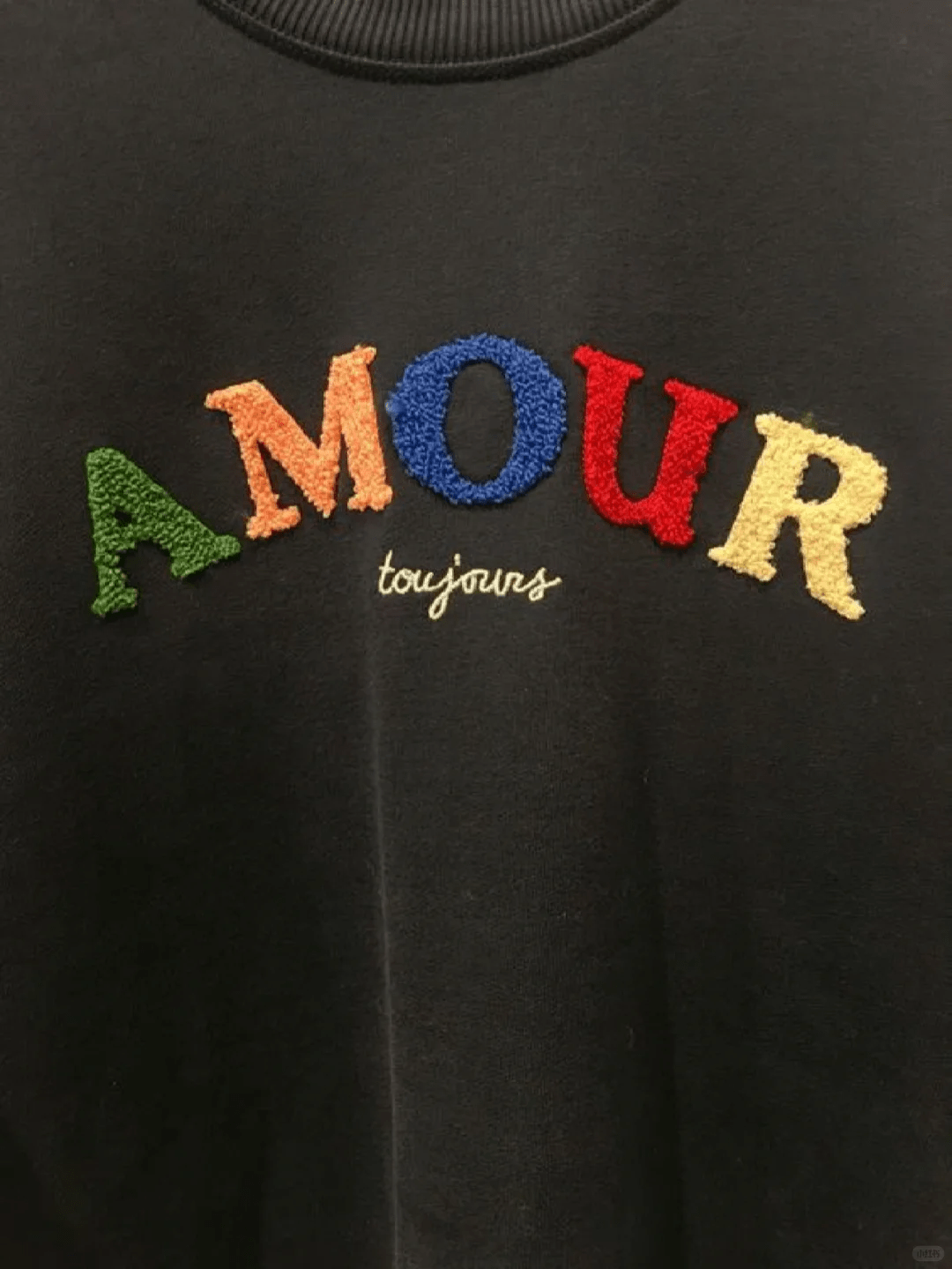
Toothbrush Embroidery
Process Overview: Dense loops of yarn are stitched upright onto the fabric. These loops are then cut, creating a texture like the bristles of a toothbrush.
- Pros: Unique, dense, and fuzzy texture that stands up from the fabric; very dimensional.
- Cons: Can make the garment heavier; complex and expensive to produce; needs skilled technicians.
- Best Suited For: Statement streetwear, custom hoodies, and avant-garde fashion pieces where texture is the focus.
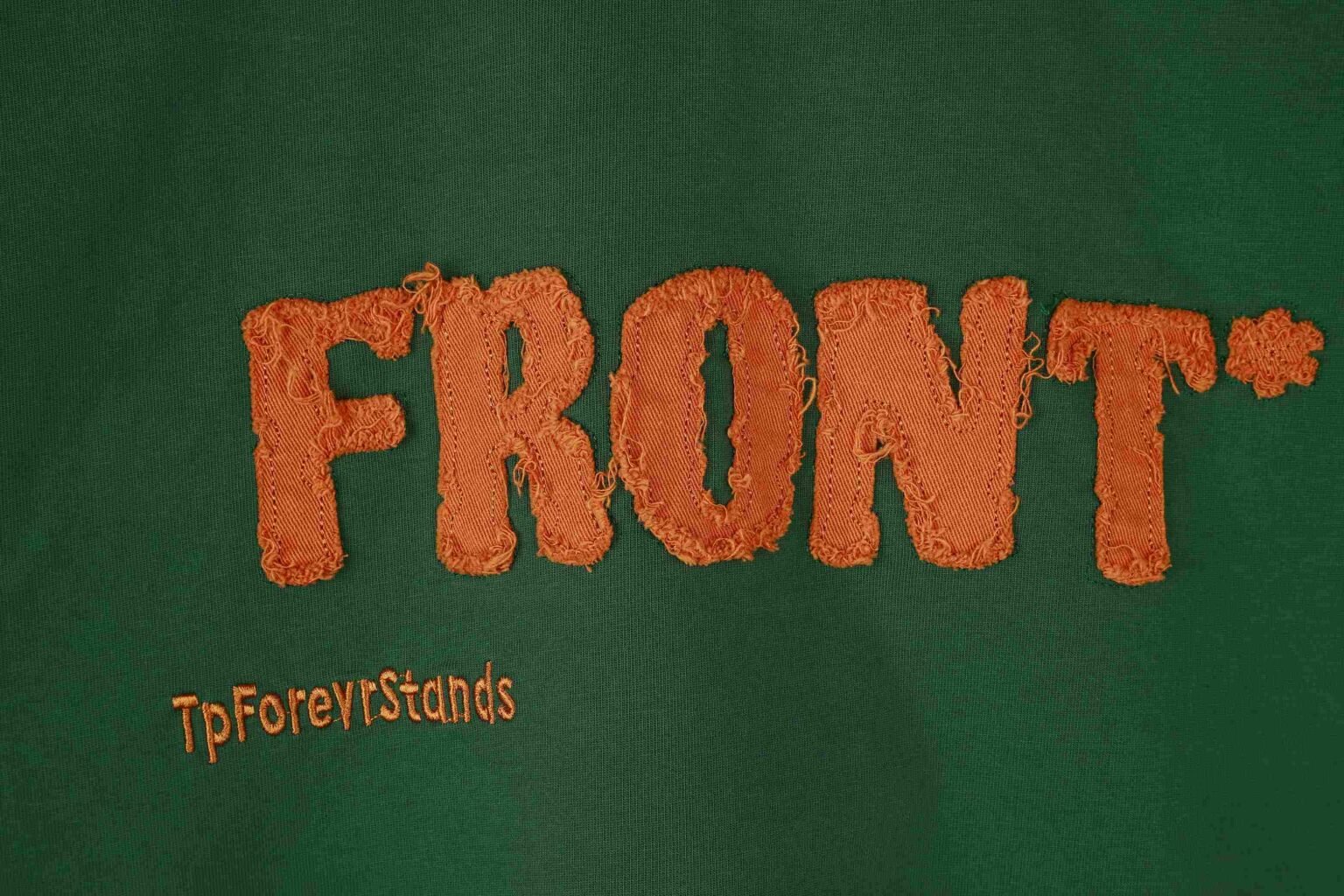
Appliqué Embroidery
Process Overview: A piece of fabric is cut into a shape and placed on the base garment. An embroidery machine then stitches around its edges, usually with a satin stitch, to secure it.
- Pros: Cost-effective way to cover large areas; allows for mixing textures and patterns; reduces overall stitch count and production time.
- Cons: The look depends on the appliqué fabric; edges can fray over time if not properly digitized and stitched.
- Best Suited For: Large logos and mascots on sportswear, sweatshirts, and children’s clothing.
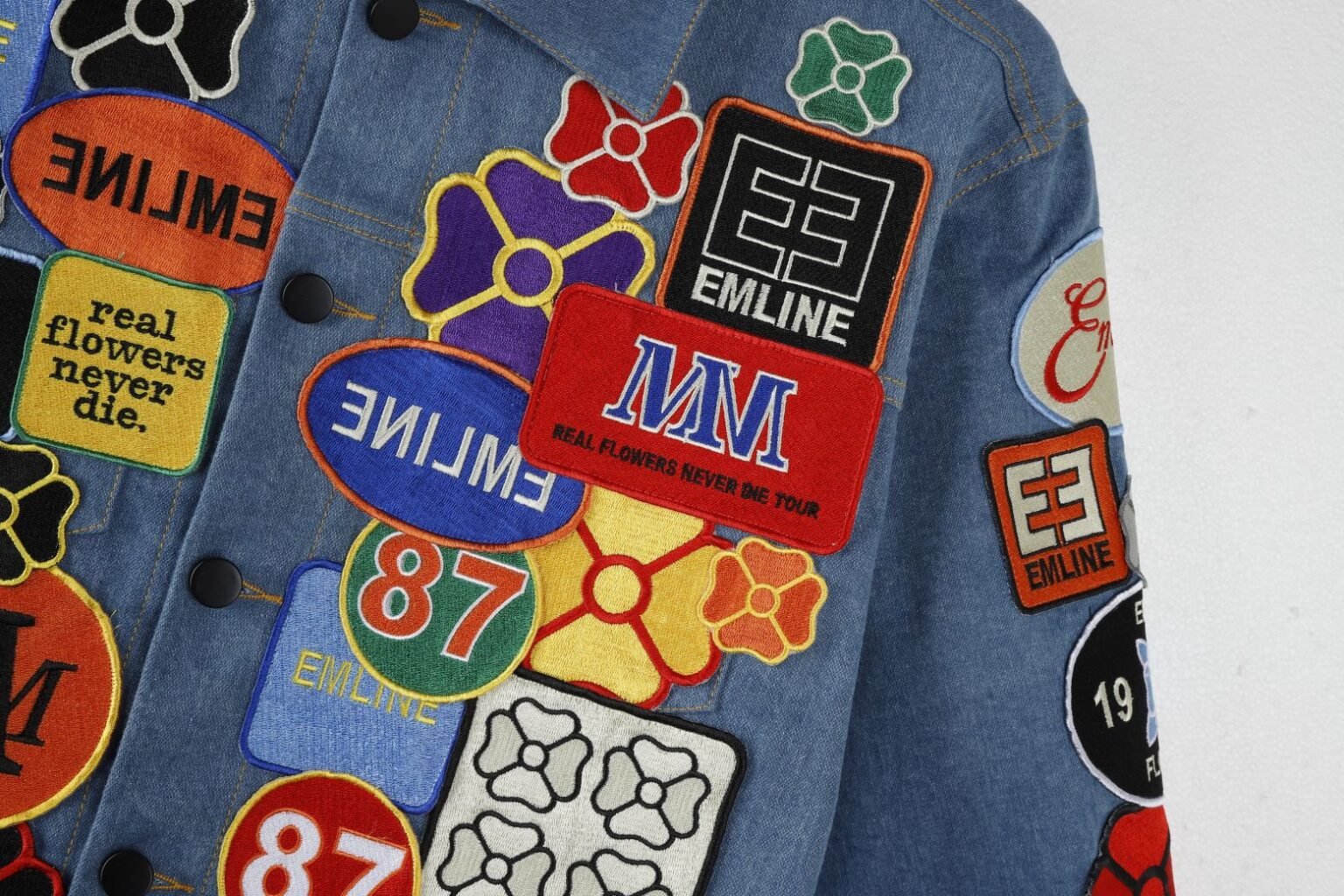
Custom Embroidery Logo Patch
Process Overview: A design is fully embroidered onto a separate piece of backing material (like twill or felt). The patch is then cut out and can be applied to the garment via sewing, heat press, or Velcro.
- Pros: Very durable and versatile; can be made in bulk and put on different items as needed; offers clear detail.
- Cons: Creates a distinct “added-on” look, which may or may not be wanted; application is an extra step.
- Best Suited For: Uniforms, hats, bags, outerwear, and for brands that want to sell patches as standalone merchandise.
Tassel Embroidery
Process Overview: This technique involves creating and firmly attaching tassels—bundles of thread tied together at one end—to a garment as a decorative, dimensional element.
- Pros: Adds a playful, bohemian, and moving element to designs; very touchable and unique.
- Cons: Can be delicate and may not survive harsh washing; mainly decorative rather than structural.
- Best Suited For: Scarves, hemlines of dresses, tote bags, and fashion knitwear.
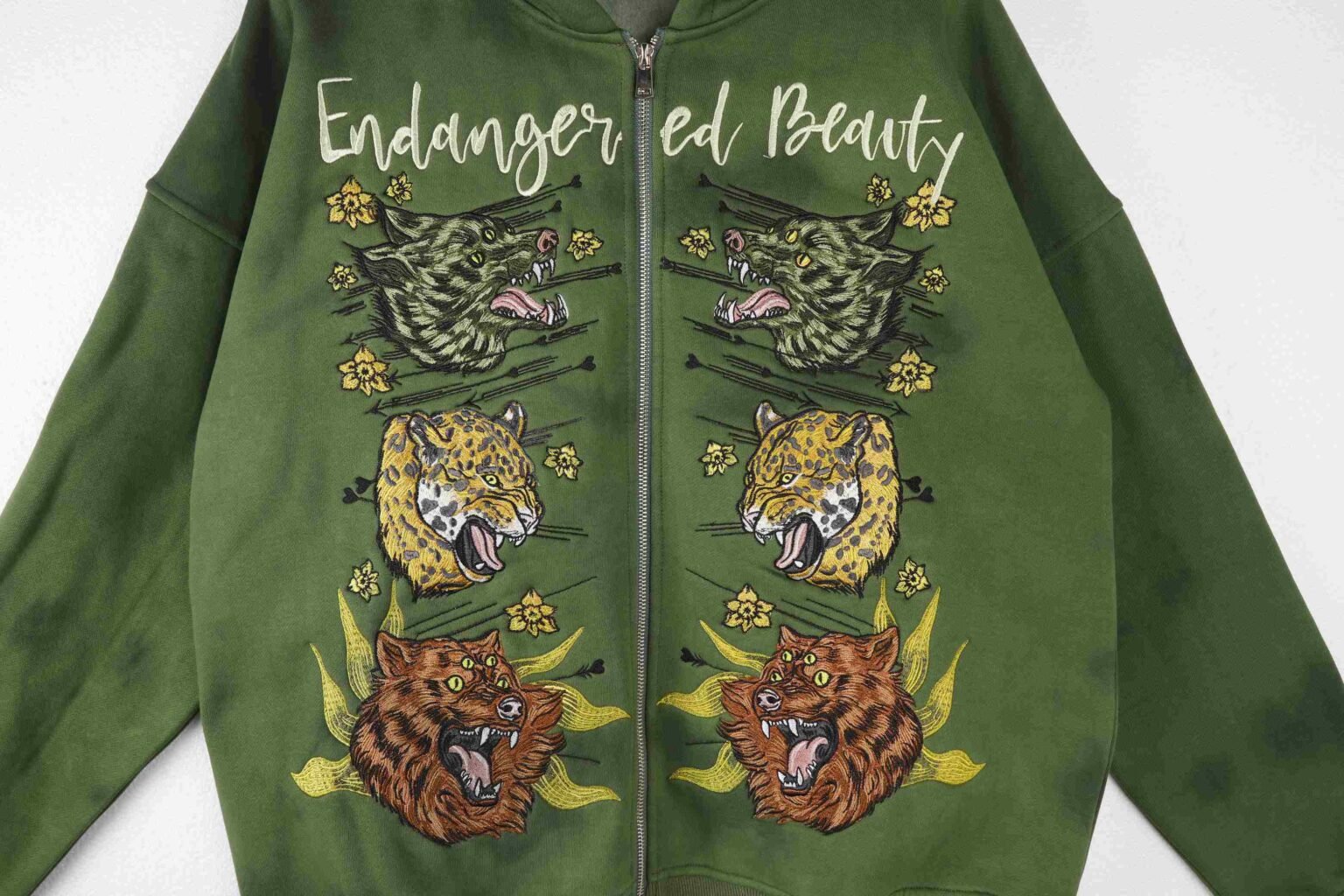
Chain Stitch Embroidery
Process Overview: The machine creates a series of looped stitches that form a chain-like line, resembling a rope. This classic technique has a distinct, flowing look.
- Pros: Creates a beautiful, textured line perfect for script lettering and outlining; has a vintage feel.
- Cons: Less efficient for filling large solid areas compared to a satin stitch.
- Best Suited For: Lettering on jackets (back script), Western wear, and retro-inspired apparel.
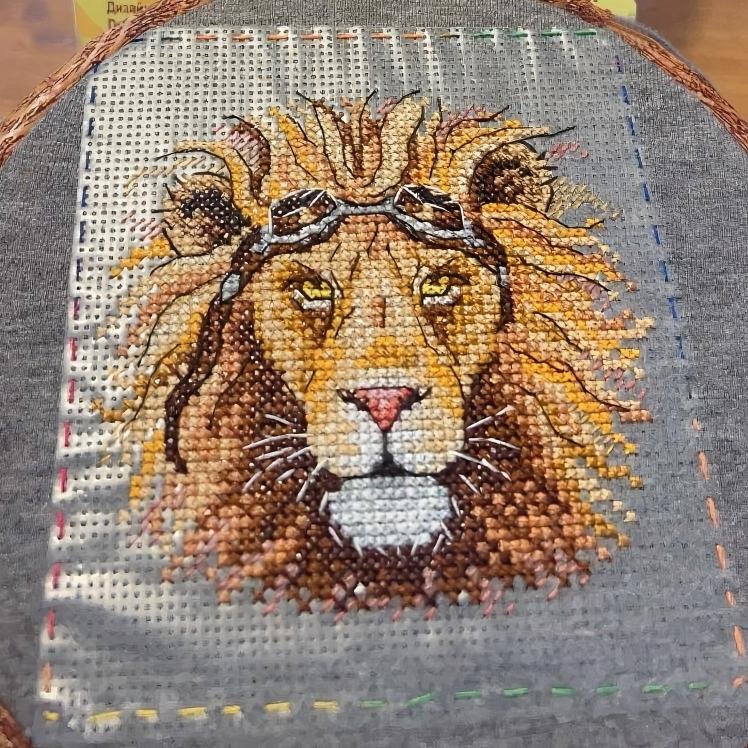
Cross-Stitch Embroidery
Process Overview: This traditional technique uses X-shaped stitches to form a picture, creating a pixelated or geometric look. Machines often do this to copy the hand-stitched appearance.
- Pros: Offers a classic, folk-art or retro-digital feel; highly durable.
- Cons: Takes time for large areas; the “pixelated” look may not fit all brand styles.
- Best Suited For: Decorative borders, quaint motifs on children’s wear, and designs aiming for a handmade or vintage vibe.
Eyelet Embroidery
Process Overview: This decorative technique involves stitching around small cut-out holes in the fabric, creating delicate openwork patterns. The stitches not only secure the cut edges but also form elegant shapes, often floral or geometric.
Pros: Adds a refined, airy, and sophisticated look; lightweight; ideal for creating decorative patterns that elevate garment aesthetics.
Cons: Not suitable for heavy-duty garments; limits in terms of very detailed logos; works best as embellishment rather than standalone branding.
Best Suited For: Summer dresses, blouses, children’s wear, handkerchiefs, and lightweight fashion apparel. Works beautifully on cotton, linen, and other breathable fabrics.
Clothing Embroidery Customization Options: For All Your Brand Needs
For apparel brands, we offer a wide range of custom clothing embroidery services tailored to your specific branding requirements.
With our extensive selection of thread colors, advanced embroidery techniques, garment accessories, personalized labels, and custom packaging options, you can create the exact embroidered apparel pieces you envision.
Our goal is to help you achieve a unique product that resonates with your customers and enhances your brand identity. Understanding the importance of customization, we, as a Clothing Embroidery Manufacturer, provide comprehensive embroidery solutions to fulfill all your brand’s specific needs — whether you’re producing embroidered t-shirts, hoodies, jackets, caps, or uniforms.
Choosing the Right Stitch: A Comparative Guide
Selecting the best clothing embroidery technique depends entirely on your design complexity, target garment, brand aesthetic, and budget. There is no single “best” option. This table provides a clear framework to help you compare the key techniques at a glance.
Technique | Visual Effect | Best for Details | Durability | Common Use Cases |
Flat Embroidery | Smooth & Detailed | High | Very High | Corporate logos on polos, detailed designs on t-shirts |
3D Puff Embroidery | Raised & Bold | Low | High | Lettering on caps, logos on heavyweight hoodies |
Towel (Chenille) | Textured & Soft | Low | Medium | Team mascots on varsity jackets, large designs on sweatshirts |
Appliqué | Layered & Textured | Medium | High | Large logos on sportswear, numbers on jerseys |
Chain Stitch | Rope-like Line | Medium | High | Script lettering on jackets, vintage-style outlines |
Custom Patch | Crisp & Detached | High | Very High | Uniforms, hats, outerwear, brand merchandise |
Sequin Embroidery | Sparkling & Glamorous | Low | Low | High-fashion garments, evening wear, costumes |
Your Partner in Excellence: Why Choose Prime Streetwear Manufacturing
Navigating the complexities of clothing embroidery requires a partner with proven expertise.
With 10 years in the clothing manufacturing industry, we provide more than just production; we offer guidance. Our experience is the foundation that allows us to help you translate a design concept into a high-quality, market-ready product. We understand the nuances discussed here—from expert digitization to meticulous material selection and execution.
We act as a one-stop solution for fashion brands, handling the critical details so you can focus on your vision. Whether you need a full production run or expert advice on the best embroidery for your line, our team is equipped to deliver excellence. Explore our comprehensive services at Prime Streetwear Manufacturing.
Ready to bring your designs to life? Let’s talk.
Conclusion: Making Your Mark with Quality Embroidery
High-quality clothing embroidery is a powerful tool for any apparel brand. It can define a product, justify a premium price point, and build a lasting connection with your customers.
As we’ve shown, success lies in the details. By choosing the right technique for your vision and partnering with a manufacturer who understands the technical nuances of digitization, thread, and backing, you ensure your final product is not just decorated, but truly elevated.
Let a seasoned partner help you make your mark. Contact Prime Streetwear Manufacturing today for a consultation.
Real feedback from customers all over the world about
Prime Streetwear Manufacturing.
Communication & Production
How to Start Working with Prime Streetwear Manufacturing?
3X Your order is triple checked by our team prior to production and before shipment
Request a Free Quote & Consultation
Hit us up for a free quote. We’ll discuss your requirements — design, quantity, timing — and put a plan in place that works.
Submit Your Custom Design & Requirements
1. Choosing Clothing Embroidery Material
2. Selecting the right Carft for the design
3. Payment for samples
4. Sample production after determining the color, size, and accessories of the sample
Receive Sample Prototypes for Approval
1. Are the fabrics satisfactory?
2. Does the craftsmanship live up to the design?
3. Are there any changes that need to be made to the colors, sizes, and accessories?
4. Details of large orders
Bulk Production & Delivery Process
1. Payment of deposit for large orders
2. Large Order Production Progress Inquiry
3. Final payment upon completion of prodution
4. Choose the right shipping method, pay the shipping fee, ship the goods
Frequently Asked Questions
What is the most common type of clothing embroidery?
Flat embroidery is the most common technique, ideal for logos and text on corporate polos, t-shirts, and lightweight jackets. It’s affordable, flexible, and durable.
How does 3D Puff Embroidery differ from regular embroidery?
3D Puff Embroidery uses a foam layer that’s stitched over and cut by the machine, creating a raised three-dimensional effect that stands out, particularly on hats and streetwear.
What clothing embroidery technique is best for delicate designs?
Eyelet embroidery (Broderie Anglaise) is excellent for delicate designs, creating light, airy patterns ideal for summer dresses and blouses made from lightweight cotton and linen.
Which embroidery thread is more durable - polyester or rayon?
Polyester thread offers superior durability and colorfastness, making it ideal for workwear and uniforms, while rayon provides a silk-like luster better suited for high-fashion items.
How does digitization affect clothing embroidery quality?
Digitization converts your design into a stitch file for embroidery machines. Poor digitization results in poor quality regardless of machine quality, as skilled digitizers ensure correct stitch density and prevent fabric puckering.
Clothing Embroidery Manufacturer Offer
Prime Streetwear Clothing Embroidery Manufacturer was created to provide helpful service, simple streamlined ordering & eco-friendly options. A company with transparent prices & ethics, a company that aims to create good things.
Prime Streetwear Manufacturing Difference
Prime Streetwear Manufacturing was created, to provide helpful service, simple streamlined ordering & eco-friendly options. A company with transparent prices & ethics, a company who aims to create good things.
Innovative Ideas
Prime Streetwear Manufacturing is proud to be a leading partner in the promotional products + fashion industry. With unique ideas + out of the box printing methods.
We Stand Behind Our Work
Our main goal is to provide peace of mind so you can relax and have confidence that your job will come out exactly as you had imagined.
Quality Over Quantity
Prime Streetwear Manufacturing believes in quality over quantity and we want our customers to feel the same way.
Dedicated Reps
Each account receives a dedicated rep who can be reached face to face by phone or via e-mail.
Long Lasting Relationships
We value all of our clients and aim to solidify long lasting & mutually beneficial relationships.