

+92-315-8183215

info@primestreetwearmfg.com

+92-315-8183215

+92-315-8183215

info@primestreetwearmfg.com

+92-315-8183215

The Ultimate Guide to Flat Embroidery: A Manufacturer's Perspective on Flawless Apparel Decoration

In the custom apparel industry, the decoration you choose for an item can be just as important as the garment itself. It is a reflection of a brand’s level of quality, durability and pursuit for perfection.

What is the foundation of this world? The answer is flat embroidery. This traditional method is both multi-purpose and timeless: Threads are sewn down onto a base fabric, producing a smooth, flat design that is still slightly textured and unequivocally elegant with its precision and fine finish.

This guide will bring you a deeper look than just a definition. You’ll discover the ‘how’ of our making FDM technology in action, the ‘why’ behind its main benefits and when you should consider it for your projects, and you’ll do so all from an expert’s perspective.

Decoding Flat Embroidery: The Foundation of Timeless Design

Like really understand the parts of flat embroidery. The beauty of the technique lies in the precise use of only two fundamental stitches.

These are contemporary equivalents of classic embroidery techniques developed for the machine!

The Anatomy of a Stitch: Satin vs. Fill Stitches

The Satin and Fill stitch combination will determine the final appearance of a design. Each has its own purpose.

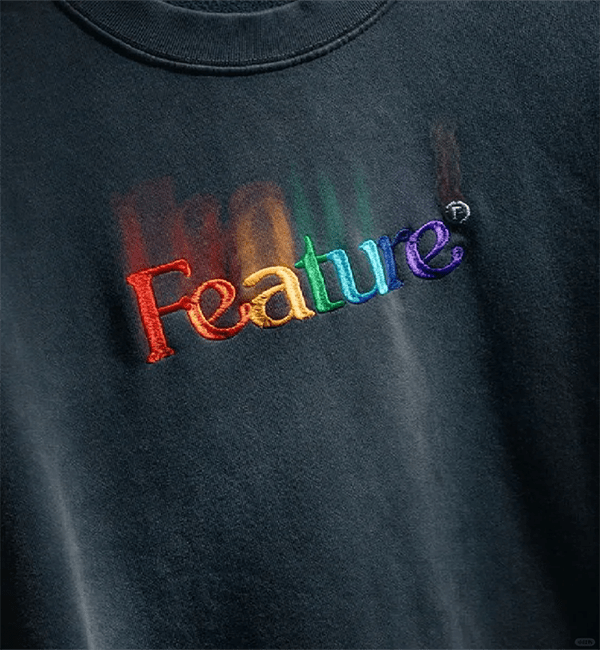
  • Satin Stitch: This is a series of straight stitches placed close together. It works well for creating smooth, shiny outlines, crisp borders, and clear lettering. It gives a premium, slightly raised look while staying basically flat against the fabric.


Fill Stitch (or Tatami Stitch): This stitch fills in large design areas. It uses a series of running stitches to create a textured, matte finish, giving solid coverage and stability for bigger elements.

Freight discount

Free Full Creative Proof For Approval

Free Digital Mock Ups

Custom packaging
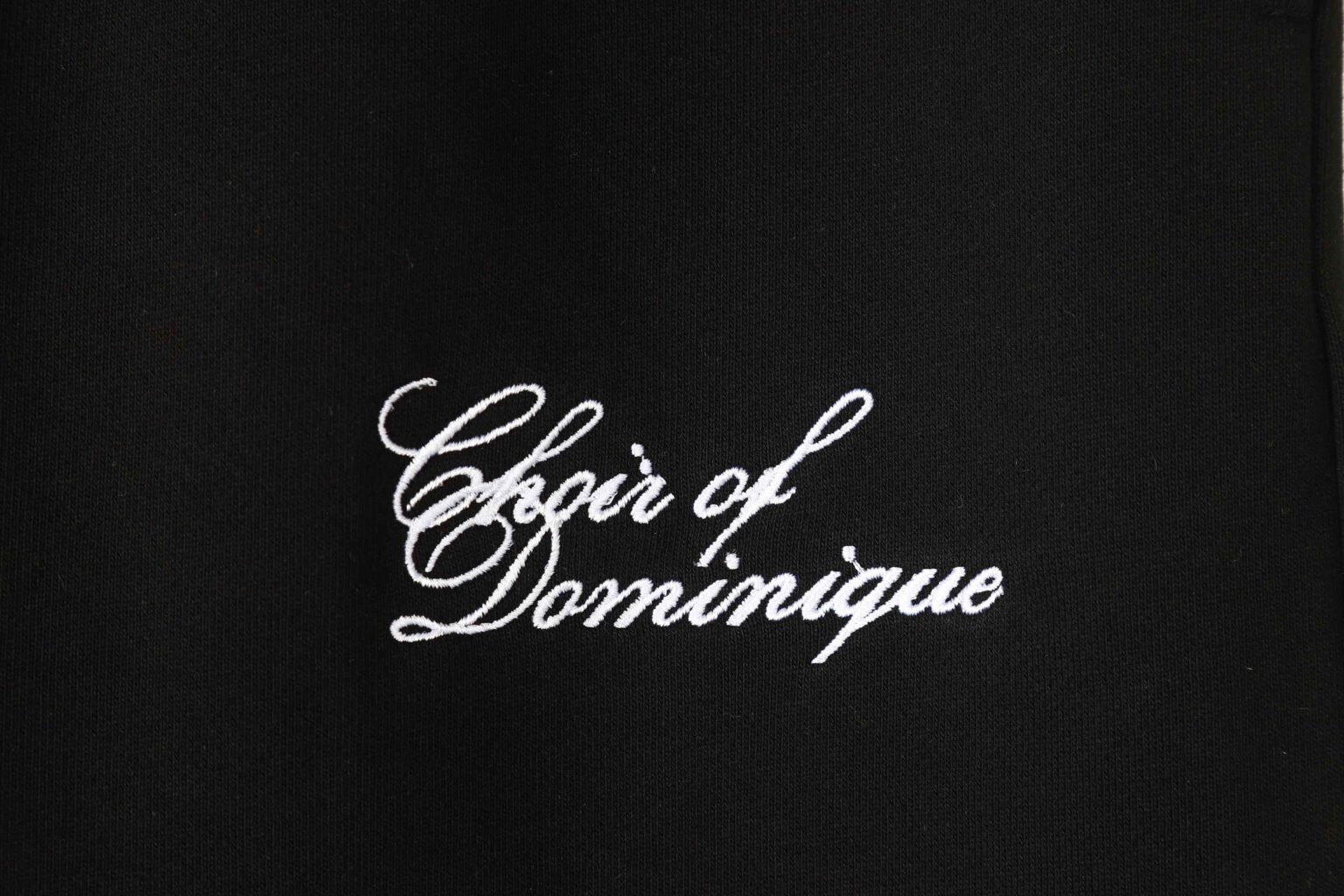
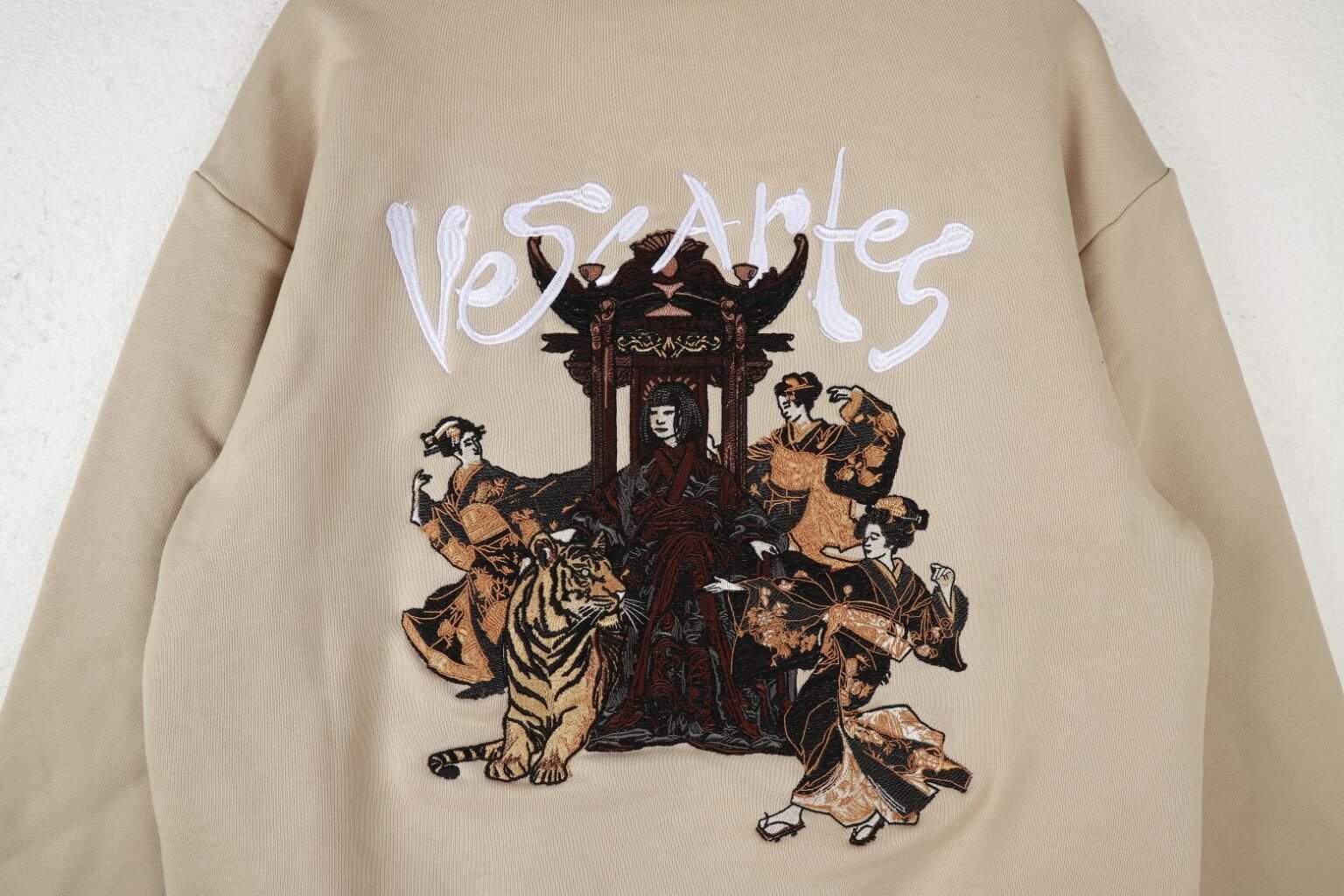
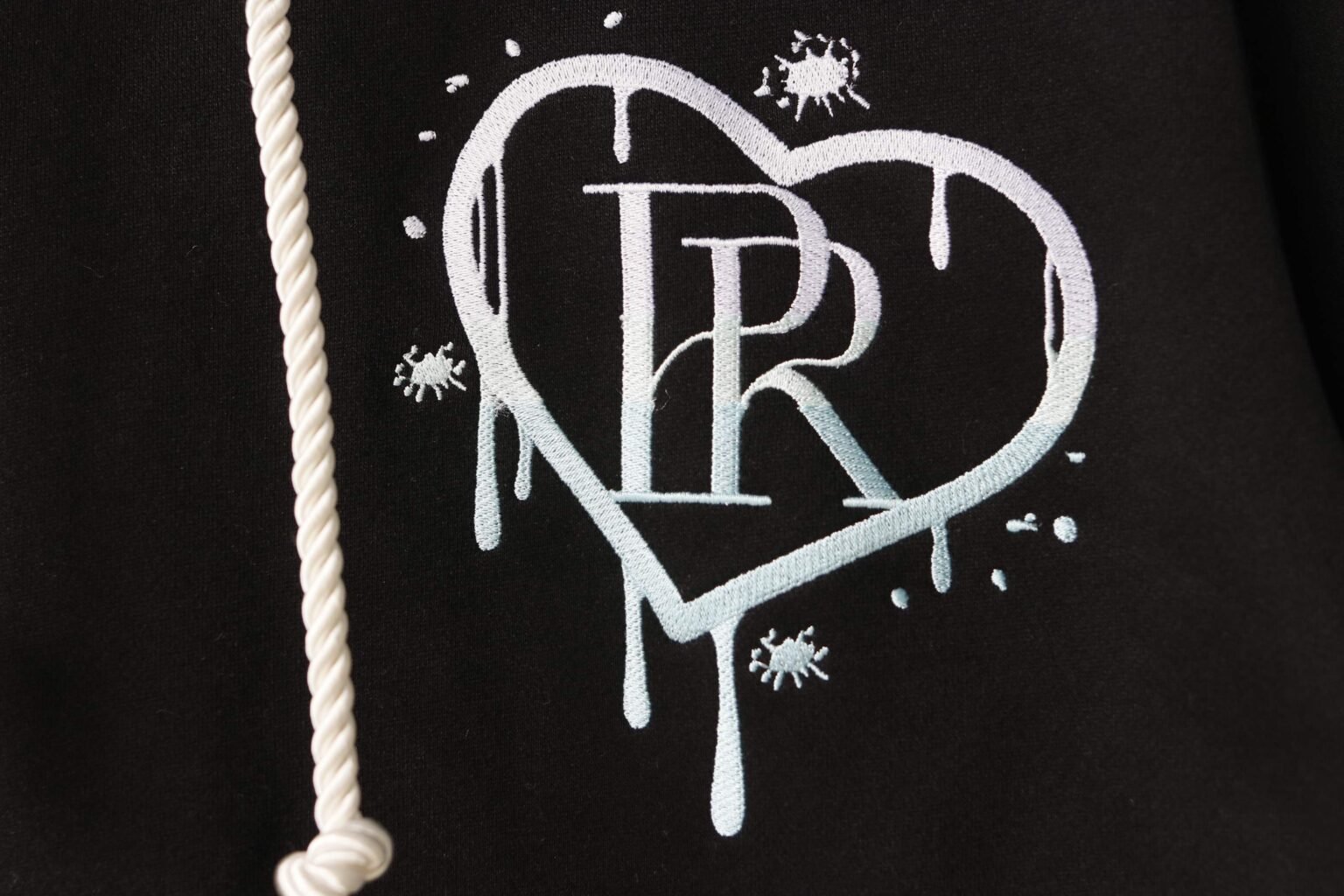
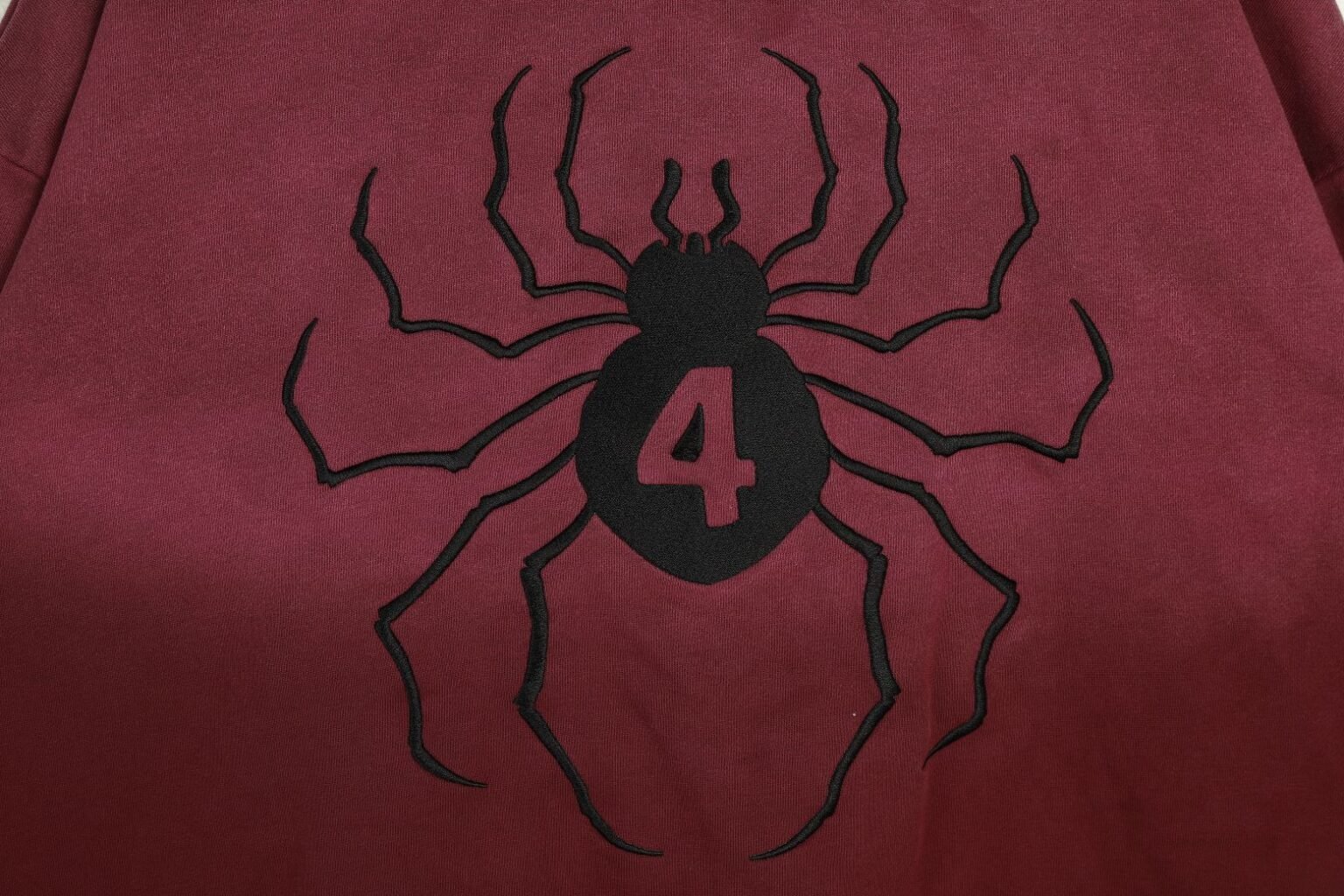
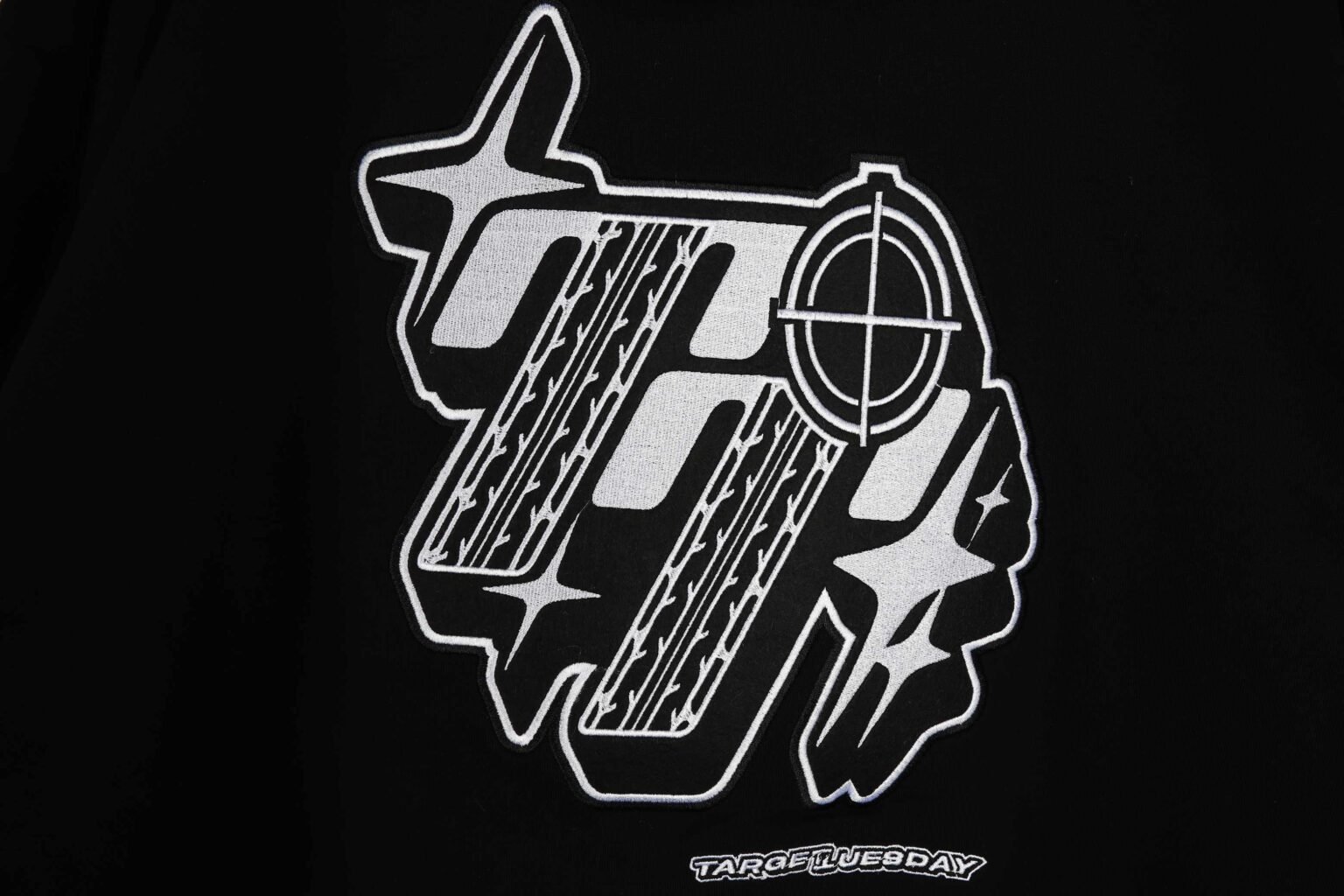
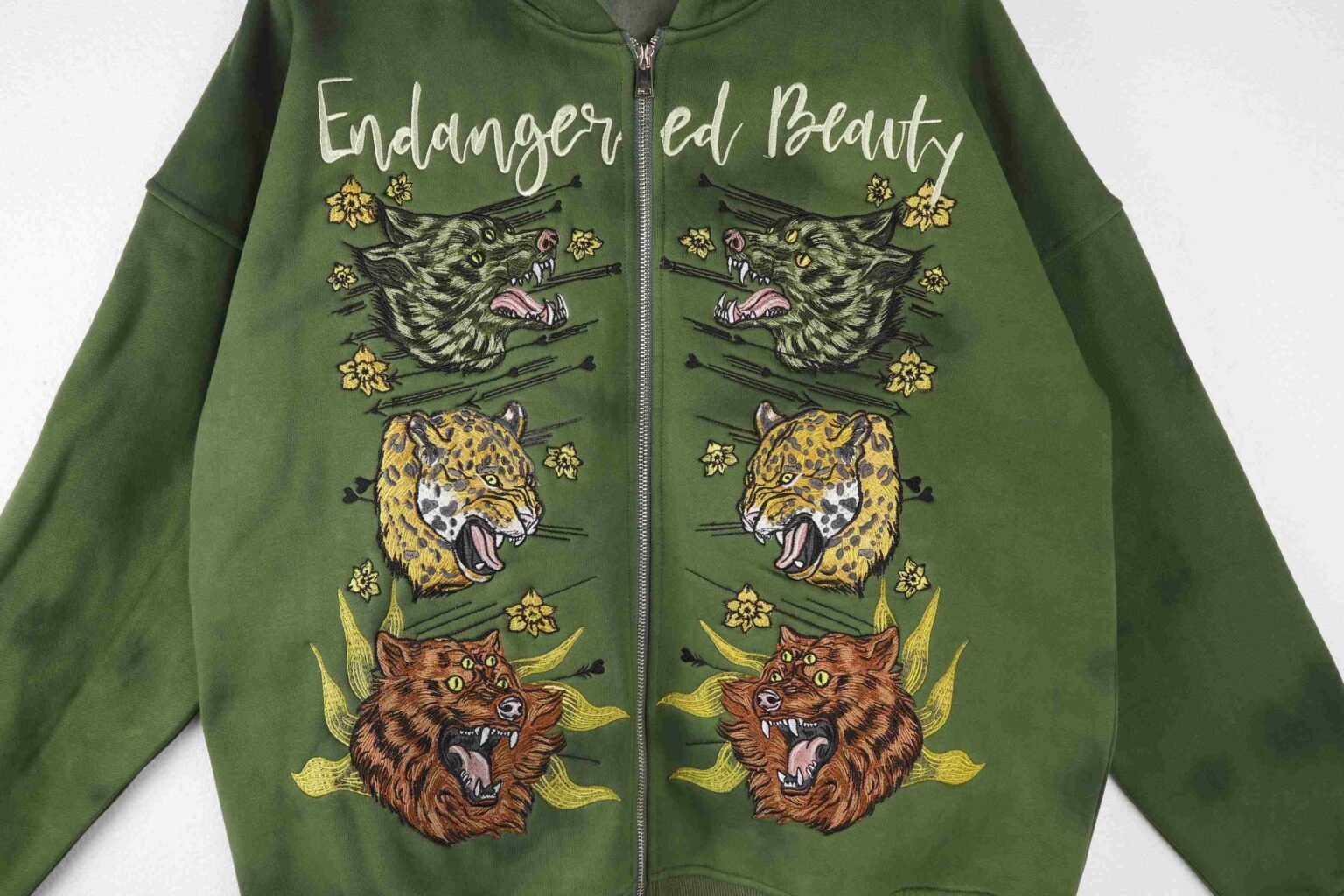
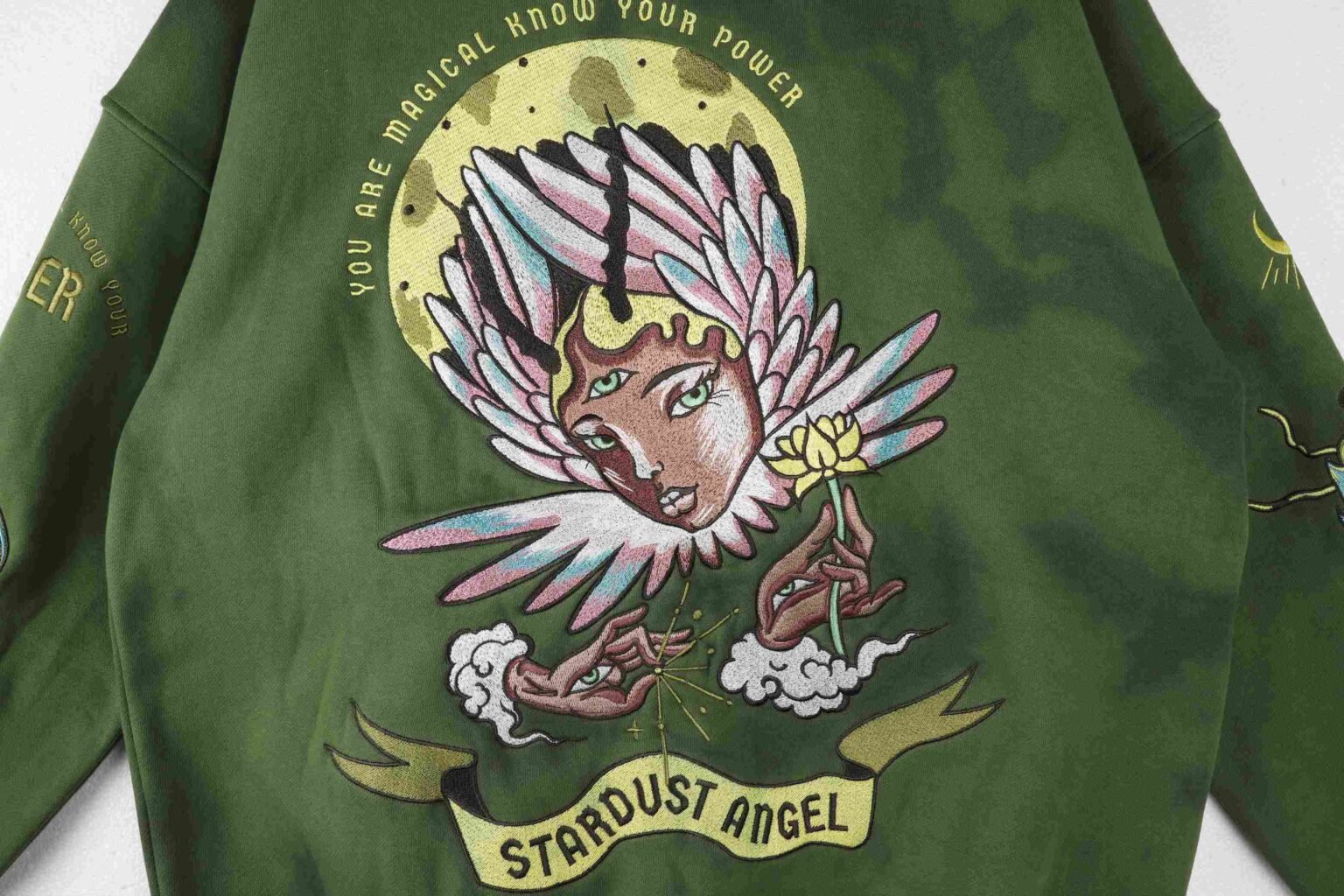
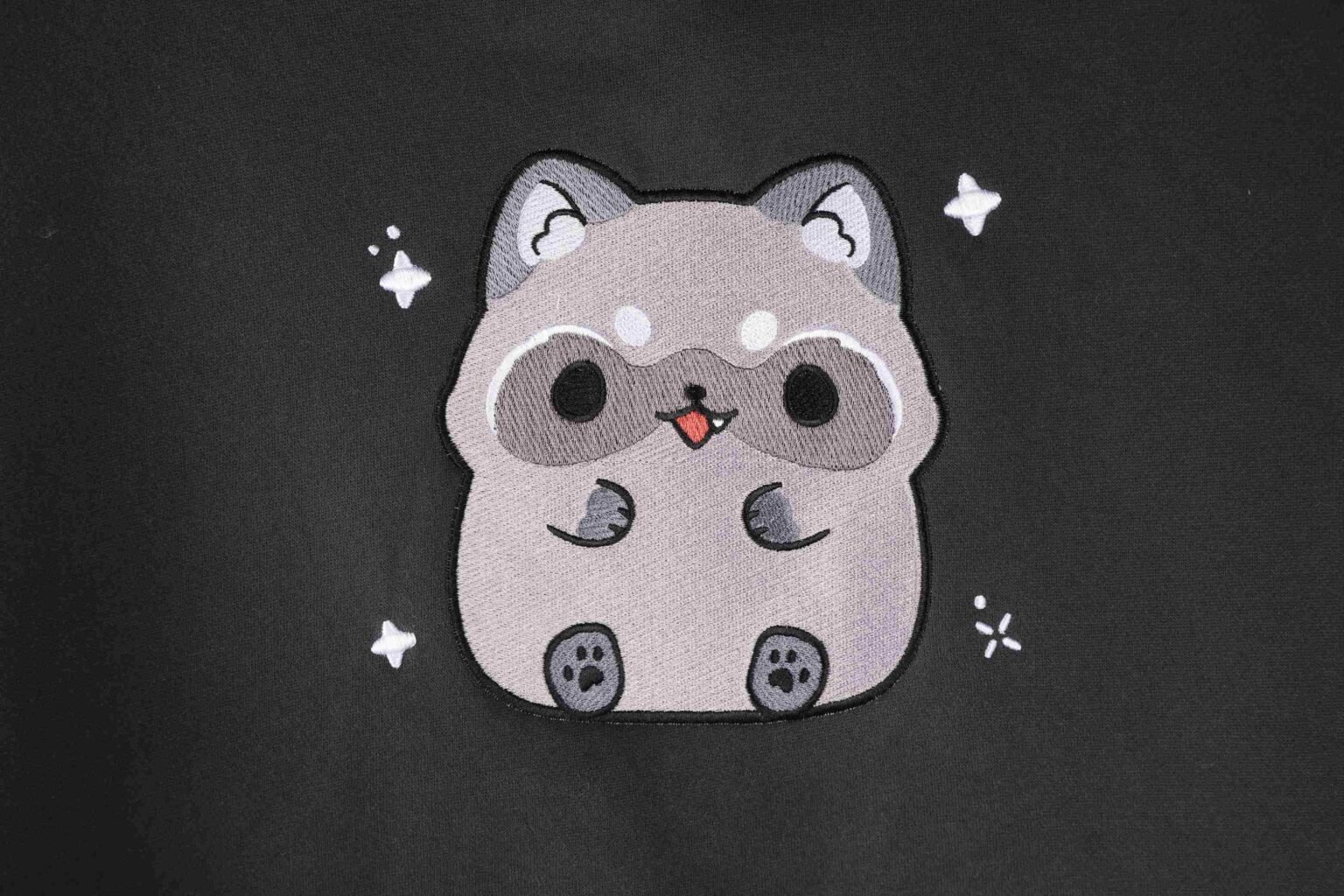
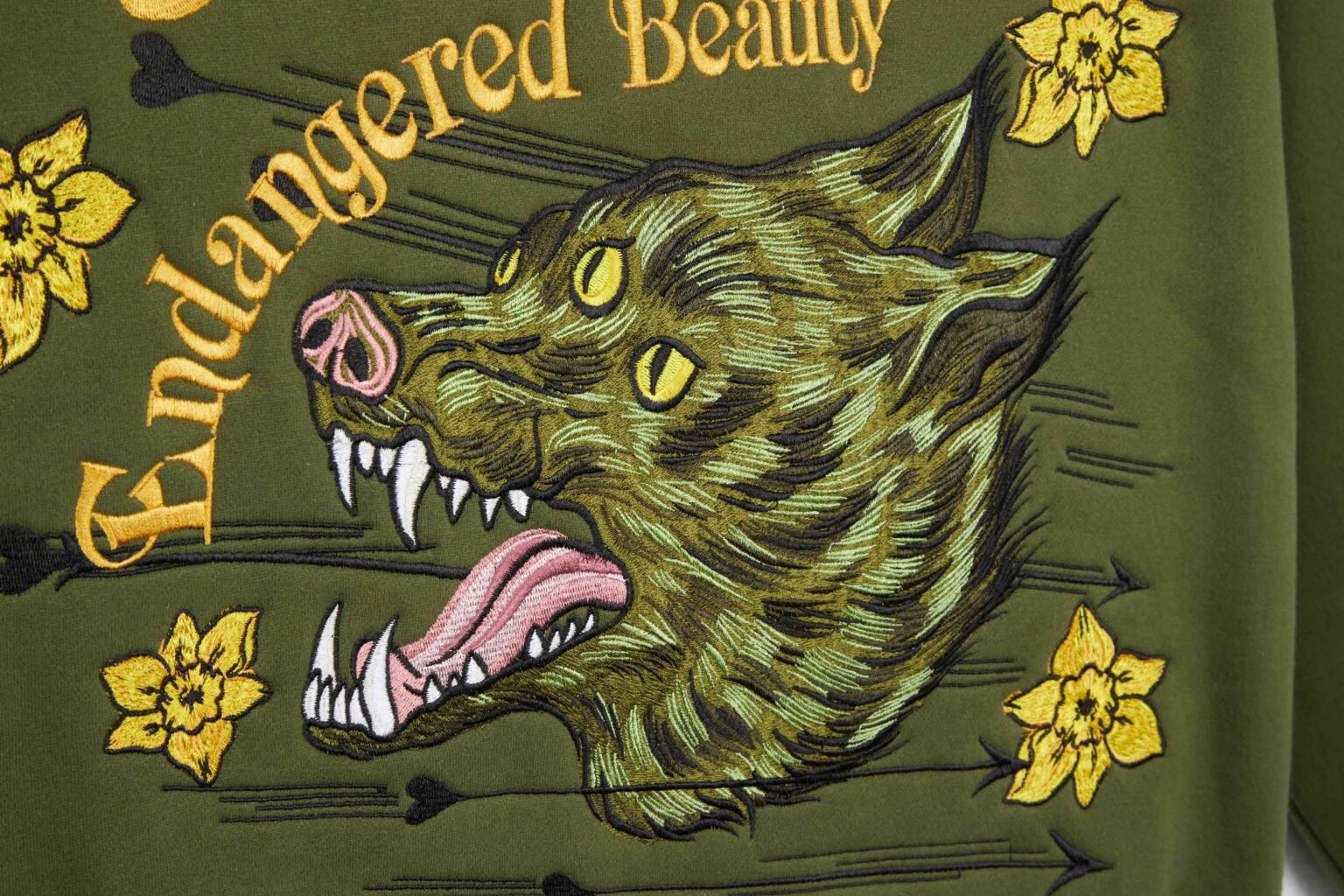
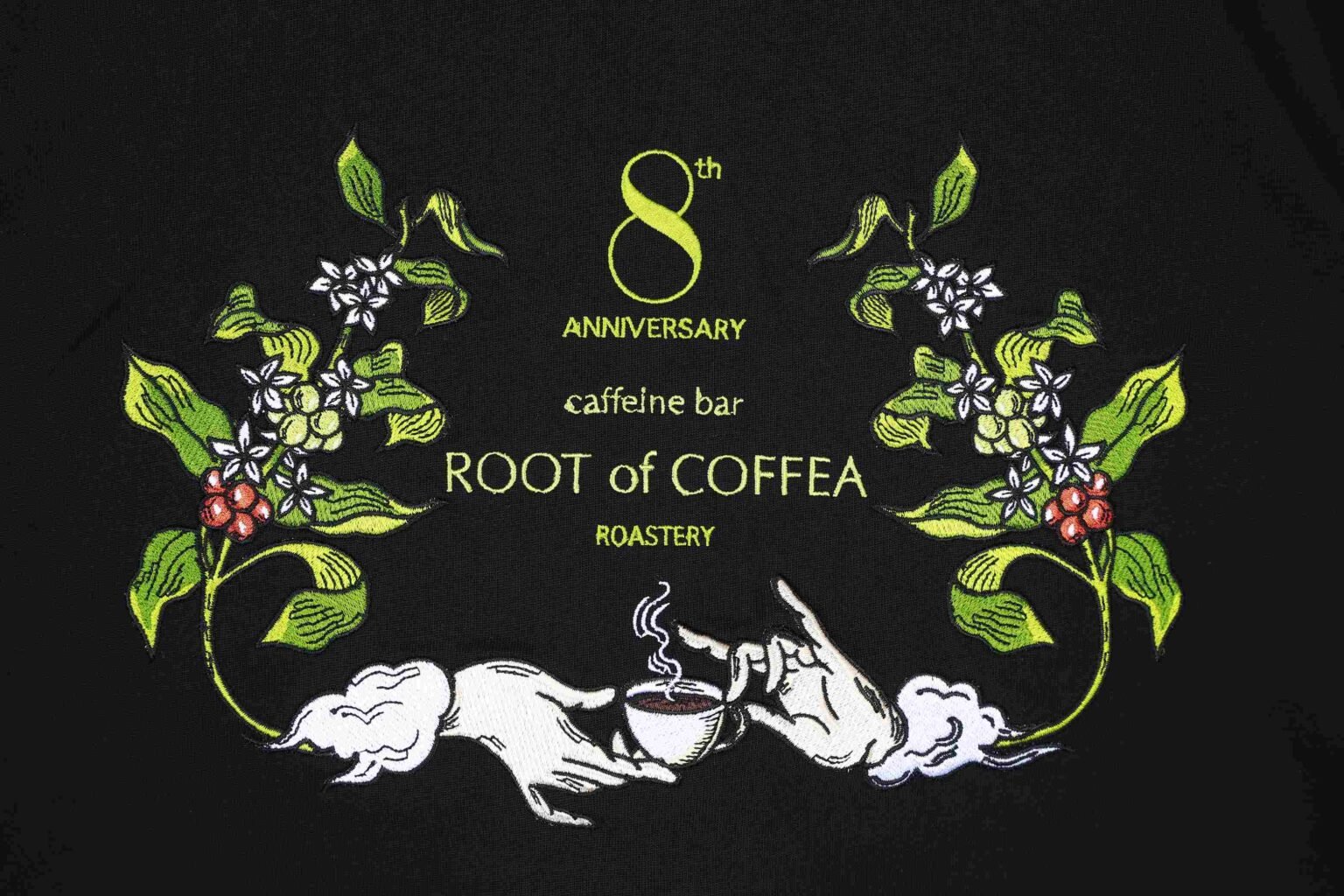
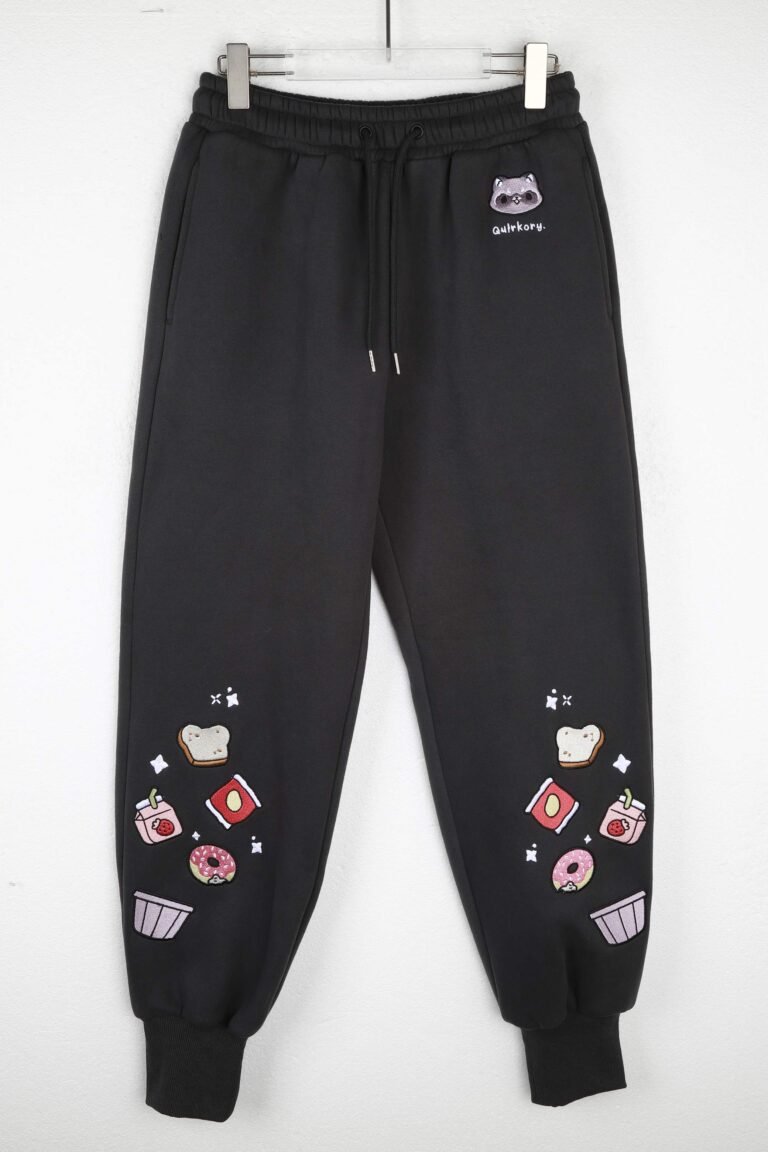
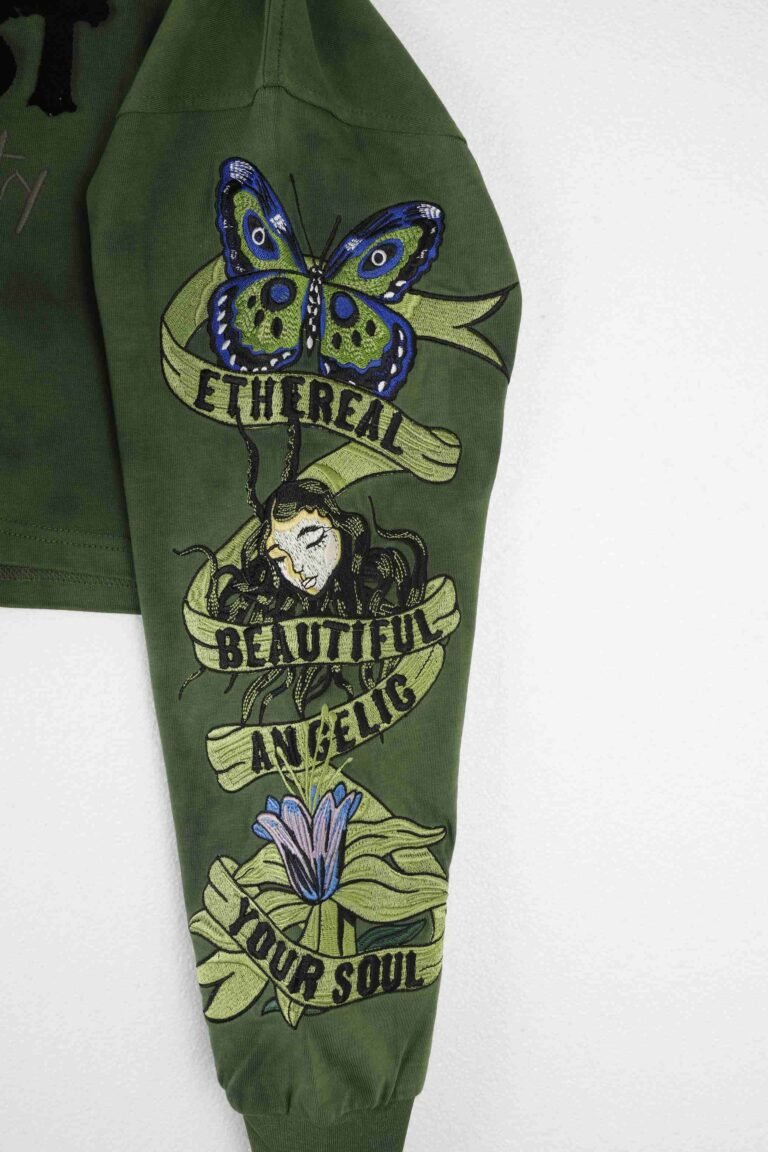
Flat Embroidery Product Gallery

The Manufacturing Process: A Look Inside Our 10-Year-Tested Workflow

Embroidering Perfectly is Not a Coincidence. Our mindset behind it is precision at every turn and it starts with a very delicate multi-step process, which is why we’ve spent the better part of 10 years on clothing.

Step 1: Digitization – The Crucial First Step

Before any stitching begins, the design file (in what’s known as an embroidery digitizing file format) needs to be converted into a language that the embroidery machine can read. This is a process known as digitization, because the image is turned into a stitch file.

This is not a hands free process. It is incredibly technical work that is done by a highly skilled professional who is plotting out every stitch by hand. They choose the type, direction and density of the stitch and its modifications to avoid distortion. As most professionals know, The art of good digitizing is the most important factor; bad digitizing is the chief reason for bad embroidery.

Step 2: Material Selection & Preparation – The Unseen Heroes

The appropriate fabric for the garment is crucial to achieve a professional look. We also hand select the best thread and backing for each garment and design.

The thread selected changes both the feel and look of the hackle. We utilize Polyester due to its high strength, color fastness and consistent weight which makes it the ideal fabric for workwear. Rayon has a higher sheen and softer feel making it ideal for creating fashion pieces.

Backing (also referred to as stabilizer) is a material that is hooped with the garment to help prevent the garment from moving, stretching and/or puckering while being stitched. Our understanding informs the selection: We would choose to use a cut-away backing on an unstable fabric such as fleece or some performance-wear, and we would select a tear-away backing for stable content, as in denim or canvas.

Step 3: The Stitch-Out & Quality Control

With the digitized design in hand and all materials to manufacture your embroidered goods, the garment is hooped and loaded into our state of the art embroidery machines. These machines generate the design very quickly and accurately.

Our job doesn’t end there. Our experienced operators never take their eyes of the process, inspecting for broken threads, maintaining appropriate tension, and confirming that all colors and details are lined perfectly. Each piece is checked one final time for quality approval.

Flat Embroidery Customization Options for Clothing: For All Your Brand Needs

For apparel brands, we offer a wide range of custom flat embroidery services and highly personalized embellishment options tailored to your specific branding requirements.
With our expertise in precision stitching, premium threads, garment accessories, personalized labels, and custom packaging solutions, you can achieve the exact embroidered look and feel you envision for your clothing line.

Our goal is to help you create unique embroidered products that resonate with your customers and elevate your brand identity. Understanding the importance of customization, we, as an experienced embroidery manufacturer, provide comprehensive flat embroidery solutions to fulfill all your brand’s needs — whether you’re producing t-shirts, hoodies, jackets, caps, or other apparel.

Flat Embroidery vs. The Field: A Comparative Guide

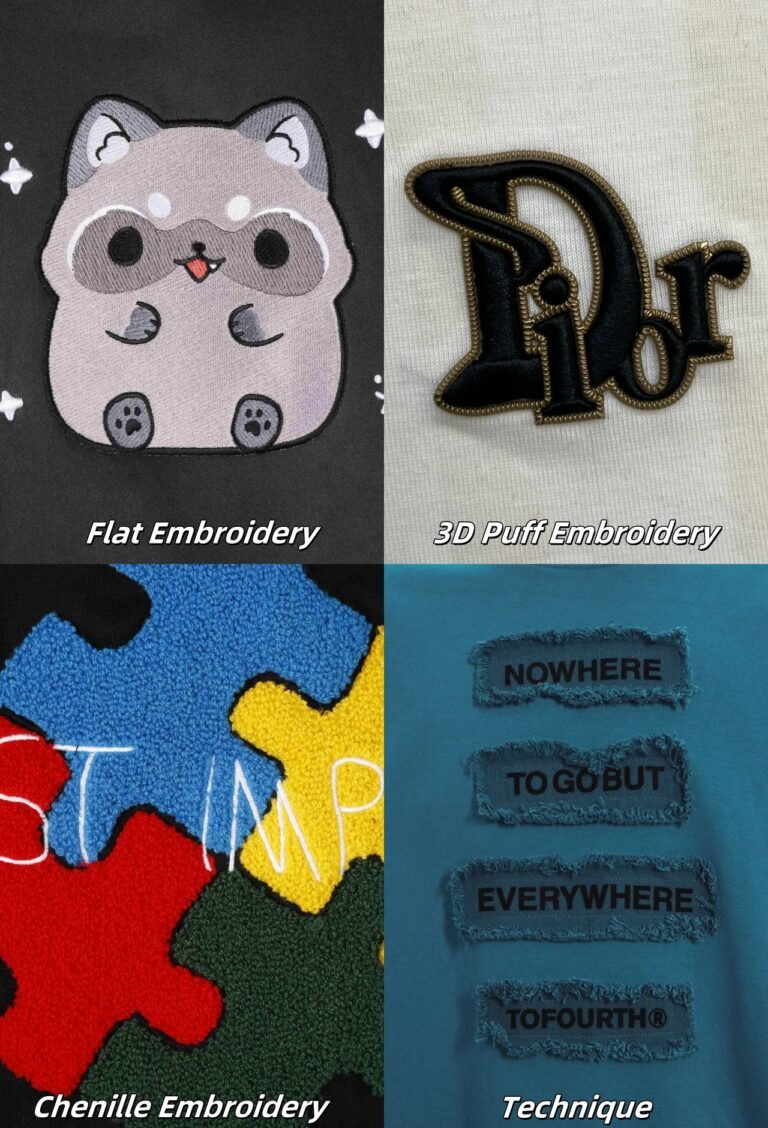
Flat embroidery is considered the most versatile industry technique, although other looks are possible. Knowing the differences is essential for finding the perfect accessory for your brand vision.

Technique

Appearance

Best For

Key Limitation

Flat Embroidery

Smooth, 2D, detailed, classic

Intricate logos, small text, corporate branding

Lacks a 3D tactile texture

3D Puff Embroidery

Raised, dimensional, bold, impactful

Simple shapes, block letters, hat logos

Poor for fine details and small text

Chenille Embroidery

Fluffy, towel-like, retro texture

Varsity letters, mascots, large patches

Lacks crisp lines and intricate detail

Appliqué

Layered fabric pieces sewn on

Large, simple designs; saving on high stitch counts

Design must accommodate a layered look

When you sub-divide a floor plan design, the design should be conducive of a layered aesthetic

Both these methods having its place in the field of garments design. If you would like to see more examples and browse our full selection of decorative services then be sure to check out our full guide to  Clothing Embroidery.

A Practical Guide for Brands: When to Choose (and Avoid) Flat Embroidery

Understanding the technical details is one thing, applying them to your project is quite another. Based on our personal experience, here are six key tips for using flat embroidery.

Choose Flat Embroidery For:

  • Corporate Branding & Logos: It can reproduce logos with unmatched precision and clarity. This gives a professional, high-end look on polos, jackets, button-down shirts, and workwear.
  • Detailed & Intricate Artwork: Flat embroidery works well where other methods fail. It is perfect for designs with fine lines, complex shapes, or multiple colors placed close together.
  • Crisp, Small Lettering: From our experience, we suggest a minimum text height of 5mm (about 0.2 inches) for satin-stitch lettering to ensure good readability.
  • A Timeless, High-End Feel: This classic look is why embroidery has a long history of decorative art on textiles. It is valued for its durability and natural elegance, showing a sense of quality and permanence.

Be Cautious or Avoid For:

  • Photographic Gradients: Thread is a solid color. While a skilled digitizer can imitate shading and subtle color changes, true photographic gradients are impossible to copy with thread.
  • Distressed or “Grunge” Effects: The clean, precise nature of embroidery does not work well for intentionally messy or weathered designs. These effects are better achieved through screen printing.
  • Designs Requiring a 3D “Pop”: If the main goal is to have the design physically stand off the garment for a bold, tactile effect, 3D puff embroidery is the better choice.

Fabric Compatibility: The Secret to a Pucker-Free Finish

Fabric selection is crucial for successful embroidery. We learned from 10 years of production that the fabric is the canvas, it really determines the final product and the methods you have to use.

Ideal Fabrics for Flat Embroidery:

Thesematerials make a solid foundation, ensuring that the stitch count can be high without distorting or stretching.

  • Heavy, stable fabrics: Materials like denim, canvas, cotton twill (the standard for baseball caps), and heavyweight fleece or hoodies are perfect candidates. Their strong structure provides excellent support.

Challenging Fabrics (and How We Master Them):

Thinner, stretchier fabric require professional expertise to give them a high-end finish. It’s like, getting it right is really kind of a skill, and you have to control of things like thread control and tension.

  • Lightweight fabrics (e.g., T-shirt jersey): These tend to pucker. We solve this by using the right lightweight cut-away stabilizer and programming the design with a slightly lower stitch density.
  • Stretchy fabrics (e.g., spandex/Lycra blends): To prevent the design from warping when the garment is worn, we use special stretch-resistant backing and digitize the design to account for fabric movement.
  • Performance fabrics (e.g., moisture-wicking polyester): These delicate knits can be snagged by standard needles. We use special ball-point needles that push the fibers aside rather than piercing them and often add a thin, water-soluble topping to keep stitches from sinking into the fabric’s texture.

Partner with the Experts: Bring Your Vision to Life with Prime Streetwear Manufacturing

Selection of the proper embroidery method is just half the battle. The other half is picking the right partner.

With more than 10 year hands-on expert manufacturing experience in the garment industry, Prime Streetwear Manufacturing has all you need to service your specific requirement. We are going to be more of a consultant and advisor for your brand, and a guard to make sure that what you put into your garments is actually what you’re saying they are.

We don’t just receive orders; we work with you. Our staff evaluates your design compared to selected item of clothing, in doing so we ensure that the digitizing and the used materials will make a perfect product you will love proudly wear.

Let’s Create Something Exceptional Together

Ready to start your project or need expert advice? Contact us today.

  • Direct Email: info@primestreetwearmfg.com
  • Phone Number: +923158183215
  • WhatsApp: +923158183215

Real feedback from customers all over the world about
Prime Streetwear Manufacturing.

Communication & Production

How to Start Working with Prime Streetwear Manufacturing?

3X Your order is triple checked by our team prior to production and before shipment

Request a Free Quote & Consultation

Hit us up for a free quote. We’ll discuss your requirements — design, quantity, timing — and put a plan in place that works.

Submit Your Custom Design & Requirements

1. Choosing Flat Embroidery  Material

2. Selecting the right Carft for the design

3. Payment for samples

4. Sample production after determining the color, size, and accessories of the sample 

Receive Sample Prototypes for Approval

1. Are the fabrics satisfactory?

2. Does the craftsmanship live up to the design?

3. Are there any changes that need to be made to the colors, sizes, and accessories?

4. Details of large orders 

Bulk Production & Delivery Process

1. Payment of deposit for large orders

2. Large Order Production Progress Inquiry

3. Final payment upon completion of prodution

4. Choose the right shipping method, pay the shipping fee, ship the goods 

Frequently Asked Questions

What is flat embroidery and how does it differ from other embroidery techniques?

Flat embroidery is a technique where threads are stitched directly onto fabric to create designs that are smooth and flush with the surface, using satin and fill stitches. Unlike 3D puff embroidery or chenille, it produces precise, detailed results ideal for logos and text.

What fabrics work best with flat embroidery?

Heavy, stable fabrics like denim, canvas, cotton twill, and heavyweight fleece provide excellent support for flat embroidery. Lightweight or stretchy fabrics require special techniques and stabilizers to achieve good results.

What is digitization in flat embroidery and why is it important?

Digitization is the process of converting a design into a stitch file that embroidery machines can read. It’s a crucial skill-based task where professionals manually plot stitch type, direction, and density—poor digitizing is the main cause of unsuccessful embroidery.

What's the minimum text size for legible flat embroidery?

The recommended minimum text height for satin-stitch lettering in flat embroidery is 5mm (about 0.2 inches) to ensure good readability and clean execution.

When should I choose flat embroidery over other decoration methods?

Choose flat embroidery for corporate branding, detailed artwork, crisp small lettering, and applications requiring a timeless, high-end feel. Avoid it for photographic gradients, distressed effects, or designs needing a pronounced 3D appearance.

FLAT Embroidery Manufacturer Offer

Prime Streetwear Flat Embroidery Manufacturer was created to provide helpful service, simple streamlined ordering & eco-friendly options. A company with transparent prices & ethics, a company that aims to create good things.

Prime Streetwear Manufacturing Difference

Prime Streetwear Manufacturing was created, to provide helpful service, simple streamlined ordering & eco-friendly options. A company with transparent prices & ethics, a company who aims to create good things.

Innovative Ideas

Prime Streetwear Manufacturing is proud to be a leading partner in the promotional products + fashion industry. With unique ideas + out of the box printing methods.

We Stand Behind Our Work

Our main goal is to provide peace of mind so you can relax and have confidence that your job will come out exactly as you had imagined.

Quality Over Quantity

Prime Streetwear Manufacturing believes in quality over quantity and we want our customers to feel the same way.

Dedicated Reps

Each account receives a dedicated rep who can be reached face to face by phone or via e-mail.

Long Lasting Relationships

We value all of our clients and aim to solidify long lasting & mutually beneficial relationships.

Shopping Cart