

The Ultimate Guide to Custom Clothing Labels: A 10-Year Manufacturer's Perspective
In the cutthroat fashion industry, it’s all about detail; that’s one place where professional brands are separated from amateur ones. Personalized clothing tags are an important ambassador of your product. They say so much about your quality long after someone has bought your clothes.
This is what we use as our guide based on 10 years in the garment business as a full package manufacturer. We will educate you in depth about garment labels.
Beyond the Logo: The Strategic Role of Clothing Labels
A label is more than fabric with a name on it. It is a strategic tool that serves several important purposes to help your brand. Quality labels are an investment in the future success of your brand.
- Brand Identity and Storytelling:Labels are the most prevalent touchpoint you have with your customer. A beautifully designed woven label or stylish hang tag, for instance, can convey the tale of your brand and reflect your values (eco-sensitive, luxury or minimalist) while helping to develop your branding.
- Professionalism and Perceived Value:The professionalism of your label absolutely impacts how customers view your product. A high-density, soft-edge woven label is indicative of quality, whereas a scratchy, low-quality label can make even good clothes seem cheap.
- Legal Compliance and Consumer Information: Doesn’t this label thing have something to do with the law – or at least telling customers what they’re eating or using? They have to display fabric content, country of origin and care instructions for the sake of consumers — and clothes. The United States has some specific federal Labeling Regulations that all clothing labels must adhere to.

Freight discount

Free Full Creative Proof For Approval

Free Digital Mock Ups

Custom packaging
The Anatomy of Apparel: A Deep Dive into 9 Types of Custom Clothing Labels
It can be tough to choose the right label. Let’s begin by comparing the three interior label systems you see most often.
|
Attribute |
Woven Labels |
Printed Labels |
Heat Transfer Labels |
|
Durability |
Highest (threads are woven in) |
Medium (ink can fade over many washes) |
High (but depends on fabric compatibility) |
|
Detail Clarity |
Good (best for bold logos, less for fine text) |
Excellent (photorealistic detail is possible) |
Excellent (sharp, clean lines) |
|
Comfort |
Varies (high-density is soft, low-density can be scratchy) |
High (very soft, especially on satin or cotton) |
Highest (no physical tag, “tagless”) |
|
Cost |
Medium-High (requires loom setup) |
Low-Medium (ideal for small runs) |
Medium (requires specific application process) |
|
Best For |
Outerwear, denim, premium branding, heritage looks |
T-shirts, lingerie, anything needing fine print |
Streetwear, baby clothes, anything worn close to the skin |
Now, let's explore all the labels your brand might need
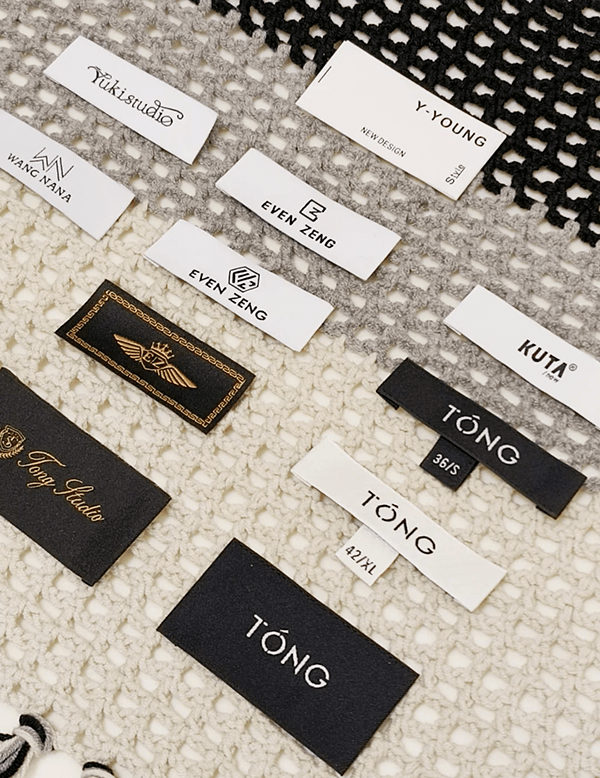
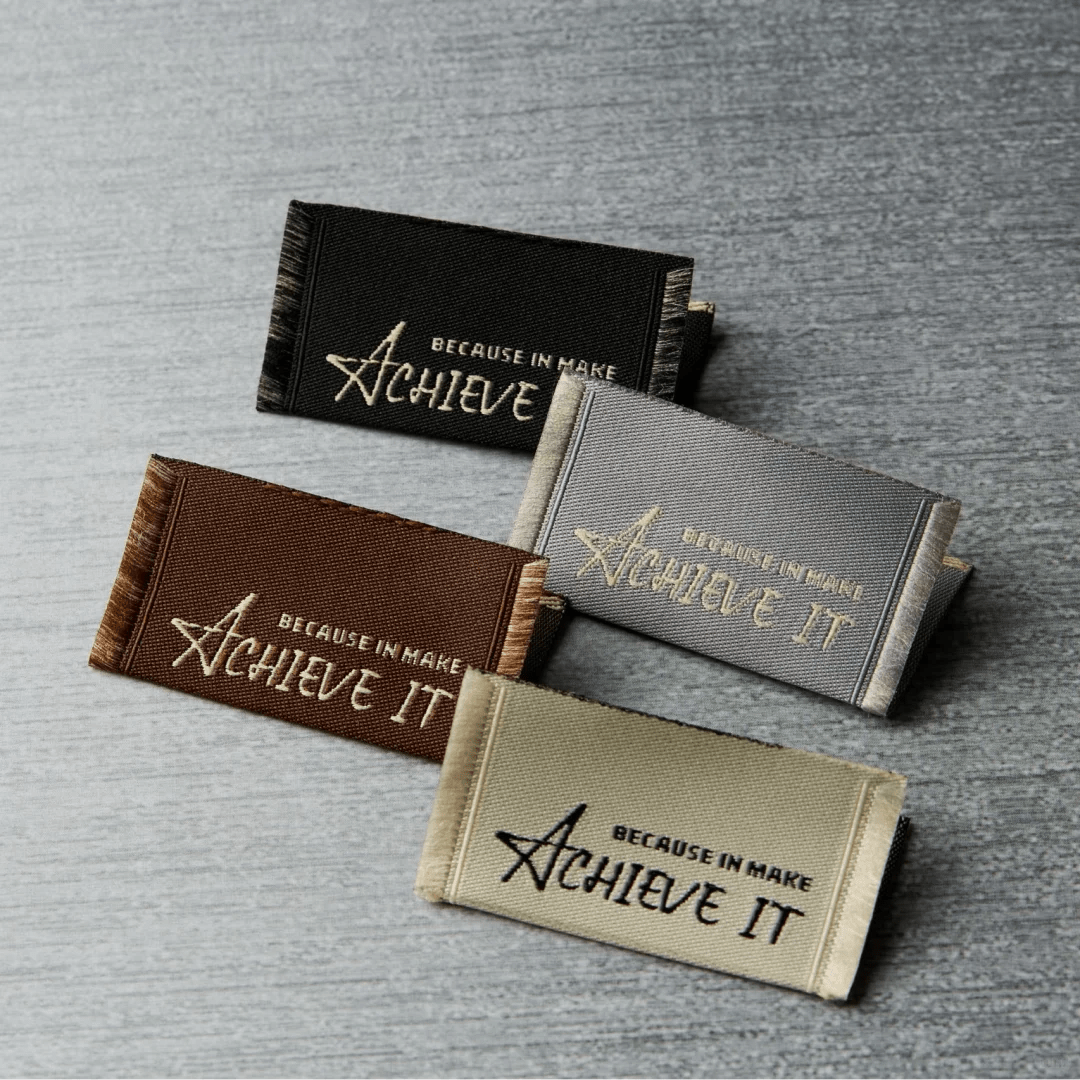
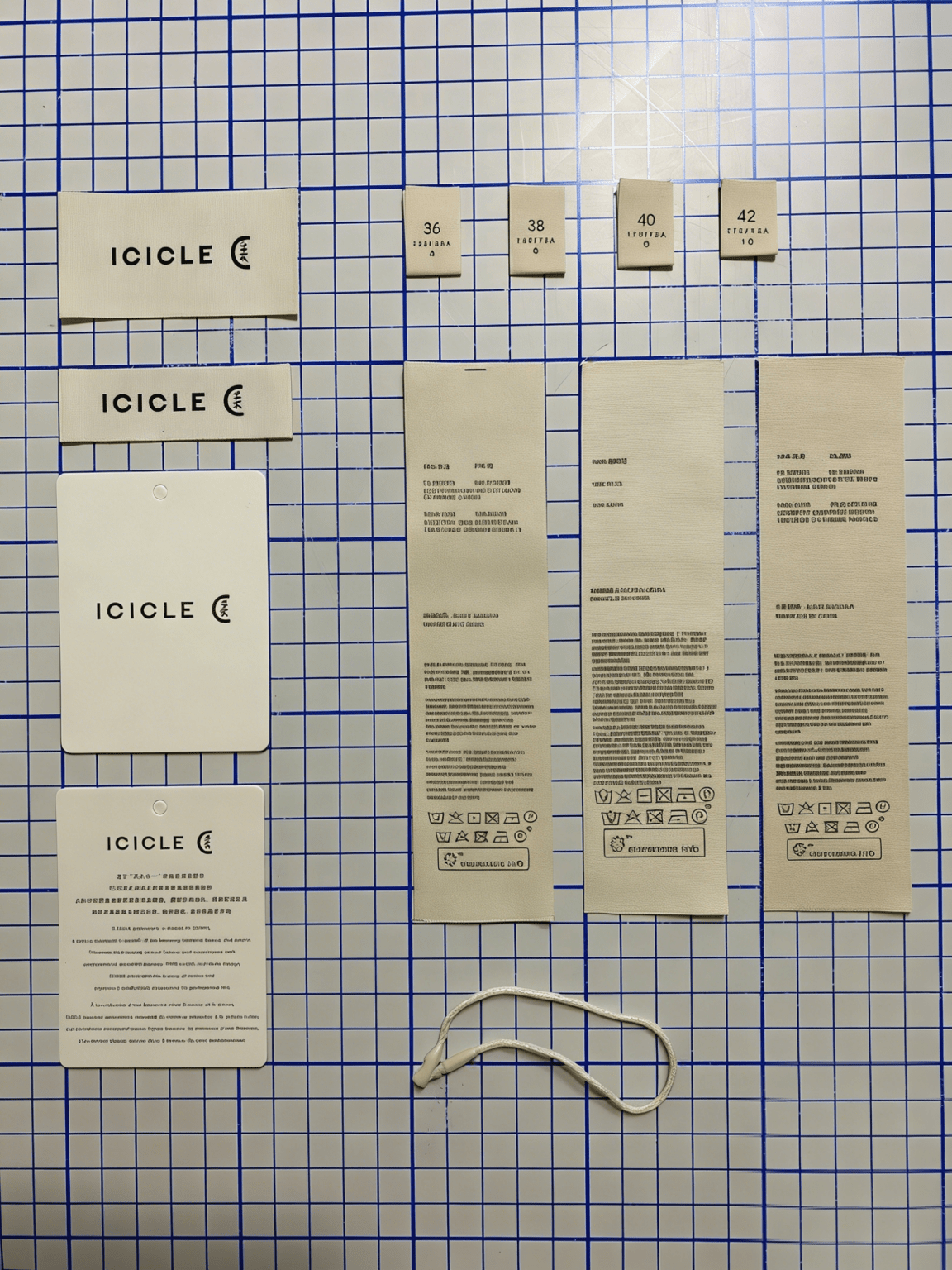
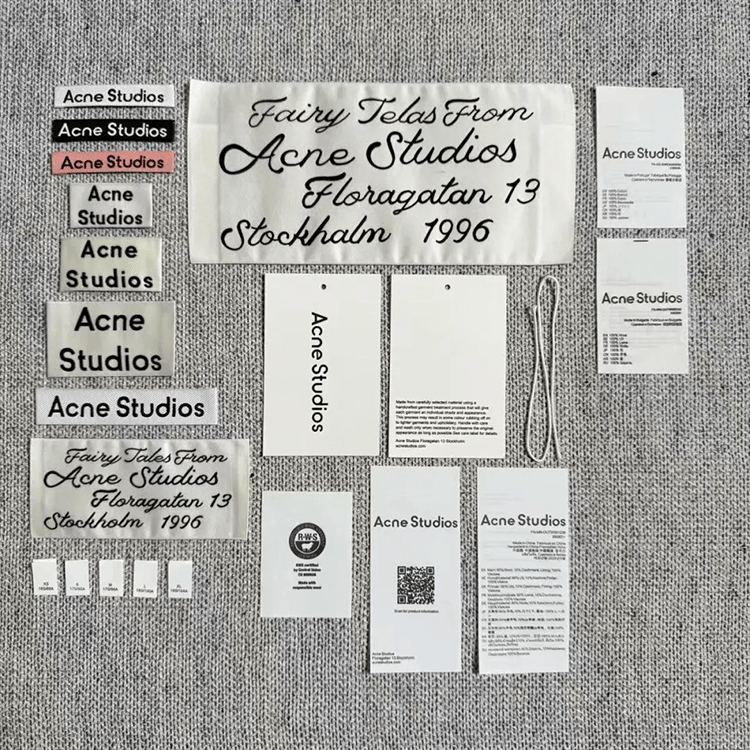
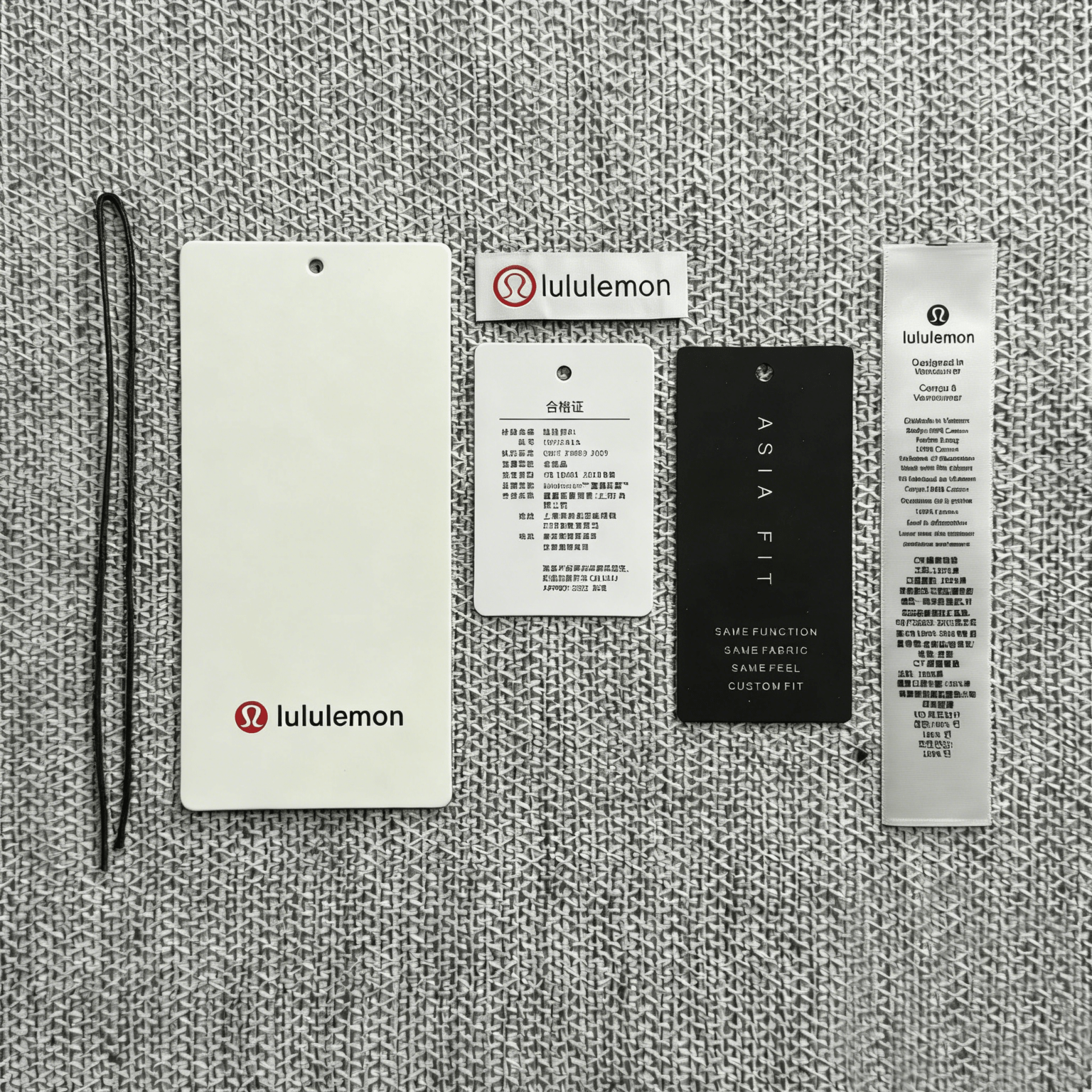
Main Label
What It Is: This is your main brand label, usually sewn inside the neck or waistband. It shows your brand logo.
Craft & Process: Most often woven (damask for detail, satin for shine) or printed on soft cotton. The threads are woven on a loom to make the design, or ink is put on a base material.
Pros & Cons:
- Pros: Shows your brand, very long-lasting (woven), can feel premium.
- Cons: May be itchy if not made with high-density threads and soft edges.
Best Suited For: Almost all clothes. It’s the most important part of your on-garment branding.
Pro-Tip from Our 10 Years: Use something gentle on the skin, like a soft satin material or print this info onto a Heat Transfer Label with your main logo to make one brand and care label.
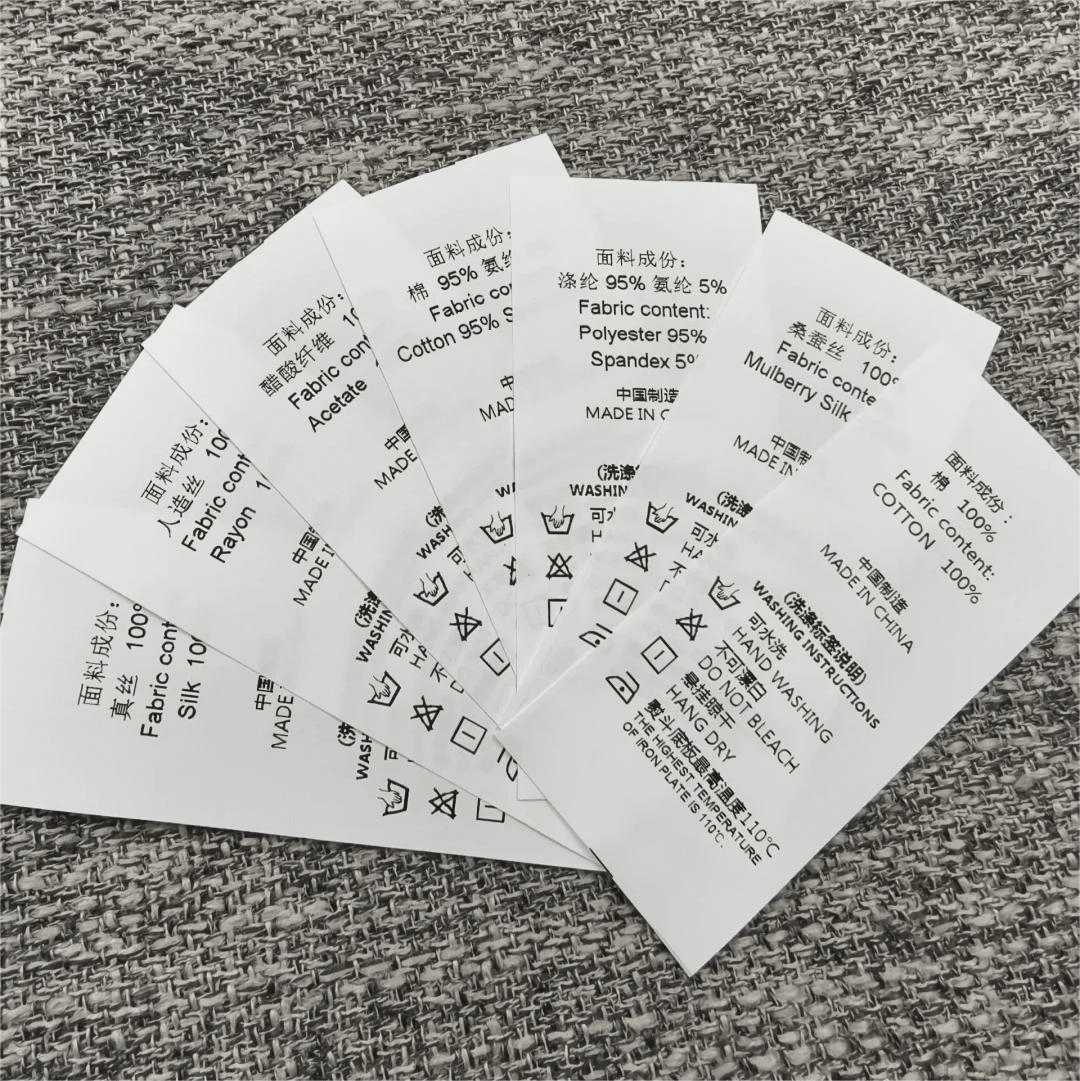
Wash Care & Fabric Composition Label
What It Is: A label showing required info: washing instructions, materials, and sometimes the RN number (in the US).
Craft & Process: Almost always printed, typically on satin polyester, nylon, or coated cotton. The process uses strong ink made to last through many washes.
Pros & Cons:
- Pros: Cheap, clear print for small text, legally compliant.
- Cons: Can be long and bulky, might irritate skin.
Best Suited For: All commercial clothing. Usually sewn into a side seam to keep it out of the way.
Pro-Tip from Our 10 Years: For better comfort, use a softer, satin-like material or print this info on a Heat Transfer Label with your main logo, creating one seamless brand and care label.
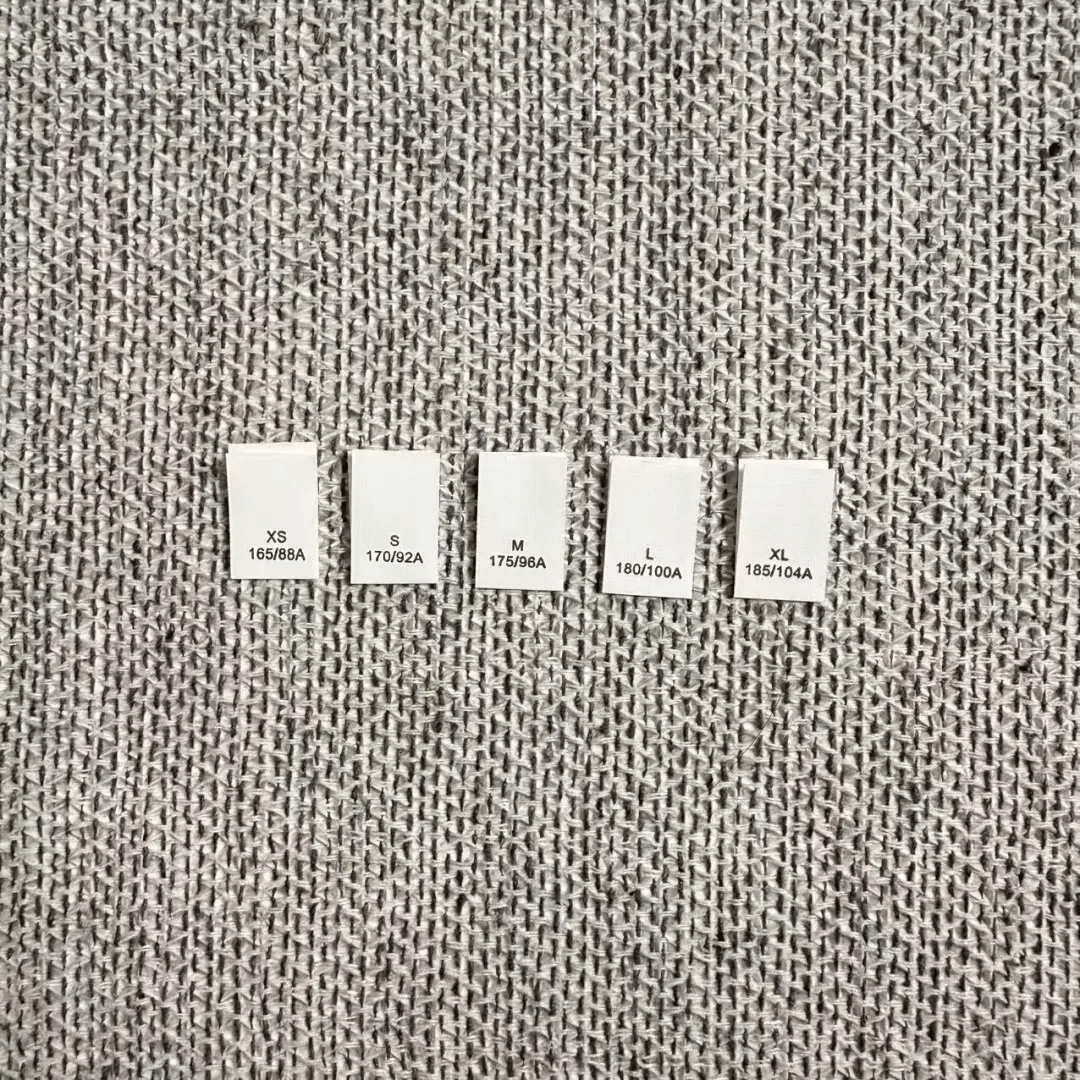
Label Size
What It Is: A small label showing the garment size (S, M, L, 32/34, etc.).
Craft & Process: Can be a small, separate woven or printed tab, or part of the Main Label. Woven tabs are common for a more traditional look.
Pros & Cons:
- Pros: Simple, needed for retail, can be made cheaply.
- Cons: An extra piece to source and sew if not part of the main label.
Best Suited For: All sized clothes. Can be a small loop folded into the main label seam.
Pro-Tip from Our 10 Years: For T-shirts and basics, putting the size on the Main Label or Heat Transfer Label works best. For outerwear or tailored items, a separate woven size tab can add a classic touch.
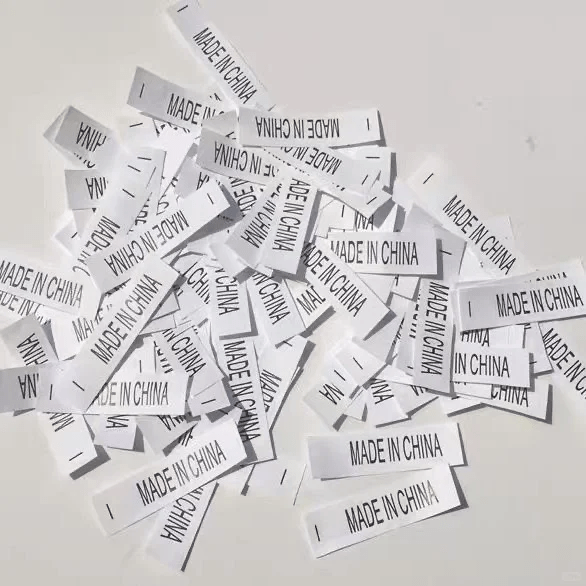
Made in Label
What It Is: A label stating the country of origin, another legal requirement for products sold in many regions.
Craft & Process: Like the Size Label, often a small printed or woven tab, but frequently combined with the Wash Care & Fabric Composition Label.
Pros & Cons:
- Pros: Ensures legal compliance.
- Cons: Adds another component if not combined with other labels.
Best Suited For: All imported/exported goods. We suggest sewing it into the side seam with the care label to reduce neck clutter.
Pro-Tip from Our 10 Years: Combine your “Made in,” fabric composition, and care instructions on one multi-panel printed label. It simplifies your supply chain and production.
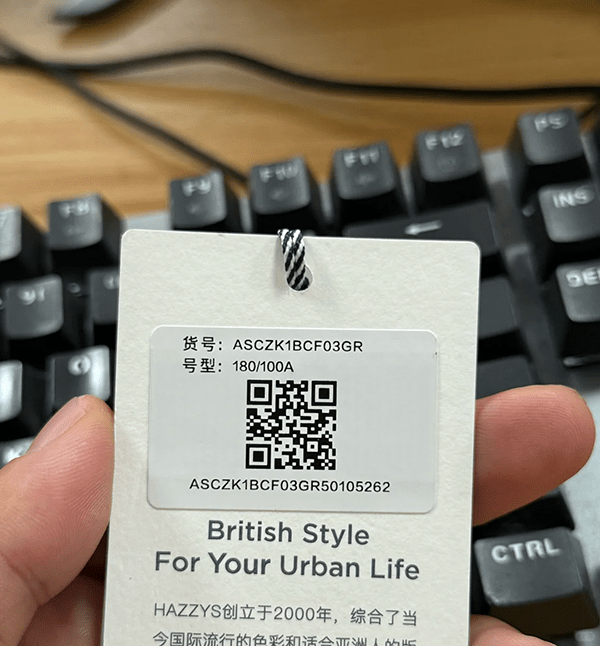
Hang Tag
What It Is: A paper or cardstock tag hanging from the garment. It’s a key marketing tool at point of sale.
Craft & Process: Printed on various papers (matte, gloss, recycled kraft). Can include embossing, foil stamping, or custom die-cuts to make it unique. Attached with string, ribbon, or plastic fastener.
Pros & Cons:
- Pros: Great marketing potential, space for storytelling, can hold barcodes and pricing.
- Cons: Removed and thrown away by the consumer.
Best Suited For: All retail clothing. It’s your garment’s business card.
Pro-Tip from Our 10 Years: Use the hang tag to tell a story. A QR code can link to your website or a video about how the garment was made. Use premium, thick cardstock—it signals quality before customers try on the item.
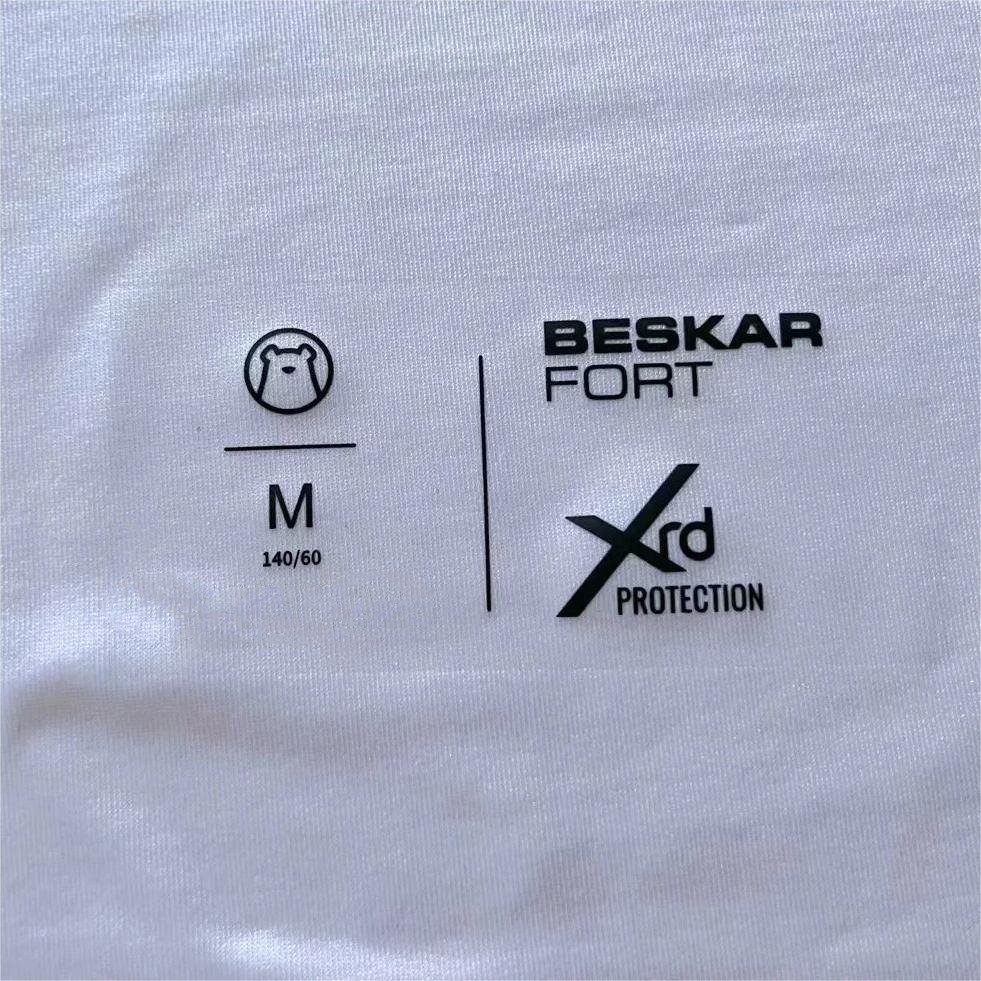
Heat Transfer Label
What It Is: A label where the design is pressed directly onto the fabric using heat and pressure, leaving no physical tag.
Craft & Process: Designs are screen-printed onto special release paper. In the factory, the transfer is placed on the garment and applied with an industrial heat press.
Pros & Cons:
- Pros: Maximum comfort (no stitch), clean and modern look, durable.
- Cons: Application needs special equipment; not good for all fabrics (e.g., highly textured or heat-sensitive materials).
Best Suited For: T-shirts, activewear, underwear, and children’s clothing where comfort is most important.
Pro-Tip from Our 10 Years: Always test heat transfer samples on your exact fabric blend. Some polyester/spandex blends can cause “dye migration,” where the fabric’s dye bleeds into the label over time. A good manufacturer will help you test for this.
Barcode Labels & Custom Clothing Stickers
What It Is: Sticky labels used for inventory management and retail checkout. This includes stickers used for sizing (e.g., a “M” sticker on a folded shirt) or branding.
Craft & Process: Typically printed on rolls of sticky paper or vinyl. Barcode stickers are purely functional, while branding stickers can be more creative.
Pros & Cons:
- Pros: Essential for retail logistics, low cost, easy to apply.
- Cons: Meant for temporary use; can leave residue if left on too long.
Best Suited For: Retail environments, warehouse management, and showing sizes on stacked clothing.
Pro-Tip from Our 10 Years: Make sure your barcode sticker and hang tag barcode are identical to avoid big problems at retail. For size stickers, use a low-tack adhesive that peels off cleanly without damaging delicate fabrics like silk or modal.
RFID Clothing Tags
What It Is: Radio-Frequency Identification tags. These “smart” labels contain a tiny chip and antenna that can be scanned wirelessly from a distance.
Craft & Process: The RFID inlay is embedded within a standard label, like a printed care label or hang tag. It requires programming with unique product data.
Pros & Cons:
- Pros: Revolutionizes inventory management (scan an entire box in seconds), enhances loss prevention, provides supply chain visibility.
- Cons: Higher cost per unit than traditional labels, requires investment in scanner hardware and software.
Best Suited For: Brands with lots of inventory, high-value items, or those wanting to create an advanced, omnichannel retail experience.
Pro-Tip from Our 10 Years: While the upfront cost is higher, RFID can dramatically cut labor costs for inventory counts and improve accuracy to over 99%. It’s becoming standard for major retailers.
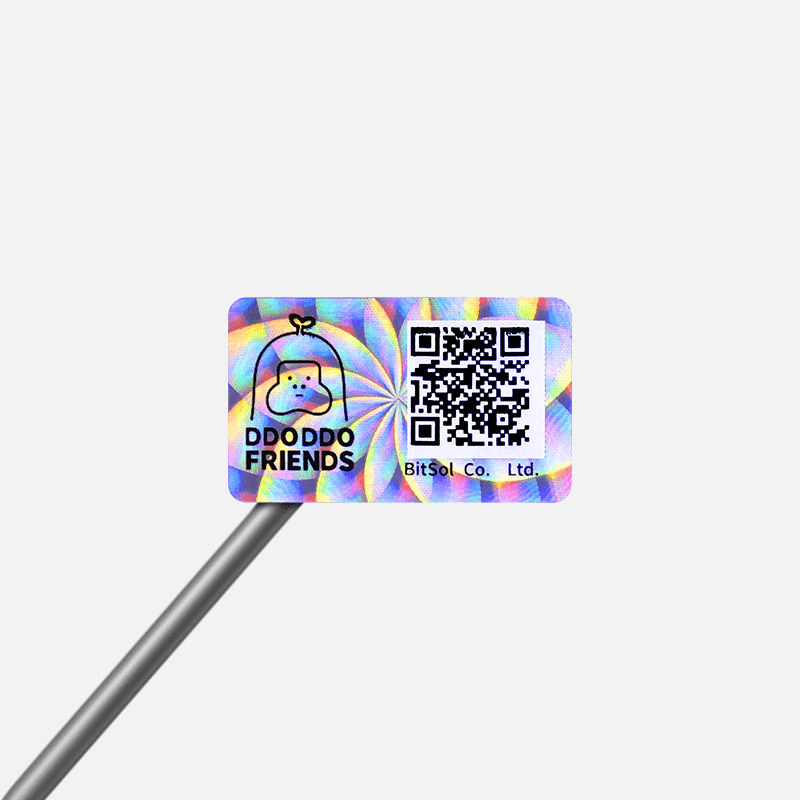
Anti-counterfeit Label
What It Is: A special label with features that are hard to copy, used to verify a product’s authenticity.
Craft & Process: This can range from a simple QR code linked to a verification database, to holographic foils, micro-text printing, or NFC (Near Field Communication) chips embedded in a woven or printed label.
Pros & Cons:
- Pros: Protects brand revenue and reputation, builds customer trust.
- Cons: Can add complexity and cost to the labeling process.
Best Suited For: Luxury brands, popular streetwear, or any product likely to be counterfeited.
Pro-Tip from Our 10 Years: A dual-function QR code is a cost-effective start. Customers can scan it to verify authenticity, and you can use it to deliver marketing content, turning your anti-counterfeit measure into a customer engagement tool.
Custom Clothing Label Manufacturer Customization Options: For All Your Branding Needs
For fashion brands, we offer a number of custom clothing label options as well as other little branding essentials that can be finely personalized to suit your needs.
From our dozens of options ranging from woven labels to printed labels, hang tags to patches, and bags to boxes, you can create exactly what you need for your individual product line.
We aim to help your create unique brand elements that will speak to your audience and add value to the over-all perception of your brand. We know how crucial labels are in brand awareness, that’s why as a Clothing Label Manufacturer we offer a comprehensive service to cater for all your branding needs – whether its custom fabric labels for clothes, trims and packaging accessories.
The 5-Step Framework: How to Choose the Perfect Clothing Labels
Now that you know the options, how do you decide? Follow this simple framework.
- Define Your Brand’s Aesthetic & Price Point
Your brand position guides your choices. A luxury cashmere brand should invest in high-density woven main labels and substantial, embossed hang tags. An eco-conscious brand might choose printed labels on organic cotton and hang tags made from recycled paper. A streetwear brand could use bold PVC patches or oversized woven labels. - Consider the Garment, Fabric, and Wearer
The label must fit the product. For baby clothes, a tagless Heat Transfer Label is a must for comfort. For rugged outdoor jackets, a durable woven label or silicone patch that can handle the elements is essential. Never put a scratchy, stiff label on a silk blouse. - Map Your Information Hierarchy
Decide what information goes where. Don’t crowd your main brand label with care instructions. Use a system. For a T-shirt, it might look like this:- Main Label (Heat Transfer): Brand Logo + Size + “Made in”
- Care Label (Side Seam): Fabric Composition + Washing Symbols
- Hang Tag: Brand Story + Price + Barcode + QR Code
- Align with Your Budget & Production Volume
Be realistic about costs. Woven labels often have higher minimum order quantities (MOQs) and a setup fee for the loom, but the per-unit price is low on large runs. Digital printed labels can be done in very small batches with no setup fees, making them ideal for startups testing multiple designs.
Always, Always Test Samples
This is the most critical step. A label that looks great in a digital proof might feel wrong or perform poorly on your actual garment. Based on our experience, we always advise clients to conduct rigorous wash tests on their specific fabric. This simple step prevents costly mistakes, like a heat transfer label peeling off after the first wash, which could ruin your inventory and brand reputation.
From Vision to Reality: Partner with a Seasoned Manufacturer
A great label design isn’t the only thing forcing canned wine onto shelves. You need a manufacturing partner who knows how that label works with the final garment, and with the larger supply chain.
Our 10-Year Legacy in Apparel Excellence
Prime Streetwear Manufacturibg. With 10 years of service, we are not just a factory, but a service assisting in all aspects of garment production.we are a full-service apparel manufacturer. We see the complete picture, from sourcing the perfect fabric to ensuring your custom clothing labels are produced to the highest standard and applied flawlessly. We handle all the types of labels discussed in this guide, ensuring they are not just an afterthought, but an integral part of your product’s quality.
Let’s Build Your Brand Together
Your labels may be a minor detail, the burden of your entire brand rides with them. And we are here to make sure they do it right.
Ready to discuss your custom clothing labels and apparel projects? Contact our expert team today.
Real feedback from customers all over the world about
Prime Streetwear Manufacturing.
Communication & Production
How to Start Working with Prime Streetwear Manufacturing?
3X Your order is triple checked by our team prior to production and before shipment
Request a Free Quote & Consultation
Hit us up for a free quote. We’ll discuss your requirements — design, quantity, timing — and put a plan in place that works.
Submit Your Custom Design & Requirements
1. Choosing Label Design
2. Selecting the right Carft for the design
3. Payment for samples
4. Sample production after determining the color, size, and accessories of the sample
Receive Sample Prototypes for Approval
1. Are the fabrics satisfactory?
2. Does the craftsmanship live up to the design?
3. Are there any changes that need to be made to the colors, sizes, and accessories?
4. Details of large orders
Bulk Production & Delivery Process
1. Payment of deposit for large orders
2. Large Order Production Progress Inquiry
3. Final payment upon completion of prodution
4. Choose the right shipping method, pay the shipping fee, ship the goods
Frequently Asked Questions
What are the main types of custom clothing labels available in 2026?
Woven labels, printed labels, heat transfer labels, RFID tags, anti-counterfeit labels, hang tags, care labels, size labels, and “Made in” labels are the primary options.
How do custom clothing labels impact brand perception?
High-quality labels enhance perceived value and professionalism, communicate brand identity, and provide a consistent touchpoint with customers long after purchase.
What should I consider when choosing custom clothing labels for my apparel line?
Consider your brand aesthetic, garment type, fabric compatibility, information hierarchy, production volume, budget, and always test samples before full production.
Are custom clothing labels legally required for apparel brands?
Yes, certain labels showing fabric content, country of origin, and care instructions are legally required in the United States and many other countries.
What is the difference between woven and printed custom clothing labels?
Woven labels offer superior durability with threads woven into the design, while printed labels provide excellent detail clarity and softness at a lower cost, making them ideal for small production runs.
Custom Clothing Labels Manufacturer Offer
Prime Streetwear Custom Clothing Labels Manufacturer was created to provide helpful service, simple streamlined ordering & eco-friendly options. A company with transparent prices & ethics, a company that aims to create good things.
Prime Streetwear Manufacturing Difference
Prime Streetwear Manufacturing was created, to provide helpful service, simple streamlined ordering & eco-friendly options. A company with transparent prices & ethics, a company who aims to create good things.
Innovative Ideas
Prime Streetwear Manufacturing is proud to be a leading partner in the promotional products + fashion industry. With unique ideas + out of the box printing methods.
We Stand Behind Our Work
Our main goal is to provide peace of mind so you can relax and have confidence that your job will come out exactly as you had imagined.
Quality Over Quantity
Prime Streetwear Manufacturing believes in quality over quantity and we want our customers to feel the same way.
Dedicated Reps
Each account receives a dedicated rep who can be reached face to face by phone or via e-mail.
Long Lasting Relationships
We value all of our clients and aim to solidify long lasting & mutually beneficial relationships.