

+92-315-8183215

info@primestreetwearmfg.com

+92-315-8183215

+92-315-8183215

info@primestreetwearmfg.com

+92-315-8183215

The Ultimate Guide to Zippers in Garment Manufacturing

Introduction: More Than a Fastener, It’s a Feature

In our 10 years of making clothes, we’ve seen many great designs derailed by one small detail: the zipper. It’s more than just a functional component. As a core part of Custom Clothing Accessories, the zipper is a critical choice that directly impacts the quality, durability, and overall feel of your garment.

A zipper is often the first thing a customer interacts with. Within the world of Custom Clothing Accessories, it serves as an immediate signal of quality—smooth, sturdy movement conveys craftsmanship, while a flimsy or catching zipper can make even the best fabric feel cheap.

First and foremost, a zipper must function flawlessly. When it fails, it’s not just an inconvenience—it leads to customer dissatisfaction, negative reviews, and costly returns that can damage your brand. That’s why selecting reliable Custom Clothing Accessories is essential to maintaining both product performance and reputation.

Beyond function, the zipper also plays a key role in design. As one of the most visible Custom Clothing Accessories, it can be subtle and discreet on an elegant dress, or bold and eye-catching on a leather jacket. Choose the right zipper, and it enhances your design. Choose the wrong one, and it can undermine the entire piece.

The Anatomy of a High-Quality Zipper

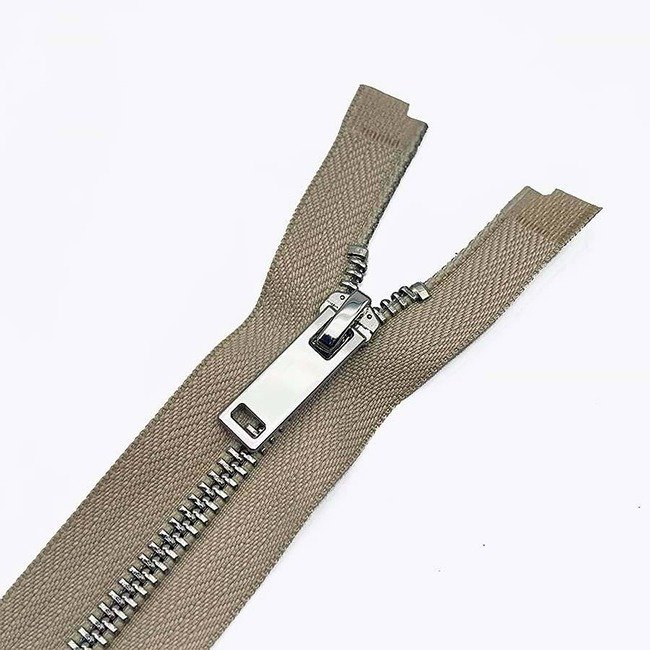
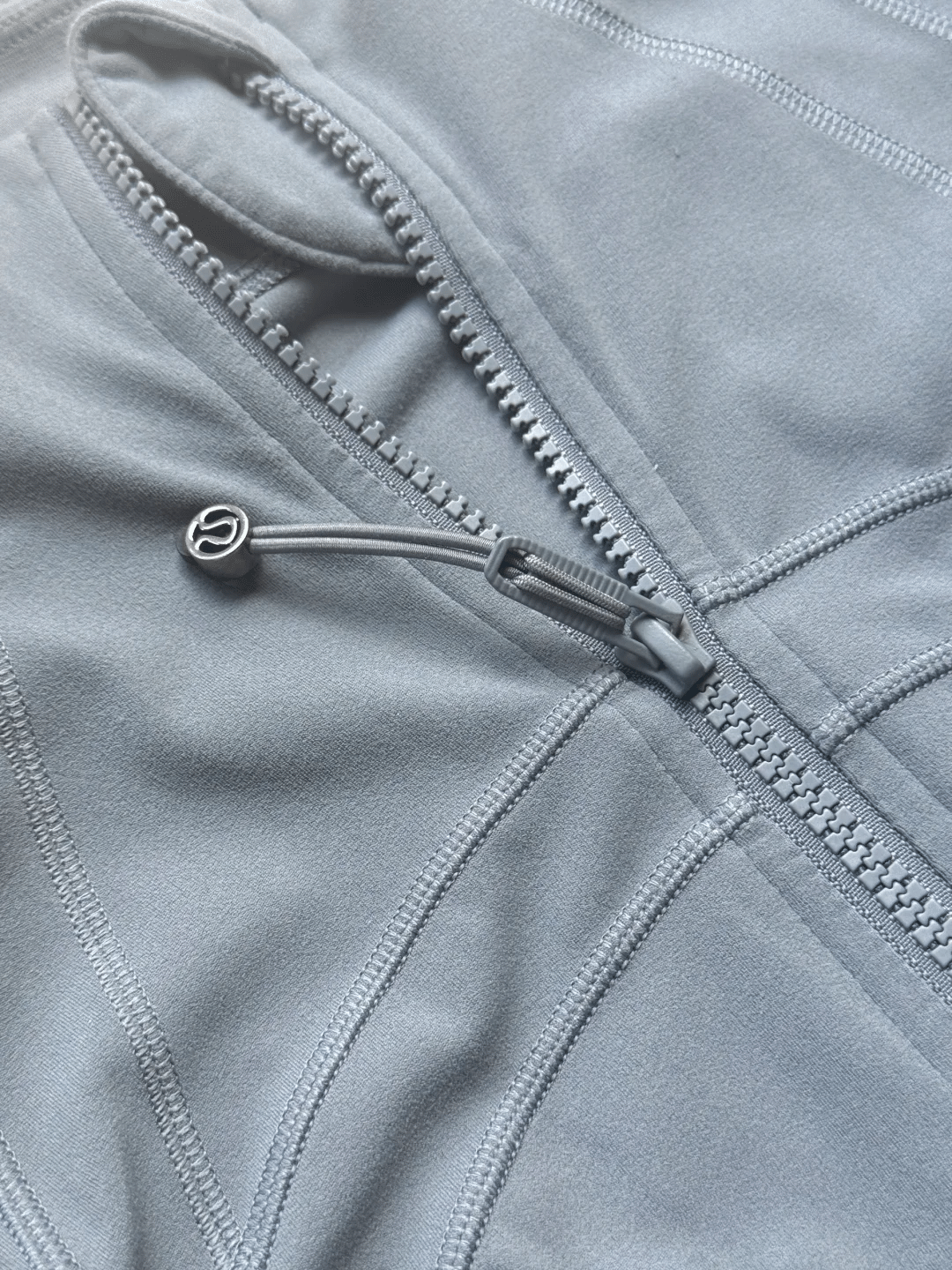
To make good choices, you need to know zipper terms. Top brands like YKK list several key parts of a standard zipper that make up its main structure. Knowing these parts helps you pick the best trim.

Here’s what you need to know about the main parts:

  • Tape: This is the fabric part of the zipper that gets sewn into the clothes. It’s often made of polyester for strength.
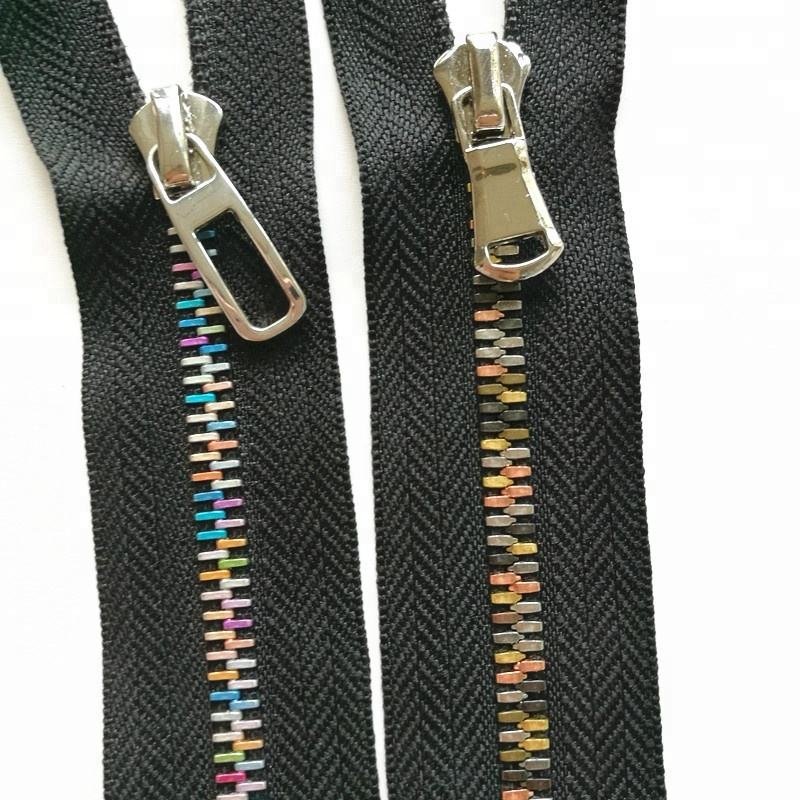
  • Teeth (or Elements): These are the small pieces that lock together to close the zipper. They can be metal, plastic, or nylon coil.
  • Slider (or Car): This is the part you move to open and close the zipper. It has the system that locks and unlocks the teeth.
  • Pull Tab: The piece you hold onto, fixed to the slider. Pull tabs can be made special for your brand and easy use.
  • Top/Bottom Stops: These tiny parts keep the slider from coming off the ends of the zipper chain.
  • Box & Pin: Found on zippers that fully open (like those on jackets), this is what lets the two sides of the zipper split and join again.

Freight discount

Free Full Creative Proof For Approval

Free Digital Mock Ups

Custom packaging
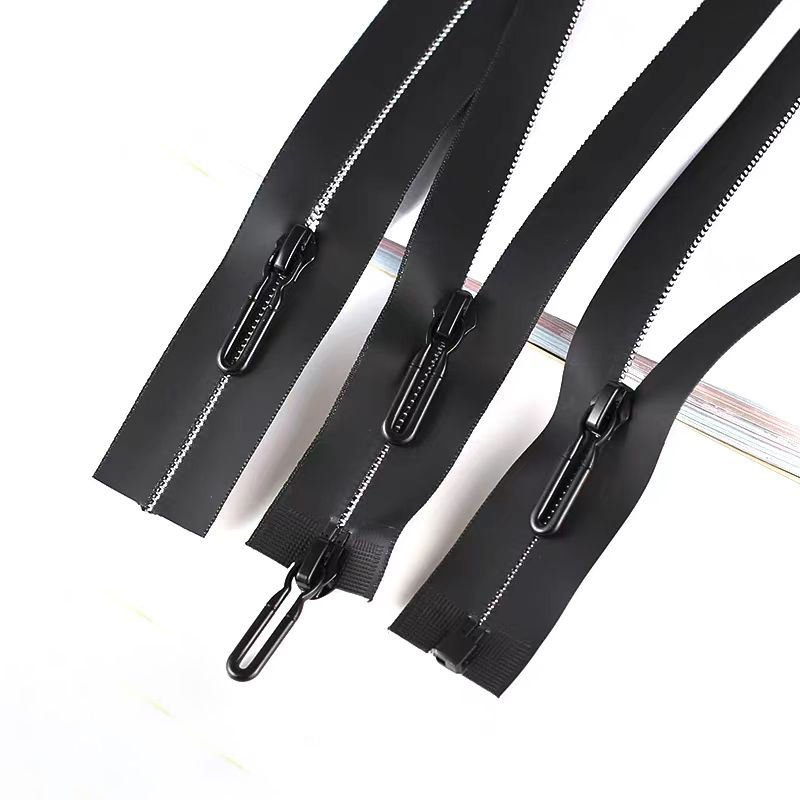
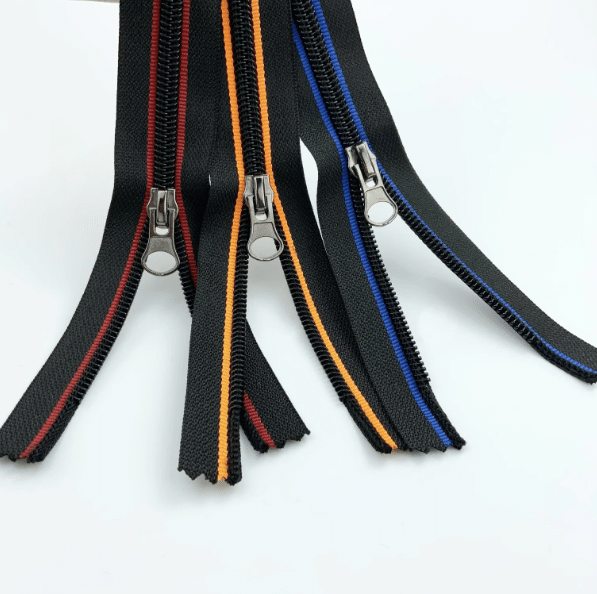
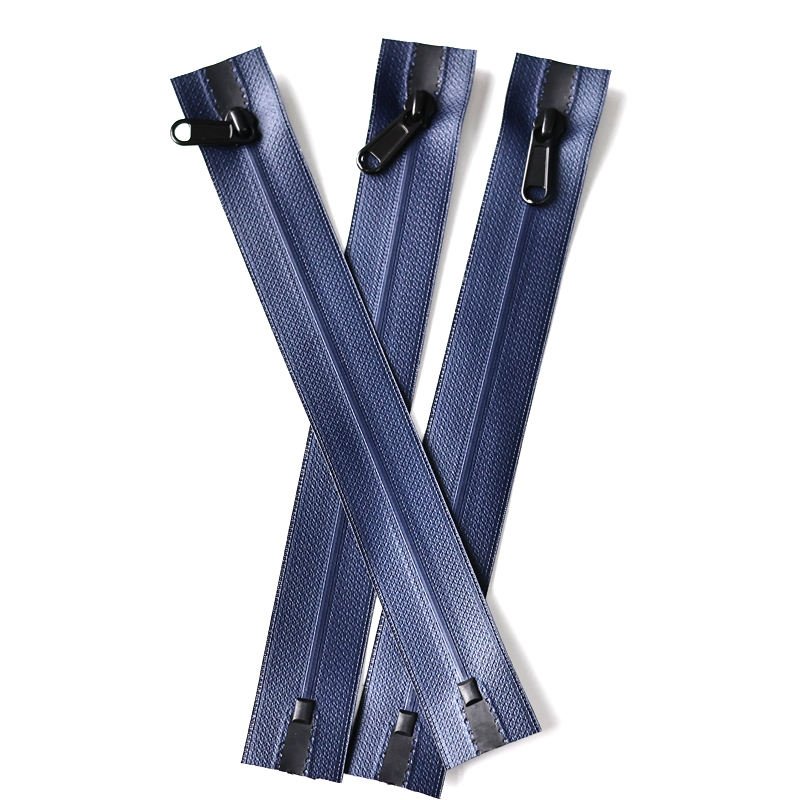
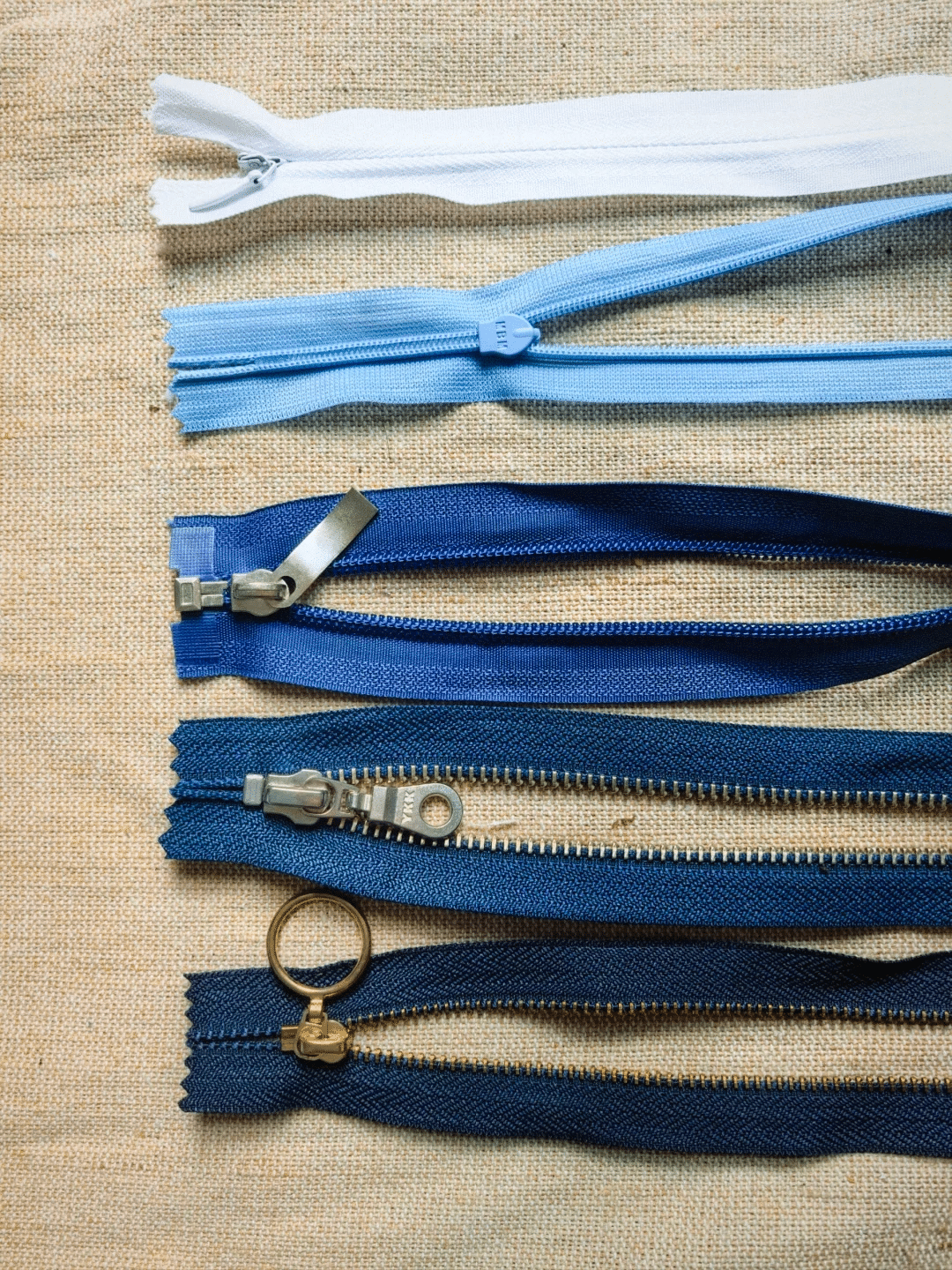
Zipper Product Gallery

A Manufacturer's Guide to Zipper Types and Materials

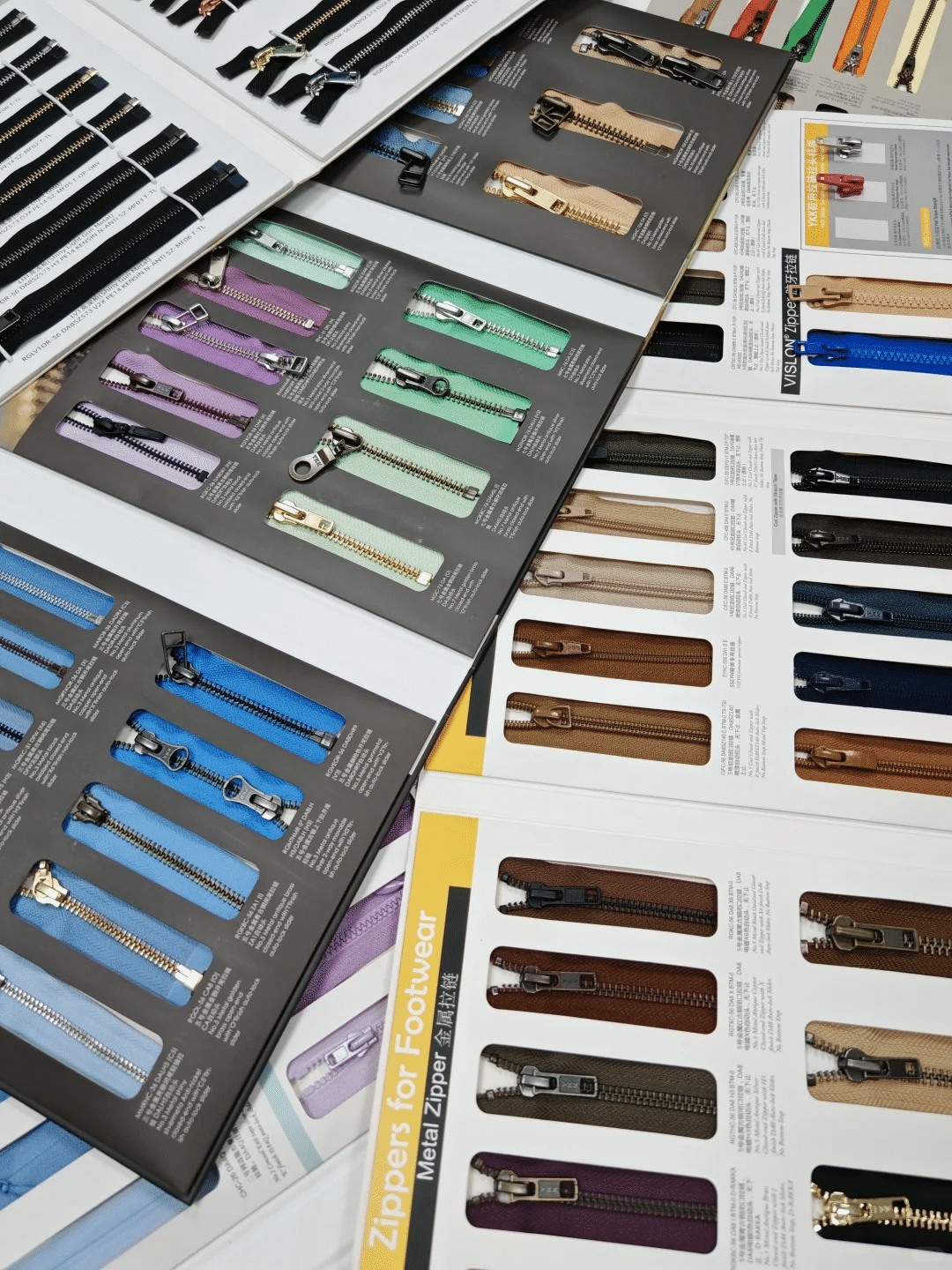
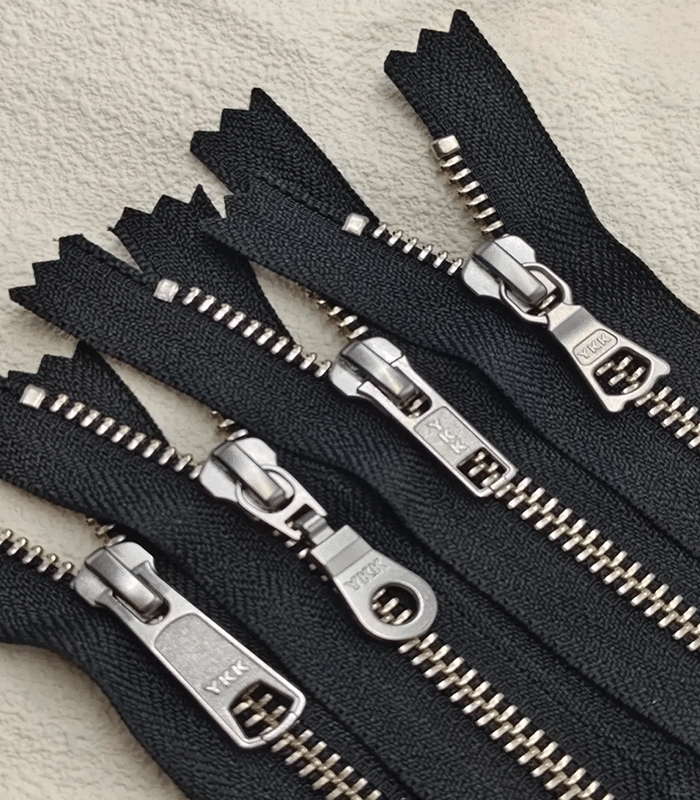
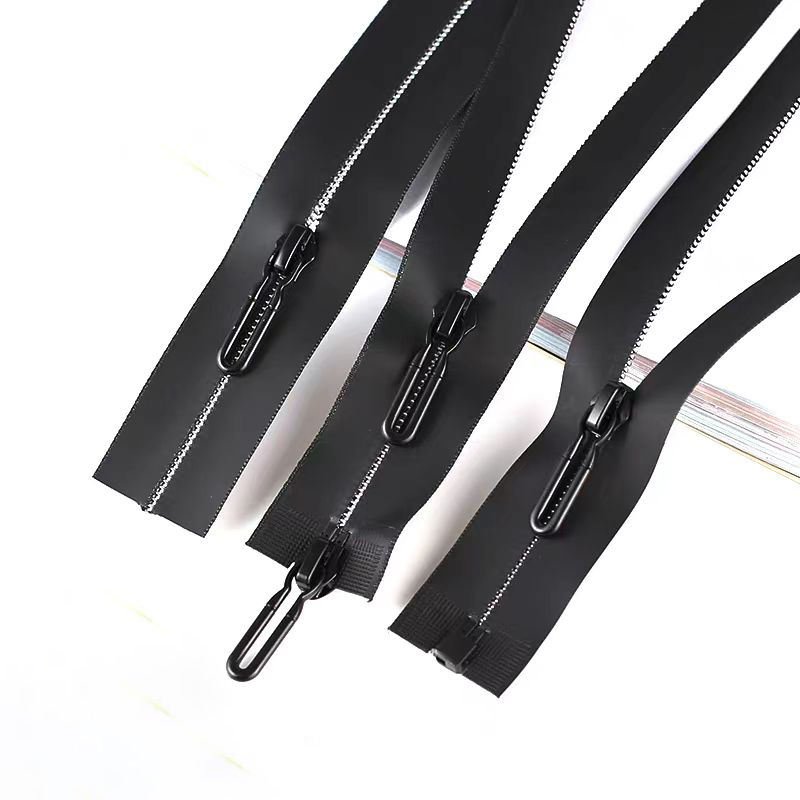
The history of the modern zipper illustrates rapid development from an uncomplicated lock to numerous kinds of fasteners. For clothing, you mostly just need the three basic types: metal; coil (nylon); and molded plastic (Vislon).

Each has its own characteristics, advantages and ideal applications. Choosing the right buttstock involves scoring strength, bend, looks and cost against what your item needs. A poor product — choosing a heavy metal zipper for a light silk top, for example — can wreck the end result.

From our long experience of making clothes, we know that these trade-offs make a huge difference for designers and makers. To aid this decision, we’ve outlined the key characteristics of each kind in the chart below. We use this guide to help our clients choose the right zipper for their product.

Feature

Metal Zippers

Coil (Nylon) Zippers

Molded Plastic (Vislon) Zippers

Material/Construction

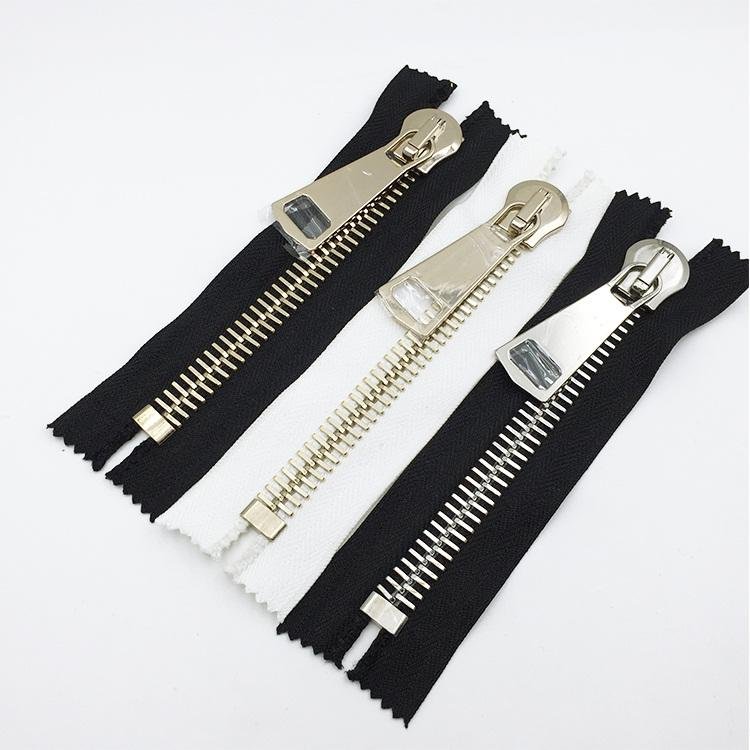
Teeth made of brass, aluminum, or nickel, clamped onto the tape.

A continuous nylon filament is coiled and sewn into the zipper tape.

Individual plastic teeth are molded directly onto the fabric tape.

Key Strengths

Exceptional durability and tensile strength; offers a classic, premium aesthetic.

High flexibility, lightweight, and can be easily concealed (invisible zippers).

Lightweight, completely rust-proof, available in a wide array of bold colors.

Common Weaknesses

Can be stiff and heavy, may corrode in wet conditions (unless treated).

Less durable under heavy, repetitive strain compared to metal.

Teeth can be bulkier and are less durable than metal under high tension.

Best For (Garments)

Jeans (especially flies), leather jackets, heavy-duty outerwear, workwear, and premium bags.

Dresses, skirts (invisible style), sportswear, lightweight jackets, and applications with curved seams.

Sportswear, kids’ clothing, outdoor jackets, and marine apparel due to corrosion resistance.

Manufacturing Note

Can be harsh on sewing needles and requires strong machinery.

Very easy to sew and can be easily cut to a custom length in production.

Excellent for precise color matching and creative, high-visibility designs.

Customization Options by Zipper: Tailored Solutions for All Your Clothing Brand Needs

For apparel brands, Zipper offers a wide range of custom clothing styles along with fully personalized accessories tailored to your unique branding requirements.

With our extensive selection of premium fabrics, expert craftsmanship, garment trims, custom labels, and packaging solutions, you can bring your exact apparel vision to life — whether it’s casualwear, streetwear, athleisure, or lifestyle collections.

Our goal is to help you create distinctive products that resonate with your target customers and strengthen your brand identity. Understanding the importance of customization, Zipper, as a professional clothing manufacturer, provides comprehensive, end-to-end customization services to meet all your brand’s specific needs — from concept development to final production.

Choosing the Perfect Zipper: A Fabric-First Approach

Elementary guides can do only so much. Real expertise, in making clothes, comes from understanding how the pieces fit together. We take a “fabric-first” approach to zipper selection at Prime Streetwear Manufacturing, ensuring the trim works with the main cloth, instead of against it!

Lightweight Fabrics (e.g., Silk, Chiffon, Rayon, Voile)

THE CHALLENGE These soft fabrics don’t have much strength by themselves. Or a regular or heavy zipper will cause undesirable puckering along the seam, and then hang too heavily and ruin how the garment drapes.

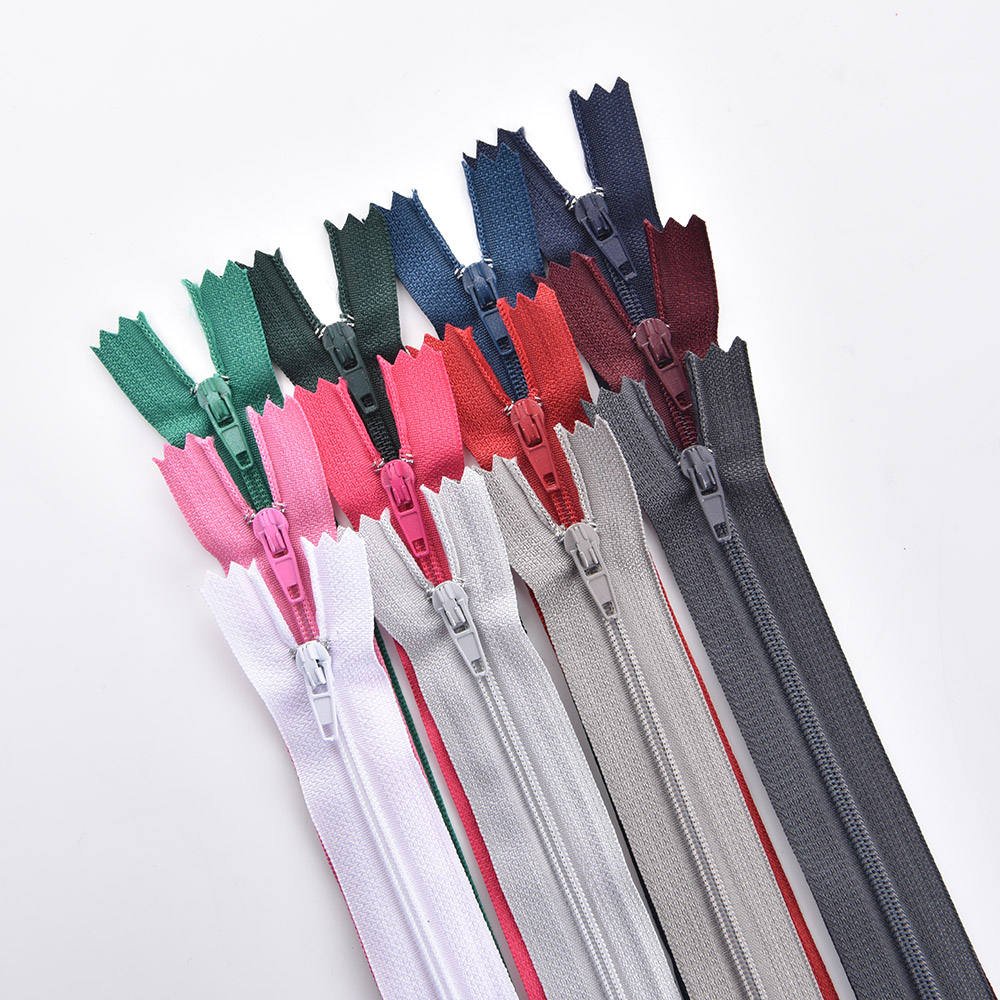
Our Recommendation: Use a light #3 nylon coil zipper at all times. An invisible zipper is a requirement for optimal dresses and skirts. Its coil is on the back side, so there’s just a small seam to see, maintaining the fabric’s clean look.

Stretch Fabrics (e.g., Jersey, Spandex Blends, Knitwear)

The Challenge: Rigid things destroy stretch. And a firm metal or molded plastic zipper will not move with the fabric, creating waves and restricting how a garment is meant to fit and feel.

Our Pick: This is where nylon coil zippers come into play. Its coil design allows for flex to move with the fabric. To keep the seam’s stretch when sewing the zipper into the item we lead to use a stretch stitch, this is something that we always double-check.

Medium-weight Fabrics (e.g., Cotton Twill, Denim, Wool, Flannel)

The Challenge: This crowd requires smooth use and good power. The decision becomes more complicated and depends on the intended use of the item and style.

Our Pick: You have more options here. A #4.5 or #5 nylon coil zipper is a good balance between strength and smoothness for pants, skirts, or hoodies. For fabrics like denim or a classic wool coat where the zipper adds to the overall ensemble, a #5 zippie in brass or nickel can supply strength and still feel timeless.

Heavyweight Fabrics (e.g., Canvas, Leather, Heavy-duty Cordura)

The Challenge: These fabrics are used in items that face high stress and wear. The zipper must be a source of strength, not a weak spot. It’s often the most important individual detail on gear.

Our Recommendation: This is where #8 or #10 metal or molded plastic zippers shine. For leather jackets or tough work clothes, a heavy-duty metal zipper gives top strength. For high-end outdoor gear that needs water and rust protection, a #8 or #10 molded plastic (Vislon-type) zipper is best.

Decoding Zipper Specifications: Size, Sliders, and More

Aside from the type of material, the tech details in a plan set dictate how a zipper functions. Getting these correct prevents expensive mistakes during production. That’s how we distill it down for our clients.

1. Understanding Zipper Gauge (Size)

The gauge number is the most important spec. It’s not random; the zipper gauge number approximately corresponds to how wide the teeth are — in millimeters when the zipper is closed. A #5 zipper has 5mm wide teeth.

  • #3 & #4: Used for light items. Think dress pockets, blouses, and pants. A #3 is standard for hidden zippers.
  • #5: This is the all-around choice. It’s the most common size, found on hoodies, backpacks, and light jackets. It gives the best mix of strength and size for most uses.
  • #8 & #10: Saved for heavy-duty use. These are on luggage, work clothes, tents, and thick winter coats where max strength is key.

2. Choosing the Right Slider

The slider controls how the zipper works. As makers rethink the way modern fasteners work, knowing these main types is still vital.

  • Locking vs. Non-locking: Locking sliders have a small pin that catches the zipper teeth when not pulled, keeping it from sliding open. This is key for jacket fronts and pants flies. Non-locking sliders, which move freely, are used for bags and tents.
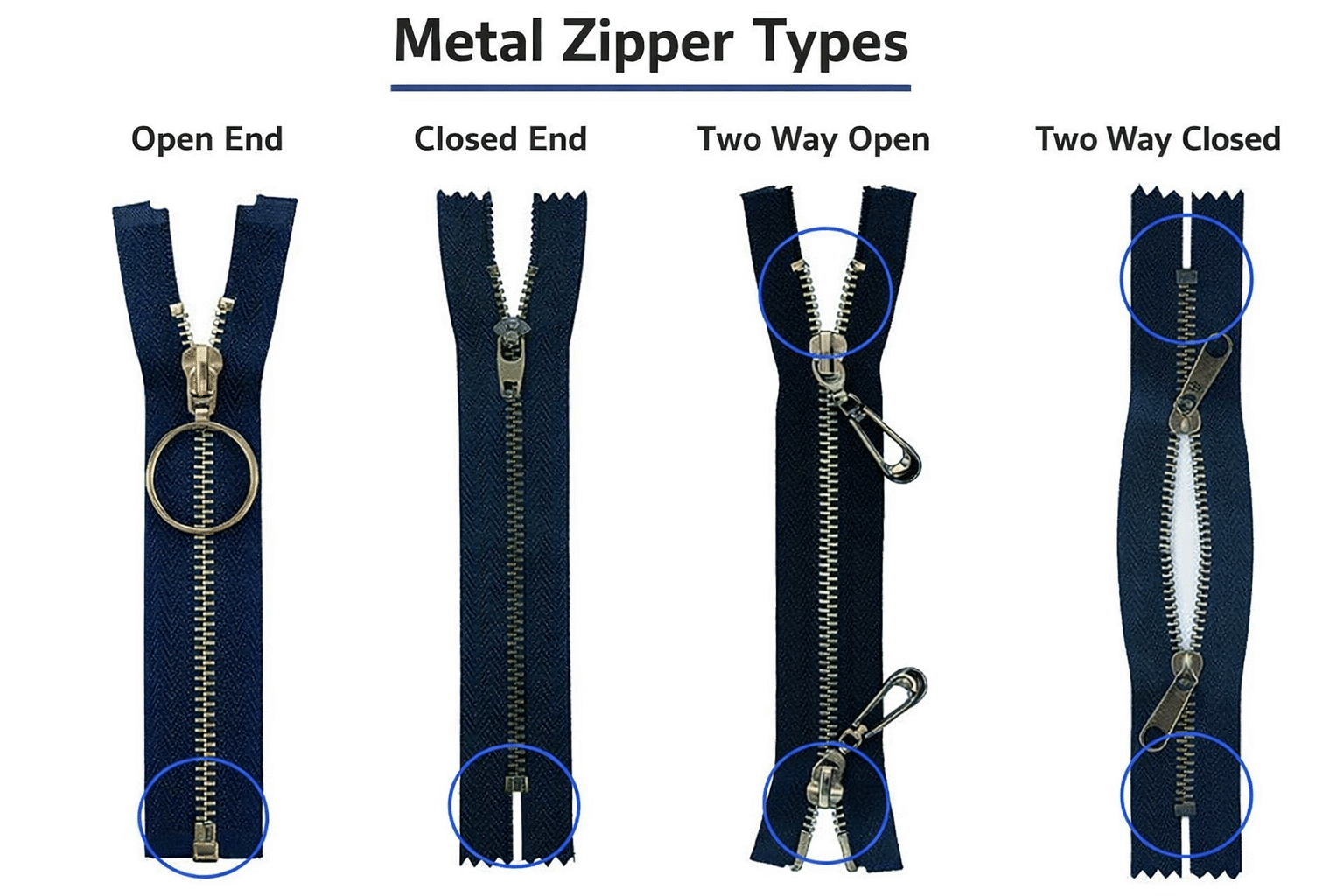
  • One-Way vs. Two-Way: A one-way slider is basic. A two-way zipper has two sliders on the same track, letting it open from both top and bottom. This works well for long coats, giving more room to move when sitting.

3. Separating vs. Non-Separating (Closed-End)

This is a key choice based on how the garment is built.

  • Separating: Lets the two sides of the zipper come fully apart. These are needed for the front of jackets, coats, and zip-up hoodies.
  • Non-Separating (or Closed-End): The two sides of the zipper stay joined at the bottom by a stop. These are used for pockets, pants flies, and the main parts of bags.

Your Partner in Quality: Sourcing Zippers with Prime Streetwear Manufacturing

So knowing zipper theory is one thing; doing it correctly across a full run is quite another. Here is where a good making partner is worth its weight in gold.

We use the 10 years that we have been working on Prime Streetwear Manufacturing to contact top zipper makers around the globe including as YKK and other high grade enterprises. It means we can also find the best part for virtually any job without having to compromise.

We collaborate with clients from the initial drafts to the final product. We do more than take orders; we offer advice. Our staff will analyze your design, the fabric selection you make, and your particular classified ads to recommend the zipper that is cost-effective, aesthetically pleasing, and functional.

Quality checks — that’s what we are all about. We have been told that quality comes from individual units working together — so an item is only as good as its worst part. Each item, including every last bit of zipper, is fully vetted to hit our high bar and ensure it supports your brand’s good name.

Let’s Build Your Vision Together

If you are a new brand or designing products and wishing to take your product quality to the next level, let’s chat. We cover the hard parts – finding trims and making things so you can focus on design and growth.

Contact us to discuss your project needs:

  • Direct Email: info@primestreetwearmfg.com
  • Phone Number: +923158183215
  • WhatsApp: +923158183215

Conclusion: The Small Detail That Makes a Big Difference

From its start as a simple idea of a slide fastener over a hundred years ago, the zipper has grown into a key part of modern clothes. It is much more than just a useful tool.

As we’ve highlighted, your choice of zipper has a direct impact on how quality is perceived in the eyes of consumers, its longevity to use, and the entire user experience. A jammed, broken or incorrect zipper can ruin a whole design.

Deciding on the right zipper is not an additional expense. It’s a straight-up lift to your product’s quality and your brand’s good name.” It’s the little thing that says you are concerned with the big picture.

Real feedback from customers all over the world about
Prime Streetwear Manufacturing.

Communication & Production

How to Start Working with Prime Streetwear Manufacturing?

3X Your order is triple checked by our team prior to production and before shipment

Request a Free Quote & Consultation

Hit us up for a free quote. We’ll discuss your requirements — design, quantity, timing — and put a plan in place that works.

Submit Your Custom Design & Requirements

1. Choosing Zipper Material

2. Selecting the right Carft for the design

3. Payment for samples

4. Sample production after determining the color, size, and accessories of the sample 

Receive Sample Prototypes for Approval

1. Are the fabrics satisfactory?

2. Does the craftsmanship live up to the design?

3. Are there any changes that need to be made to the colors, sizes, and accessories?

4. Details of large orders 

Bulk Production & Delivery Process

1. Payment of deposit for large orders

2. Large Order Production Progress Inquiry

3. Final payment upon completion of prodution

4. Choose the right shipping method, pay the shipping fee, ship the goods 

Frequently Asked Questions

What are the three main types of zippers used in garment manufacturing?

The three main types are metal zippers (made of brass, aluminum, or nickel), coil zippers (made of nylon), and molded plastic (Vislon) zippers. Each has distinct properties suitable for different applications.

How do I choose the right zipper size for my garment?

Zipper gauge numbers roughly match the width of teeth in millimeters. Use #3-4 for lightweight items, #5 for general use, and #8-10 for heavy-duty applications like luggage or winter coats.

Nylon coil zippers have flexibility that allows them to move with stretch fabrics, preventing puckering and maintaining the garment’s intended fit and feel.

What's the difference between separating and non-separating zippers?

Separating zippers allow both sides to come completely apart (used in jackets and coats), while non-separating zippers remain joined at the bottom (used for pockets and pants flies).

How does zipper quality affect a brand's reputation?

A zipper is often the first touchpoint customers have with a garment. High-quality zippers that operate smoothly convey overall product quality, while poor-performing zippers can lead to returns, negative reviews, and damage to brand image.

Zipper Manufacturer Offer

Prime Streetwear Zipper Manufacturer was created to provide helpful service, simple streamlined ordering & eco-friendly options. A company with transparent prices & ethics, a company that aims to create good things.

Prime Streetwear Manufacturing Difference

Prime Streetwear Manufacturing was created, to provide helpful service, simple streamlined ordering & eco-friendly options. A company with transparent prices & ethics, a company who aims to create good things.

Innovative Ideas

Prime Streetwear Manufacturing is proud to be a leading partner in the promotional products + fashion industry. With unique ideas + out of the box printing methods.

We Stand Behind Our Work

Our main goal is to provide peace of mind so you can relax and have confidence that your job will come out exactly as you had imagined.

Quality Over Quantity

Prime Streetwear Manufacturing believes in quality over quantity and we want our customers to feel the same way.

Dedicated Reps

Each account receives a dedicated rep who can be reached face to face by phone or via e-mail.

Long Lasting Relationships

We value all of our clients and aim to solidify long lasting & mutually beneficial relationships.

Shopping Cart