

The Professional's Guide to Clothing Buttons: A Manufacturer's Perspective
Introduction: More Than a Fastener, a Statement of Quality
In clothing, a button is never just a button. It’s the last handshake—the detail that tells the wearer how much you’re worth. As a key element of Custom Clothing Accessories, buttons carry both functional and symbolic value.
For a designer, design manager, or production manager, this tiny component—often overlooked by the end consumer—can be crucial. Within the world of Custom Clothing Accessories, even the smallest detail can define the overall perception of a garment. After 10 years of making clothes, we’ve learned the power of a button to elevate a piece—or how it can ruin an entire design.
Buttons are an essential component of quality, design, and ultimately the brand itself. As part of Custom Clothing Accessories, these small objects have a surprisingly rich history, evolving from simple fasteners into symbols of status and style.
This guide will take you through our expert lens—a thorough examination of materials and manufacturing techniques, along with a strategic framework for choosing the right Custom Clothing Accessories for your project.
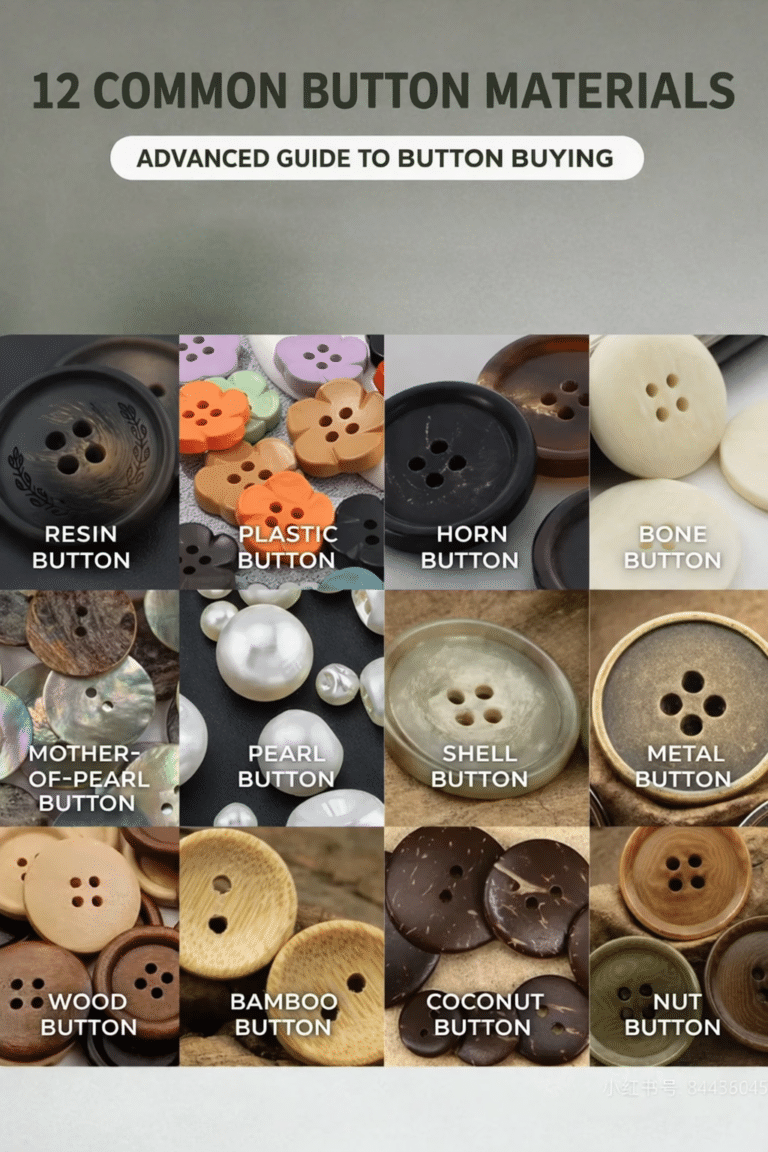
A Deep Dive into Clothing Button Materials
Selecting the correct material is more important to decide buttons. This choice will affect the look, durability, cost and hand of your sensitive.
A list of materials, however, is not enough; a professional has to grasp the trade-offs. To make this easier, we’ve put together a comparison informed by decades of sourcing and manufacturing.
Material | Manufacturing Highlights | Pros | Cons | Best Suited For |
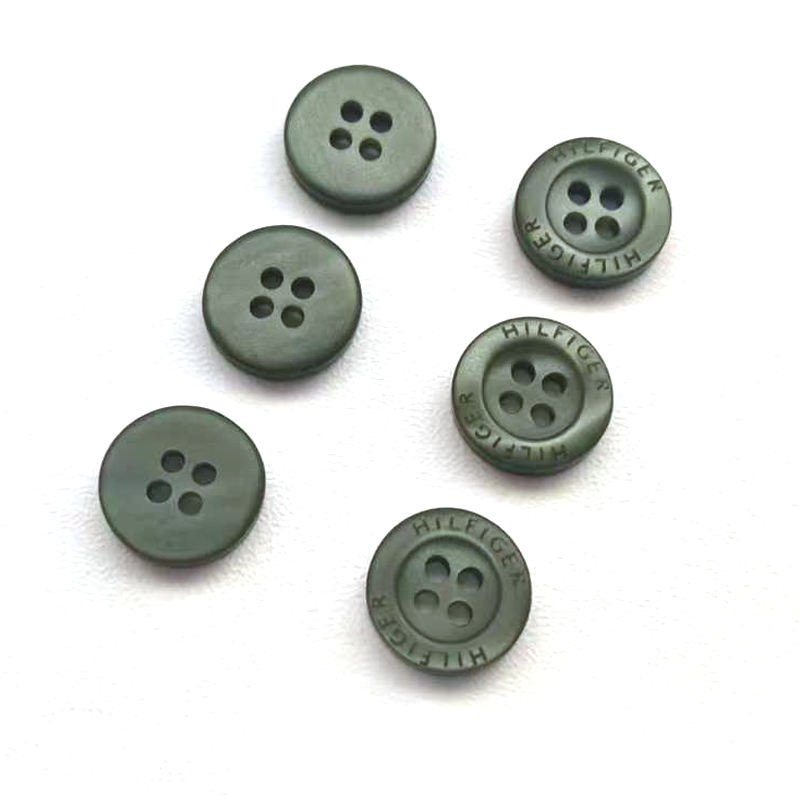
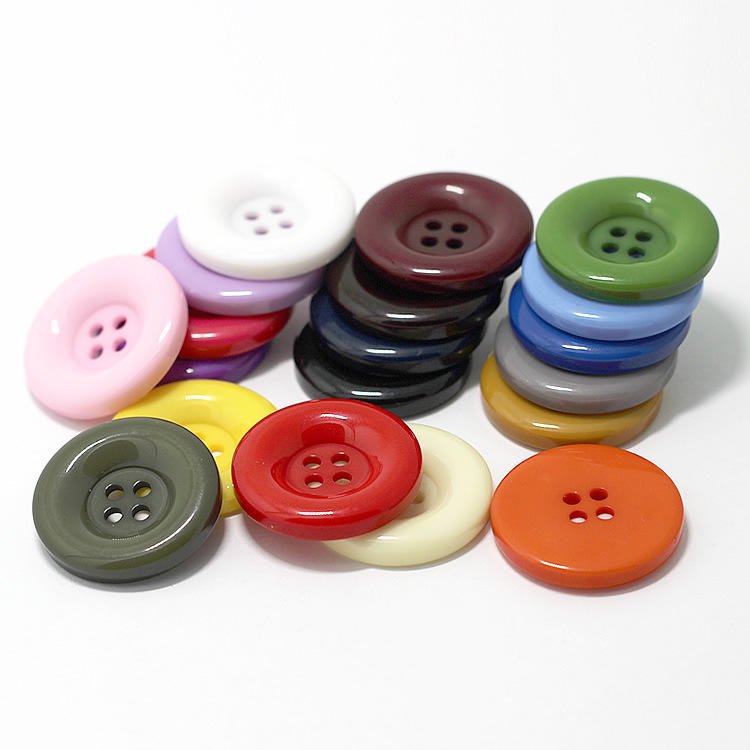
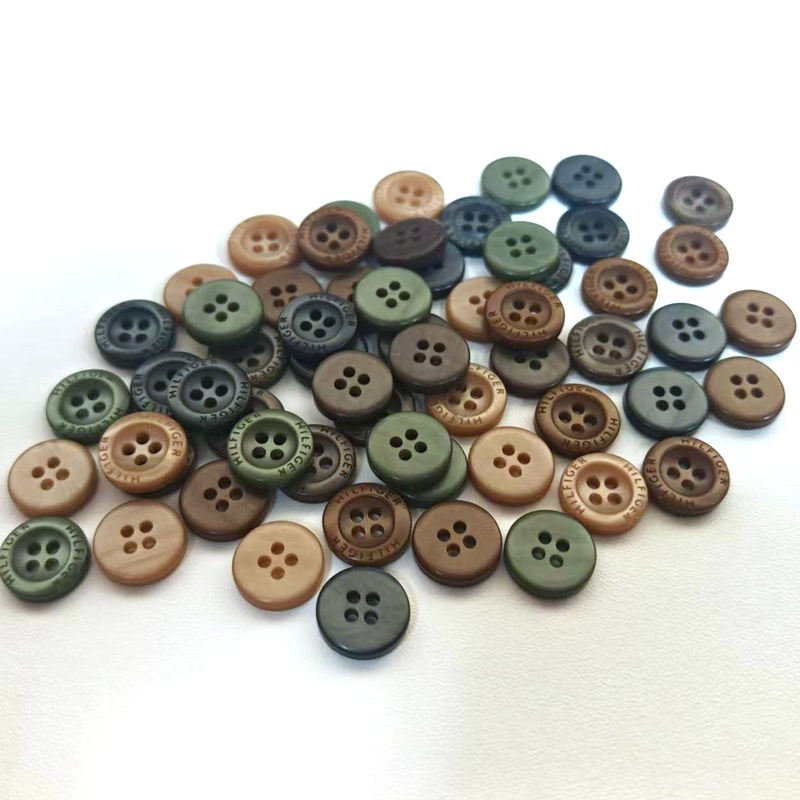
Polyester/Resin | Molded from liquid resin, can be dyed, laser-etched, polished. | Extremely versatile, cost-effective, high durability, endless color/finish options. | Can feel “plastic,” may crack under extreme pressure. | Blouses, shirts, trousers, fast-fashion, general apparel. |
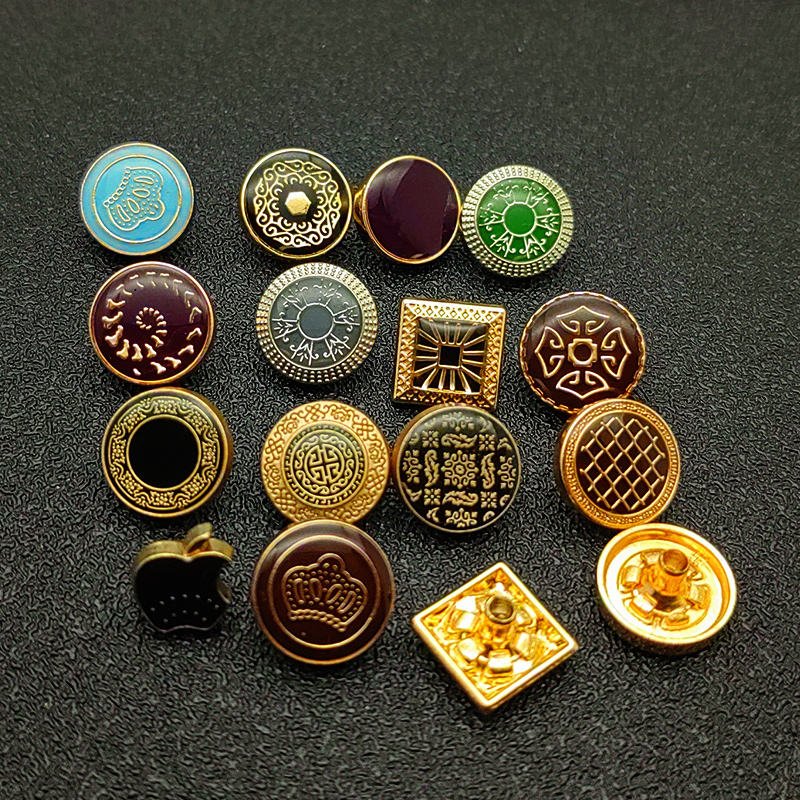
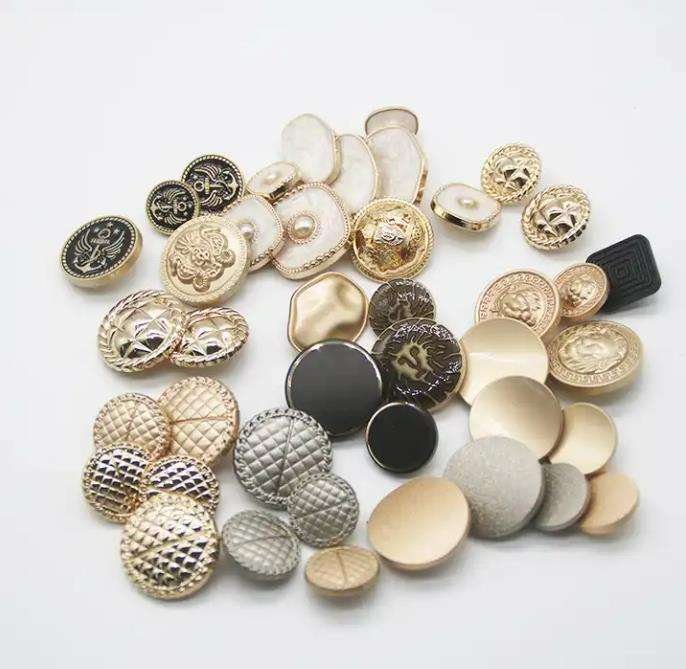
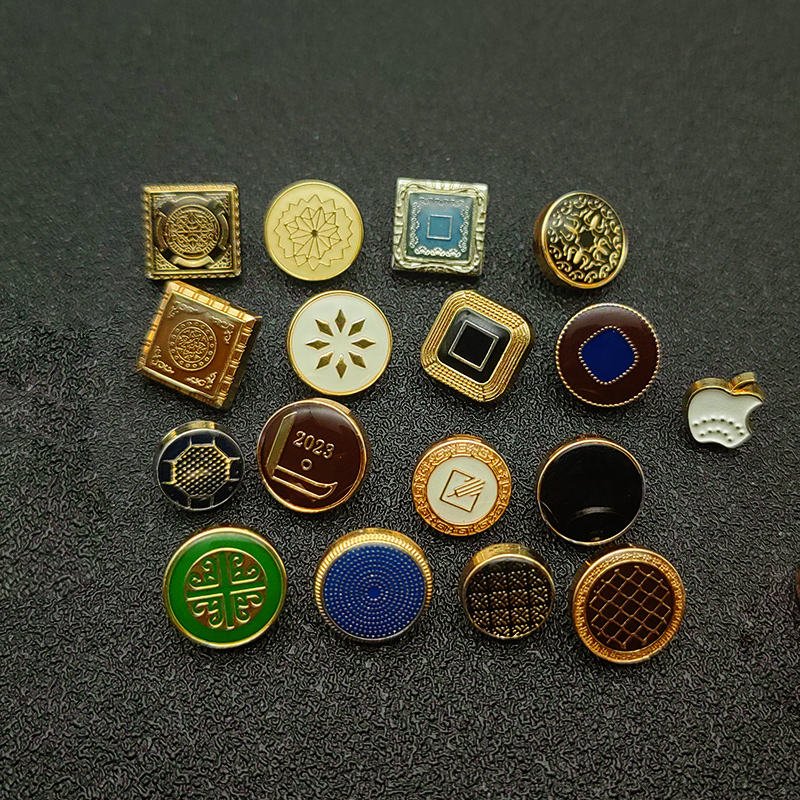
Metal | Die-cast from molten zinc alloy or stamped from brass/steel. Plated for color. | Highly durable, premium feel, adds weight and structure. Great for branding (logos). | Heavier, higher cost, plating can wear off, potential for rust if low quality. | Denim (jeans buttons), coats, blazers, workwear, high-fashion. |
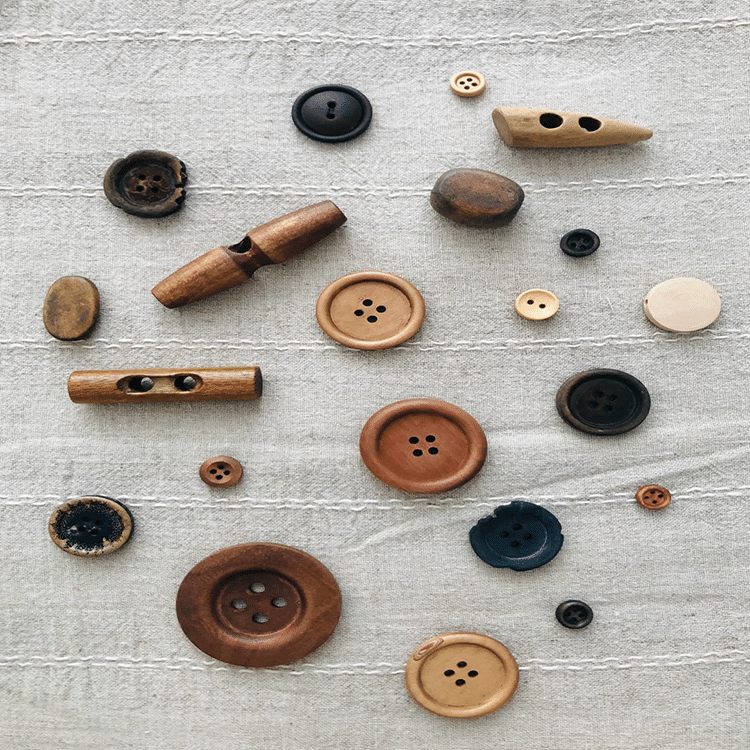
Wood | Turned on a lathe or laser-cut from various wood types. | Natural, rustic aesthetic, lightweight, biodegradable. | Can be fragile, may swell or discolor with repeated washing, inconsistent patterns. | Knitwear, casual shirts, rustic-themed jackets, children’s wear. |
Corozo (Tagua Nut) | Lathe-turned from the nut of the Tagua palm tree. Dyeable. | Eco-friendly, durable, porous for excellent dye absorption, unique grain pattern. | More expensive than polyester, can be brittle if thin. | High-quality men’s suiting, blazers, coats, sustainable brands. |
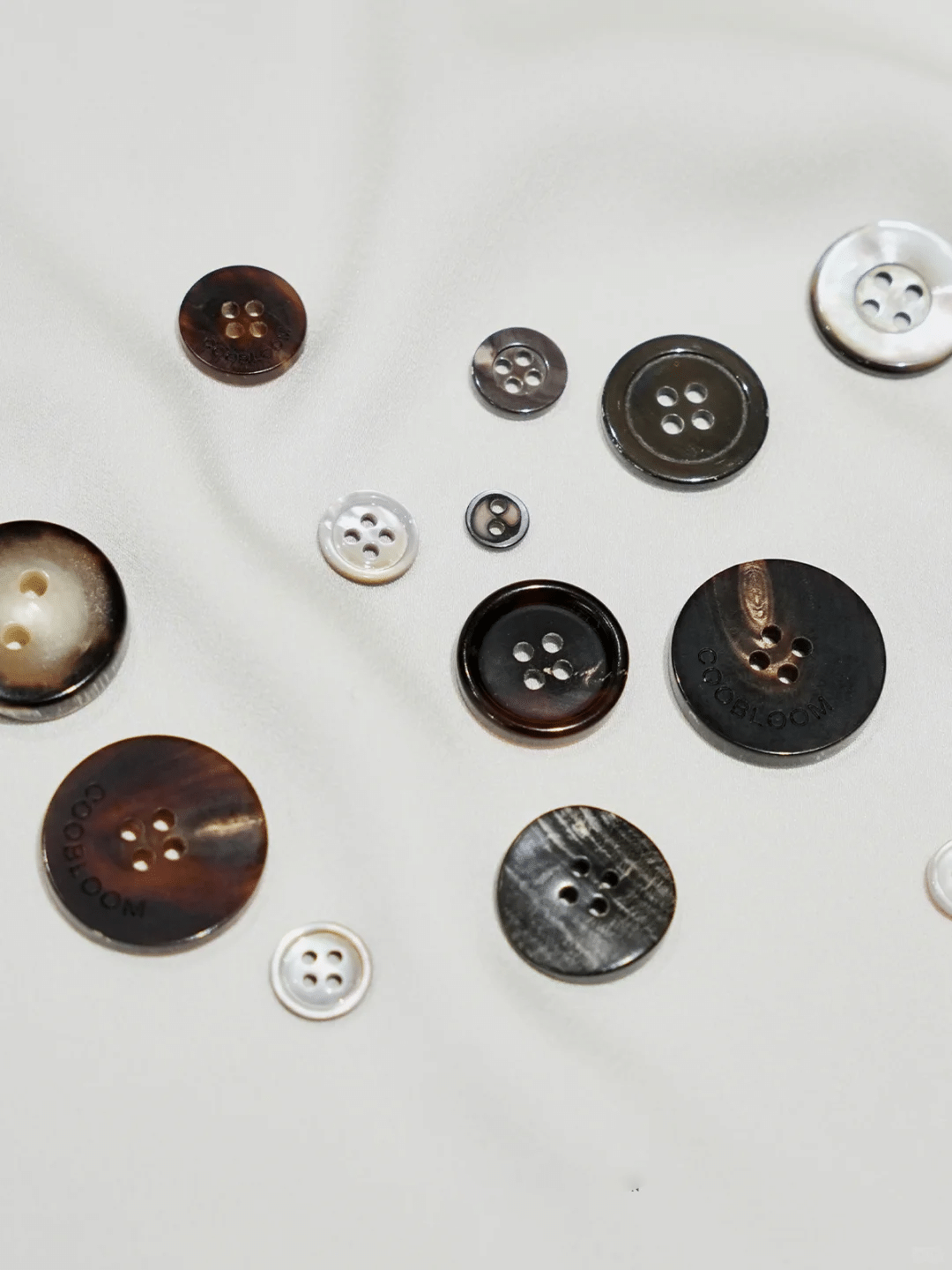
Shell/Mother-of-Pearl | Cut and polished from Troca, Akoya, or other seashells. | Luxurious, iridescent sheen, unique and natural. | Fragile (can crack in washing machines), higher cost, prone to chipping. | High-end shirting, blouses, formalwear, luxury goods. |
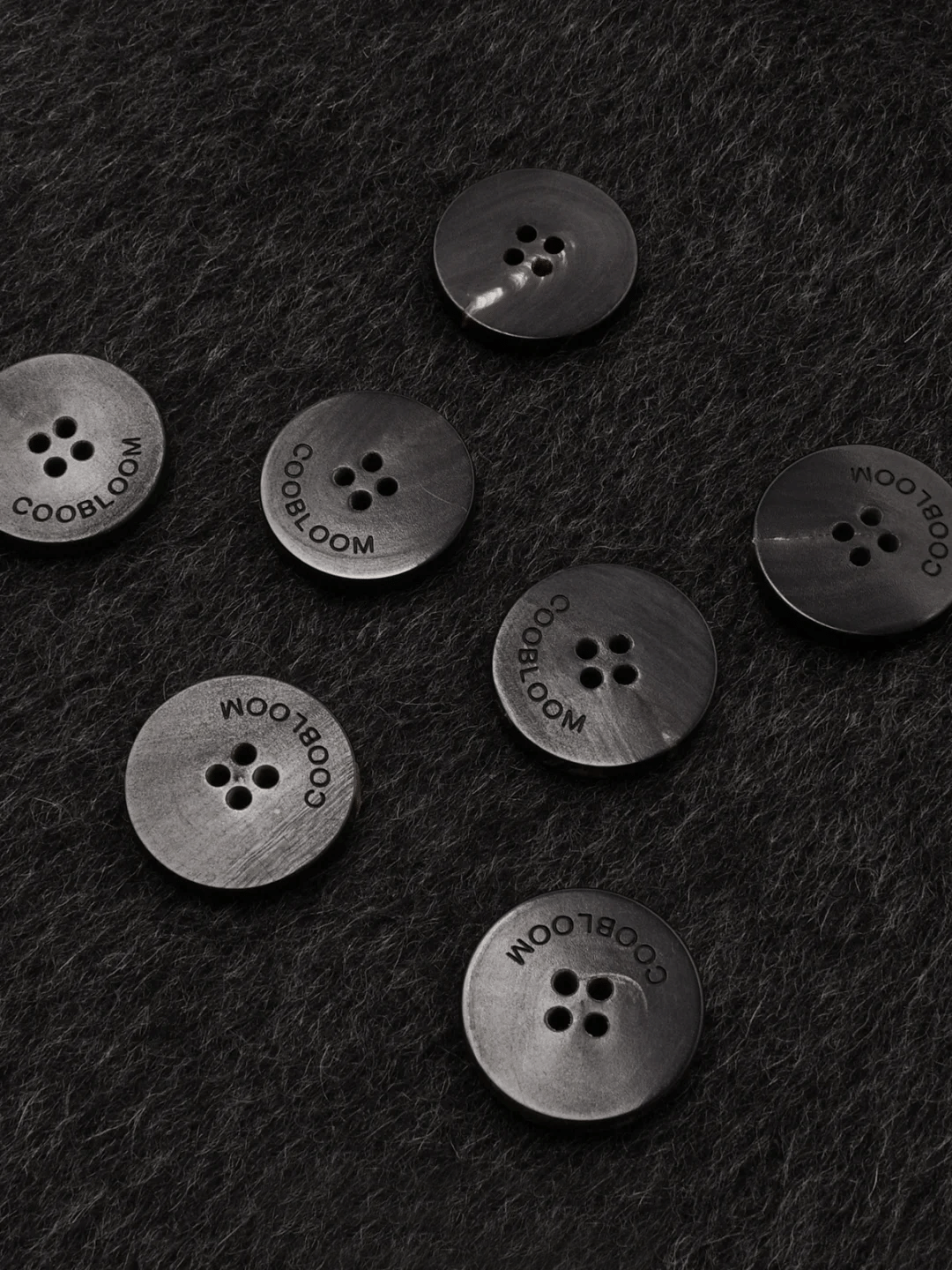
Horn | Cut and polished from real buffalo or ox horn. | Unique natural patterns (no two are alike), rich depth of color, very durable. | Highest cost, ethical sourcing concerns, color variation can be a production challenge. | Bespoke tailoring, luxury outerwear, high-end designer pieces. |
Polyester & Resin Buttons: The Versatile Workhorse
From our experience, over 90% of apparel uses polyester or resin buttons. The key is in the finish.
A high-quality molded resin button can be polished to mimic horn or shell at a fraction of the cost. We always advise clients to check for colorfastness, especially with dark buttons on light fabrics, to prevent bleeding during washing.
Metal Buttons: Durability Meets Style
When clients want a button that feels substantial, we turn to metal. For jeans, a stamped brass shank button is non-negotiable for its strength.
For blazers, die-cast zinc alloy allows for intricate logos and designs. A critical tip: always specify nickel-free plating for pieces that may touch the skin to avoid allergic reactions.
Natural Buttons: Wood, Corozo, Shell, and Horn
Natural materials tell a story. Corozo is our go-to for sustainable brands; it’s called “vegetable ivory” for a reason and offers a premium feel without the cost of real horn.
When using mother-of-pearl, we recommend including a spare button with the garment, as they are notoriously fragile. For horn, we work with suppliers who provide sourcing transparency, ensuring it’s a byproduct and ethically obtained.

Freight discount

Free Full Creative Proof For Approval

Free Digital Mock Ups

Custom packaging
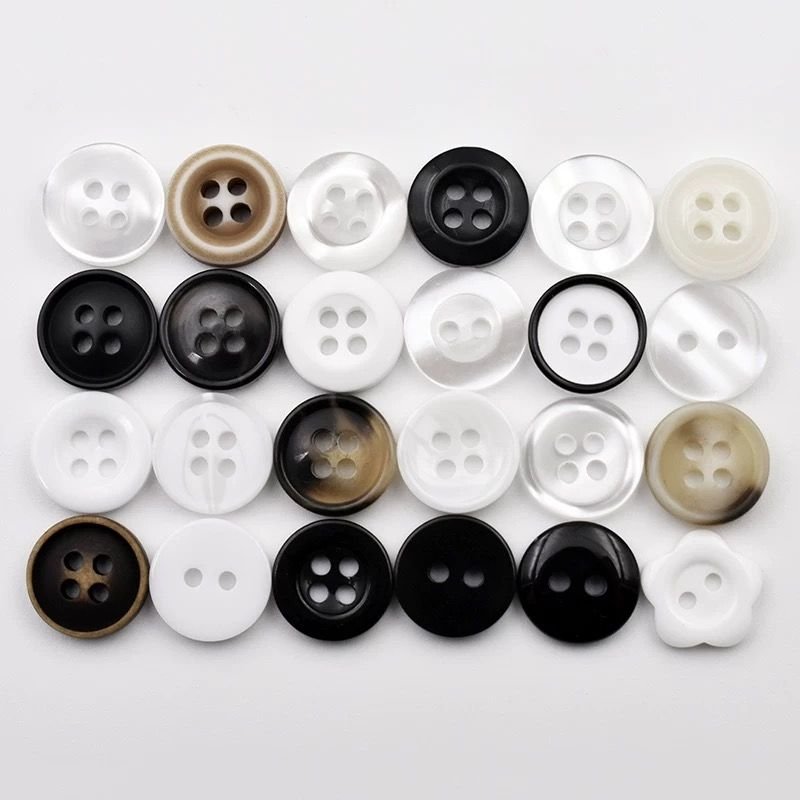
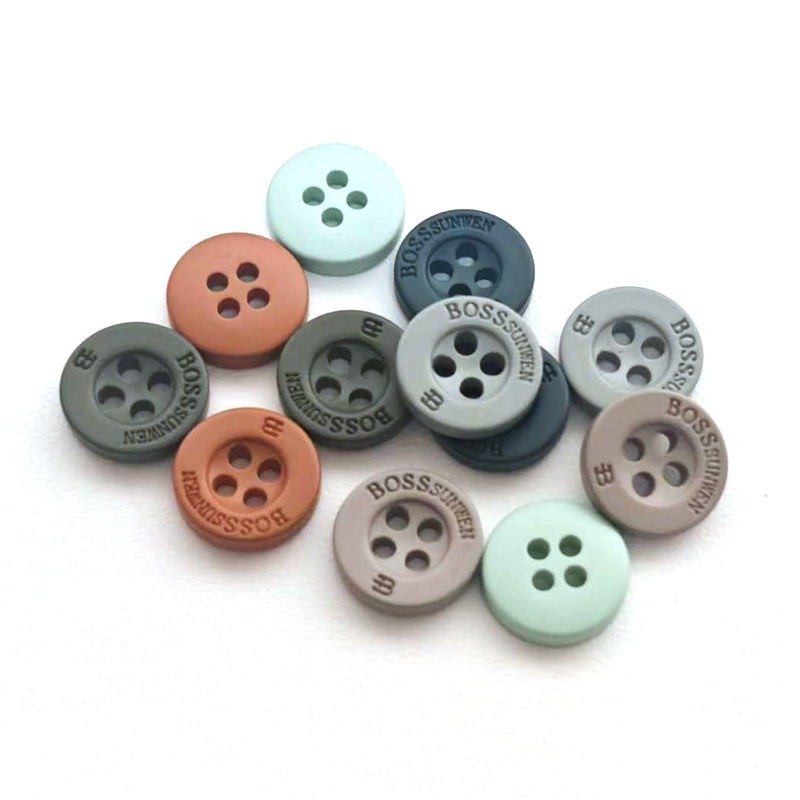
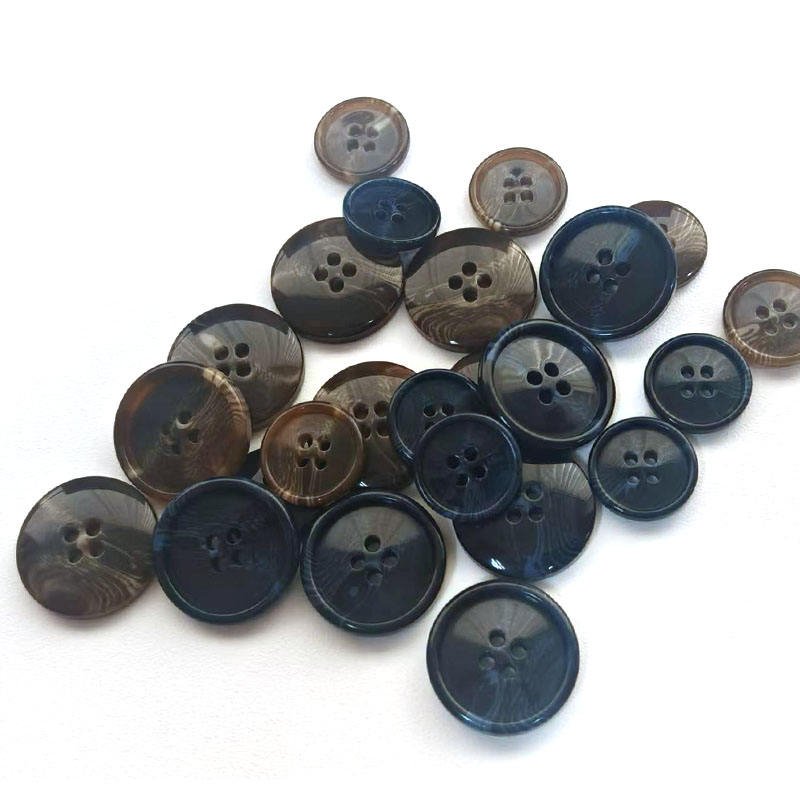
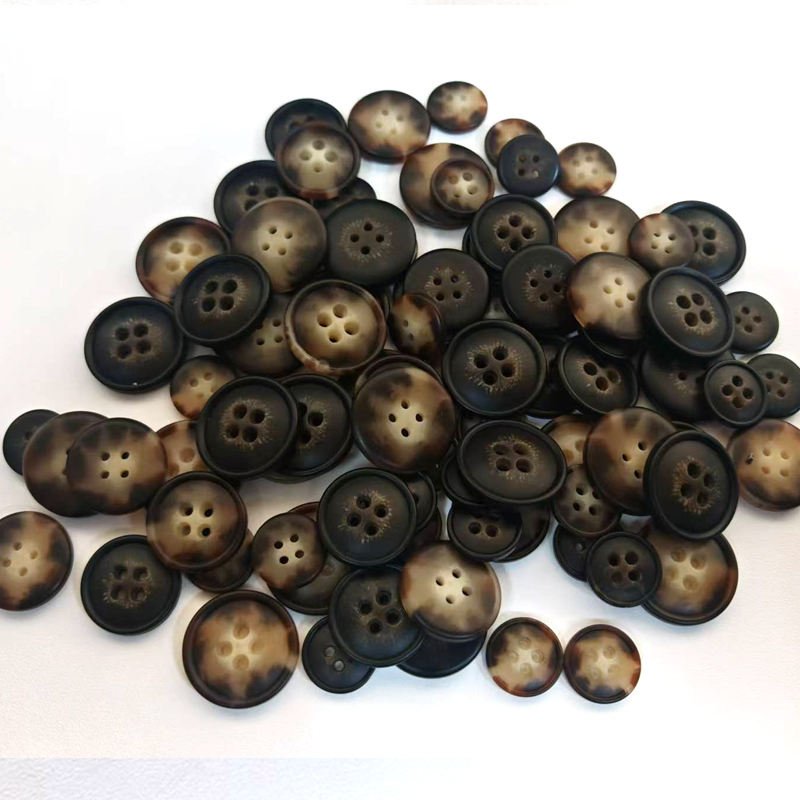
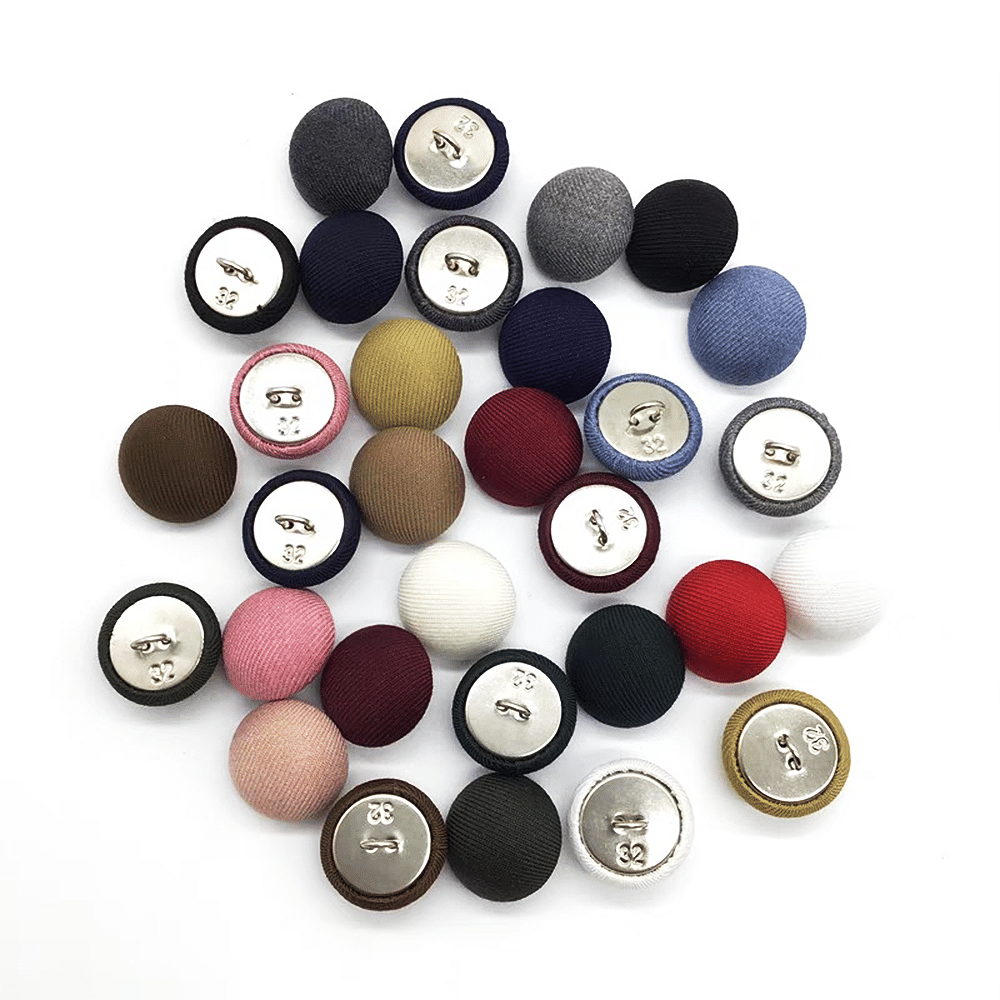
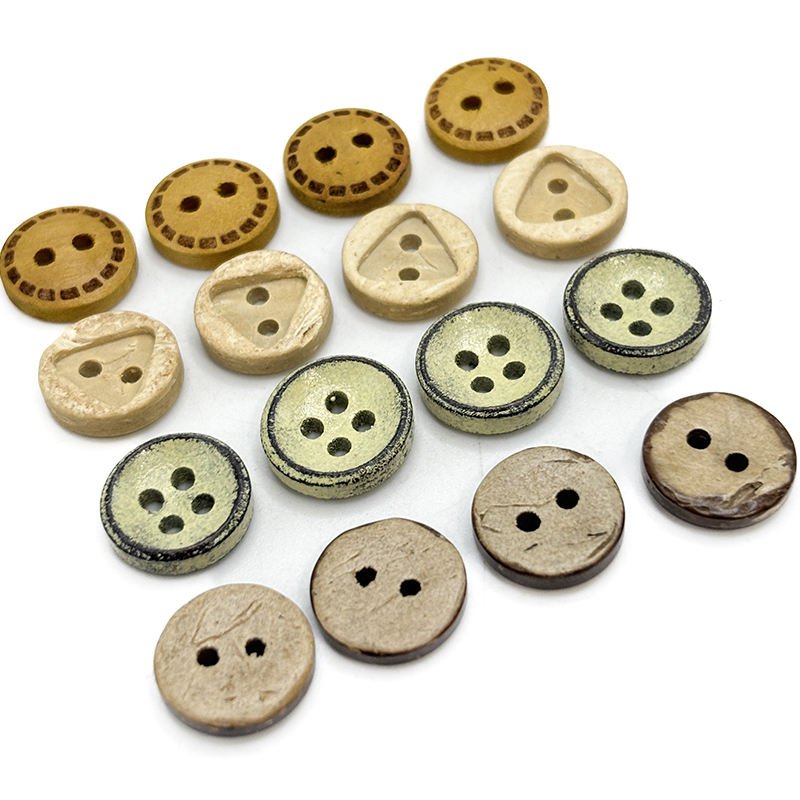
Clothing Buttons Product Gallery


The Art of the Button: A Look into Manufacturing & Craftsmanship
Understanding how a button is made is key to appreciating its cost and capabilities. This “behind-the-scenes” knowledge is what separates a novice from an expert.
Here’s a look into the core manufacturing processes.
Molding and Casting: The Process for Resin and Plastic
This is the most common method for creating polyester and plastic buttons, valued for its efficiency and versatility.
- Mold Creation: A master design is used to create a steel mold, which can have hundreds of button cavities.
- Injection/Casting: For resin buttons, liquid polyester resin mixed with catalysts is poured into the molds (casting). For other plastics, molten material is forced into the mold under pressure (injection molding).
- Curing and Polishing: The buttons are cured (hardened) with heat. Afterward, they are tumbled in barrels with abrasive media and polishing compounds to smoothen edges and create a shine.
- Finishing: Additional effects like laser engraving for logos or patterns are applied last.
Stamping and Plating: Crafting Metal Buttons
This process is used for durable buttons, like those found on jeans and military-style jackets.
- Stamping: A sheet of metal, typically brass or steel, is fed into a high-pressure press. A die stamps out the button’s shape and embosses a logo or design onto the surface.
- Shank Attachment: For shank buttons, a separate wire shank is welded or crimped onto the back of the button cap.
- Plating and Finishing: The raw metal buttons are cleaned and then electroplated. This process applies a thin layer of another metal (like antique brass, nickel, or gunmetal) to provide color and corrosion resistance. A final lacquer coat can seal the finish.
Lathing and Polishing: The Natural Beauty of Corozo and Horn
This traditional craftsmanship is used for high-end natural materials, where the goal is to reveal the material’s inherent beauty.
- Blank Cutting: The raw material (a corozo nut or a piece of horn) is first sliced into “blanks” of the appropriate thickness.
- Lathing: Each blank is individually placed on a lathe. As it spins, cutting tools shape the face, edges, and drill the holes. This is a highly skilled process.
- Dyeing (for Corozo): Corozo blanks are often dyed in hot vats before final polishing, allowing the color to penetrate the material deeply.
- Polishing: The shaped buttons are tumbled with wood chips or polished with waxes to bring out their natural luster and unique striations.
Clothing Button Manufacturer Customization Options: For All Your Brand Needs
For apparel brands, we offer a wide range of custom clothing button solutions tailored to your specific branding requirements.
With our extensive selection of materials, sizes, shapes, finishes, colors, logo options, expert craftsmanship, personalized labels, and custom packaging, you can create the exact clothing buttons that perfectly complement your garment designs.
Our goal is to help you achieve distinctive, high-quality button products that resonate with your customers and enhance your brand identity. Understanding the importance of customization, we, as a professional Clothing Button Manufacturer, provide comprehensive customization options to fulfill all your brand’s specific needs — whether for shirts, jackets, coats, jeans, dresses, or other apparel applications.
A Strategic Guide to Selecting the Perfect Clothing Button
The optimal is a compromise between looks, functionality, manufacturability and budget. It is easy to transition from a random selection through to strategic, if you have the right structure in place.
This is the process we use to guide our clients.
1. Aligning with Aesthetics and Brand Identity
First, consider the soul of the garment. A minimalist linen shirt demands a simple, matte-finish resin or a natural wood button.
An avant-garde jacket might call for an oversized, custom-cast metal button. The button must speak the same language as your design and reinforce your brand’s core identity.
2. Prioritizing Functionality and Durability
A button’s job comes first. A coat button must withstand heavy use and tension, making a sturdy shank button (metal or thick corozo) ideal.
A decorative cuff button on a delicate blouse, however, can be more ornamental. We always advise performing wash, dry-clean, and heat tests. Testing your button choice is a non-negotiable step to prevent issues like color bleeding or cracking later on.
3. Ensuring Fabric Compatibility
All cars do this and it’s the number one thing we see wrong. For example, a heavy metal button on a delicate silk blouse will tug the fabric and not drape well.
Generally, the weight of the fabric should be matched to the button. We had a designer one time select all this gorgeous heavy metal buttons for a collection of silk chiffon. The samples were unwearable. We swapped them out for featherweight mother-of-pearl, that elegant feel made lighter without compromising the garment’s integrity.
4. Factoring in Production and Budget
Finally, consider the practicalities. Custom buttons have higher Minimum Order Quantities (MOQs) and longer lead times.
“Real” horn buttons or shell buttons will add significantly to your sewing cost per garment over polyester. Also consider the method of application: Shank buttons or thick-coat-style buttons often need hand sewing, which incurs a labor cost not associated with machine-attached flat buttons.
Your Partner in Apparel Manufacturing: Prime Streetwear Manufacturing
Selecting the perfect button for your coat or shirt can be a daunting task, but you don’t have to travel that road alone. The information we went over is second nature to a manufacturing partner.
At Prime Streetwear Manufacturing, it is our ability to use industry experiences and contacts in guiding your next decision from trims selection to product cycle. Since we’ve been in business for 10 years, we have a strong supply chain and a good eye for the details that make a quality product. We offer one stop solution for your garment manufacturing in view of sourcing, production and Q.C so that you save time taking care on growing business.
Ready to bring your designs to life with the perfect details?
Partner with us for professional direction and smooth execution. With 10+ years of manufacturing clothing, you can focus on the details and let us do all the work.
Conclusion: The Finishing Touch That Makes the Difference
A button is more than just a point of closure it is an integral part that tells the story of your design, quality standards and brand promise.
You turn a plain decision into a bold statement by taking control of materials, manufacturing and purpose. It’s this precision that divides good clothing from great.
In fashion, every detail matters. Make your buttons count.
Real feedback from customers all over the world about
Prime Streetwear Manufacturing.
Communication & Production
How to Start Working with Prime Streetwear Manufacturing?
3X Your order is triple checked by our team prior to production and before shipment
Request a Free Quote & Consultation
Hit us up for a free quote. We’ll discuss your requirements — design, quantity, timing — and put a plan in place that works.
Submit Your Custom Design & Requirements
1. Choosing Button Design and Material
2. Selecting the right Carft for the design
3. Payment for samples
4. Sample production after determining the color, size, and accessories of the sample
Receive Sample Prototypes for Approval
1. Are the fabrics satisfactory?
2. Does the craftsmanship live up to the design?
3. Are there any changes that need to be made to the colors, sizes, and accessories?
4. Details of large orders
Bulk Production & Delivery Process
1. Payment of deposit for large orders
2. Large Order Production Progress Inquiry
3. Final payment upon completion of prodution
4. Choose the right shipping method, pay the shipping fee, ship the goods
Frequently Asked Questions
What are the best clothing buttons for high-end garments in 2026?
Corozo (Tagua Nut), Mother-of-Pearl, and Horn buttons remain the premium choices for luxury garments in 2026, offering unique natural patterns and superior quality.
How do I choose the right clothing buttons for my design project?
Select buttons by considering your garment’s aesthetics, functionality requirements, fabric compatibility, and production budget constraints.
What are sustainable options for clothing buttons in 2026?
Corozo (vegetable ivory), wood, and recycled polyester buttons are excellent eco-friendly options that don’t compromise on quality or appearance.
How do clothing buttons impact the overall quality of a garment?
Buttons serve as quality indicators—they affect durability, aesthetics, and brand perception, with the right choice elevating a garment’s perceived value.
What's the difference between die-cast and stamped metal clothing buttons?
Die-cast metal buttons are created by pouring molten metal into molds for intricate designs, while stamped buttons are pressed from metal sheets, offering different aesthetics and durability.
Clothing Buttons Manufacturer Offer
Prime Streetwear Clothing Buttons Manufacturer was created to provide helpful service, simple streamlined ordering & eco-friendly options. A company with transparent prices & ethics, a company that aims to create good things.
Prime Streetwear Manufacturing Difference
Prime Streetwear Manufacturing was created, to provide helpful service, simple streamlined ordering & eco-friendly options. A company with transparent prices & ethics, a company who aims to create good things.
Innovative Ideas
Prime Streetwear Manufacturing is proud to be a leading partner in the promotional products + fashion industry. With unique ideas + out of the box printing methods.
We Stand Behind Our Work
Our main goal is to provide peace of mind so you can relax and have confidence that your job will come out exactly as you had imagined.
Quality Over Quantity
Prime Streetwear Manufacturing believes in quality over quantity and we want our customers to feel the same way.
Dedicated Reps
Each account receives a dedicated rep who can be reached face to face by phone or via e-mail.
Long Lasting Relationships
We value all of our clients and aim to solidify long lasting & mutually beneficial relationships.