

The Ultimate Guide to Snap Buttons: A Manufacturer's Perspective
The pleasing “click” of a snap button is no mere noise—it’s a signal of quality and function expressed in a simple way. This small detail can elevate a garment’s overall feel and appearance, yet it’s often overlooked. As part of Custom Clothing Accessories, snap buttons play a subtle but powerful role in both usability and design.
A snap button, or snap fastener, is essentially a pair of interlocking discs that close when pressed together. Within the broader category of Custom Clothing Accessories, it offers a clean, efficient alternative to traditional buttons, combining convenience with a modern aesthetic.
With years of experience in this field, we’ll guide you through everything you need to know about snaps. From a Custom Clothing Accessories perspective, we’ll break down how snap buttons are made, explore the different types available, and explain exactly how to choose and install them flawlessly.
The Anatomy of a Snap Button: Understanding the Four Core Components
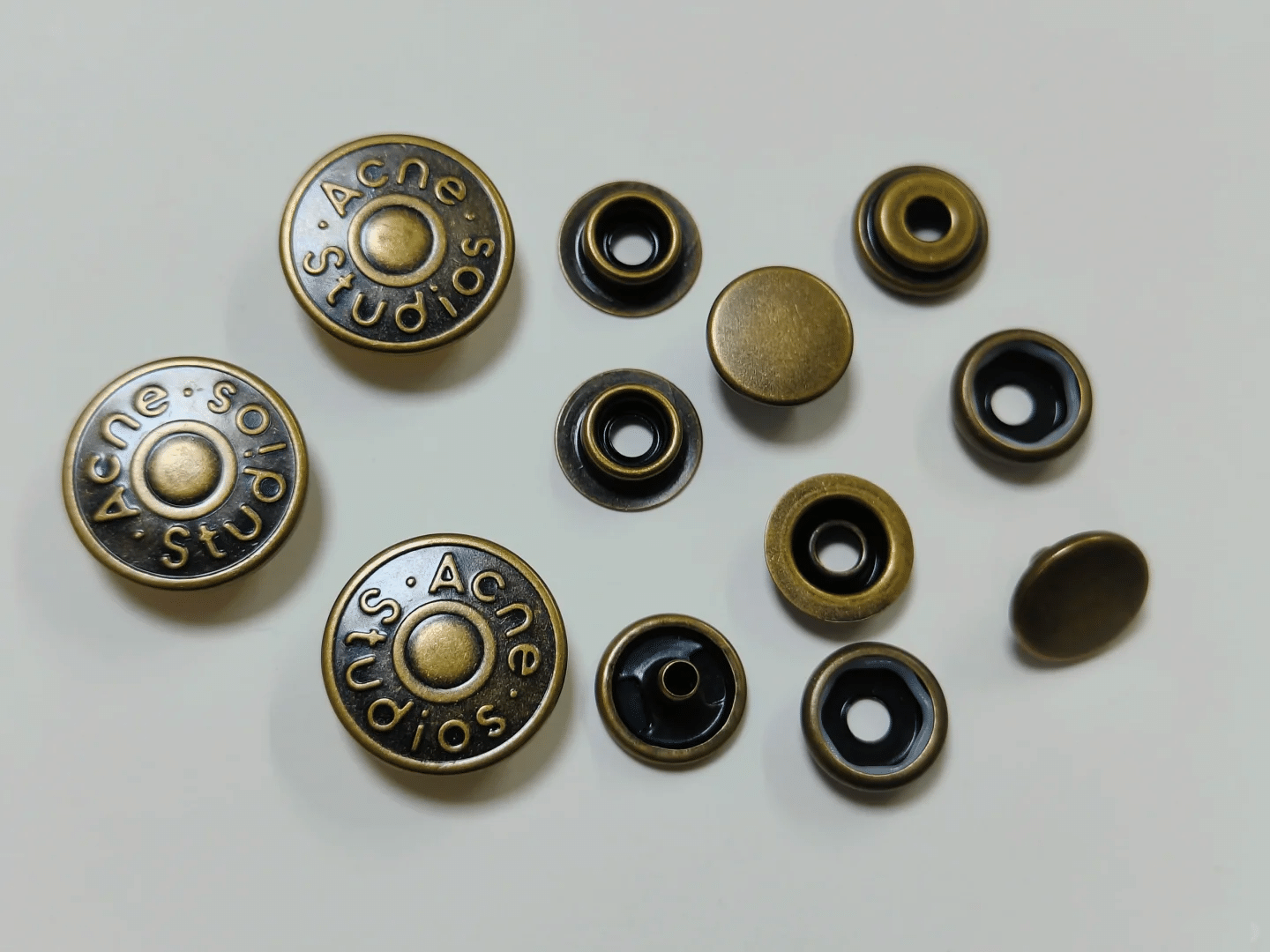
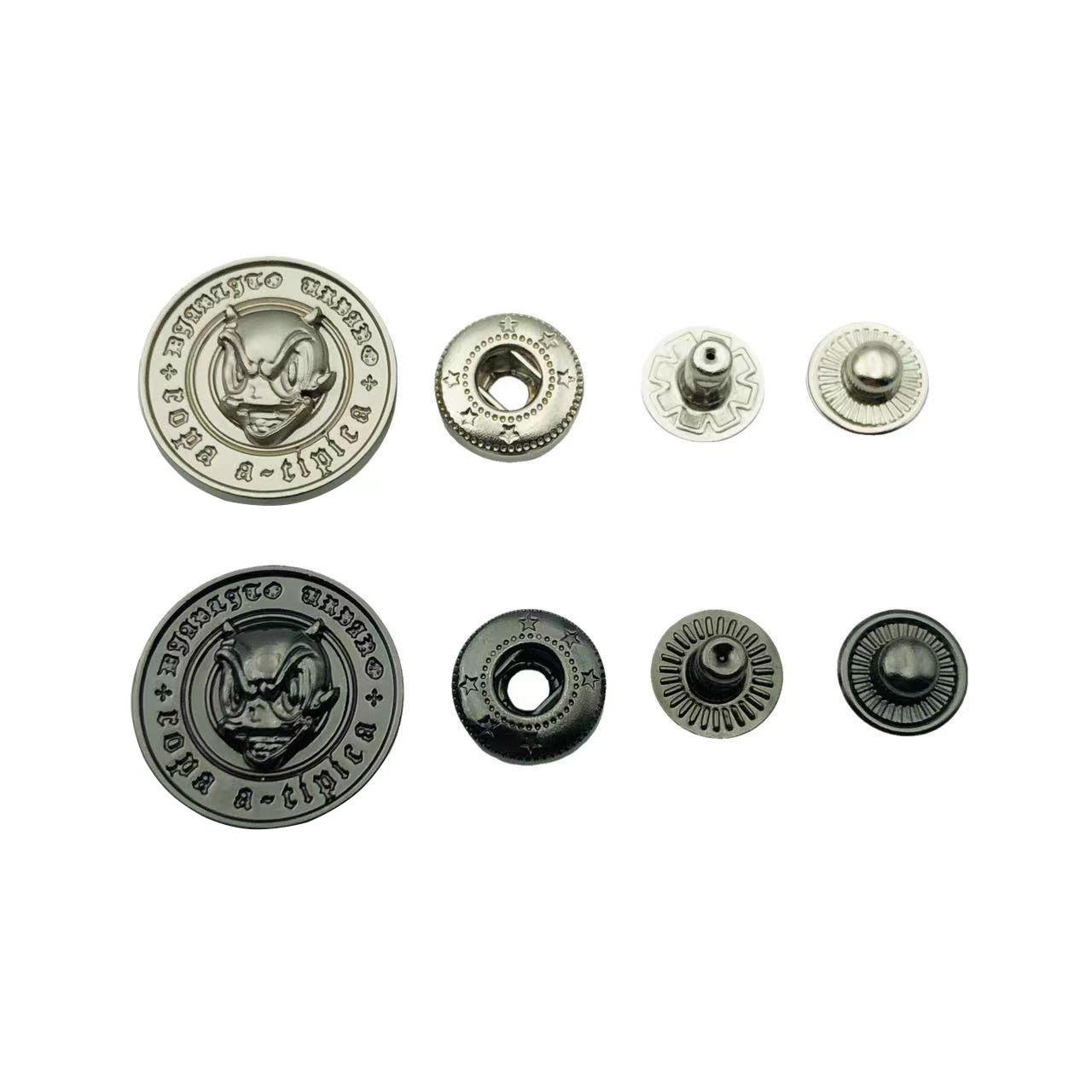
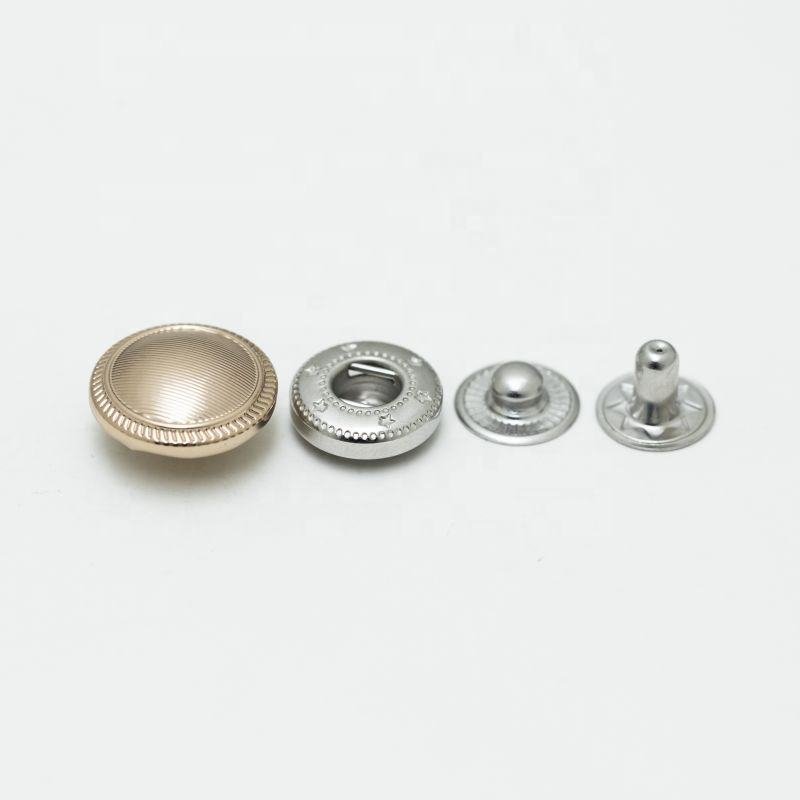
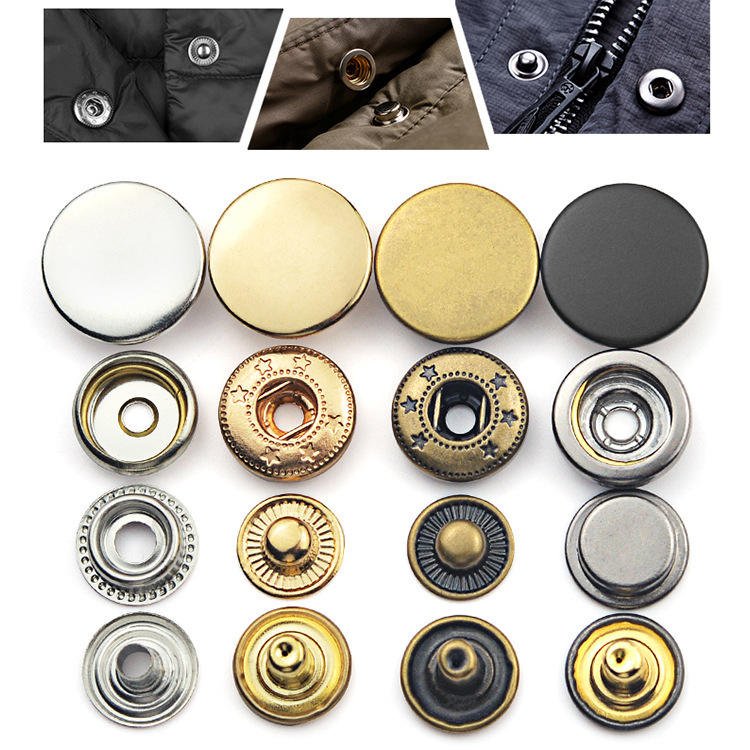
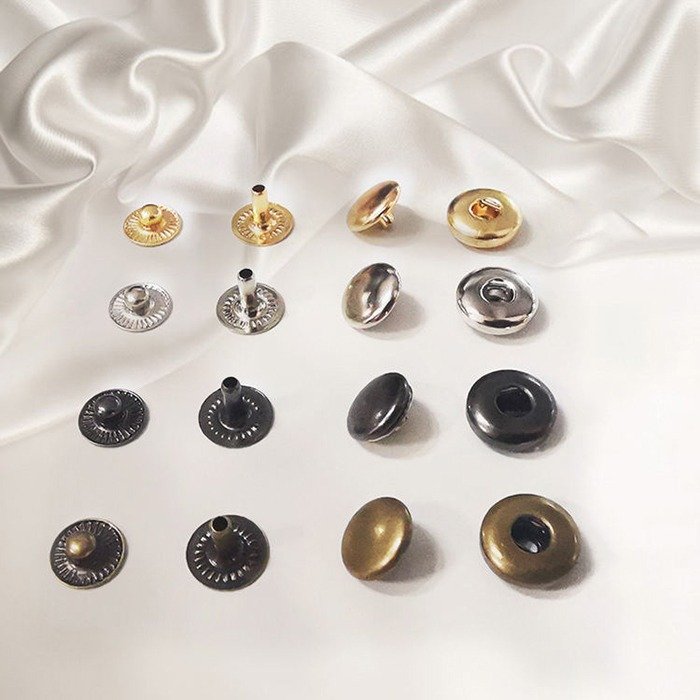
In order to properly use snap buttons, you should learn how they are constructed. This rivet-type snap button consists of four parts that work together to create a secure closure.
Understanding these parts enables you to correctly install and troubleshoot them. The four parts are:
- The Cap: This is the part you can see on the outside of the clothing. It’s often the pretty part that people touch.
- The Socket: This is the “female” part that goes on the back side of the fabric with the cap. It has a spring that holds the stud.
- The Stud: This is the “male” part. Its raised head clicks into the socket’s spring.
- The Post (or Eyelet): The post connects to the back of the stud. It goes through the fabric and is then flattened to hold the stud in place.
The “snap” happens when the spring in the socket stretches to go around the stud’s head. Then it squeezes back to hold it firmly.

Freight discount

Free Full Creative Proof For Approval

Free Digital Mock Ups

Custom packaging
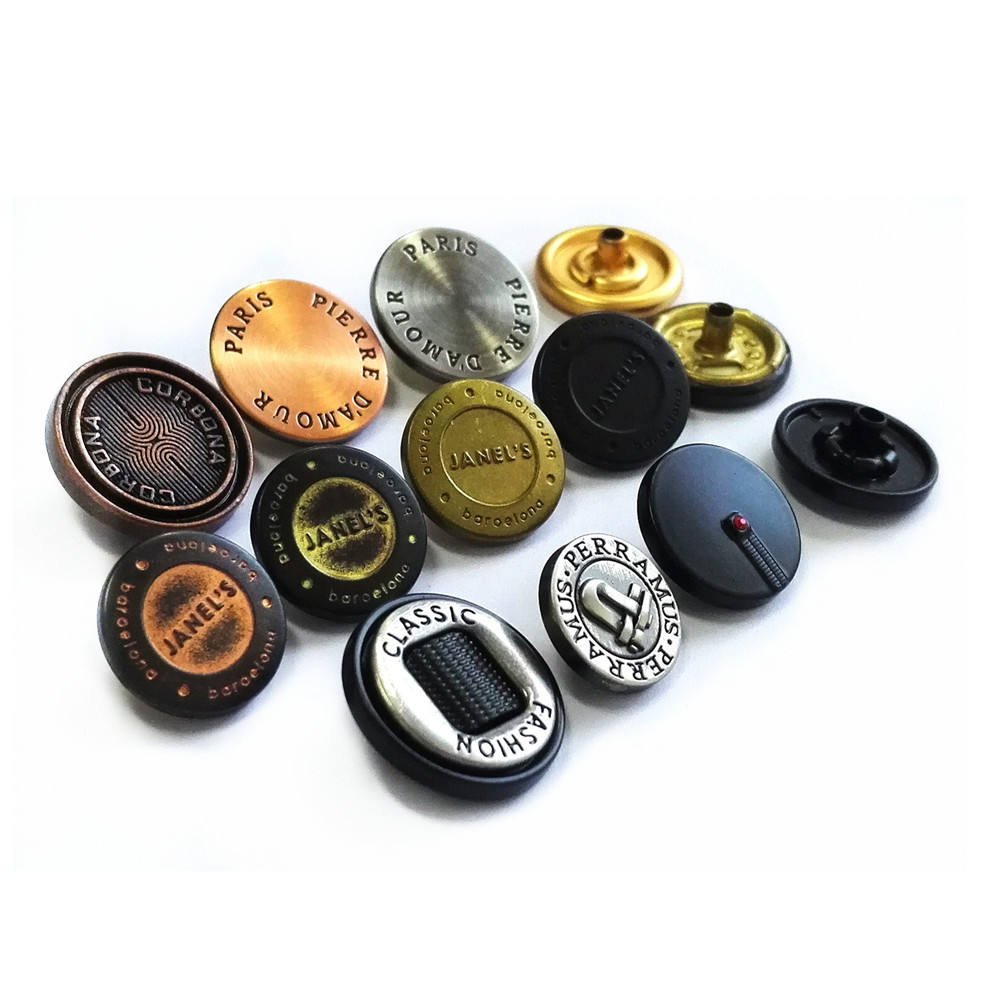
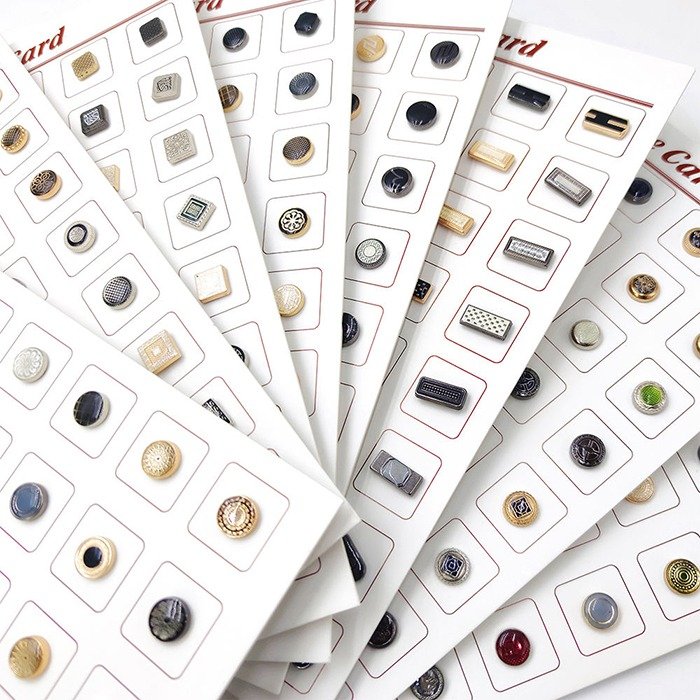
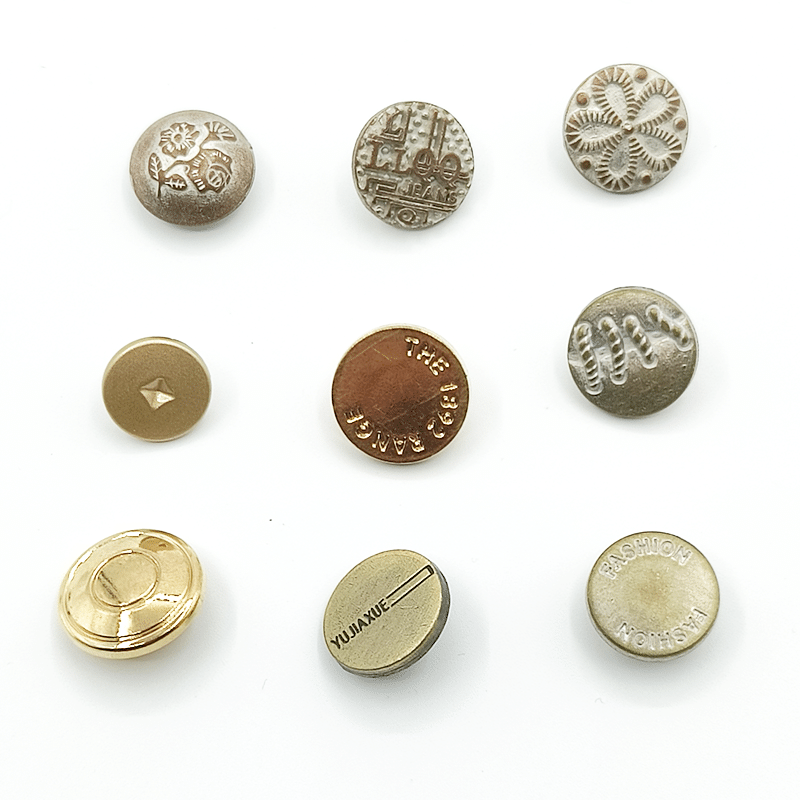
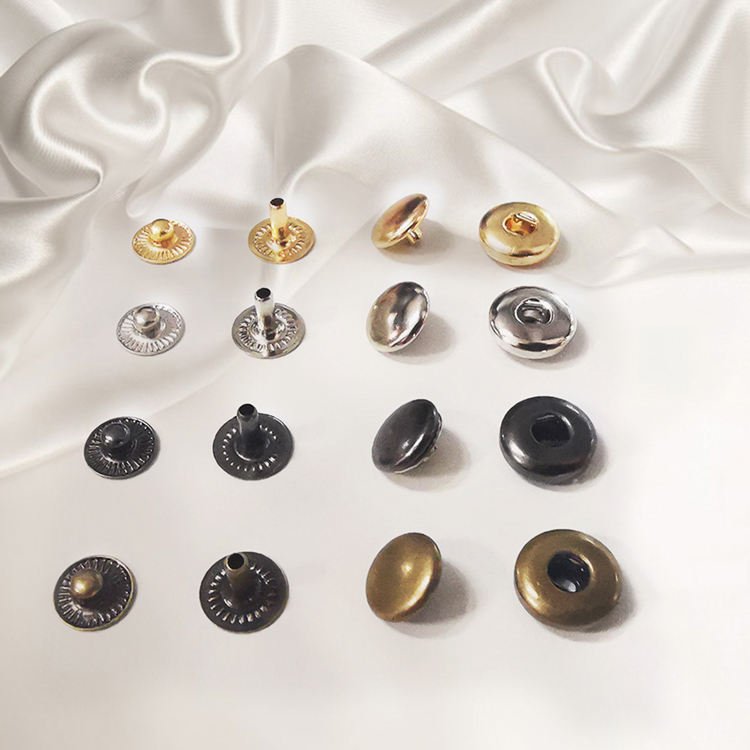
Snap Button Product Gallery


A World of Options: Choosing the Right Type of Snap Button
Snap buttons do not all function the same way. You have to choose one based on what your fabric is, how long you need it to last and how you want it to look. Choosing the wrong kind may damage your fabric or produce a closure that breaks easily.
We use a wide variety of snaps. Here are some of the most common types:
Snap Type | Mechanism | Best For | Pro-Tip |
Ring Spring Snaps | A circular spring (“S” spring) in the socket. | Medium-to-heavy weight fabrics like denim jackets, heavy shirts, and workwear. | Offers a very secure closure and a crisp, audible snap. |
Prong/Open Ring Snaps | Prongs that pierce the fabric directly. | Lightweight and stretch fabrics like baby clothes (onesies), jersey knits. | No need to pre-punch a hole, but requires fabric reinforcement to prevent tearing. |
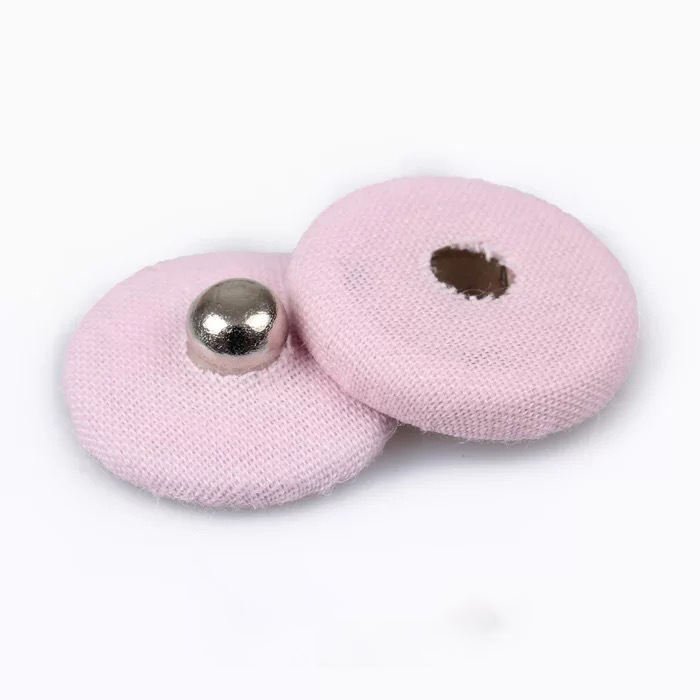
Sew-On Snaps | Attached by sewing through holes in the discs. | Delicate fabrics (silk, chiffon) or areas where a rivet is not desired. Offers an invisible closure. | Choose a thread color that matches your fabric for a truly hidden finish. |
Magnetic Snaps | Two magnetic discs that attract each other. | Handbags, purses, and jacket plackets where an easy, self-aligning closure is needed. | The strength is measured in gauss; choose a strength appropriate for the application. |
Snap performance is just as much about the material as it is about how it works. Brass is also excellent since it lasts a long time and do not rust. Stainless steel won’t corrode, which is a bonus for outdoor clothes. Plastic snaps are light and come in many colors (great for kids’ clothes) but don’t hold up as long as the metal version.
These snaps have a peculiar history. For instance, easy-to-see ring spring snaps, while popular for their appearance on iconic Western shirts, were also selected as equipment that could take hard use.
Snap Button Manufacturer Customization Options for Apparel: Designed to Meet All Your Brand Needs
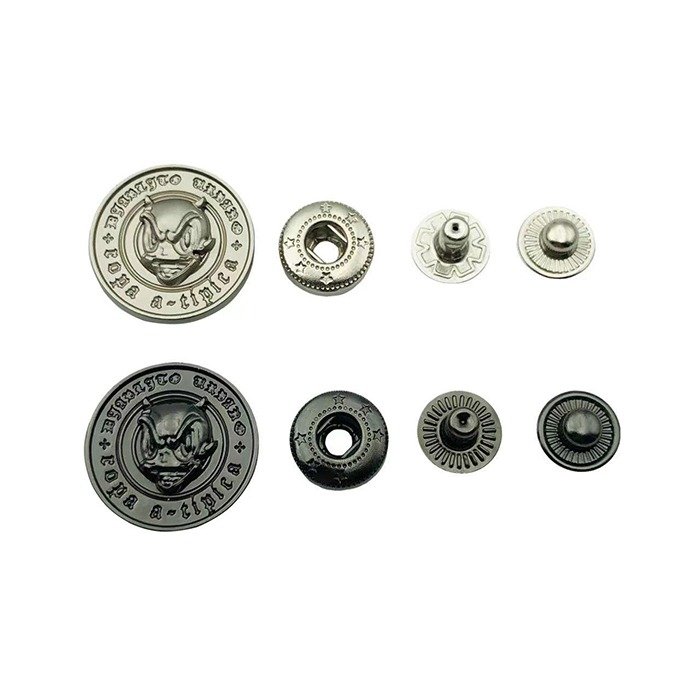
For apparel brands, we offer a wide range of custom snap button styles and highly personalized fastening solutions tailored to your specific branding requirements.
With our extensive selection of materials, finishes, sizes, colors, logo engraving options, and custom packaging solutions, you can create the exact snap button products that align with your design vision.
Our goal is to help you develop distinctive fastening components that enhance both functionality and brand identity. Understanding the importance of customization, we, as a Snap Button Manufacturer, provide comprehensive customization options to meet all your brand’s specific needs — whether for jackets, shirts, denim, uniforms, bags, or other apparel and accessory applications.
The Perfect Match: A Manufacturer's Guide to Pairing Snaps with Fabrics
General advice isn’t enough. In our 10 years of making clothes, the most important thing we’ve learned is that it’s not about a particular brand or company, but about finding the right snap for your fabric. This is where the skill meets the science.
By not intellection about it, you can sidestep issues such as tearing, puckering, or become snaps.
For Heavyweight Fabrics (Denim, Canvas, Leather)
The problem: With all those materials, it exerts a lot of force on the fastener. A regular snap may not succeed over time.
Our Pick: Heavy-Duty Ring Spring Snaps Post length must fit how thick your material is. If the article is too brief it will not support well. If it is too long, the attachment will look sloppy and less formal.
For Mid-weight Fabrics (Flannel, Corduroy)
Challenge: These fabrics close well, but applying too much pressure can harm them.
What We Recommend: Standard Ring Spring Snaps. Heavily use fusible interfacing on the wrong side of the fabric before adding the snap. That step diffuse the pressure, makes the area stronger, and prevents snap from pulling through. interfacing your fabric perfect for a professional finish.
For Lightweight & Stretch Fabrics (Jersey, Poplin, Babywear)
Challenge: These fabrics can easily tear around the snap when pulled on repeatedly.
Our Recommendation: Prong Style Snaps are made for this purpose. The prongs grab the fabric fibers instead of needing a hole cut. However, you must add a small square of backing material behind the snap. This support is very important to stop tearing during use—it’s the most crucial tip for these fabrics.
The Art of Installation: Tools and Step-by-Step Techniques
If you don’t install it properly, a good snap does you no good. Fastener security and aesthetics depend on your method and tools.
Method 1: Using Hand Pliers
This works well for small projects and DIY.
- Mark exactly where both sides of your snap will go.
- If you’re not using prong snaps, make a small, clean hole with an awl or hole punch.
- Put the cap and socket pieces into the right spots on the pliers, with the fabric between them.
- Squeeze the handles firmly and evenly. You should feel it press solid. Do the same for the stud and post.
Method 2: Using a Manual Hand Setter & Hammer
This old-school method gives you good control.
- This tool has a base (anvil) and a setter (punch). Place the cap on the correct side of the anvil.
- Put your fabric over the cap, pushing the cap’s post through the material. Place the socket over the post.
- Put the setter tool over the socket and hit it firmly with a mallet or rawhide hammer. A steel hammer might damage the tool or the snap cap.
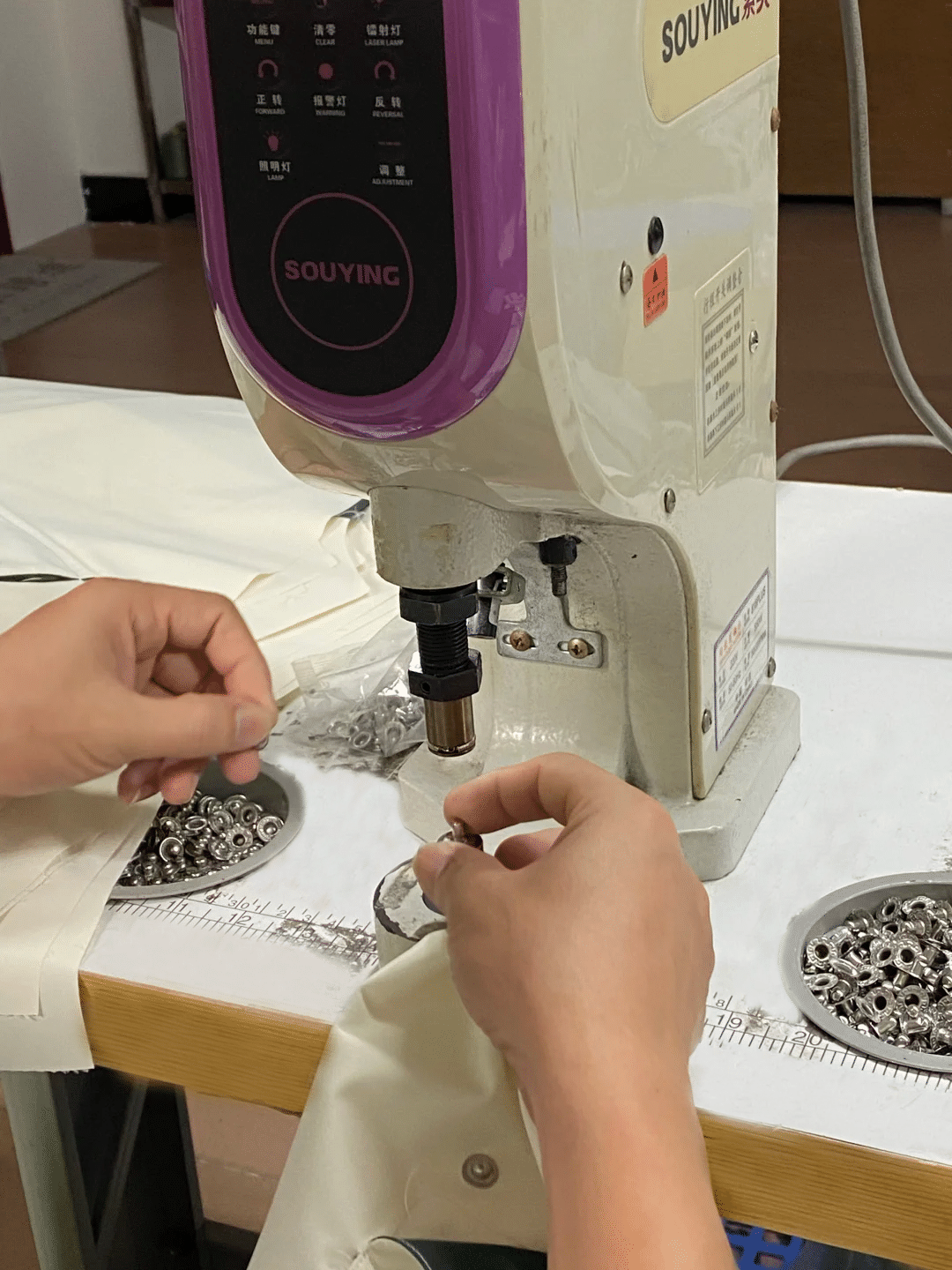
Method 3: The Industrial Press
This is the best option for commercial production. An industrial press utilizes precision dies and consistent pressure, so every snap gets set perfectly. It is faster, more consistent, and secures snaps better than hand tools can. A press works best to avoid such issues like needing a reinforcing patch.
That’s what we use at Prime Streetwear Manufacturing. An industrial press is key for that professional finish you see on high-quality outerwear like our custom jackets.
Quality Unsnapped: How to Identify a High-Quality Snap Button
Over our many years making clothes, we’ve learned to spot bad snaps easily. This skill can save a brand from product failures and returns. Here’s our checklist for checking snap quality, helping you avoid some common mistakes (and how to avoid them).
- Material & Finish: Good snaps are usually made from solid brass because it’s strong and doesn’t rust, or stainless steel for maximum durability. Look at the finish—a good coating (like antique brass or gunmetal) should be even, smooth, and thick enough that it won’t chip with use.
- The “Snap” Action: A well-made snap gives a crisp, clear “click.” If it feels mushy, weak, or too hard to close, that’s a warning sign of a poorly designed spring that will likely fail.
- Weight & Feel: Quality has weight to it. A good snap should feel solid in your hand, not flimsy or thin. This weight shows better materials and construction.
- Durability Testing: In the clothing industry, we test components. Industry rules often require snaps, especially on children’s clothes, to pass specific pull tests for safety and to prevent choking hazards. A good supplier can provide this test data.
Your Partner in Production: Elevate Your Apparel with Prime Streetwear Manufacturing
Even knowing the multi-step process behind a snap button reveals how construction is one of the main ways clothing achieves quality. At Prime Streetwear Manufacturing attention to detail is our business, and we have earned this reputation.
Any garment is only as good as its weakest link, and with 10 years of clothing experience we know that. Were really good about only using top quality hardware — from the zippers to snap fasteners. We produce every step of production, ensuring that each part fits seamlessly with all the others to create a better product.
Our insight will guide you whether you are creating a new design or enhancing an existing product. We take your concepts and bring them to life as tangible, retail-ready garments.
Ready to bring your clothing line to life with expert craftsmanship?
Contact our team today for a consultation.
Conclusion: The Finishing Touch That Makes a Difference
We’ve discussed everything from the four simple components of a snap to expert methods of pairing, environment, installation and gauging how good it is. This information transforms the snap button from a mere component to a tactical decision.
Never underestimate small details. The proper fastener makes a huge impact on how a piece works, how much value it feels like and how long it lasts. With these industry secrets under your belt, you’re that much closer to sewing garments that not only look good, but sew well too!
Real feedback from customers all over the world about
Prime Streetwear Manufacturing.
Communication & Production
How to Start Working with Prime Streetwear Manufacturing?
3X Your order is triple checked by our team prior to production and before shipment
Request a Free Quote & Consultation
Hit us up for a free quote. We’ll discuss your requirements — design, quantity, timing — and put a plan in place that works.
Submit Your Custom Design & Requirements
1. Choosing Snap Button Material
2. Selecting the right Carft for the design
3. Payment for samples
4. Sample production after determining the color, size, and accessories of the sample
Receive Sample Prototypes for Approval
1. Are the fabrics satisfactory?
2. Does the craftsmanship live up to the design?
3. Are there any changes that need to be made to the colors, sizes, and accessories?
4. Details of large orders
Bulk Production & Delivery Process
1. Payment of deposit for large orders
2. Large Order Production Progress Inquiry
3. Final payment upon completion of prodution
4. Choose the right shipping method, pay the shipping fee, ship the goods
Frequently Asked Questions
What are the four main components of a snap button?
The four main components are the cap (visible exterior part), the socket (female part with spring), the stud (male part with raised head), and the post/eyelet (connects to stud and secures through fabric).
What types of snap buttons are best for different fabrics?
Heavy-duty ring spring snaps work best for denim and leather, standard ring spring snaps with interfacing for mid-weight fabrics like flannel, and prong style snaps with backing material for lightweight or stretch fabrics.
How can I identify a high-quality snap button?
High-quality snap buttons have solid materials (brass or stainless steel), even finishes, a crisp “click” sound when fastening, substantial weight, and pass industry durability tests.
What tools are needed to install snap buttons properly?
You can use hand pliers for small projects, a manual hand setter with hammer for more control, or an industrial press for professional production with consistent results.
Snap Button Manufacturer Offer
Prime Streetwear Snap Button Manufacturer was created to provide helpful service, simple streamlined ordering & eco-friendly options. A company with transparent prices & ethics, a company that aims to create good things.
Prime Streetwear Manufacturing Difference
Prime Streetwear Manufacturing was created, to provide helpful service, simple streamlined ordering & eco-friendly options. A company with transparent prices & ethics, a company who aims to create good things.
Innovative Ideas
Prime Streetwear Manufacturing is proud to be a leading partner in the promotional products + fashion industry. With unique ideas + out of the box printing methods.
We Stand Behind Our Work
Our main goal is to provide peace of mind so you can relax and have confidence that your job will come out exactly as you had imagined.
Quality Over Quantity
Prime Streetwear Manufacturing believes in quality over quantity and we want our customers to feel the same way.
Dedicated Reps
Each account receives a dedicated rep who can be reached face to face by phone or via e-mail.
Long Lasting Relationships
We value all of our clients and aim to solidify long lasting & mutually beneficial relationships.