

The Ultimate Guide to Custom Patches for Clothing: A Manufacturer's Perspective
Introduction: More Than Just a Patch
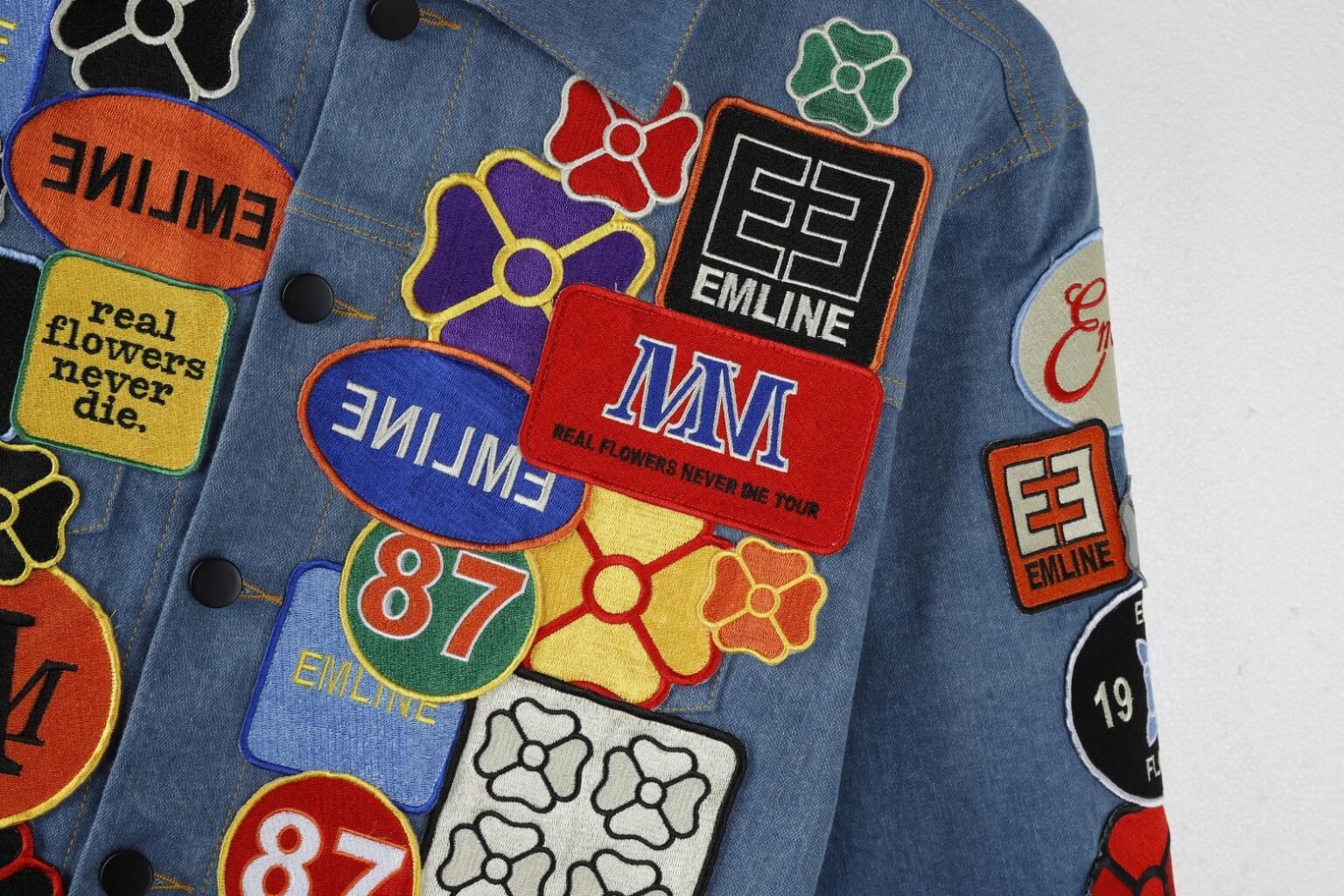
In fashion, every detail matters. A well-crafted clothing patch is more than just decoration—it’s an essential part of Custom Clothing Accessories and a powerful expression of your brand identity. Like any premium accessory, it reflects your commitment to quality and craftsmanship.
This small element can create a strong impression in a highly competitive market. As part of your Custom Clothing Accessories strategy, a thoughtfully designed patch enhances perceived value even before the garment is worn. It adds texture, character, and a distinctive touch that stays with the product throughout its lifecycle.
We didn’t learn this overnight—it comes from experience. With 10 years in clothing manufacturing, we’ve seen how Custom Clothing Accessories and fine design details—like patches—can shape a brand’s success or failure. This is the expertise we’ve built at Prime Streetwear Manufacturing, and what we bring to every project.
A Deep Dive into the 5 Main Types of Custom Patches
The first step towards making an informed choice is to understand the basic patch types. All have distinct looks and feels that make them appropriate for different objectives.
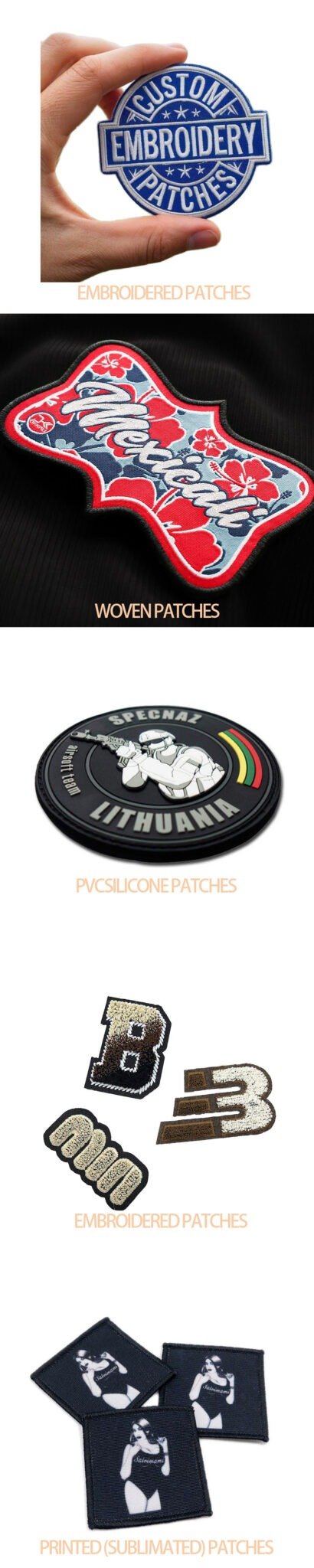
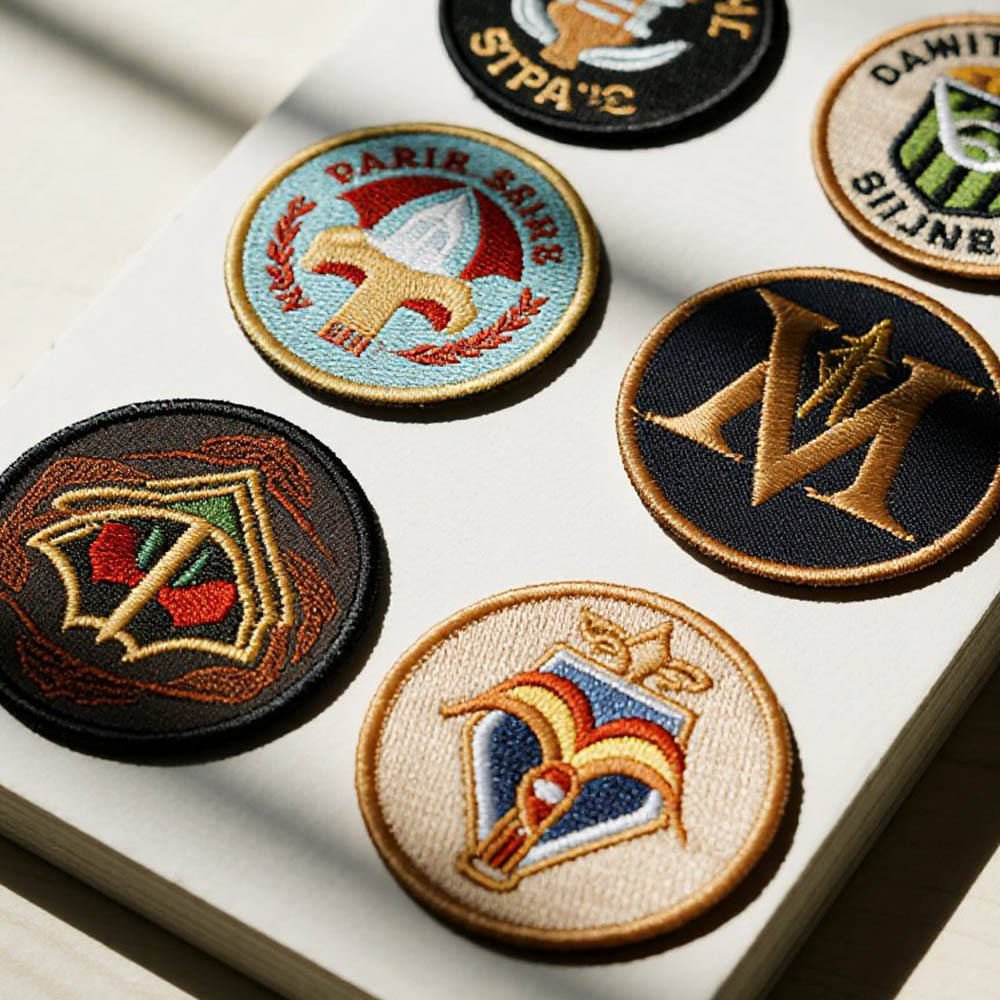
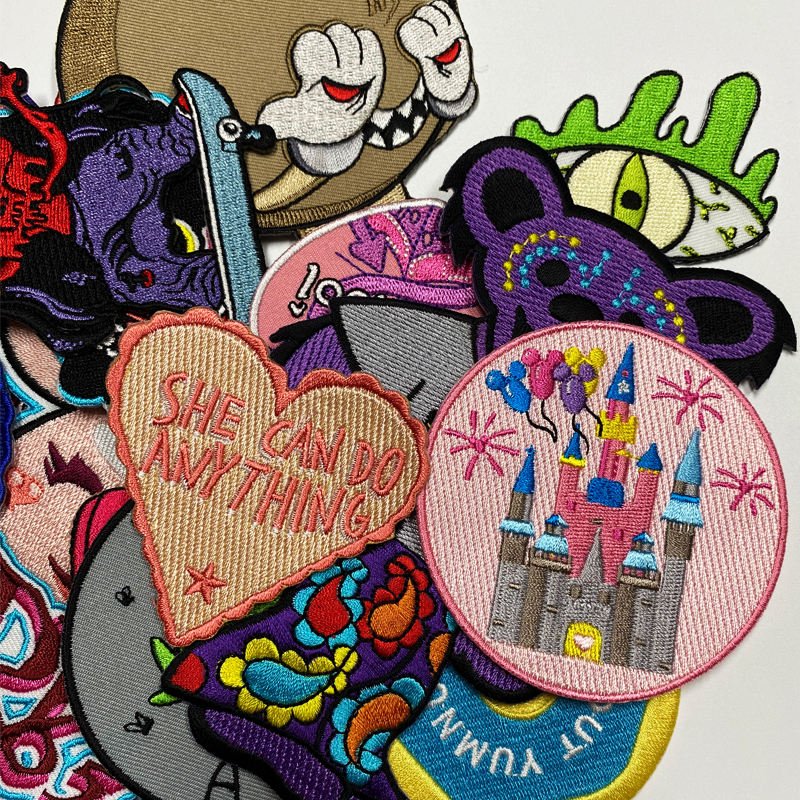
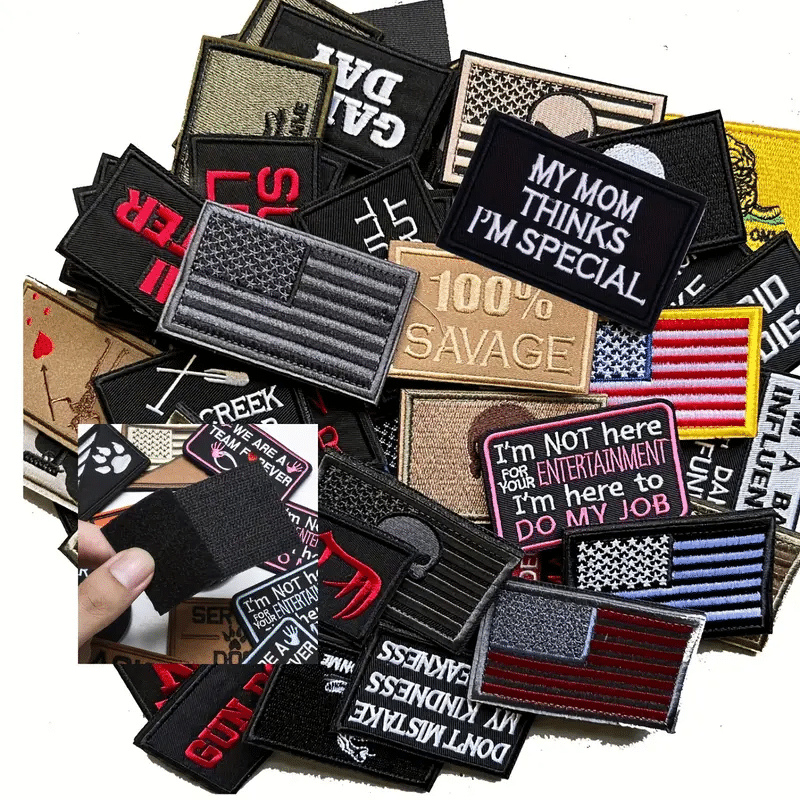
Embroidered Patches: The Classic Choice
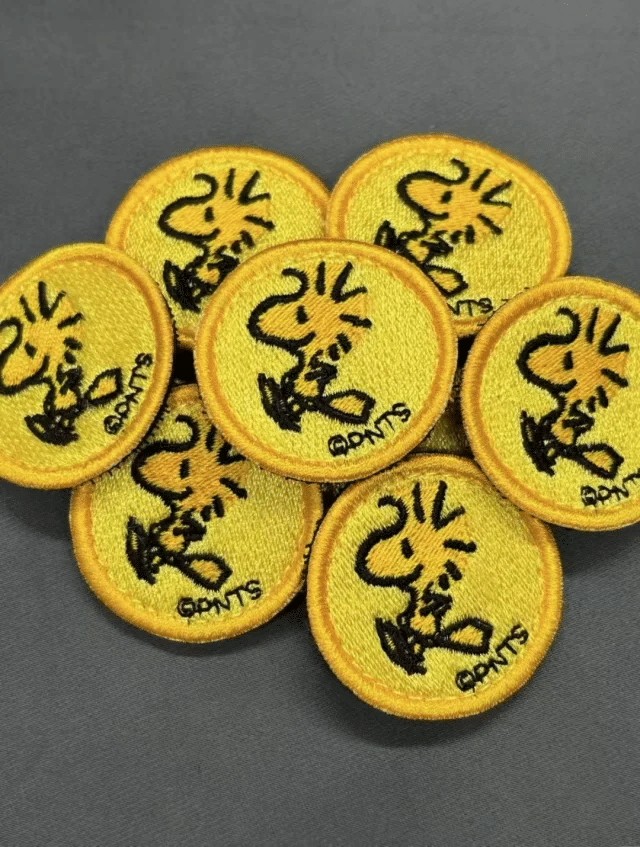
What It Is: The most classic patch type, with a textured design made of loops created by sewing threads over fabric.
These patches are created when high-speed machines sew your design onto twill fabric. After they’re stitched together, the patches are cut out from either a raised “merrowed” edge or flat “heat-cut” edge.
Best For: Logo graphics, team emblems, military patches, and any simply-worded text wanting a classic aesthetic.
Pros:
- Classic, raised look with a texture you can feel
- Very durable and made to last longer than the clothing
- Rich texture adds value
Cons:
- Not good for realistic images or color blends
- Small details and tiny text may not be clear
The craft of embroidery has a rich history that gives these patches a sense of quality.
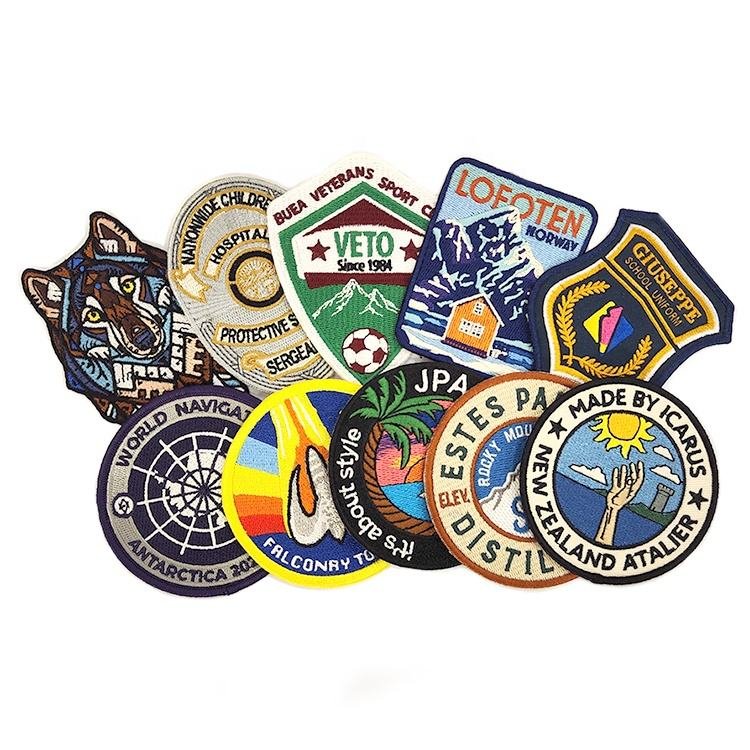
Woven Patches: For High-Detail Designs
What It Is: A patch where the design is woven right on to the fabric, resulting in a flat and smooth finish with fine detail.
Unlike embroidery, which sits on top of the fabric, woven patches are made on a loom. It works like a quality label, where thin threads are intertwined together te be the base and the design in one step.
Ideal For: Intricate logos containing fine lines, small text, and detailed artwork requiring precision.
Pros:
- Better detail for complex designs
- Flat and flexible, making them blend with garments
- Clean and professional look
Cons:
- Lacks the raised texture of embroidered patches
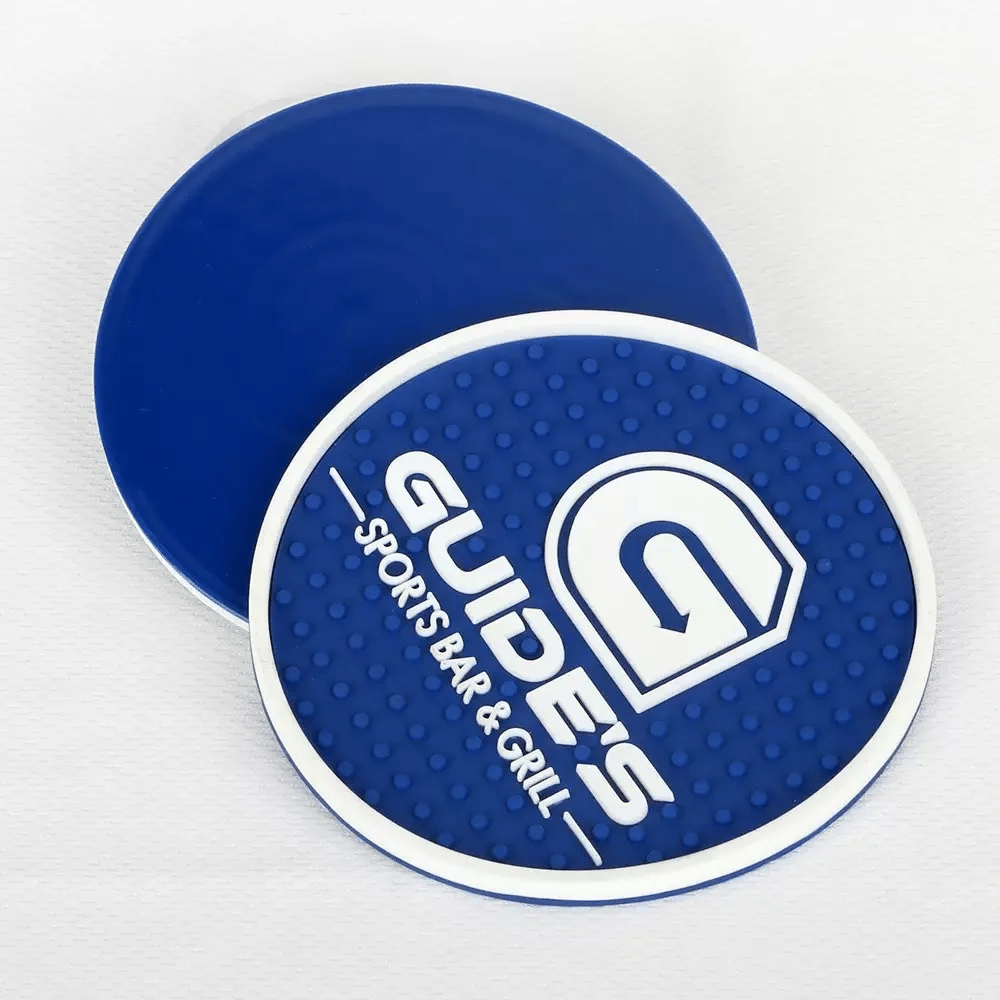
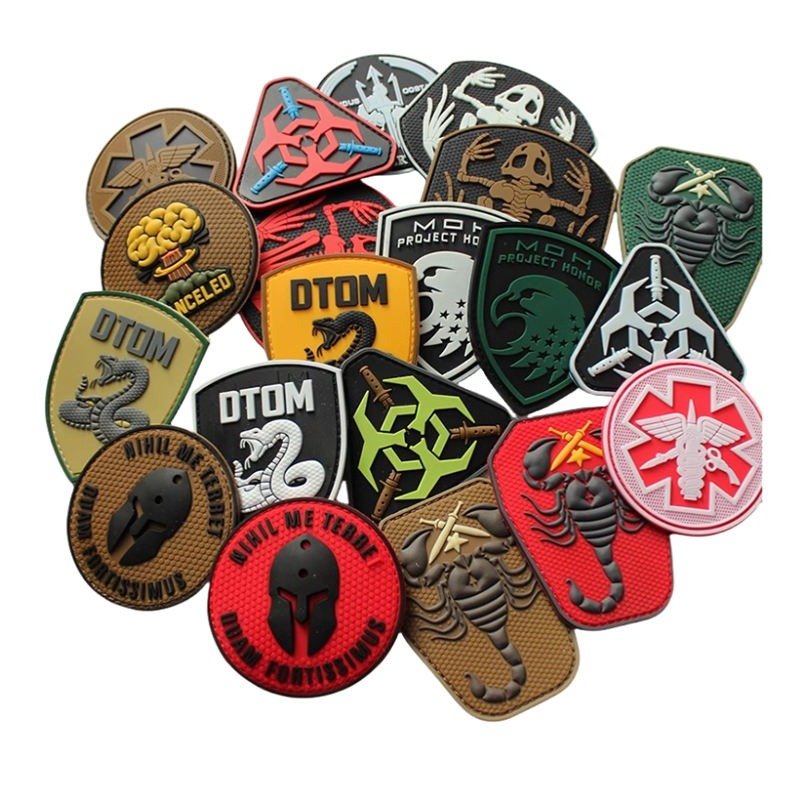
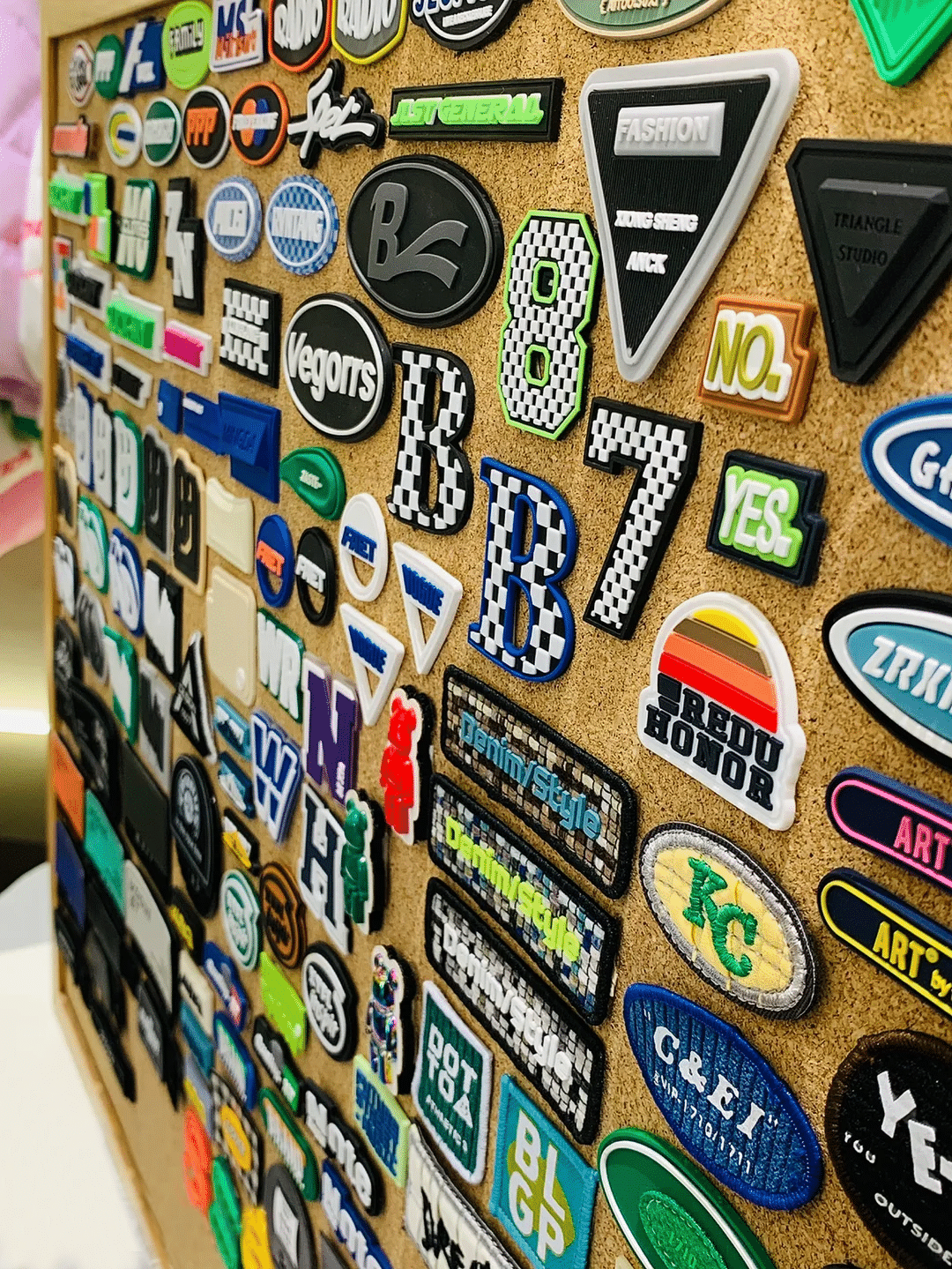
PVC / Silicone Patches: Modern & Durable
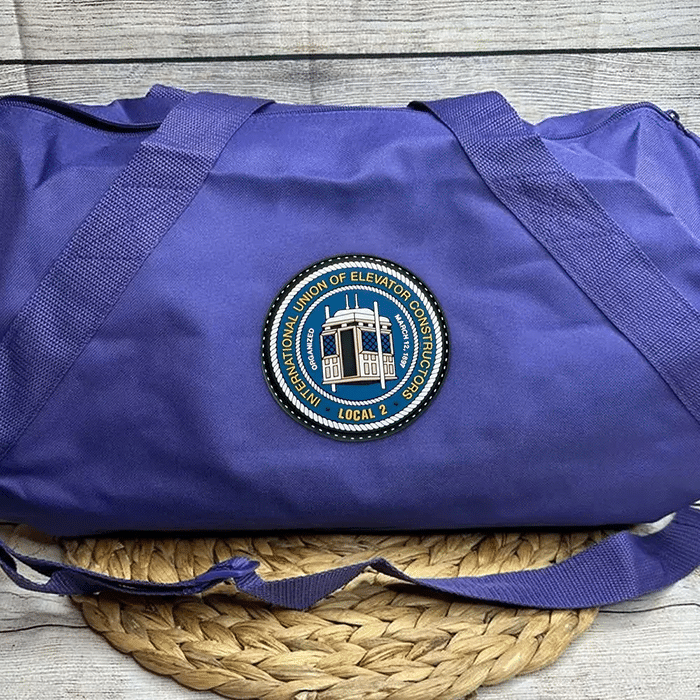
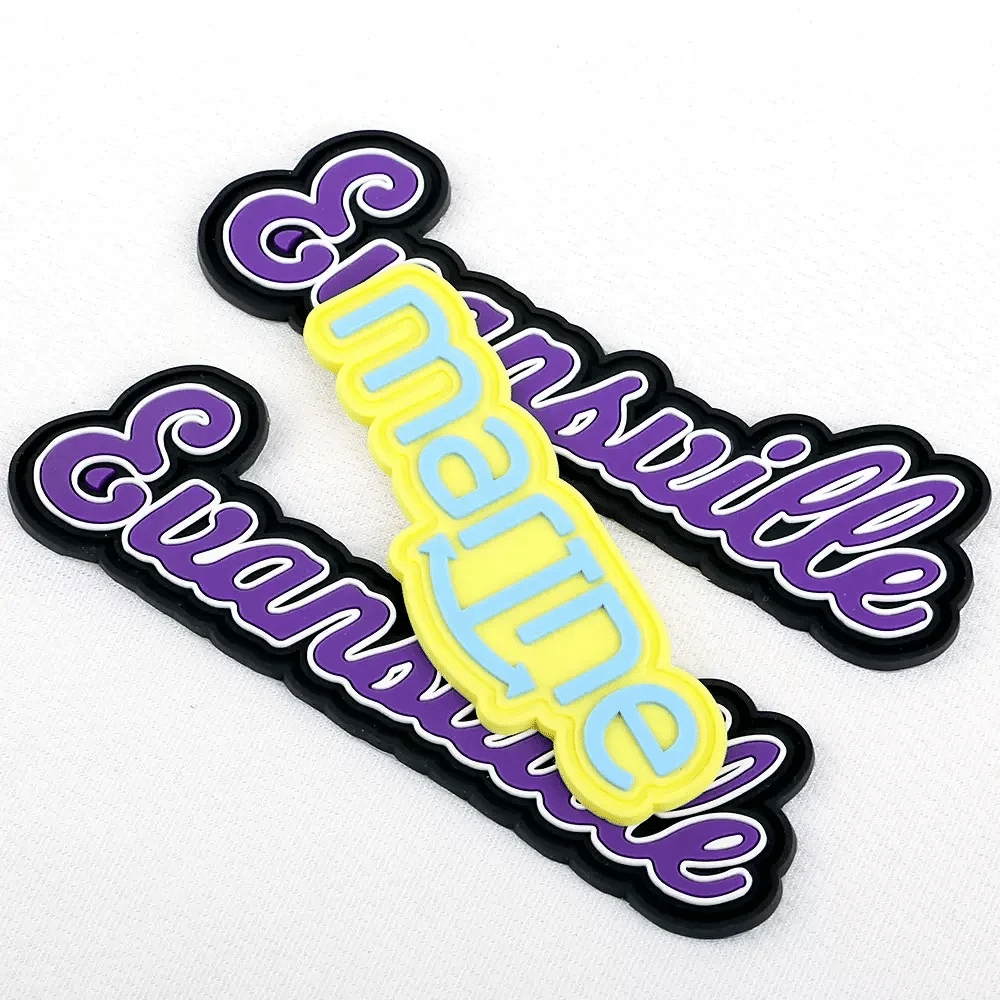
What It Is: A rubbery patch made of PVC or silicone that accommodates sharp 3D designs.
They create patches by injecting liquid material into custom molds, layer upon layer, for each color. Then the layers ‘cure’, creating a single piece of flexible plastic.
Best For: Outdoor gear, tactical clothing, hats and backpacks and products requiring a contemporary, waterproof design.
Pros:
- Completely waterproof and weather-resistant
- Very durable, easy to clean, and won’t fade
- Can create sharp, bright, and dimensional designs
Cons:
- Must be sewn on; can’t be applied with an iron
- Heavier and less flexible than fabric patches
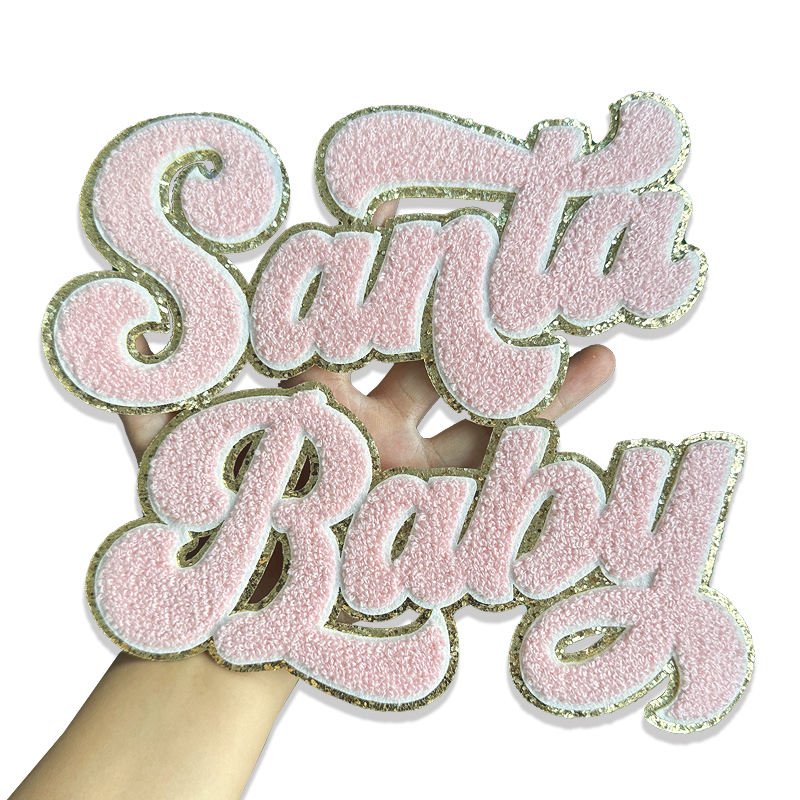
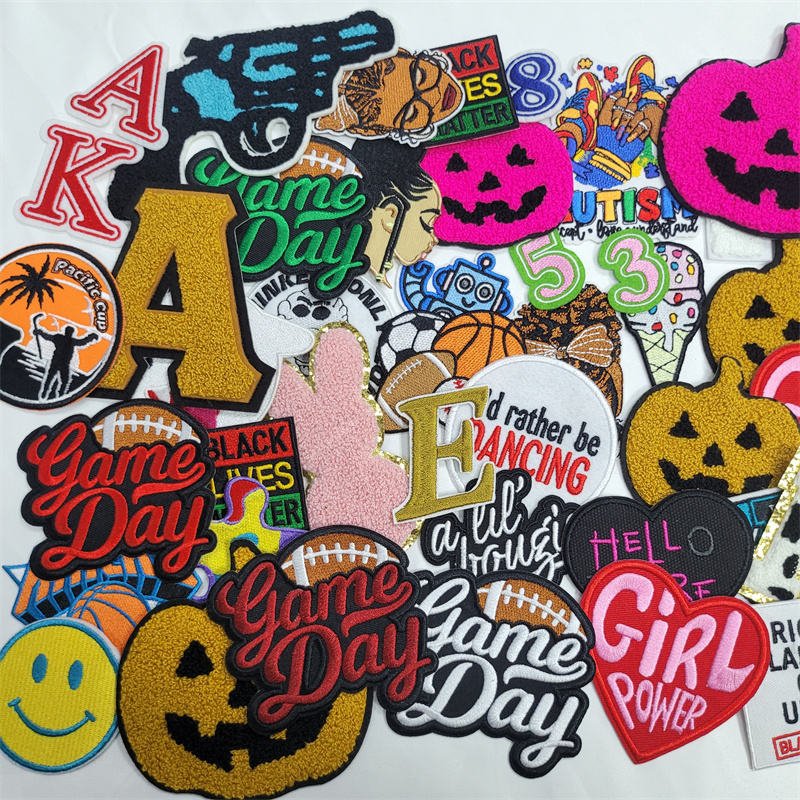
Chenille Patches: The Retro Texture
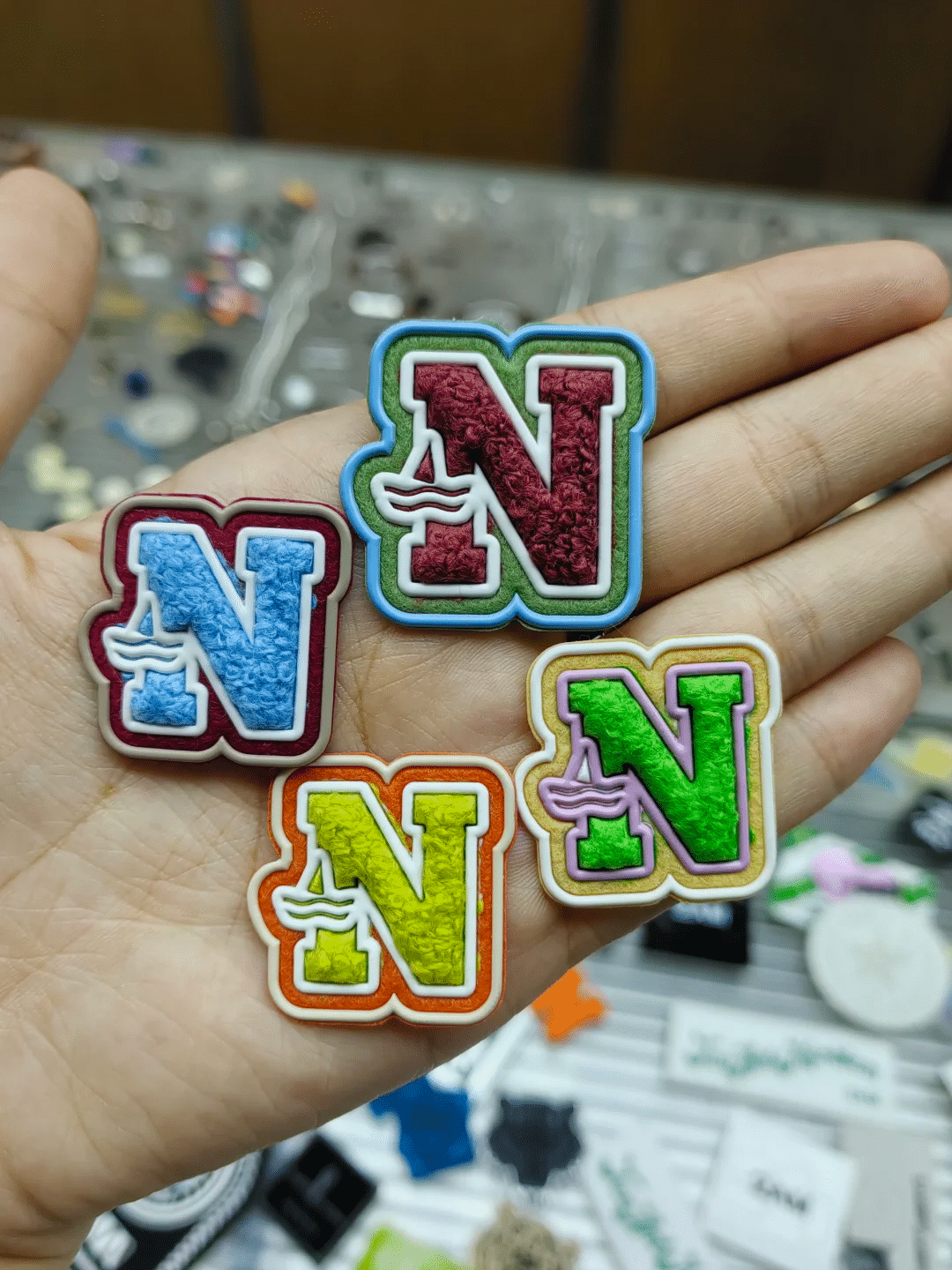
What It Is: Renowned for its soft, fuzzy, carpet-like texture, chenille has a reputation of being on varsity jackets and college gear.
These patches are created by sewing looped yarn tufts onto felt backing. The fuzzy chenille and a border of felt work together for a bold, retro look.
Best For: Bold statement pieces, letterman jackets, retro styles and designs requiring a unique texture.
Pros:
- Unique, soft surface that gets noticed
- Strong nostalgic appeal
- Great for large, simple shapes and letters
Cons:
- Not good for fine details
- Bulky and needs careful cleaning
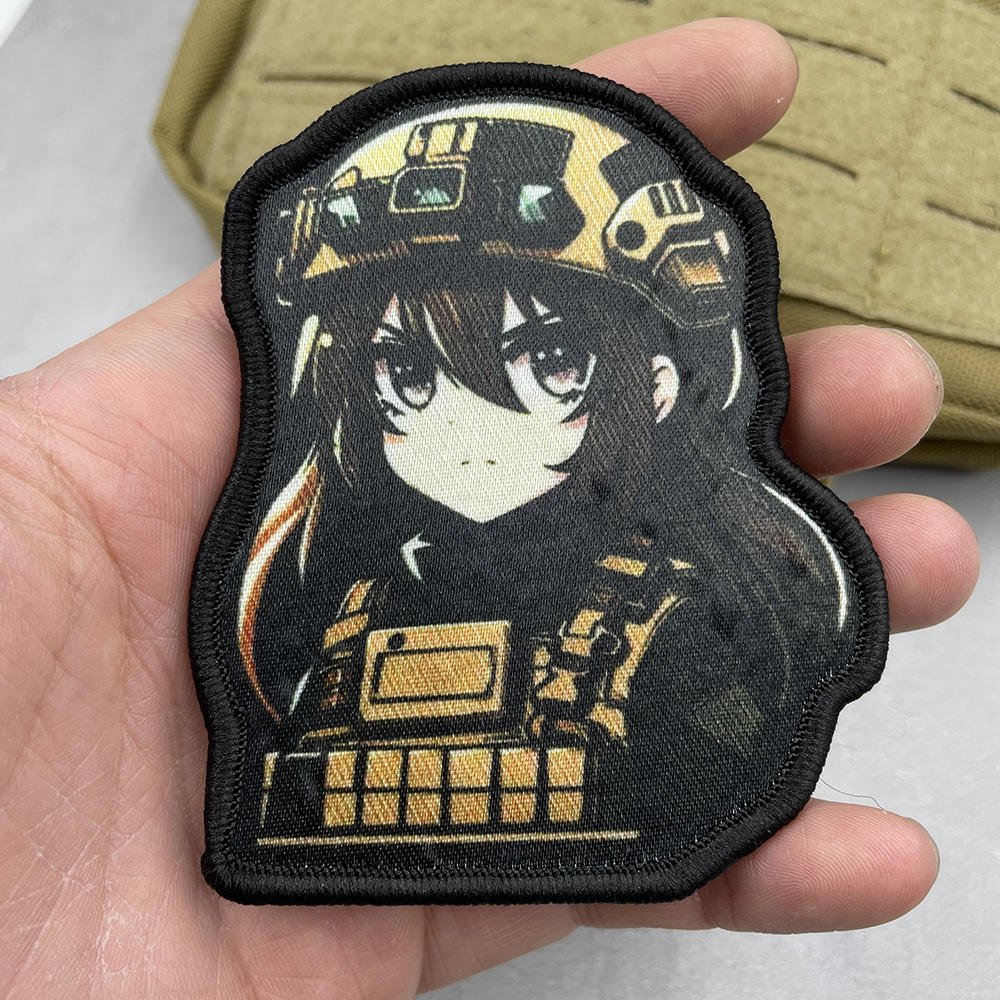
Printed (Sublimated) Patches: For Photorealism
What It Is: A patch that designs are digitally printed to and heat-fused into a fabric, so it can have as many colors as you want.
This process is dye-sublimation, where heat makes special inks turn into gas. That gas penetrates the fabric fibers, resulting in a permanent image that won’t crack or peel. The edge usually has stitching.
Best For: Photo-realistic images, designs that contain blurs or color blends, and detailed artwork too complicated for threads to recreate.
Pros:
- Unlimited colors and perfect detail
- Smooth, light, and flexible
- Often quicker to produce
Cons:
- Lacks the texture of other patch types
- Final look combines flat print with threaded border

Freight discount

Free Full Creative Proof For Approval

Free Digital Mock Ups

Custom packaging
Patches Product Gallery


Choosing the Perfect Patch: The Manufacturer's Decision Matrix
Selecting the right patch involves more than looks. As makers, we think about the fabric, use, and production size. This chart makes that thought process simpler.
Patch Type | Best for Fabric Type | Durability & Washability | Level of Detail | Cost at Scale |
Embroidered | Heavyweights (Denim, Canvas, Twill), Hats | Very High. Machine washable, highly durable. | Low to Medium | Cost-effective for medium to high volume. |
Woven | All types, especially lightweights (T-shirts, Polos) | High. Machine washable. | Very High | Moderately priced, cost-effective at volume. |
PVC / Silicone | Technical (Nylon, Polyester), Bags, Outerwear | Highest. Waterproof, scrubbable. | High (for 3D layers) | Higher initial mold cost; very cheap per piece at high volume. |
Chenille | Heavyweights (Wool, Felt, Denim for Jackets) | Medium. Gentle or dry clean recommended. | Low | Higher cost, best for premium statement pieces. |
Printed | All types, especially where flexibility is key. | High. Ink is permanent and fade-resistant. | Photorealistic | Cost-effective, especially for complex, multi-color designs. |
While an embroidered patch works great on a denim jacket, it’s too stiff for a thin t-shirt. For t-shirts, woven or printed patches work better. Use this table as a starting point for your project.
Customization Options by Patches: Tailored Solutions for All Your Apparel Embellishment Needs
For apparel brands, Patches offers a wide range of custom patches and personalized embellishments tailored to your specific branding requirements.
With our extensive selection of materials, embroidery techniques, prints, backing options, and custom packaging solutions, you can bring your exact patch designs to life — whether for jackets, hats, bags, uniforms, or casualwear.
Our goal is to help you create distinctive, high-quality embellishments that resonate with your customers and strengthen your brand identity. Understanding the importance of customization, Patches, as a professional apparel embellishment manufacturer, provides comprehensive customization solutions to meet all your brand’s specific needs — from design consultation and sampling to full-scale production.
The Art of Application: Sew-On vs. Iron-On vs. Velcro
How a patch attaches is as important as the patch itself. This choice affects durability and what fabrics you can use.
Sew-On Backing
This is the most durable and permanent method of attaching patches.
We suggest using this method only for heavy items (such as leather jackets, work clothes, bags) and any article of clothing you wash often. It guarantees the patch will not peel off. PVC, Silicone, and Chenille patches must be done using this method.
Iron-On (Heat-Seal) Backing
This option is quick and easy for users to attach, which is why it remains popular when used for promotional items. The patch sticks by iron-pressing a layer of heat-activated glue.
Caution: The adhesive can degrade after several hot washes. It doesn’t perform well on nylon, leather, vinyl or stretchy fabrics; heat can ruin them or the bond will fail.”
Velcro Backing
It is a very flexible two-system approach. The patch has the “hook” side, and a separate “loop” side is sewn onto the garment.
It is most useful for uniforms and tactical gear, as well as bags in which patches need to be changed or removed prior to washing. Branches can sell patches to the swap. It builds customer interests.
Design for Manufacturing: Pro Tips for Flawless Patches
It might look great on screen, but not as a patch. Think of how the making will happen from the moment of design to avoid headaches.
- For Embroidered Patches: Keep designs bold. Thin lines get lost in thread. Text should be at least 4mm tall to read well. Avoid complex color blends.
- For Woven Patches: You can use more details. Text can be as small as 1.5mm. For best results, provide vector files (.AI, .EPS, or .SVG).
- For PVC/Silicone Patches: Think in layers. Each color is a separate layer, so smooth blends aren’t possible. Define colors clearly using Pantone codes.
- For Printed Patches: File quality matters. Provide high-resolution images (300 DPI) at final size. Low-resolution images will look blurry.
Partner with an Expert: Bring Your Vision to Life with Prime Streetwear Manufacturing
Selecting a suitable patch is only the beginning of creating excellent apparel. Experience ensures that it works with your fabric, garment design and quality standards.
Prime Streetwear Manufacturing, for instance, has 10 years of experience in clothing manufacturing, and they are able to assist with every step starting from concept to the finished item like custom patches.
We are not merely selling parts, we craft fine clothing.
Ready to discuss your project? Our experts are here to help.
Conclusion
A patch is not an “oh by the way” It affects your product performance, lifetime and brand.
Knowing which types there are, how to apply them, and their foundational design principles will help you implement your vision.
We hope you find this guide useful as you make the right choice for your brand’s next collection.
Real feedback from customers all over the world about
Prime Streetwear Manufacturing.
Communication & Production
How to Start Working with Prime Streetwear Manufacturing?
3X Your order is triple checked by our team prior to production and before shipment
Request a Free Quote & Consultation
Hit us up for a free quote. We’ll discuss your requirements — design, quantity, timing — and put a plan in place that works.
Submit Your Custom Design & Requirements
1. Choosing Patches Material
2. Selecting the right Carft for the design
3. Payment for samples
4. Sample production after determining the color, size, and accessories of the sample
Receive Sample Prototypes for Approval
1. Are the fabrics satisfactory?
2. Does the craftsmanship live up to the design?
3. Are there any changes that need to be made to the colors, sizes, and accessories?
4. Details of large orders
Bulk Production & Delivery Process
1. Payment of deposit for large orders
2. Large Order Production Progress Inquiry
3. Final payment upon completion of prodution
4. Choose the right shipping method, pay the shipping fee, ship the goods
Frequently Asked Questions
What are the 5 main types of custom patches available in 2026?
The five main types are embroidered patches (traditional, textured), woven patches (detailed, flat), PVC/silicone patches (durable, 3D), chenille patches (fuzzy, retro), and printed/sublimated patches (photorealistic).
Which custom patches are best for lightweight fabrics like t-shirts?
Woven and printed patches work best for lightweight fabrics like t-shirts as they’re more flexible and won’t weigh down or distort the fabric.
Are iron-on patches as durable as sewn-on patches?
No, sewn-on patches are more durable. Iron-on adhesive can wear out after multiple hot washes and doesn’t work well on nylon, leather, vinyl, or stretchy fabrics.
Can custom patches be waterproof for outdoor clothing?
Yes, PVC/silicone patches are completely waterproof and weather-resistant, making them ideal for outdoor gear and tactical clothing in 2026.
What's the minimum text size that can be clearly visible on custom patches?
For embroidered patches, text should be at least 4mm tall, while woven patches can handle text as small as 1.5mm and still remain legible.
Patches Manufacturer Offer
Prime Streetwear Patches Manufacturer was created to provide helpful service, simple streamlined ordering & eco-friendly options. A company with transparent prices & ethics, a company that aims to create good things.
Prime Streetwear Manufacturing Difference
Prime Streetwear Manufacturing was created, to provide helpful service, simple streamlined ordering & eco-friendly options. A company with transparent prices & ethics, a company who aims to create good things.
Innovative Ideas
Prime Streetwear Manufacturing is proud to be a leading partner in the promotional products + fashion industry. With unique ideas + out of the box printing methods.
We Stand Behind Our Work
Our main goal is to provide peace of mind so you can relax and have confidence that your job will come out exactly as you had imagined.
Quality Over Quantity
Prime Streetwear Manufacturing believes in quality over quantity and we want our customers to feel the same way.
Dedicated Reps
Each account receives a dedicated rep who can be reached face to face by phone or via e-mail.
Long Lasting Relationships
We value all of our clients and aim to solidify long lasting & mutually beneficial relationships.